


Classical Stone Sculpture
Classical stone sculpture brings historical form and carved presence indoors and outdoors, bridging antique classical traditions with domestic and garden settings.

Classical Stone Sculpture
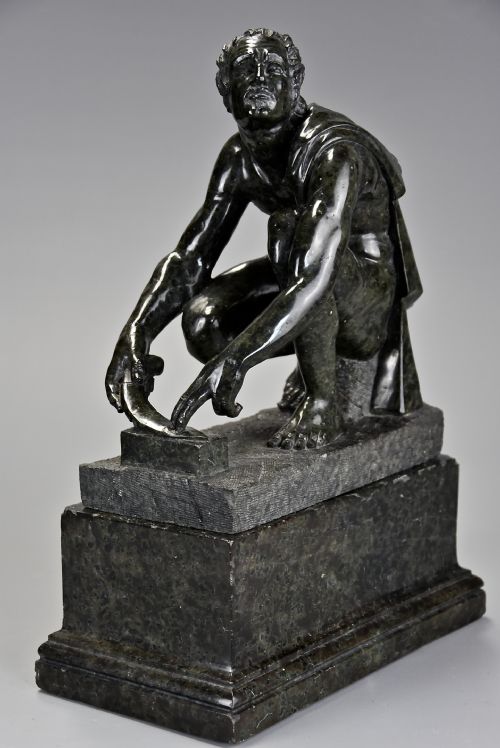
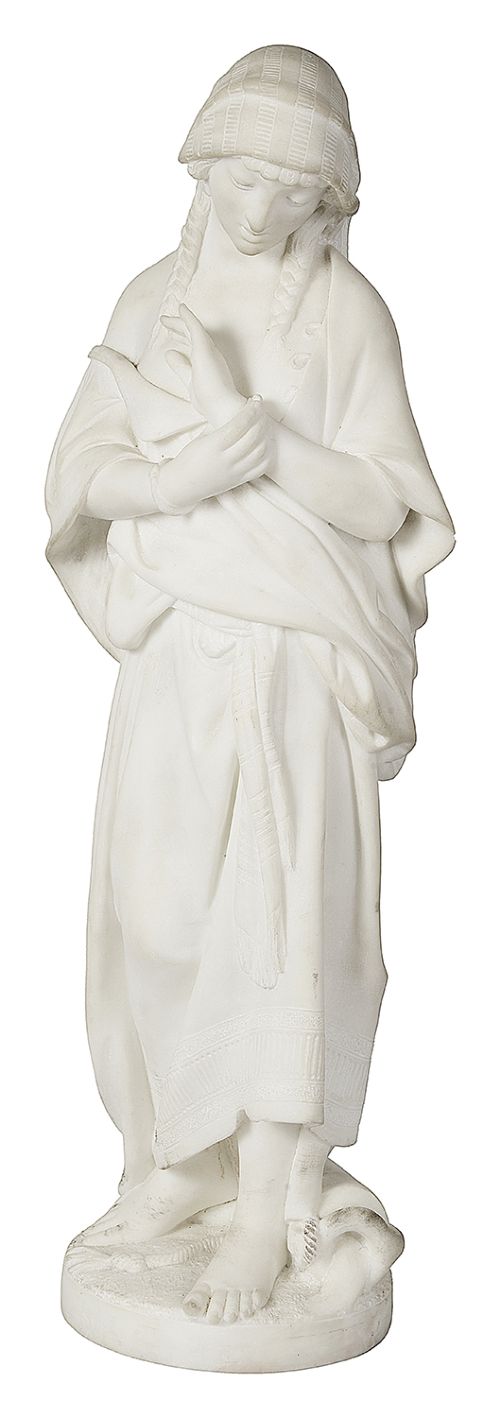
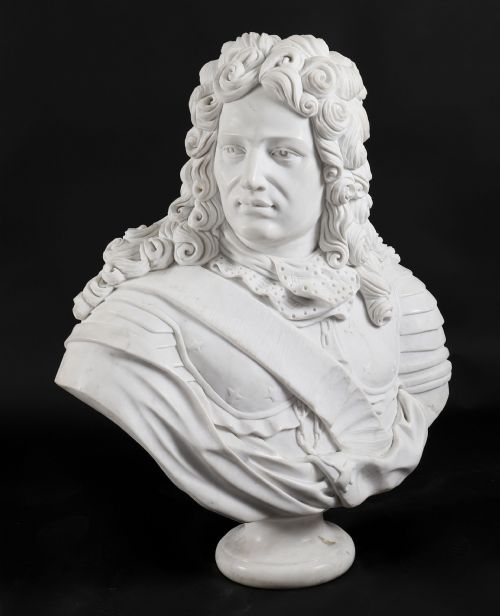
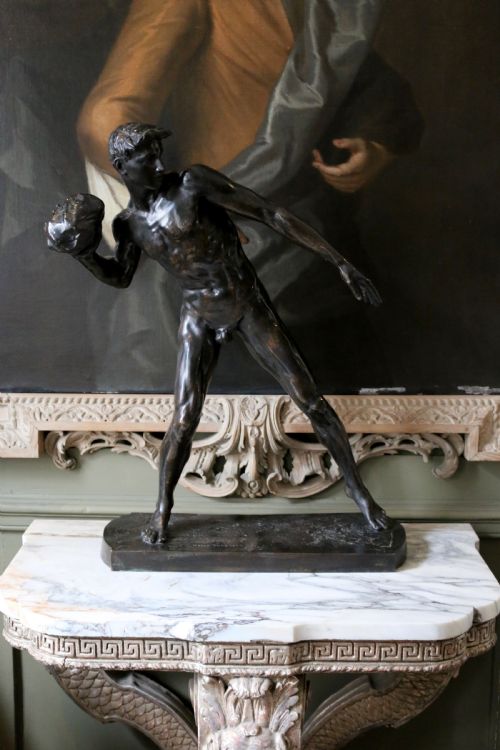
Classical stone sculpture encompasses carved marble figures, Grand Tour reductions of antique monuments, architectural busts, and garden statuary. These works draw directly from Greek and Roman antiquity, executed in revival styles spanning the Victorian era and the early twentieth century.
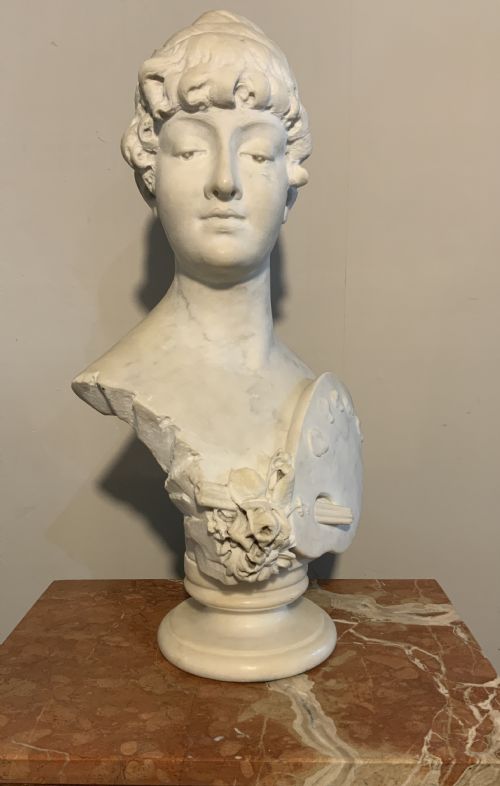
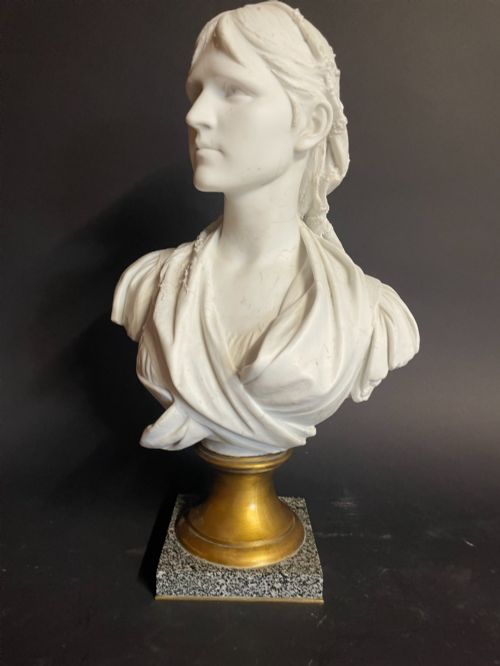
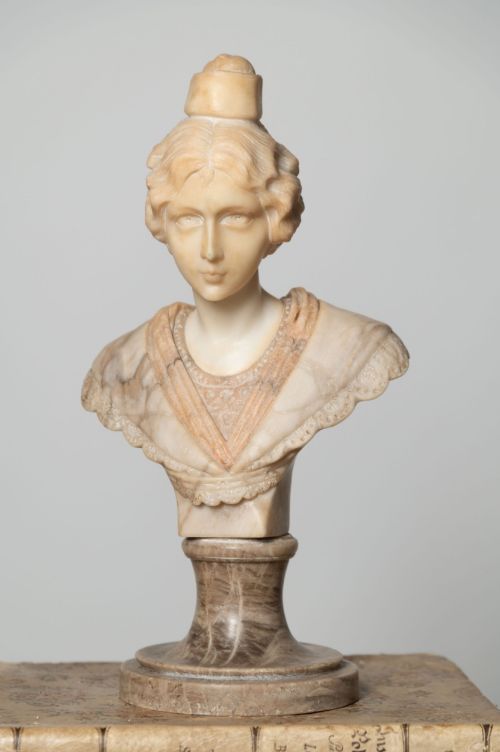
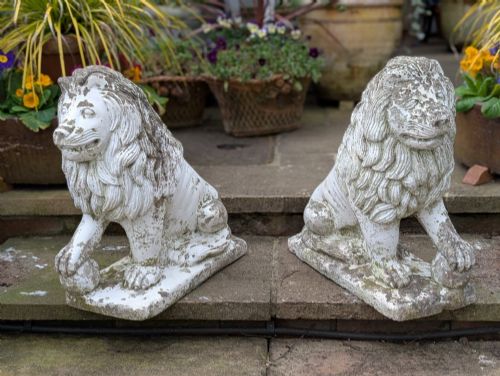
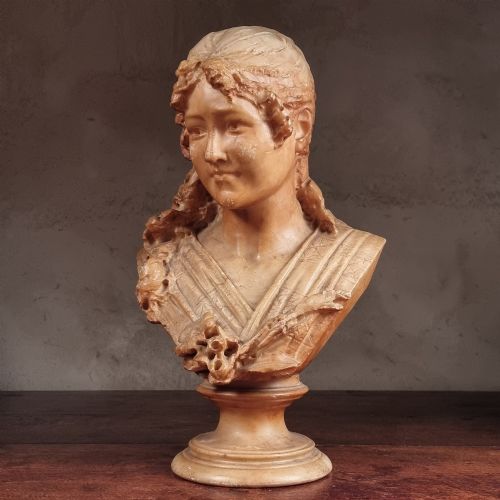
The objects take many forms, from life-sized garden figures and architectural lions to delicate alabaster busts of mythological muses, literary figures, and historical portraits. Italian workshops and French studios produced a large proportion of these pieces for travellers and collectors.
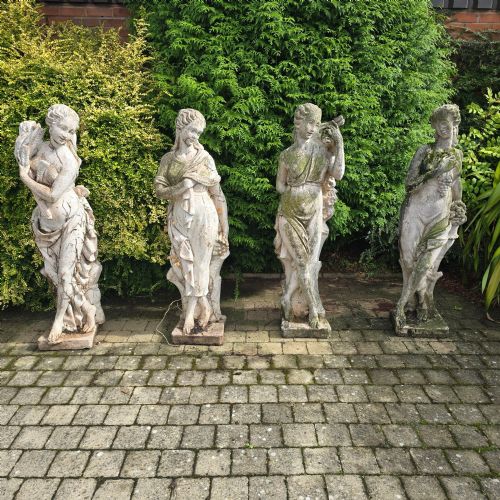
Buyers encounter both interior cabinet works, such as library busts of Dante or Shakespeare, and substantial exterior ornaments like reconstituted stone urns and seasonal garden figures. This variety allows collectors to furnish both interior rooms and landscape settings with historical subjects.
Materials and carving techniques
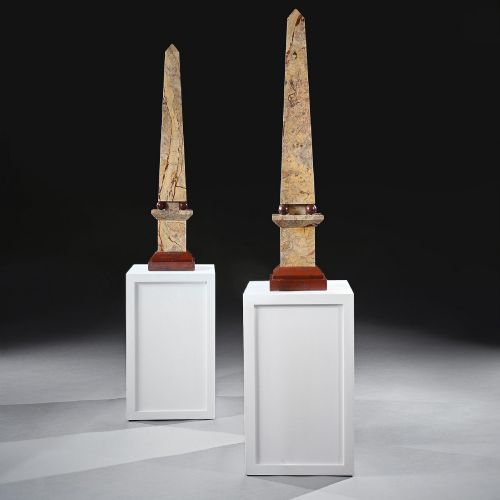
Sculptors utilised fine stones such as Carrara marble, alabaster, verdo prato, and serpentine, alongside multi-coloured stones like portasanta and rosso antico for architectural obelisks. These materials were worked by hand with chisels, rasps, and drills to achieve intricate drapery, hair, and facial expressions.
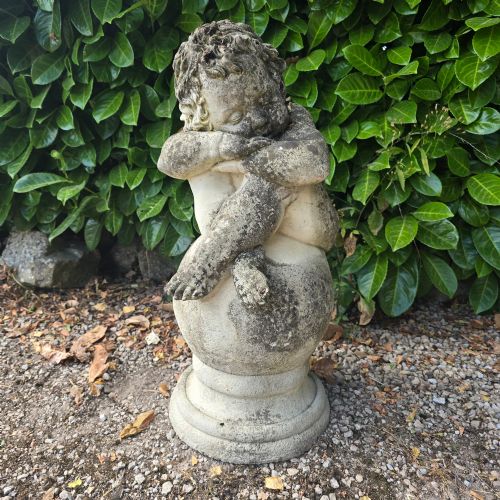
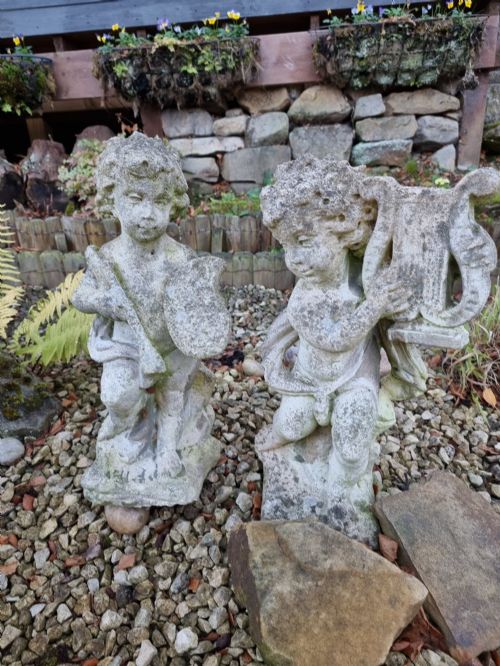
Exterior pieces and garden ornaments were frequently formed from cast stone, reconstituted stone, or concrete, poured into moulds to replicate carved textures and withstand weathering in outdoor environments.
Classical Stone Sculpture Retail Price Guide 2026
Typical asking prices for classical stone sculpture among the pieces listed under this phrase on Sellingantiques today, from the lower quarter to the upper quarter. They describe what is for sale here now, not the wider market.
Neoclassical and Grand Tour styles dominate the sculptural forms available on this page.
Evaluating sculptural quality
Barranti Florence·Hamo Thornycroft·Eugene Aizelin·J Francis·Raffaelo Monti·Carrier-Belleuse
The Classical Stone Sculpture Glossary
- Grand tour
- A cultural journey undertaken by wealthy young Europeans to visit continental art sites, acquiring small-scale sculptures and architectural models as souvenirs. These pieces often replicated famous classical antiquities found in Italian collections.
- Neoclassical
- An artistic movement drawing inspiration from the art and culture of classical Greece and Rome. This style prioritises symmetry, restraint, and mythological or historical subject matter.
- Carrara marble
- A type of white or blue-grey marble quarried in the city of Carrara in Tuscany, Italy. It has been utilised by sculptors since classical times for its fine, consistent grain.
- Alabaster
- A fine-grained, translucent stone that is softer than marble, frequently utilised for interior portrait busts and small figures. Its translucent quality allows light to penetrate the surface.
- Reconstituted stone
- A composite material made from crushed or natural stone aggregates mixed with a binder, moulded into specific architectural or garden ornaments. It offers durability while mimicking carved stone.
Classical Stone Sculpture: Frequently Asked Questions
Where should I place garden statues?
Position stone and cast stone garden ornaments in sheltered spots away from heavy tree drip to minimise staining and organic growth. Placing pieces on sturdy stone plinths or paved footings protects the base from rising damp and frost heave during winter months.
Ensure exterior figures are stable and level, particularly when set directly onto soil or gravel. During freezing weather, wrap vulnerable cast stone statues or move them under cover to prevent frost cracking.
How can I date a bust?
Examine the under-base, fixings, and tool marks for clues regarding manufacturing techniques and period. Nineteenth-century pieces often display hand-chiseled surfaces and traditional mounting pins, whereas twentieth-century works may show machine-assisted finishing.
Consider the subject matter, hairstyle, and clothing of the portrait, which frequently reflect the fashion of the era in which they were sculpted. Signatures, foundry stamps, and inscriptions provide definitive markers when traced against historical records.
What is a Grand Tour piece?
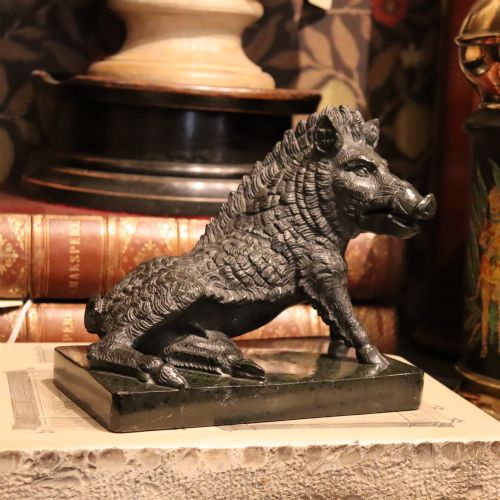
Grand Tour sculptures are miniature or reduced-scale replicas of famous classical antiquities, created in Italy during the eighteenth and nineteenth centuries. Travellers purchased these carved marble or bronze objects as tangible evidence of their cultural education abroad.
These pieces typically represent renowned statues from Roman and Florentine museums, executed by skilled local artisans. Their presence in a collection points directly to the history of nineteenth-century travel and collecting habits.