


Antique Marble Statuette
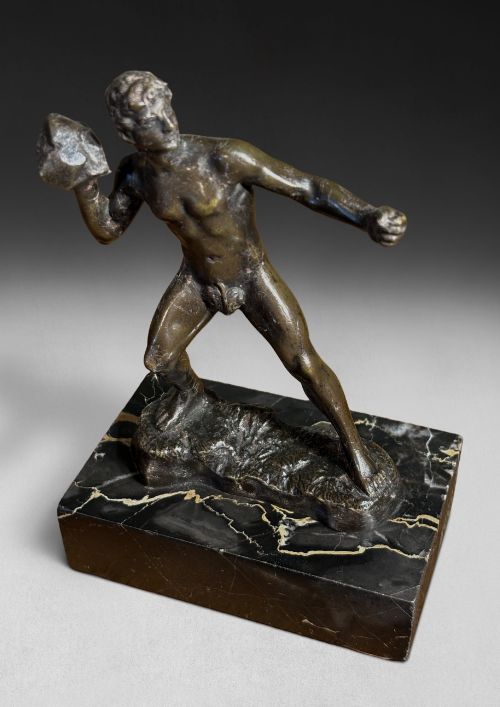
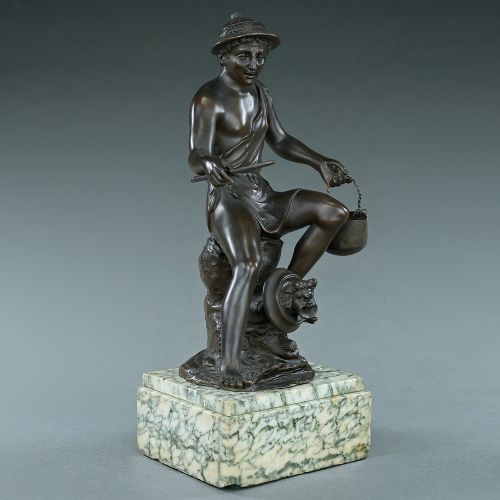
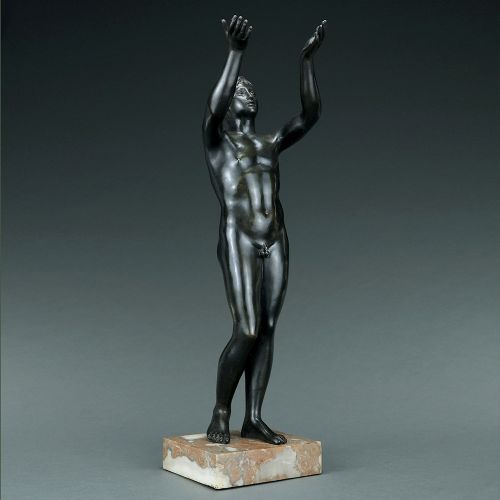
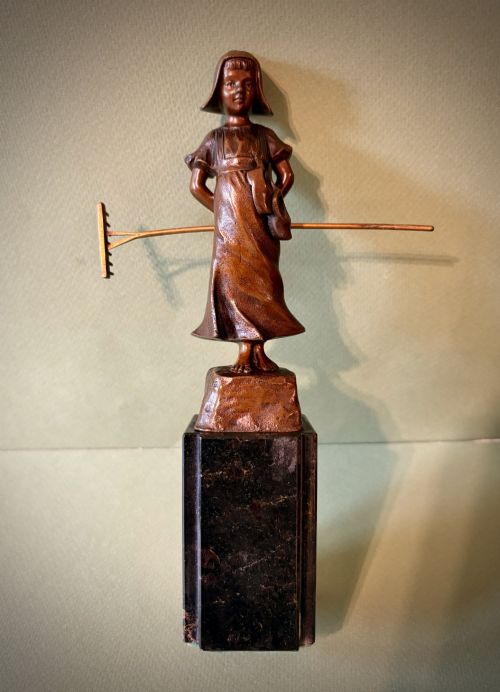
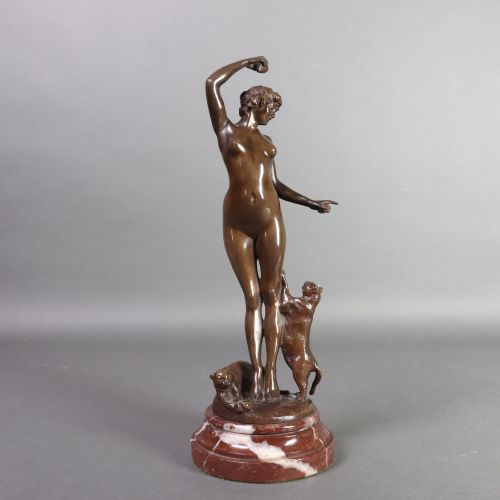
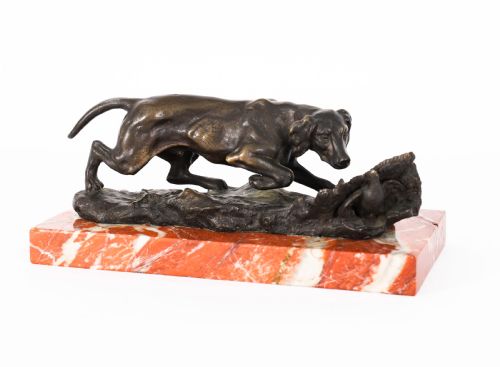
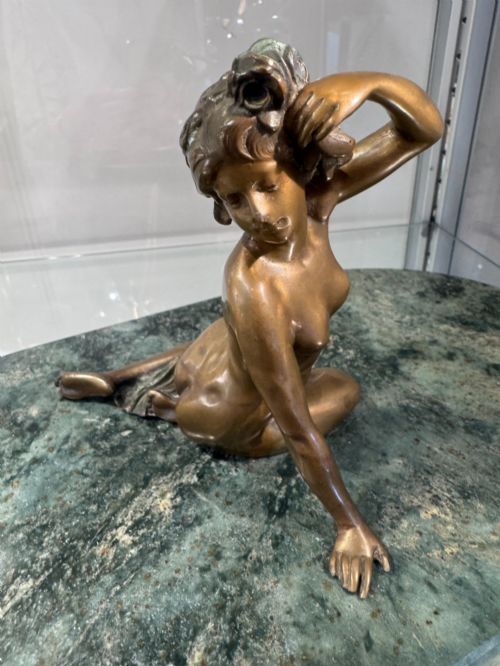
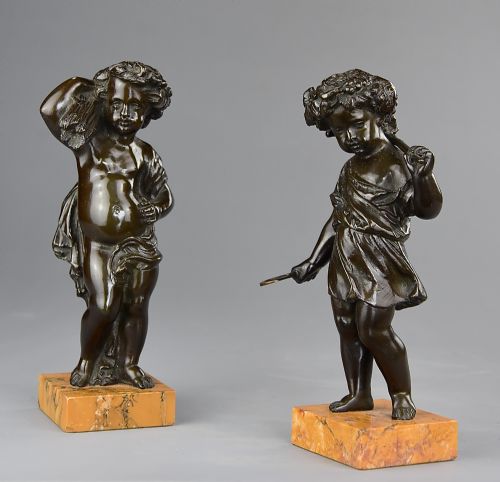
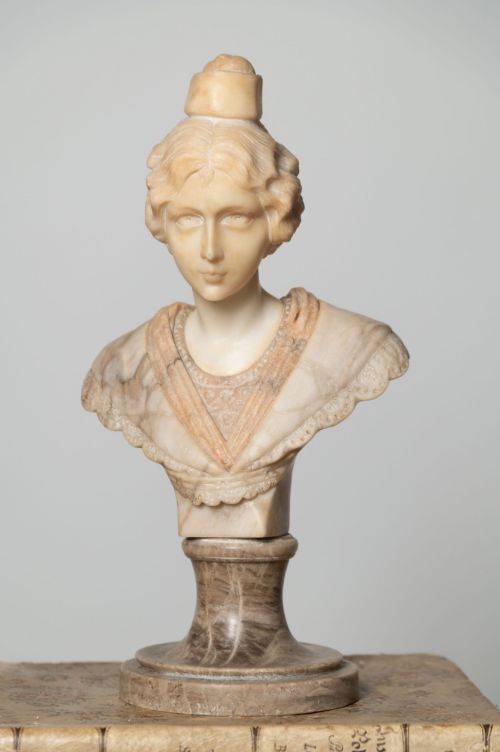
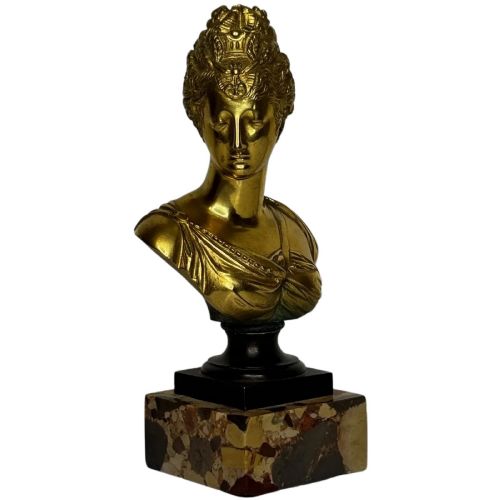
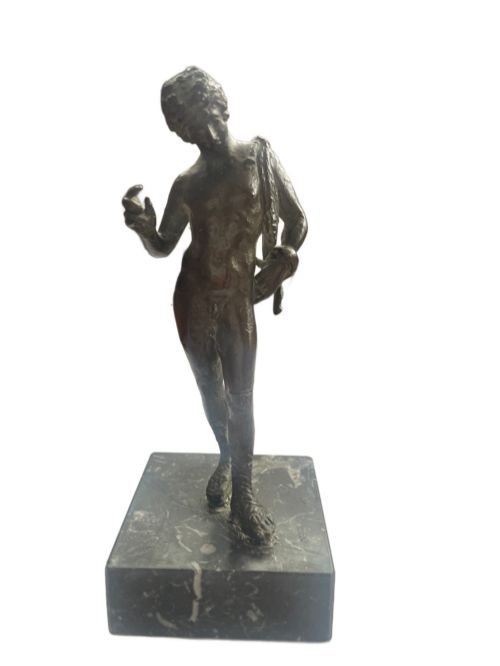
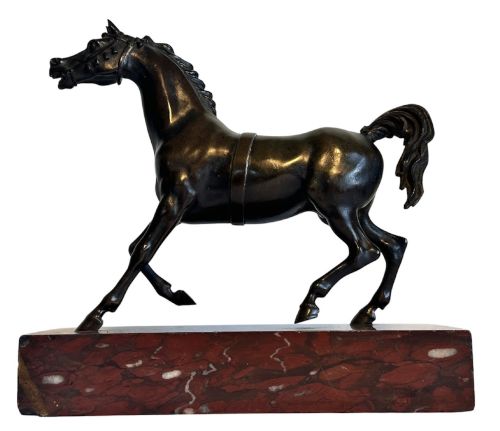
These antique marble statuette examples bring classical and decorative figures into domestic spaces, prized for their carved stone detail and metal contrast.
Antique Marble Statuette
An antique marble statuette brings carved stone and cast metal into domestic interiors, often pairing figures with heavy plinths or bases. The selection shows pieces originating primarily across the nineteenth and early twentieth centuries, spanning periods from Victorian Neoclassical to Art Deco.
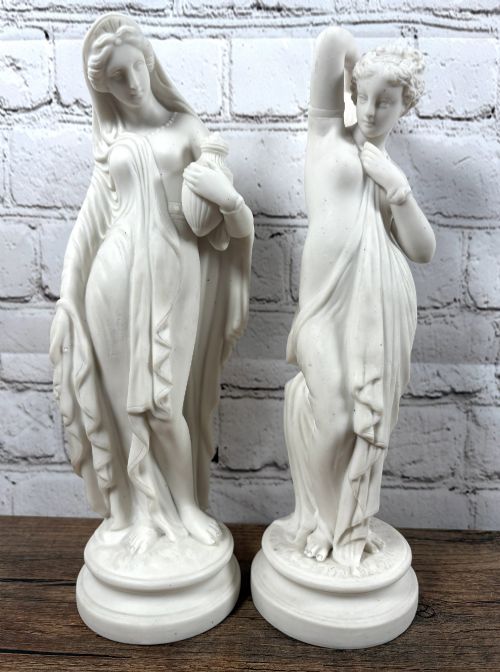
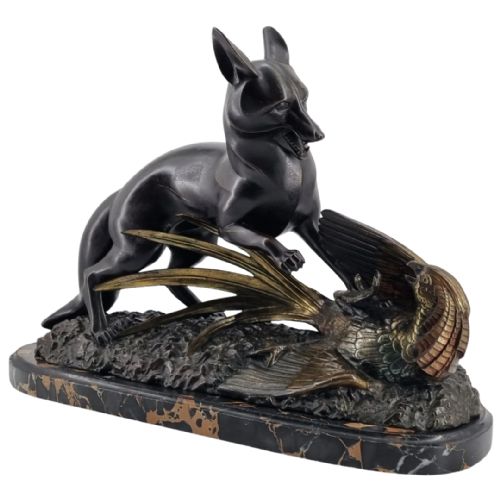
Buyers encounter subjects ranging from mythological figures and classical busts to animals and allegorical studies. Many works use marble simply as a stable architectural mount for bronze or alabaster subjects, while others feature carved stone as the primary medium of the figure itself.
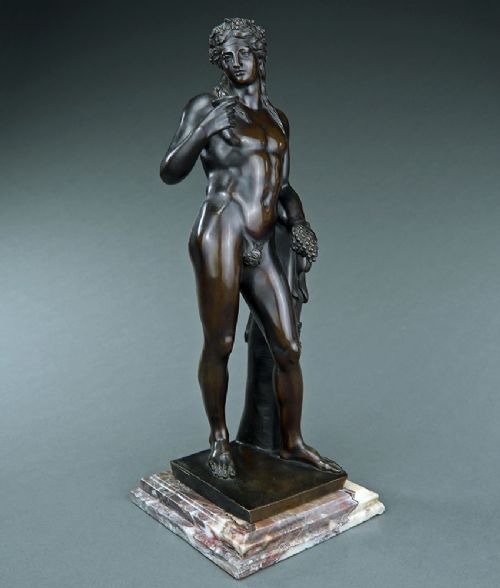
Grand Tour souvenirs form a distinct group within this search phrase, often depicting reduced copies of famous antiquities mounted on fossil marble or serpentine bases. These varied forms reflect both European travel traditions and changing artistic tastes from the eighteen-fifties through the nineteen-thirties.
How They Were Made
Makers shaped these statuettes using traditional foundry and carving methods, combining cast metals with worked stone. Bronze figures were cast using the lost-wax method or sand casting, then finished with patination, cold painting or gilt details.
Alabaster and marble components were hand-carved and polished to create smooth surfaces or contrasted matte textures. Individual elements were secured to stone plinths using threaded metal pins or hidden fixings.
Antique Marble Statuette Retail Price Guide 2026
Typical asking prices for marble statuette among the pieces listed under this phrase on Sellingantiques today, from the lower quarter to the upper quarter. They describe what is for sale here now, not the wider market.
Styles represented across the inventory include Art Deco, Grand Tour, Art Nouveau, Neoclassical, Animalier and French Rococo Revival.
What Varies in Quality
Quality rests in the precision of the carving and the crispness of the metal chasing. Superior works display naturalistic anatomy, fine facial expressions and clean detailing in drapery and hair.
The choice and preparation of the stone base also distinguish better examples. Dense fossil marble, polished serpentine and matched multi-part bases indicate higher production standards than plain utilitarian mounts.
Carl Kauba·Bruno Zach·Ferdinand Preiss·Hans Müller·Antonio Canova·Georges Van Der Straeten·Fritz Kochendorfer·Demetre H. Chiparus
The Antique Marble Statuette Glossary
- Grand Tour
- A traditional trip through Europe undertaken by upper-class scholars and collectors to view classical antiquities. Statuettes purchased on these travels often replicated famous Roman or Greek sculptures.
- Animalier
- A nineteenth-century artistic focus on the realistic depiction of animals. Sculptors in this tradition studied anatomy closely, capturing creatures in motion or repose.
- Patination
- The surface coloration and finish applied to bronze or metal through chemical treatment or natural ageing. A well-preserved patina enhances the depth of sculptural details.
- Serpentine
- A dark green or mottled mineral stone often used for decorative bases and architectural elements. It polishes to a smooth, lustrous finish.
- Cold Painted
- A method where enamel or oil paint is applied to cold bronze without subsequent firing. This technique was popular in Austrian workshops during the late nineteenth and early twentieth centuries.
Antique Marble Statuette: Frequently Asked Questions
What periods do these pieces date from?
The listings span the nineteenth century through the early twentieth century, encompassing periods like the Victorian era, Art Nouveau and Art Deco.
Dates are supported by stylistic markers, costume details and documented foundry production periods.
How were these figures displayed originally?
Many statuettes served as desk ornaments, mantelpiece decorations or cabinet displays in nineteenth-century homes. Grand Tour souvenirs commemorated travels and demonstrated classical learning.
Larger figures often required dedicated pedestals or heavy tables to support their stone bases.
Are the bases original to the sculptures?
Most antique bronze and alabaster figures were paired with their stone plinths during initial manufacture, particularly Grand Tour and animalier works. The marble or serpentine base provided both physical stability and visual weight.
Screws or pins securing the figure to the stone are typically consistent with period assembly methods.
How do I care for marble and bronze?
Dust marble and stone surfaces gently with a soft, dry cloth without applying water or chemical cleaners. Bronze patinas require minimal maintenance beyond keeping them away from direct moisture and humidity.
Avoid abrasive cloths that can damage delicate cold-painted surfaces or polished stone.