


Vintage Garden Statues
Vintage garden statues bring character and classical presence to outdoor spaces, ranging from stone lions to lead cherubs.
Vintage Garden Statues
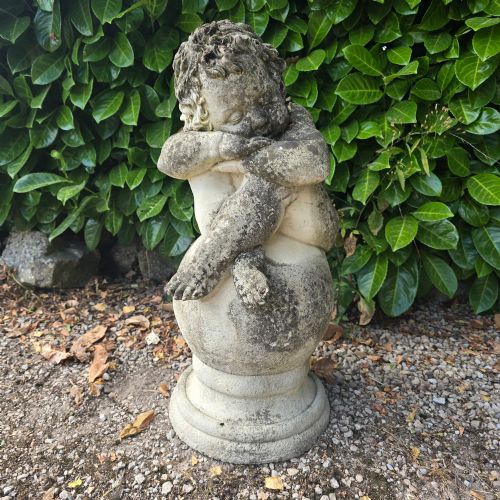
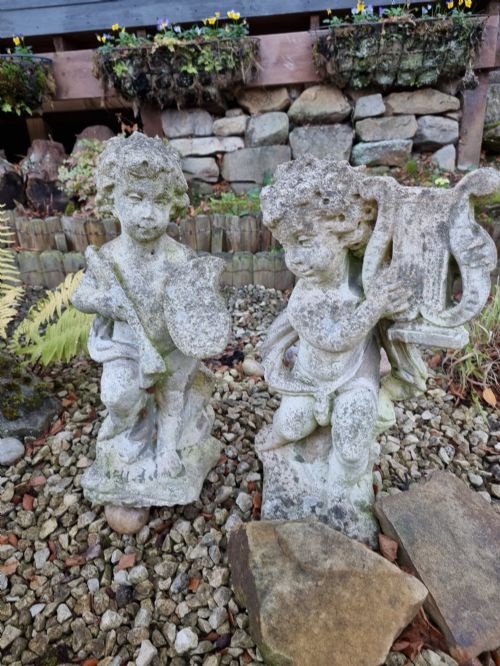
Vintage garden statues comprise figures, animals, busts, and bird baths designed to stand outdoors in gardens, courtyards, and terraces. The pieces encountered here span from the nineteenth century through the mid twentieth century, drawing on neoclassical and traditional English country house styles.
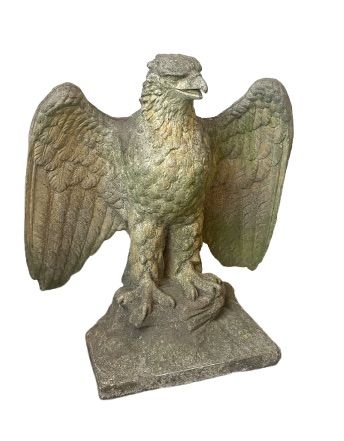
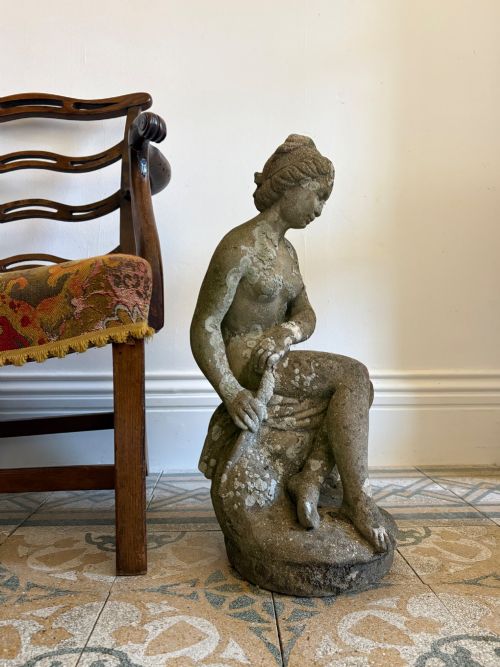
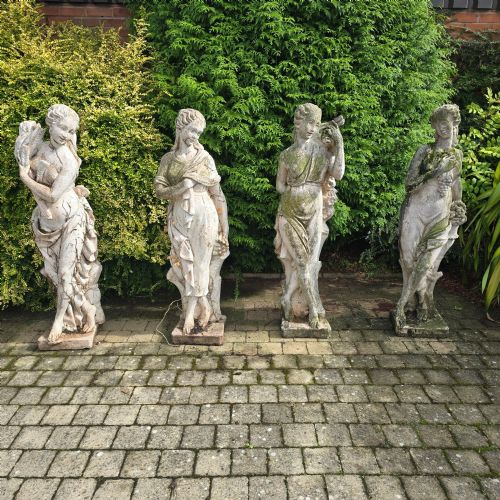
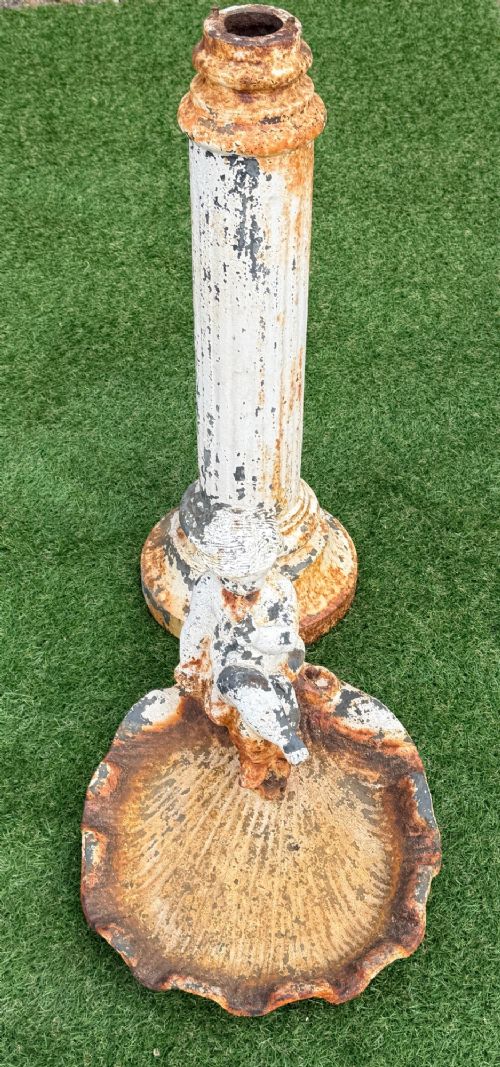
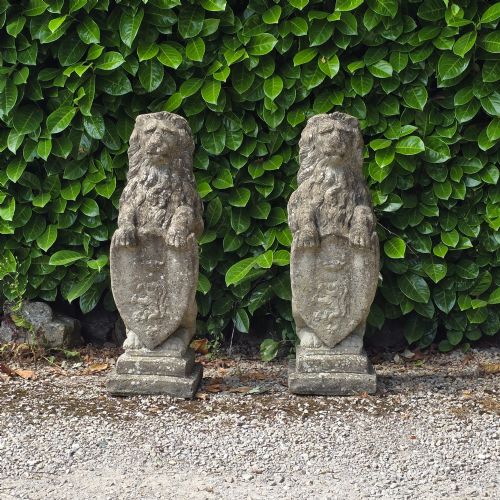
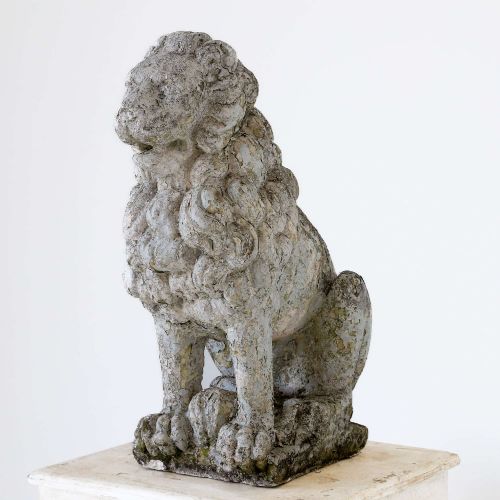
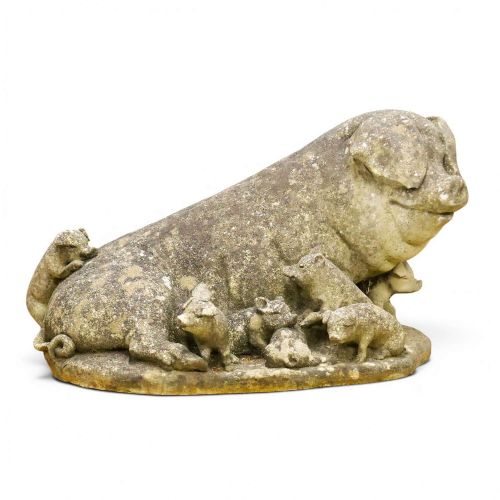
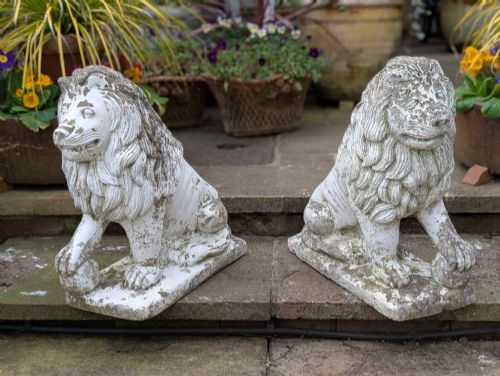
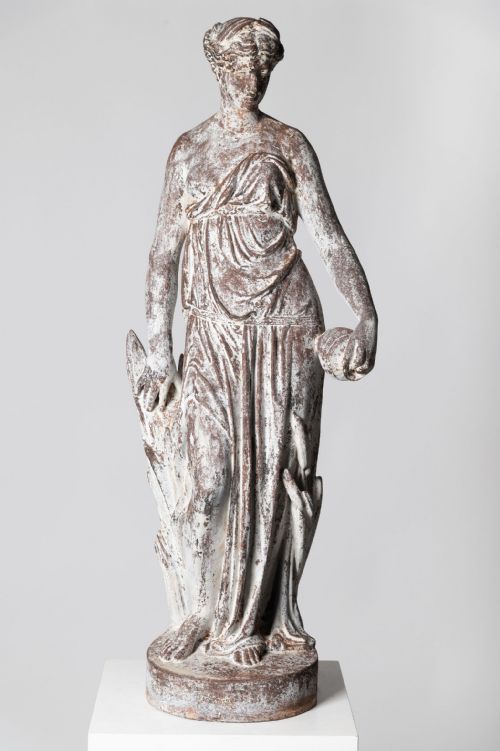
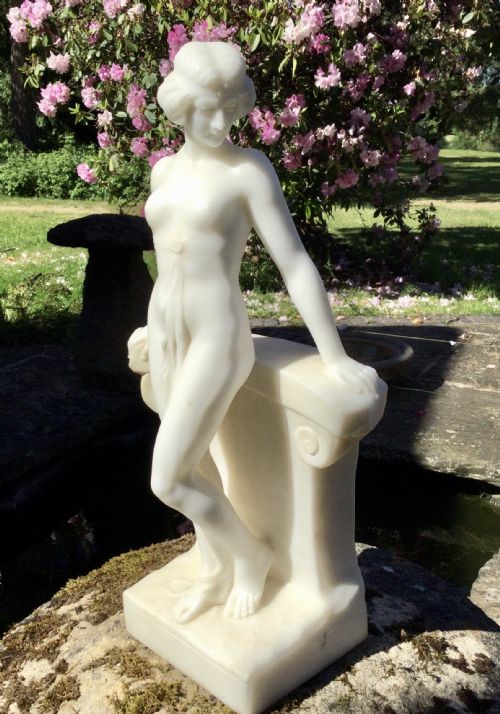
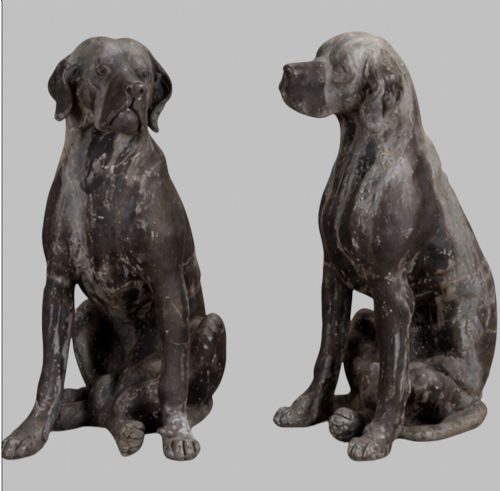
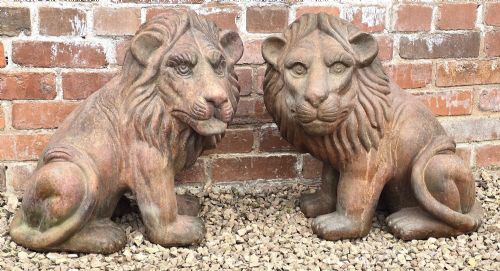
Lions, cherubs, and classical figures dominate the selection, often supplied as matching pairs meant to flank pathways or entranceways. Animal forms extend beyond lions to include hounds, pigs, eagles, geese, and owls, alongside human representations such as the Four Seasons and mythological figures.
Many examples sit upon dedicated stone plinths or columns that elevate the sculpture and lend architectural weight. Materials range from cast and reconstituted stone to heavy metals and terracotta, each adapting differently to outdoor weathering over decades.
How they were made
Foundries and workshops utilised durable casting methods for iron, lead, and bronze, pouring molten metal into detailed moulds to capture hair, drapery, and feathers. Cast iron pieces often originated from established foundries like Val d'Osne, while lead figures were cast with thick walls to withstand outdoor exposure.
Stone statues rely heavily on cast stone, composite stone, and reconstituted stone, where crushed aggregate mixes with binders and is pressed into moulds. Hand sculpted terracotta and carved marble appear alongside these cast pieces, offering finer organic textures modelled by hand before firing or carving.
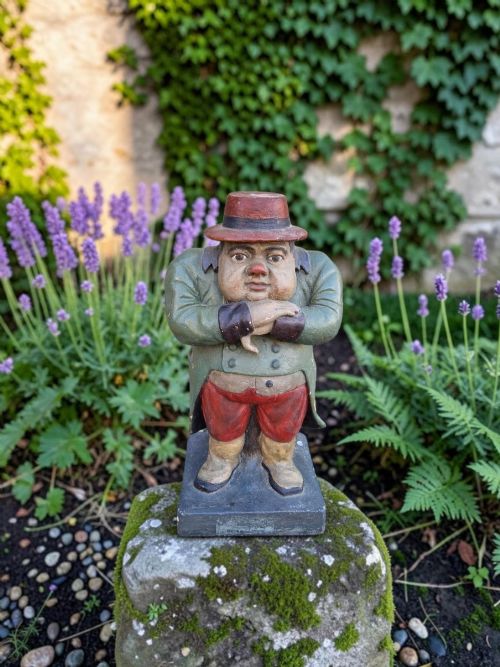
Surface finishes include original old paint and applied patinations that age outdoors. Natural weathering agents over decades soften the sharpness of new stone and metal, developing moss, lichen, and oxidised patinas across the surfaces.
Vintage Garden Statues Retail Price Guide 2026
Typical asking prices for vintage garden statues among the pieces listed under this phrase on Sellingantiques today, from the lower quarter to the upper quarter. They describe what is for sale here now, not the wider market.
The vintage garden statues listings feature periods from the 1850s to the 1950s, including Victorian and early 20th century examples.
What varies in quality
Model fidelity and anatomical proportion separate standard garden ornaments from superior sculptural works. Finer pieces display crisp casting detail in facial expressions, musculature, and drapery folds, whereas lesser examples lose definition in the mould.
Substance and material density dictate the longevity and visual authority of a piece. Solid lead, heavy cast iron, and dense reconstituted stone carry physical presence and resist frost damage far better than porous, lighter compositions.
The integrity of matching pairs and original supporting elements alters the standing of a statue. Matched pairs with uniform weathering and original plinths hold greater visual balance than assembled mismatched groups.
The Vintage Garden Statues Glossary
- Reconstituted stone
- A manufactured material made from crushed stone aggregate mixed with cement and water, then poured into moulds to create garden ornaments. It weathers in a manner similar to natural stone.
- Cast iron
- Iron melted and poured into a mould to form rigid architectural elements and statues. Foundries like Val d'Osne produced ornate examples for nineteenth-century gardens.
- Okimono
- Japanese decorative objects designed for display, including bronze geese figures placed in landscape settings. They bring a distinct sculptural tradition to Western gardens.
- Plinth
- A heavy stone or concrete base block that elevates a bust or statue above ground level. Plinths add architectural height and protect the sculpture from ground moisture.
- Medici lion
- A classical representation of a lion guarding a sphere or paw resting on an orb, modelled after the ancient Roman marble sculptures in Florence. Pairs frequently flank formal gates.
Vintage Garden Statues: Frequently Asked Questions
How do I protect stone statues in winter?
Most cast stone and reconstituted stone pieces withstand normal winter conditions if they sit on footings that prevent rising damp. Placing dense covers or moving smaller items under shelter protects porous surfaces from severe freeze-thaw cycles.
Heavier metal and lead statues require very little winter maintenance beyond clearing away heavy snow and falling leaves to prevent moisture retention against the material.
Are cast iron statues prone to rusting?
Cast iron develops an outer layer of oxidation when exposed to rain and garden humidity, which forms part of the traditional weathered finish. Historic pieces often received protective paint coatings to seal the metal against deep corrosion.
Applying specialised outdoor metal paints or stabilising oils helps maintain iron garden ornaments where the original paint has worn away through decades of exposure.
How can I date a vintage garden statue?
Dating relies on identifying manufacturing materials, foundry marks, and stylistic traits associated with specific periods like the Victorian era or the 1930s. Cast iron pieces sometimes carry registry or foundry stamps near the base that narrow down their production origin.
Surface patination and weathering patterns also offer clues, though artificial ageing must be distinguished from genuine decades of outdoor exposure.
Can heavy statues be placed directly on soil?
Placing heavy stone or iron statues directly onto bare soil causes the base to sink unevenly over time as earth shifts and absorbs moisture. Setting statues on paved pads, gravel beds, or dedicated stone plinths ensures stability and prevents ground-level damp from rising into the stone.