


Outdoor Stone Ornaments
Outdoor stone ornaments bring character to paths and lawns, ranging from classical figures to staddle stones that have weathered over decades.
Outdoor Stone Ornaments
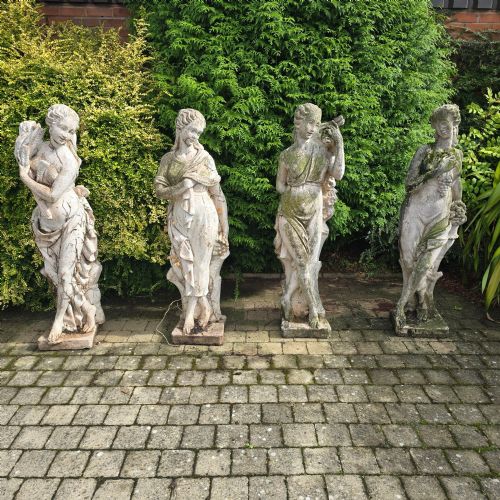
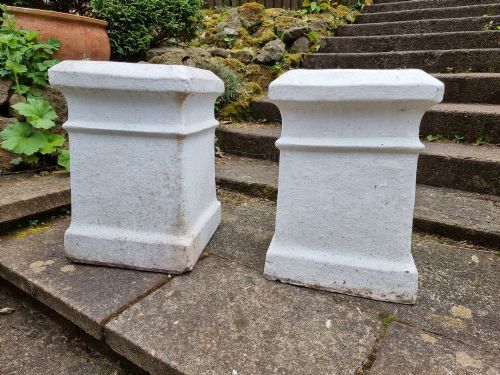
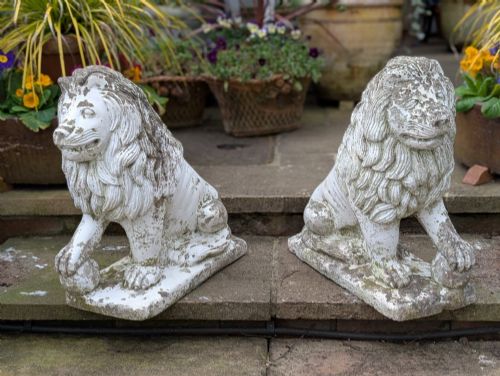
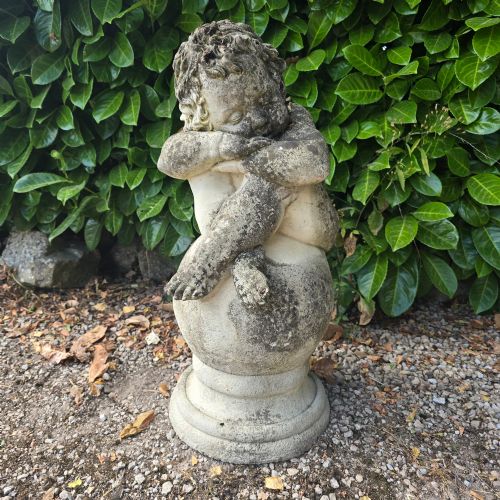
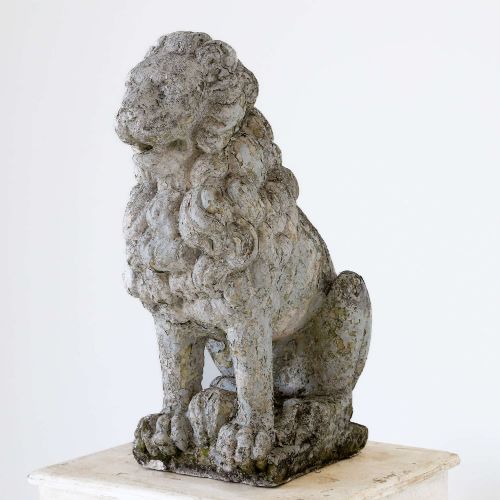
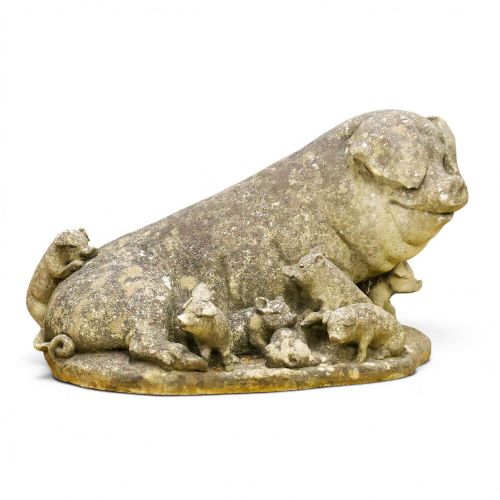
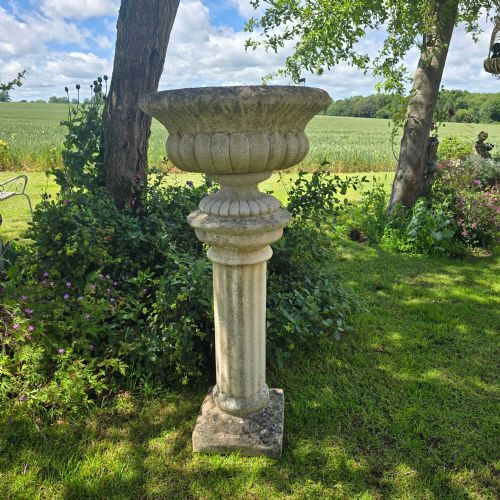
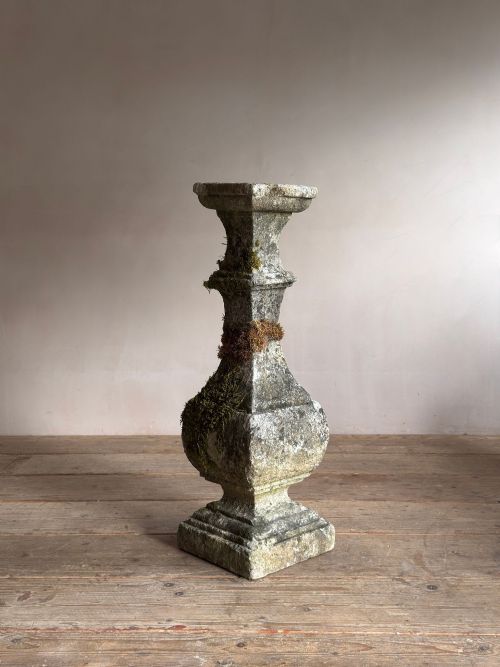
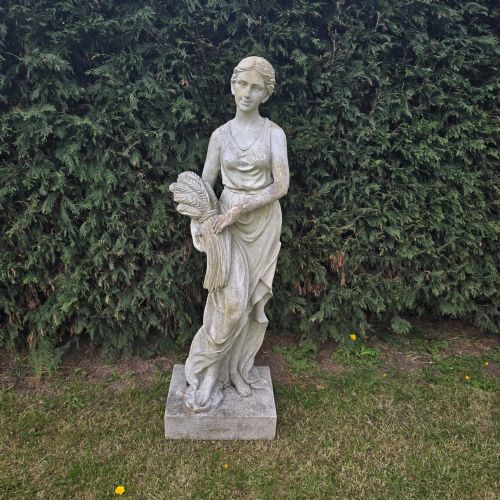
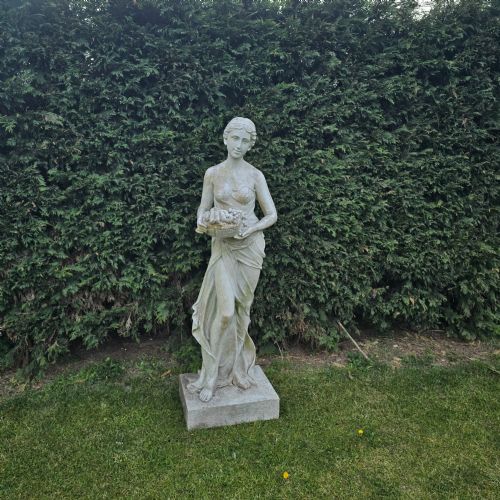
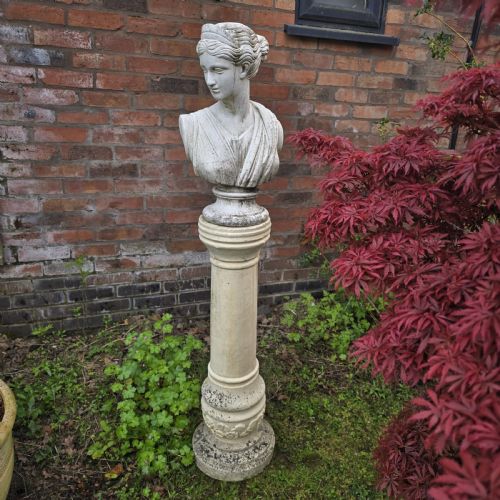
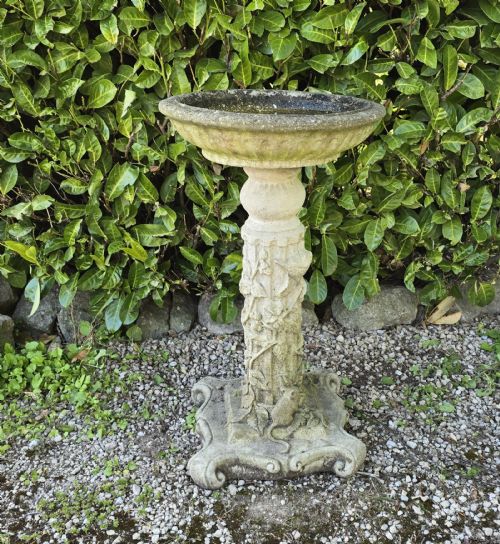
When you search for outdoor stone ornaments, you encounter a diverse mix of garden statuary, urns, bird baths, and staddle stones originating from the eighteenth century up to the mid-twentieth century. The selection includes architectural elements like campana urns and gate post finials alongside figurative works such as cherubs, lions, and classical figures.
You are most likely to meet twentieth-century pieces, particularly from the 1930s and 1950s, cast in reconstituted or composite stone. These sit alongside older nineteenth-century examples and eighteenth-century granite or limestone items designed for traditional English and European gardens.
Materials and Techniques
The pieces are fashioned from durable materials suited to external environments, including natural stone such as limestone, sandstone, granite, and marble, as well as cast alternatives like reconstituted and composite stone. Some items retain traces of original old paint or salt glaze finishes applied to the surface.
Makers utilised casting techniques in moulds for composite and reconstituted stone figures and urns, while traditional items like staddle stones and campana forms show carved stonework or shaped iron construction.
Listings feature periods spanning from the 18th century to 1950, utilising materials including natural stone, terracotta, and cast composite.
Assessing the Pieces
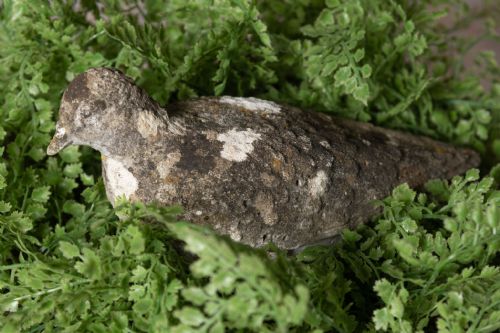
The natural weathering process also dictates appeal, where organic growth such as moss and lichen integrated evenly across the stone surface enhances the visual depth of Victorian and twentieth-century examples.
The Outdoor Stone Ornaments Glossary
- Staddle Stone
- A mushroom-shaped stone support formerly used to elevate granaries and hayricks off the ground to keep grain dry and away from vermin. These typically feature a tapered base and a rounded cap.
- Campana Urn
- A bell-shaped garden vessel with an everted rim, often mounted on a pedestal. This classic classical form derives from ancient Roman bronze and marble wine vessels.
- Reconstituted Stone
- A manufactured material made from crushed stone or aggregate mixed with cement and water, then poured into moulds. It offers a durable alternative to quarried stone for garden ornaments.
- Finial
- An ornamental architectural feature placed at the apex of a wall, post, or gate pier. Lions and spheres frequently serve this purpose in garden settings.
- Armillary Sphere
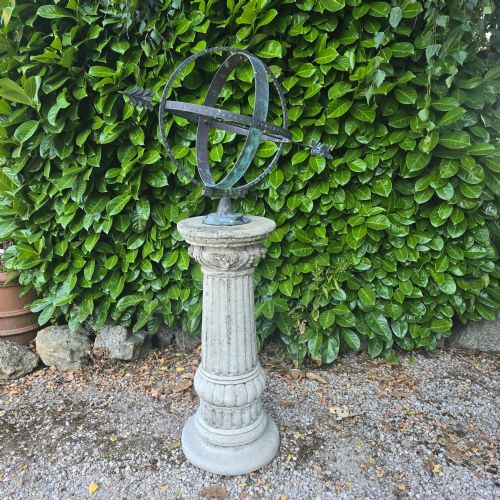
- An astronomical model of the celestial sphere consisting of a skeletal framework of rings centred on the Earth or sun. Garden versions function as decorative sundials.
Outdoor Stone Ornaments: Frequently Asked Questions
How do I clean an outdoor stone ornament?
Most weathered stone ornaments require only gentle washing with water and a soft brush to remove excess dirt while preserving the aged patina and moss.
Avoid harsh chemical cleaners or pressure washers, which can erode the surface of softer cast or reconstituted stone.
Are these ornaments frost resistant?
Many items made from granite, limestone, and quality cast stone withstand cold weather well due to their dense composition.
However, extreme frost can occasionally affect pieces with retained moisture, so vulnerable items benefit from being sheltered during severe winter conditions.
How do I date a garden statue?
Dating relies on material composition, tooling marks on natural stone, stylistic revival periods such as Gothic or Neoclassical, and the extent of natural weathering.
Makers' marks or specific casting techniques associated with the nineteenth and early twentieth centuries also provide clear chronological clues.