


Vintage Stone Lion Sculptures
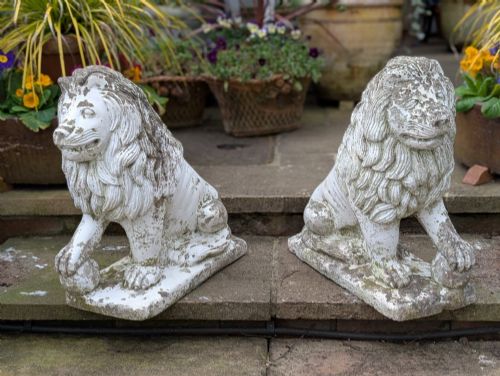
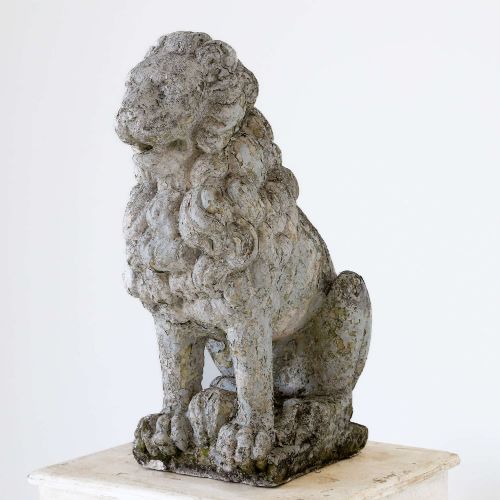
Vintage stone lion sculptures bring weight and authority to a garden, appearing here as garden statuary, architectural finials, and heavy interior ornaments.
Vintage Stone Lion Sculptures
When you search for vintage stone lion sculptures, you are looking at figures designed to guard gates, terraces, and interiors from the nineteenth and twentieth centuries. These pieces range from substantial pairs meant for outdoor display to smaller carved and cast objects for desks and bookshelves.
The versions you are most likely to meet on this page include pairs of seated or standing guardians in cast and reconstituted stone, alongside nineteenth century terracotta and marble examples. Garden statuary forms the bulk of the selection, reflecting traditional and neoclassical tastes.
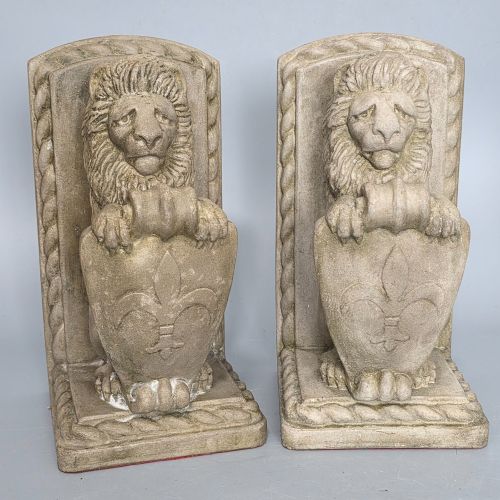
Makers and workshops across Britain and Europe produced these figures to echo classic architectural motifs, resulting in garden statuary and post finials that show weathering from decades outdoors. Interior pieces such as bookends and desk accessories also appear, utilising lighter materials like alabaster and soapstone.
How they were made
Many of these pieces rely on cast stone and reconstituted stone, poured into moulds to capture sharp neoclassical detail while offering durability for outdoor use. Nineteenth century examples often employ hand-carved marble or fired terracotta, showing the direct touch of the sculptor or potter.
Surface treatments play a significant role in the finish, with original old paint and natural weathering altering the appearance of the material over decades. Softer stones such as alabaster and soapstone are shaped with finer hand tools for interior display.
Several lions double as guardians of literature, holding up books on shelves rather than standing watch over grand carriage gates.
What varies in quality
The integrity of the material itself creates a divide, as dense marbles and well-cured cast stones hold their edge through weathering far better than inferior composites. Original surface patination adds further distinction, showing honest age rather than flat, modern repainting.
The Vintage Stone Lion Sculptures Glossary
- Reconstituted stone
- A durable material made from crushed stone and a binder, moulded into architectural ornaments and garden figures. It mimics natural quarried stone at a more accessible scale.
- Finial
- A decorative ornament fixed to the top of a gatepost, wall, or balustrade to provide a formal termination. Lion finials traditionally act as symbolic guardians.
- Neoclassical
- A style drawing on classical Greek and Roman art, popular in nineteenth century sculpture and architecture. It emphasises symmetry, proportion, and dignified restraint.
- Shi Shi
- A traditional East Asian guardian lion figure, often carved from soapstone or jade. These figures are typically depicted protecting sacred spaces.
- Terracotta
- Fired clay used extensively for large garden sculptures and architectural ornaments. Its reddish-brown tone weathers distinctly outdoors.
Vintage Stone Lion Sculptures: Frequently Asked Questions
Where should I place a stone lion?
Large pairs of stone lions suit garden entrances, gate piers, and terrace steps where they act as traditional architectural guardians. Smaller examples, such as bookends or desk seals, fit comfortably inside on studies and mantelpieces.
Weathered cast stone and terracotta need a stable, well-drained outdoor base to prevent moisture damage during winter months. Interior pieces require only a stable surface away from direct heat sources.
How do I clean an outdoor lion?
Gentle brushing with water and a soft-bristled brush removes accumulated dirt and organic growth without damaging the stone surface. Avoid harsh chemical cleaners and pressure washers, which strip away historical patination and erode the material.
Allowing some weathering to remain on garden statuary preserves its character and shows its age. Overzealous cleaning can expose raw stone and disrupt the natural finish.
Are these sculptures weatherproof?
Most cast stone, reconstituted stone, and terracotta pieces are designed for outdoor placement and withstand normal seasonal weather. However, freezing water trapped in porous stone can cause cracking during severe frosts.
Alabaster, soapstone, and painted interior objects should remain indoors to protect them from moisture and extreme temperature shifts. Checking the specific material helps determine whether a piece belongs inside or outside.
How can I tell the period?
Stylistic clues such as neoclassical proportions, tool marks, and the type of stone point toward nineteenth or twentieth century origins. The presence of original old paint or deep lichen growth often indicates decades of outdoor exposure.
Comparing the casting sharpness with documented periods helps narrow down the date of manufacture. Heavier marble and terracotta pieces frequently align with nineteenth century production methods.