
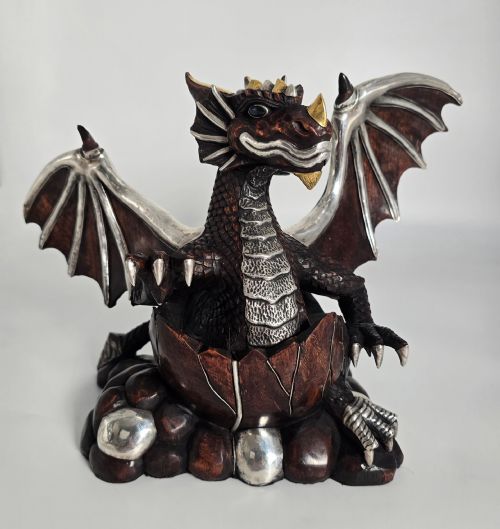
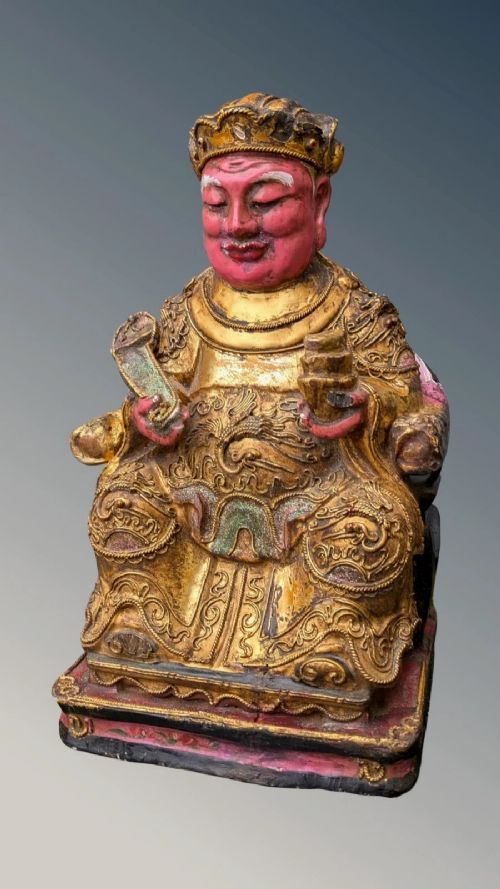
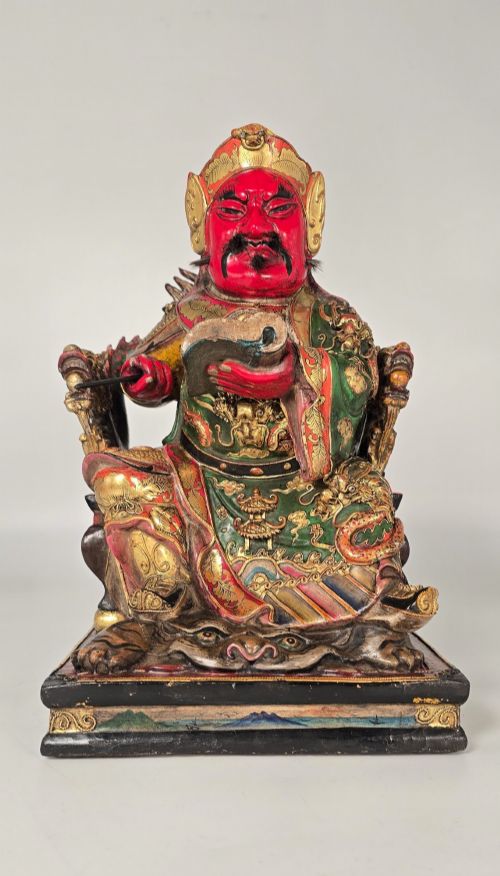


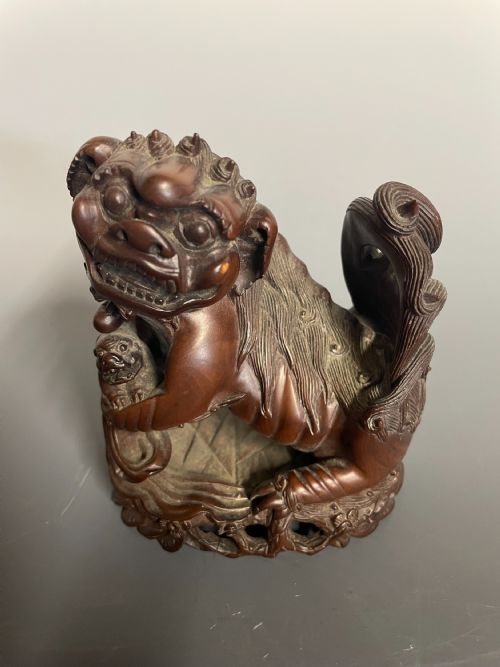
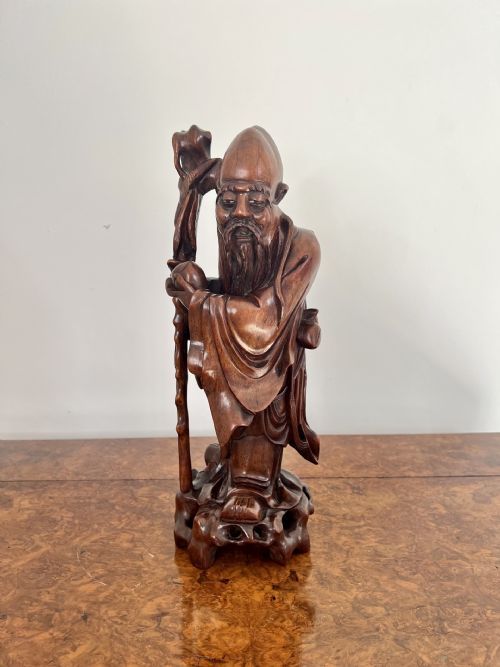
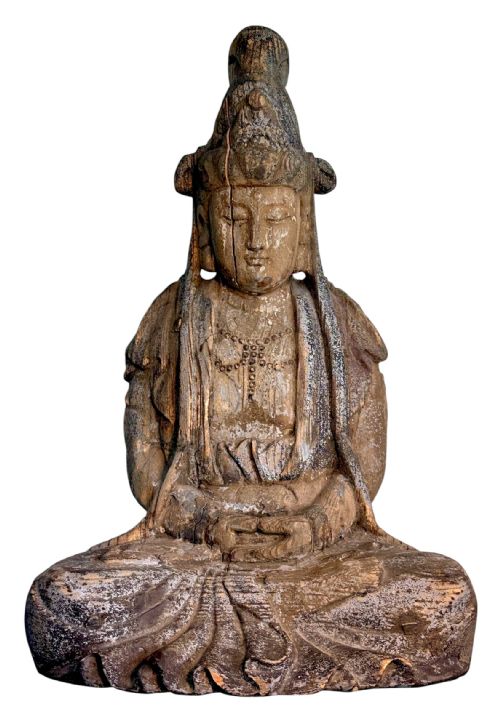
Chinese Wooden Figure
A chinese wooden figure carries centuries of sculptural tradition in hardwood, root wood, and gilt lacquer.
Chinese Wooden Figure
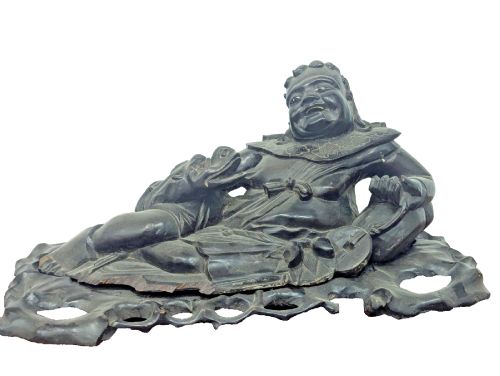
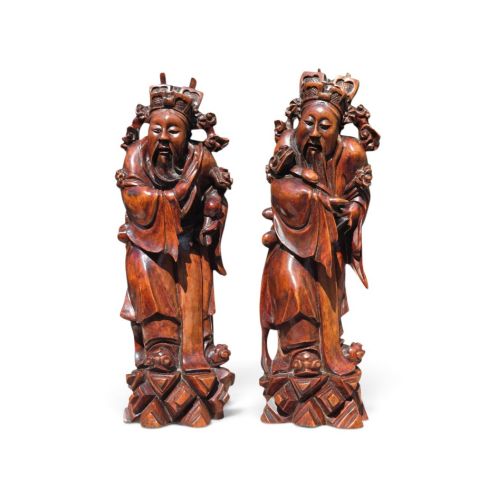
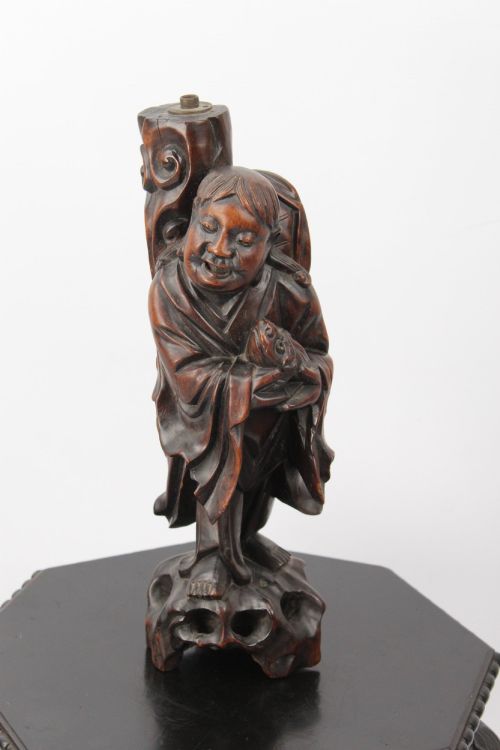
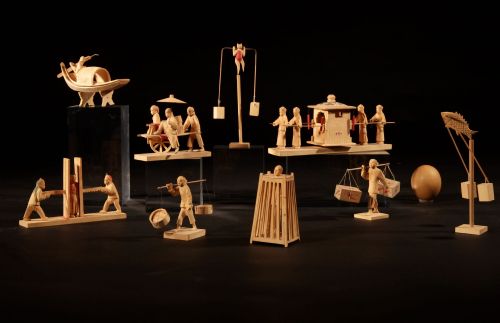
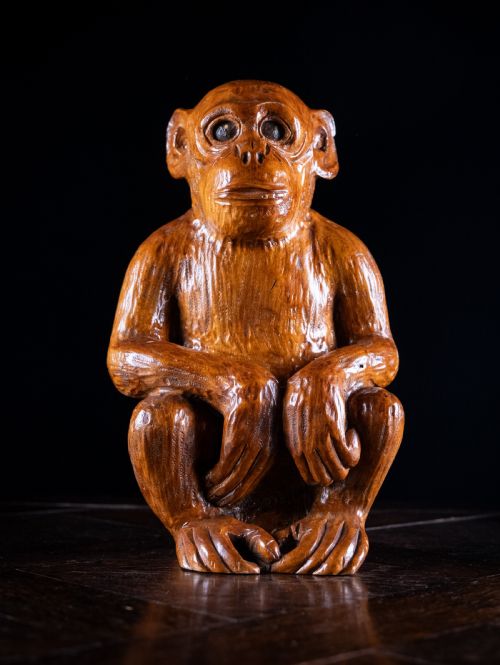
A chinese wooden figure represents deities, immortals, scholars, and animals carved during the Qing dynasty and the early twentieth century. These sculptures range from small table carvings to monumental temple guardians created in traditional styles.
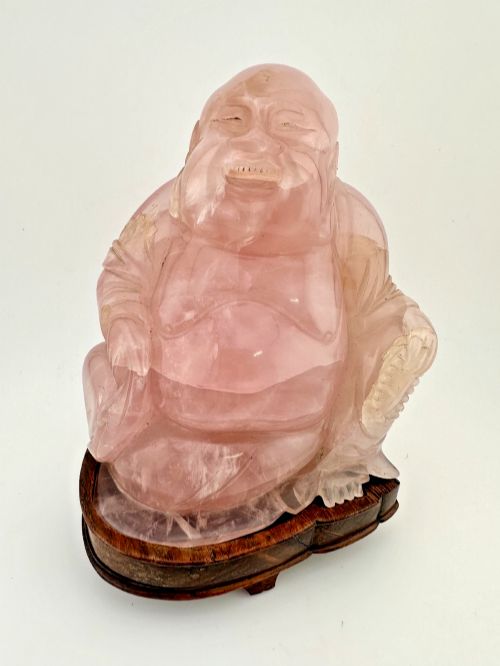
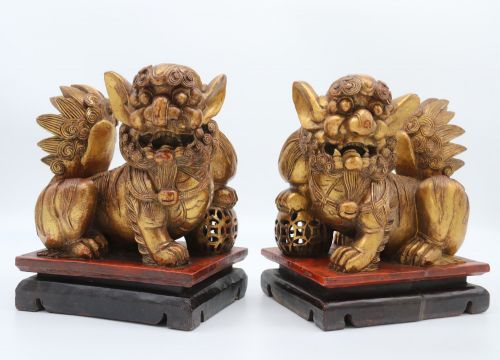
Buyers frequently encounter hardwood figures depicting figures such as Budai, Daoist immortals, and Foo dogs alongside root wood carvings of scholars and fishermen. Many examples originate from the nineteenth century and combine intricate hand carving with regional folk art traditions.
How they were made
Carvers utilised dense indigenous timbers including hardwood, boxwood, and burr root wood to shape detailed anthropomorphic and animal subjects. Natural root formations dictated the organic postures of scholars and mythical beasts.
Surface decoration frequently involved layers of lacquer, gold leaf, and polychrome paint applied over carved wood. Artisans also incorporated brass mountings and inlay details to accentuate garments and ritual objects.
Listings span periods from the seventeenth century through the early twentieth century, featuring hardwood, root wood, and polychrome finishes.
What varies in quality
The sculptural depth and anatomical proportion of the carving separate standard workshop pieces from superior works. Master carvers exploited the grain of the hardwood to define facial expressions and the folds of robes with precision.
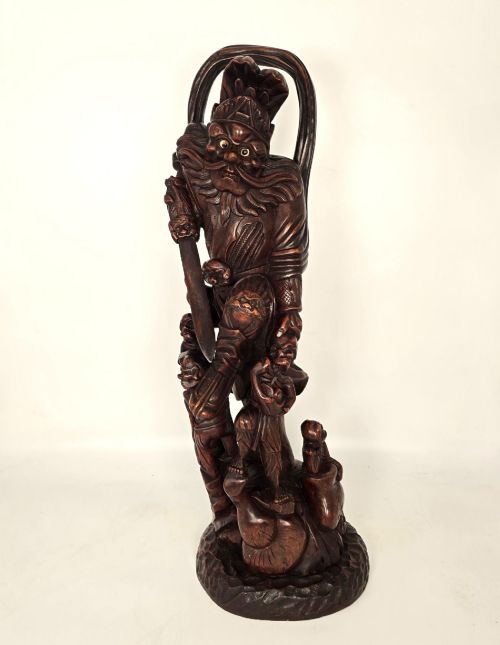
The preservation of original surface finishes, including polychrome paint and gilding, dictates the desirability of temple figures and deities. Intricate undercutting and dynamic composition distinguish monumental sculptures from simpler productions.
The Chinese Wooden Figure Glossary
- Budai
- A representation of the laughing monk associated with contentment and abundance. He appears frequently in hardwood and root wood carvings.
- Foo Dog
- A traditional guardian lion depicted protecting sacred spaces. Pairs of these mythical creatures appear often in carved wood and stone.
- Root Wood
- Timber shaped by the natural contours of tree roots and burl growths. Carvers adapted these organic forms to create figures of scholars and immortals.
- Lokapala
- A heavenly king or temple guardian sculpture standing watch. These monumental figures display detailed armour and expressive postures.
Chinese Wooden Figure: Frequently Asked Questions
What periods do these wooden figures come from?
Most surviving examples date from the nineteenth century and the early twentieth century, spanning the Qing dynasty and the early Republic period. Earlier temple figures originating from the seventeenth century occasionally appear in collections.
Craftsmen produced these sculptures across various regional workshops adhering to traditional Chinese artistic conventions and folk art styles.
How were these wooden figures used originally?
Many figures served as objects of devotion within temples and household altars to honour deities, Buddhist immortals, and civil officials. Others functioned as decorative scholar items placed on desks or within traditional interiors.
Larger guardian figures stood at structural entryways to provide spiritual protection, while animal carvings represented symbols of longevity and prosperity.
How do I care for an antique wooden carving?
Keep wooden sculptures away from direct sunlight and sudden shifts in temperature to prevent the timber from splitting. Dust the carved surfaces gently with a dry, soft brush rather than using liquid cleaning products.
Stable indoor humidity preserves both the integrity of the hardwood and any delicate applications of gold leaf or lacquer.
What materials were used besides plain wood?
Many sculptures feature applied finishes including gold leaf, hand-painted polychrome pigments, and black or red lacquer. Artisans also utilised contrasting elements such as brass mounts and metal inlays.
Root wood and dense hardwoods form the structural core of the majority of these traditional East Asian carvings.