


Asian Art Figures
Asian art figures span centuries of sculptural tradition, offering collectors intricate bronzes, carved hardwoods and delicate porcelains imbued with cultural heritage.
Asian Art Figures
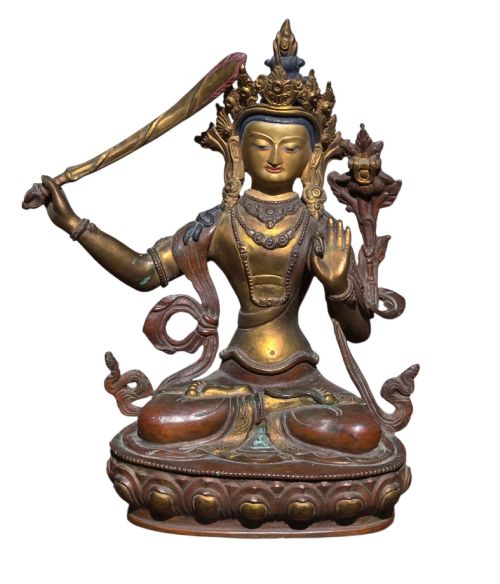
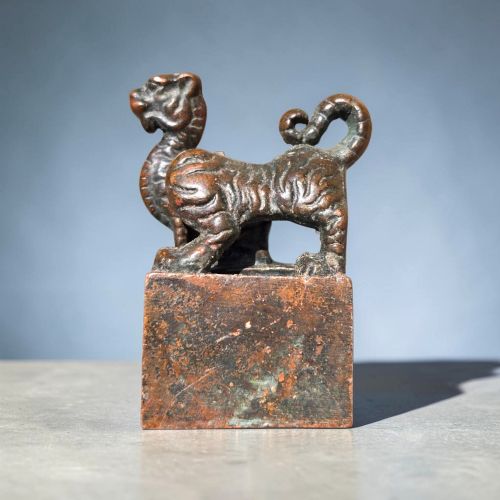
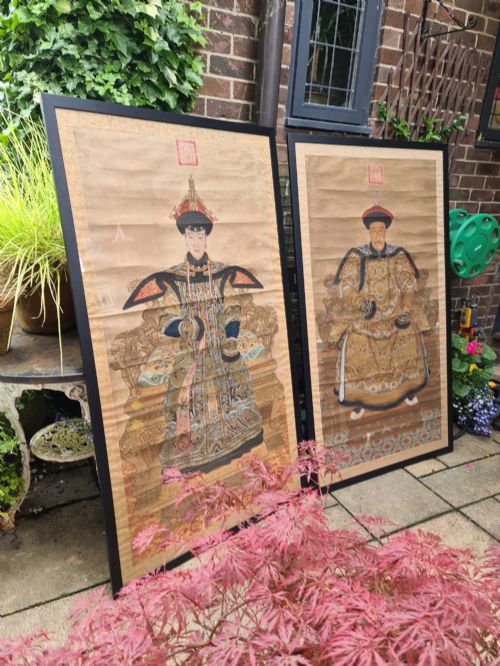
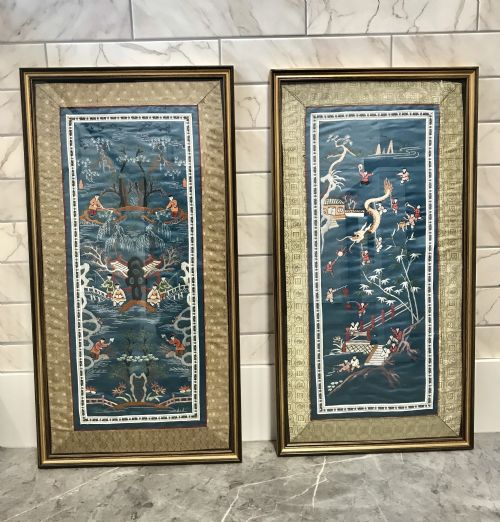
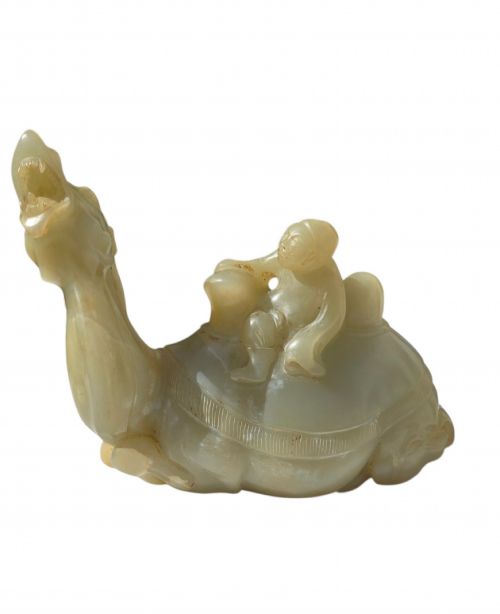
Asian art figures encompass sculptural works, wall art and decorative objects originating from traditions such as the Qing Dynasty, Meiji Period and the Ayutthaya Period. These pieces depict deities, scholars, immortals and mythical animals rendered in diverse forms ranging from monumental guardians to delicate okimono.
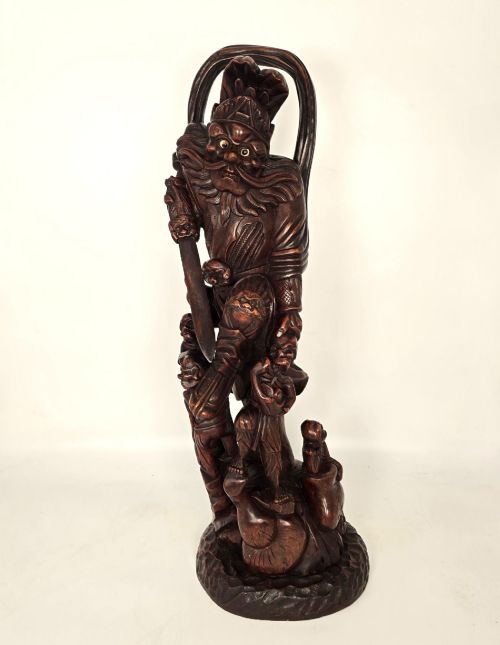
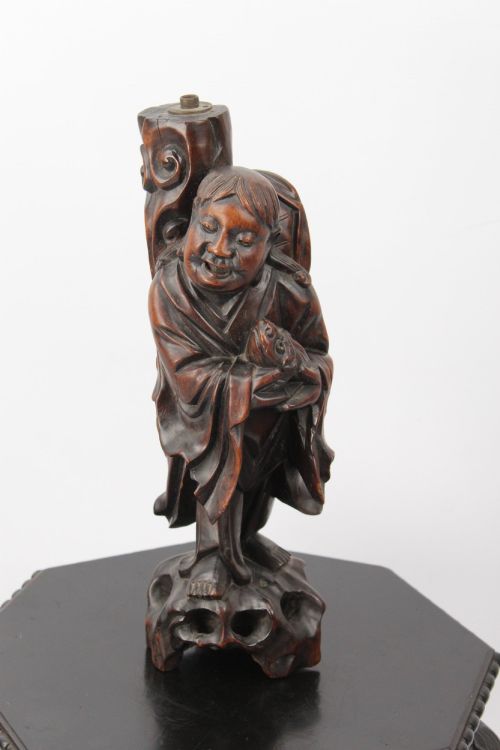
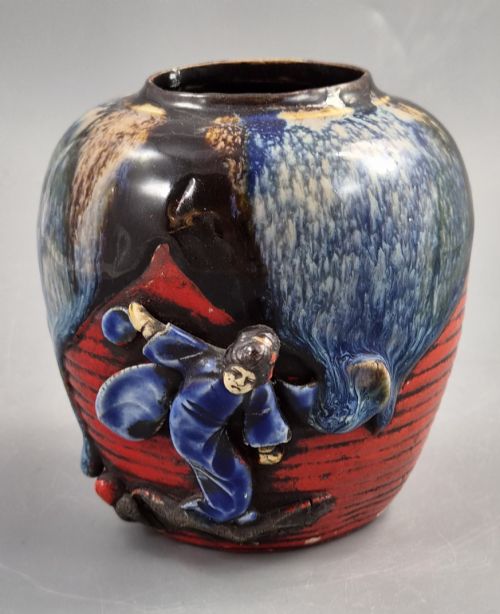
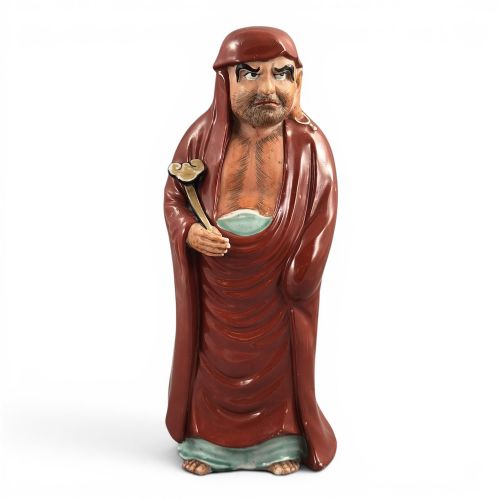
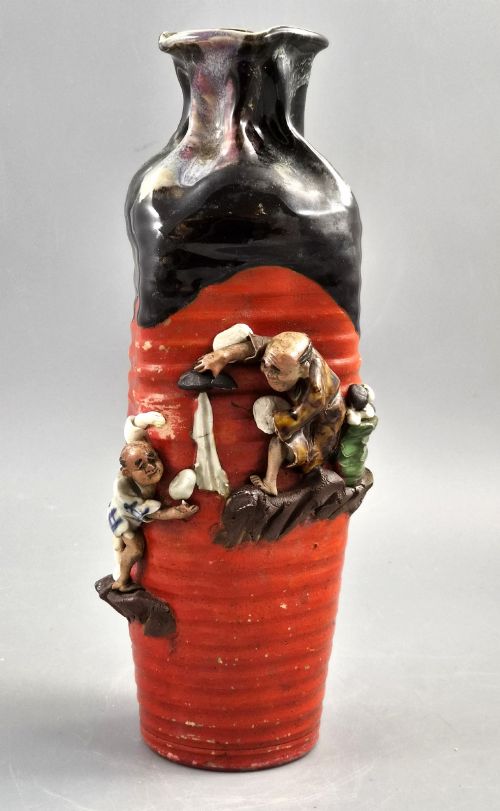
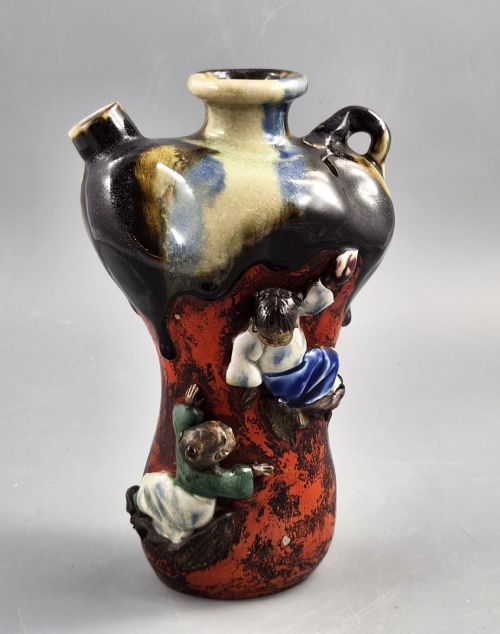
The selections available on this page reflect a wide geographical and temporal range, predominantly drawing from the nineteenth and early twentieth centuries. Buyers encounter carved wood root figures, bronze Buddhist statues, Kutani porcelain deities and Sumida Gawa ceramic jars featuring climbing figures.
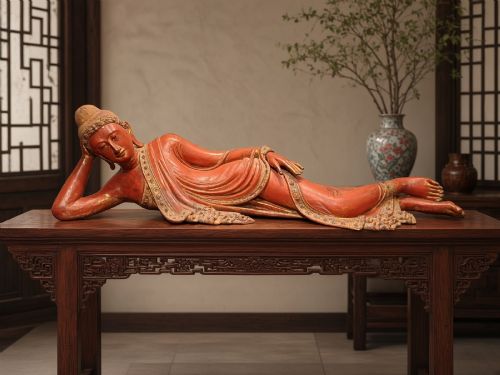
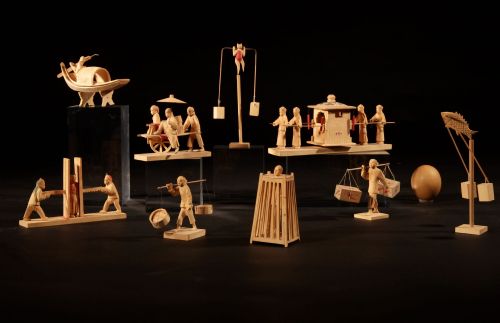
Objects span devotional statues like Bodhisattvas and Buddhas alongside secular depictions of daily life, fishermen and Daoist immortals. This variety allows collectors to focus on specific religious iconography, regional casting techniques or historical periods.
How They Were Made
Makers utilised traditional casting methods for metalwork, producing gilt-bronze and bronze sculptures with detailed surface patination. Wood carvers shaped hardwood, root wood and boxwood into expressive figures, employing high relief carving and intricate undercutting.
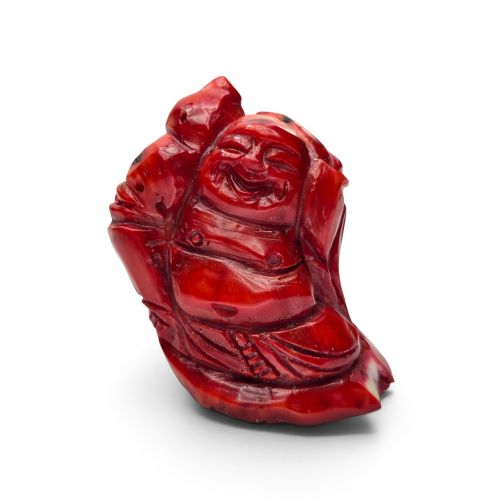
Ceramic pieces combine porcelain and earthenware bodies with techniques such as cobalt blue and gilt decoration, flambé glazes and intricate hand-painted Satsuma enamels. Additional material depth appears through semi-precious stones, jade, coral and gold leaf applied to panel and sculptural surfaces.
Water buffalo carrying contemplative scholars share space with climbing figures escaping up ceramic jars.
What Varies in Quality
Material selection and surface preservation dictate overall standing. Original patination on bronzes, intact gilt-bronze applications and absence of structural restoration in fragile materials like coral and ivory-substitute stones elevate a piece.
Inoue Ryōsai·Kinkozan
The Asian Art Figures Glossary
- Okimono
- A Japanese decorative object or figurine designed for display in a tokonoma alcove or on a shelf. These standalone sculptures often depict deities, historical figures or scenes from everyday life.
- Bodhisattva
- An enlightened being destined to attain Buddhahirth who delays nirvana to assist others. They appear frequently in Sino-Tibetan and Chinese art adorned in royal garments.
- Lokapala
- One of the Four Heavenly Kings who guard the four quarters of the world. Sculptures of these guardian figures often emphasise muscular power and protective armour.
- Kutani
- A style of Japanese coloured porcelain noted for bold designs and rich overglaze enamels. Pieces frequently incorporate reds, greens, and gold leaf.
- Qilin
- A mythical hooved chimerical creature in Chinese mythology that brings prosperity and serenity. They appear in bronze, jade and ceramic carvings.
Asian Art Figures: Frequently Asked Questions
What materials are common in Asian art figures?
Sculptures and decorative objects utilise a diverse range of materials including bronze, gilt-bronze, carved hardwoods, porcelain, earthenware, jade and lacquer. Each material reflects the specific regional traditions and period preferences of the makers.
Metal sculptures often feature patinated or gilded surfaces, while ceramic figures showcase glazes such as flambé and intricate enamel work.
How do I identify the period of a figure?
Dating relies upon stylistic markers associated with specific eras such as the Qing Dynasty, Meiji Period or Ayutthaya Period. Examination of casting techniques, glaze characteristics and signature marks provides further chronological context.
Comparing the sculptural style and material preparation against documented examples helps narrow down the production era.
How should I care for carved wooden figures?
Wooden and root wood carvings require stable environmental conditions away from direct sunlight and extreme humidity fluctuations. Maintaining consistent indoor climates prevents the timber from splitting or warping over time.
Gentle dusting with a soft, dry cloth preserves the original surface patination without introducing moisture or abrasive chemicals.