


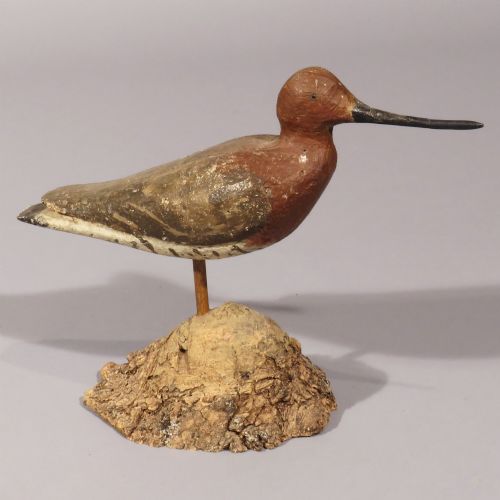

Black Wood Sculptures
Black wood sculptures bring dark, carved timber into a room, gathering animal figures and human forms from the nineteenth century onward.
Black Wood Sculptures
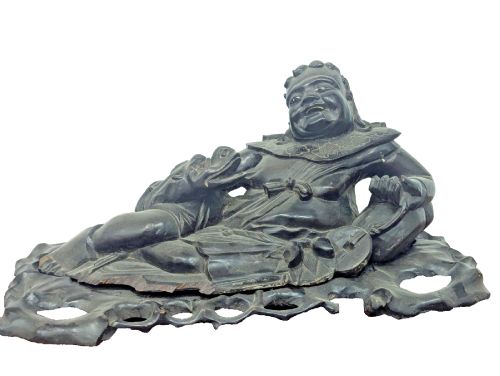
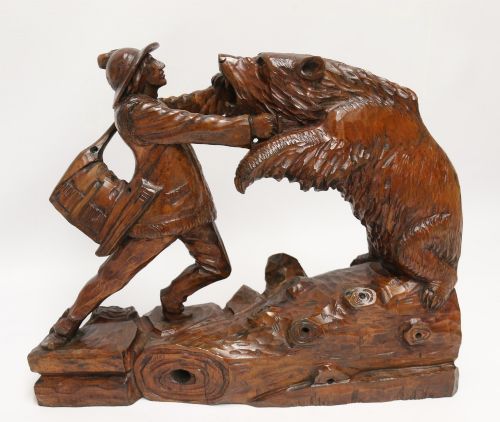
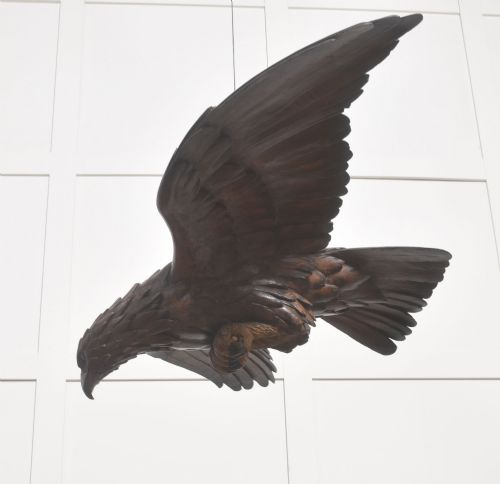
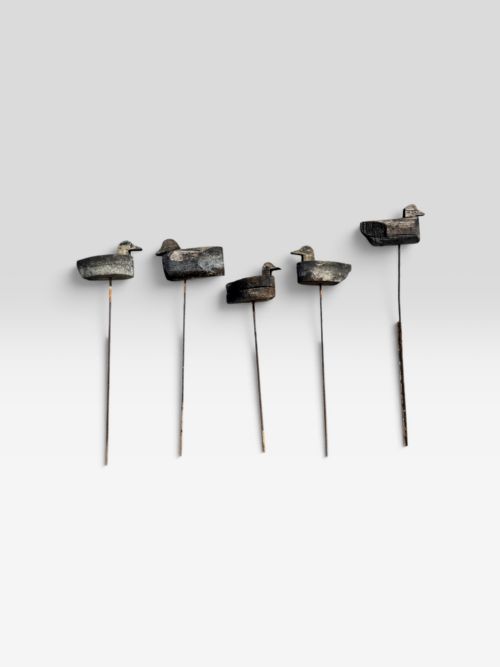
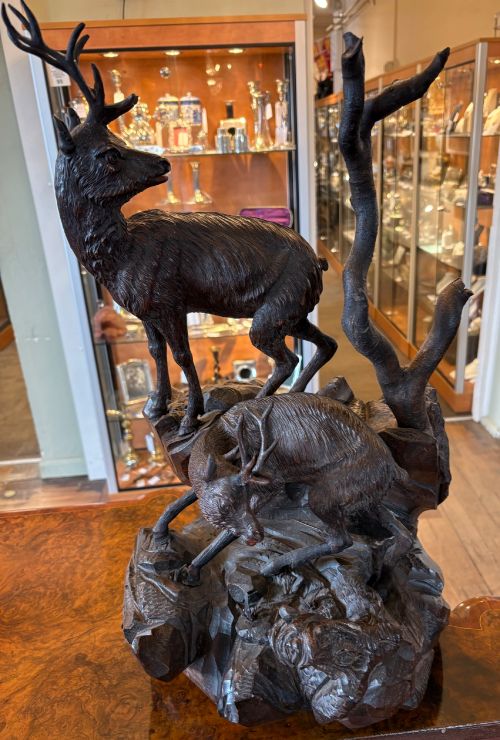
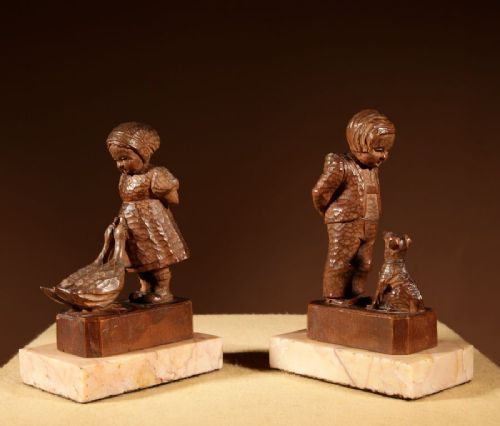
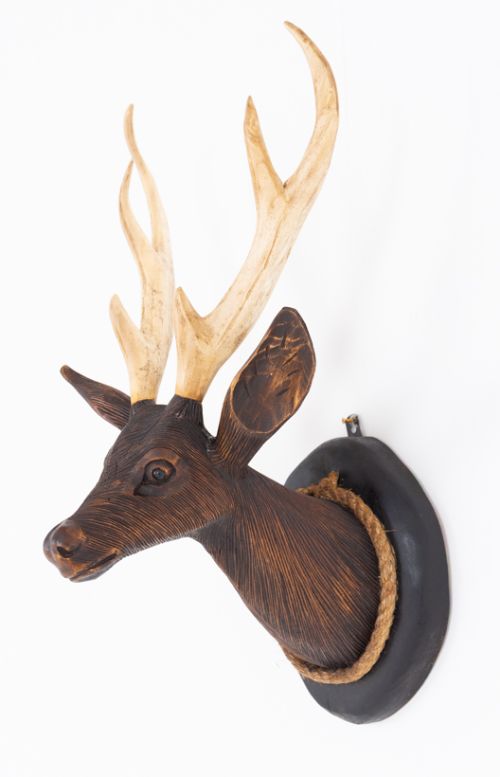
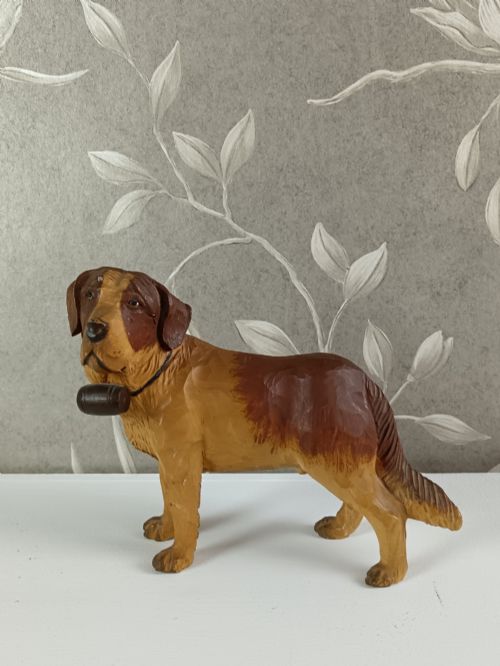
When buyers search for black wood sculptures, they encounter carved works ranging from nineteenth century Black Forest animal studies to African tribal art and folk art decoys. The versions most frequently met on this page include bears, dogs, deer, and human figures shaped in walnut, linden wood, and ebonised timber.
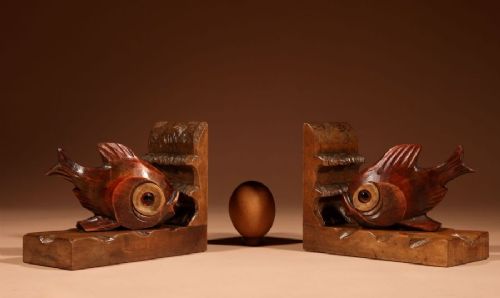
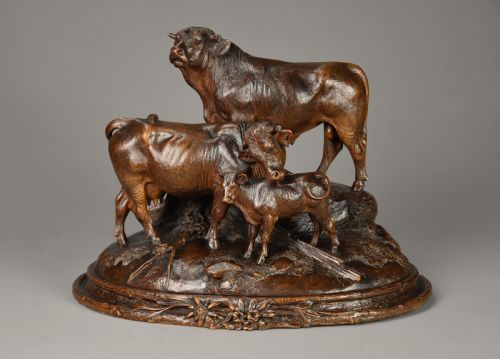
The selection draws together Swiss and European woodcarving traditions alongside nineteenth century Victorian Neoclassical pieces and twentieth century folk items. Forms extend from freestanding animal groups and bookends to wall plaques, pedestals, and tobacco boxes.
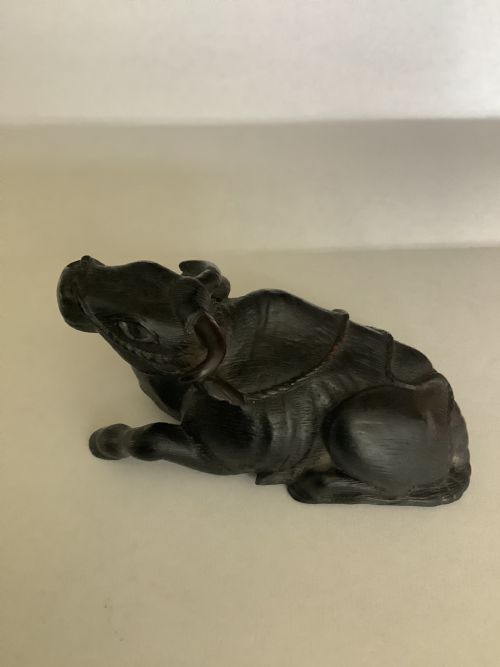
Originating largely from European workshops, these carved objects capture specific regional styles such as the Swiss animalier tradition and Japanese Kibori Kuma. Each piece relies on the natural grain or dark finish of the wood to define its silhouette.
How they were made
Carvers shaped these sculptures primarily from linden wood, walnut, and general hardwoods, employing hand chisels and gouges to build intricate fur, feathers, and facial expressions. Linden wood offered a fine grain suited to deep relief work, while walnut provided dense strength for large animal figures.
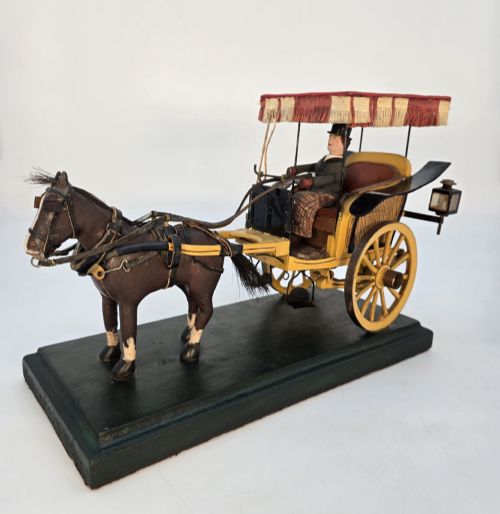
Surfaces were frequently left with the natural tone of the timber or treated with dark stains and ebonising to achieve a sombre, unified appearance. Certain items incorporate painted details or metal elements alongside the primary carved structure.
Several bears serve double duty as umbrella stands, holding walking sticks in their carved paws with steadfast determination.
What varies in quality
The distinction between standard workshop output and exceptional carving lies in the depth of undercut detail and the naturalism of the anatomy. Master carvers rendered musculature, fur texture, and facial expressions with precise proportion, whereas simpler pieces rely on basic block shaping and minimal surface texture.
ProVENANCE and signatures mark the upper tier of these sculptures, with documented makers adding historical weight to individual pieces. The balance of the composition and the crispness of the tool marks separate ordinary decorative objects from collectible works of art.
J Huggler·Eugene Emile Borga·Thomas Hope
The Black Wood Sculptures Glossary
- Black Forest
- A style of woodcarving originating from the Brienz region of Switzerland and the adjacent German mountains. It is characterised by realistic depictions of animals, particularly bears and deer, rendered in walnut or limewood.
- Linden Wood
- A pale, fine-grained timber frequently utilised by European carvers for intricate nineteenth century figures. It accepts detailed tool marks easily without splitting.
- Ebonised Wood
- Timber treated with chemical agents or dark finishes to imitate ebony. This technique imparts a heavy, uniform black surface to decorative objects and furniture.
- Decoy
- A carved wooden bird or animal originally intended to attract wildlife. Collectors value them for their folk art aesthetic and working history.
- Byeri
- A reliquary guardian figure associated with the Fang people of Gabon. These wooden sculptures traditionally protected ancestral remains.
Black Wood Sculptures: Frequently Asked Questions
What are Black Forest carvings?
Black Forest carvings are wooden sculptures and decorative objects originating from nineteenth century Switzerland and Germany. They typically depict woodland animals like bears, deer, and dogs.
These pieces were produced as practical items such as umbrella stands, humidors, and bookends, combining fine craftsmanship with rustic utility.
Are these sculptures solid wood?
Most of the pieces listed here are carved from solid blocks of timber such as walnut, linden wood, or ebonised hardwood. Larger elements like pedestals and architectural pieces are similarly constructed from solid materials.
The weight of an individual sculpture usually reflects the density of the wood used.
How should I clean a wooden sculpture?
Wooden sculptures require gentle dusting with a dry, soft cloth to prevent the accumulation of dirt in carved recesses. Avoid using water, liquid cleaners, or harsh chemicals that can strip the historic finish.
Keeping pieces away from direct sunlight and heat sources protects the timber from drying out and splitting over time.