




Hardwood Carved Figure
When you handle a hardwood carved figure, you meet centuries of diverse global craftsmanship spanning Chinese deities, African tribal works, and European studies.
Hardwood Carved Figure
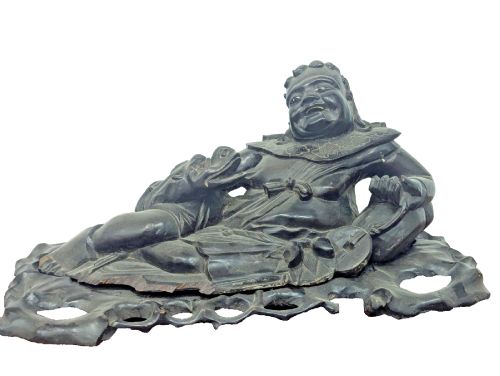
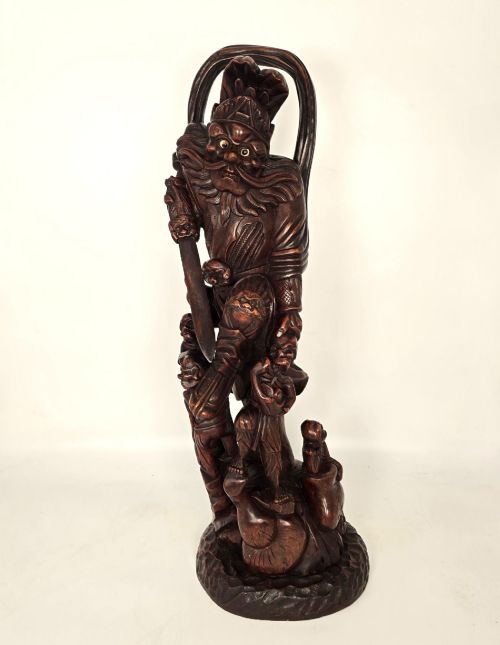
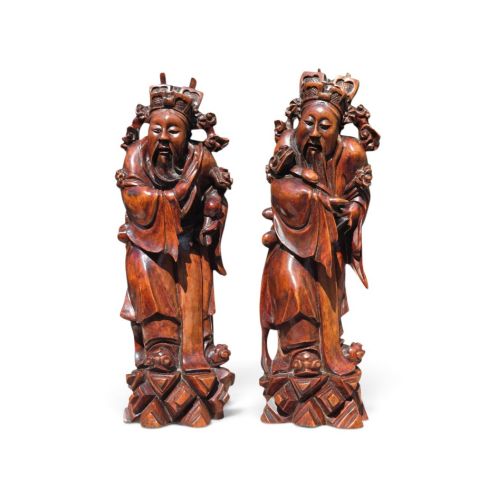
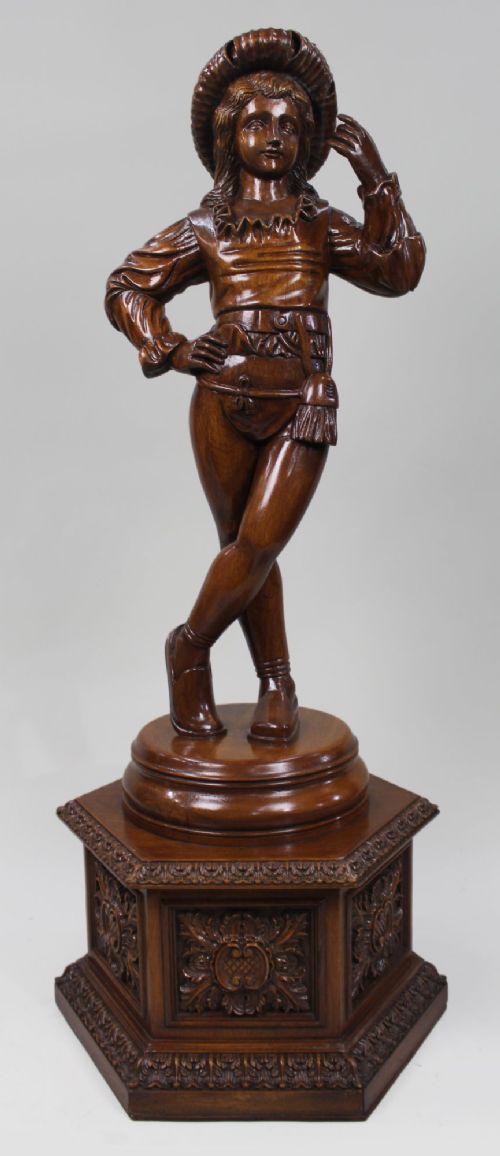
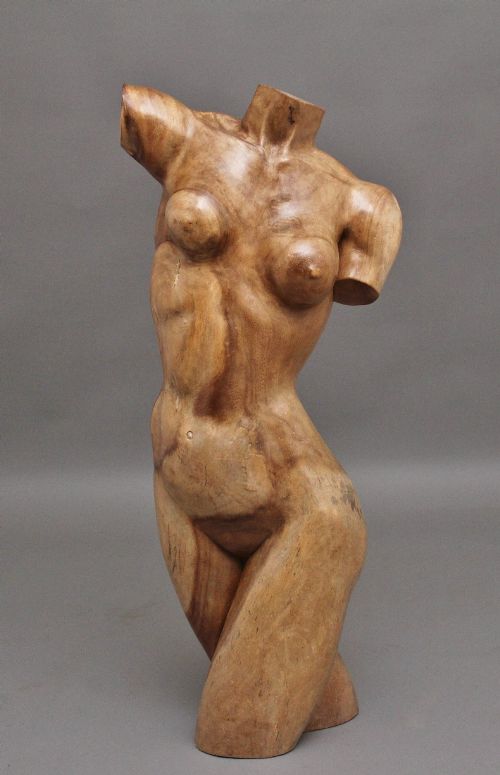
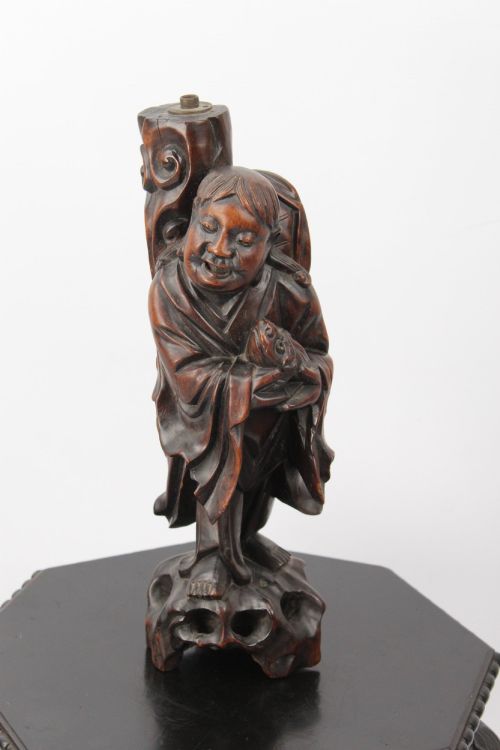
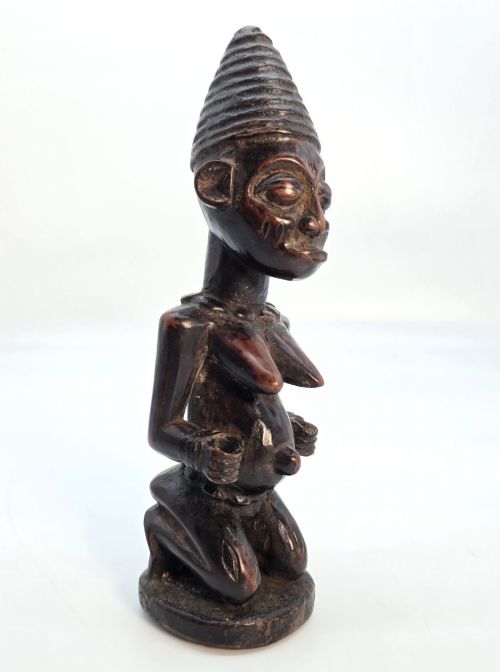
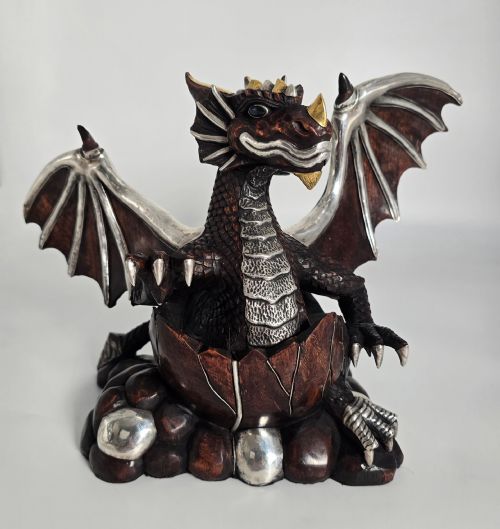
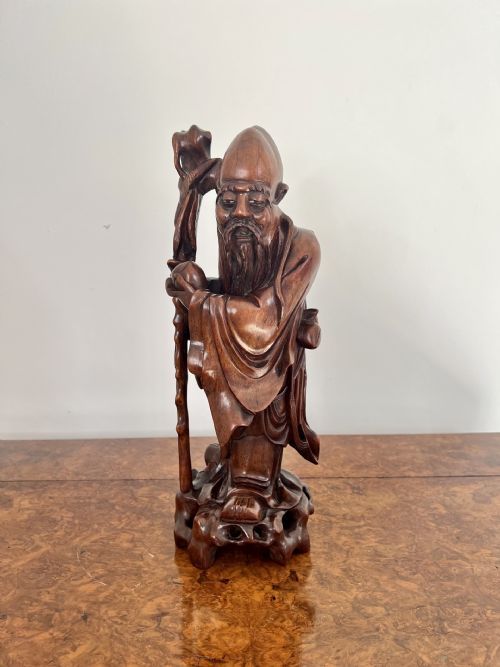
A hardwood carved figure encompasses a broad geographic and cultural range, appearing frequently in Chinese depictions of immortals, Buddhas, animals, and mythological beasts from the nineteenth and early twentieth centuries. Alongside these Asian subjects, the selection includes African tribal fertility and ceremonial works, Indian Raj period animal studies, Balinese deities, and European anatomical lay figures or classical torsos.
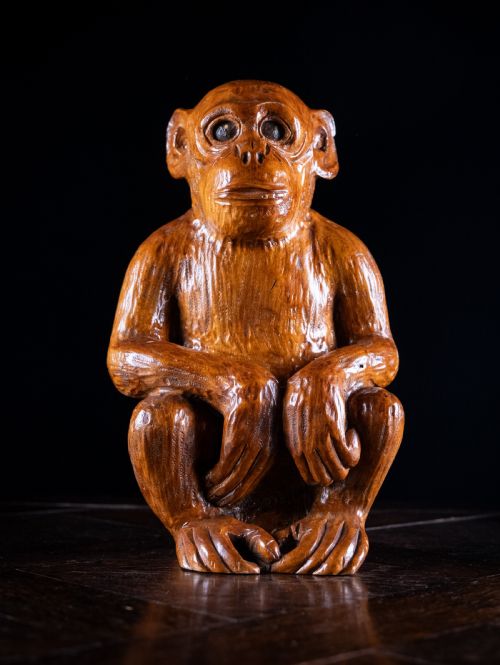
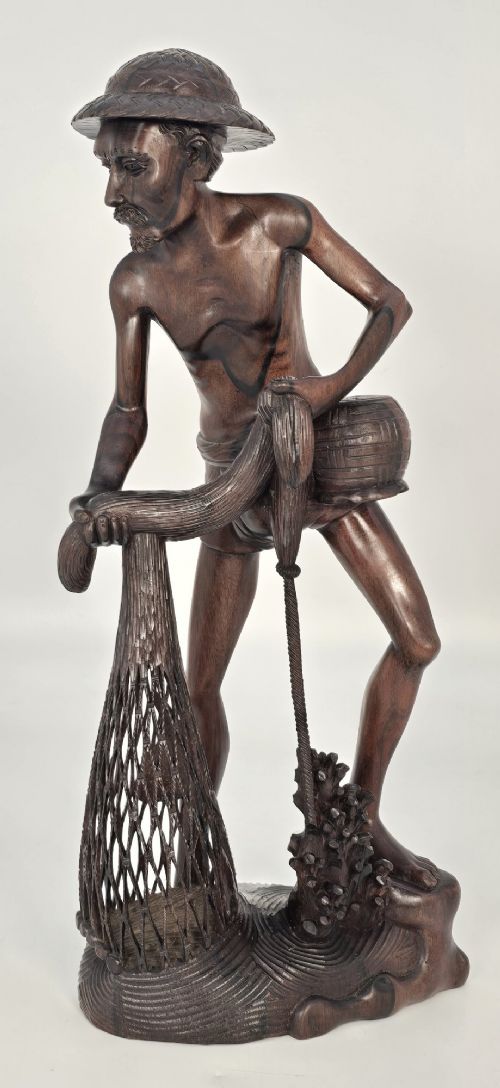
Buyers encounter subjects ranging from monumental guardian kings and Daoist figures to smaller domestic studies of monkeys, elephants, and fishermen. These pieces emerge from periods spanning the eighteenth century through the 1930s, utilising dense timbers shaped by traditional regional carvers.
How they were made
Carvers shaped these sculptures from dense timbers such as rosewood and general hardwoods, occasionally incorporating mixed metals, bone, or brass mounts to accent the composition. Root wood also served as a primary natural medium for specific Chinese figures and lamp bases, following the organic contours of the timber.
Manual hand-carving techniques defined the surface execution across all regions, from the detailed robes of Qing dynasty immortals to the articulated joints of European studio lay figures. Makers relied on chisels and gouges to define musculature, facial expressions, and animal textures directly within the grain.
Listings feature hardwood figures from the 18th century, 19th century, and early decades of the 20th century.
What varies in quality
The sophistication of the design and the harmony between the natural timber form and the sculpted subject determine the standing of an individual piece within its period.
The Hardwood Carved Figure Glossary
- Hardwood
- Slow-growing timber derived from broad-leaved trees, providing the dense, durable material necessary for intricate sculptural detailing.
- Lay figure
- An articulated wooden model utilised by artists to study human anatomy, drapery, and posture in various poses.
- Okimono
- A Japanese freestanding ornamental carving designed for display, typically executed in hardwood or ivory during the Meiji period.
- Root wood
- Timber sourced from the root system of a tree, prized by carvers for its twisted, organic forms that dictate the final sculpture.
- Daoist Immortal
- A traditional figure representing a revered sage or deity in Chinese philosophy, frequently depicted holding symbolic attributes.
Hardwood Carved Figure: Frequently Asked Questions
What periods do these carvings date from?
The available selection primarily spans the nineteenth century through the 1930s, with select examples originating in the eighteenth century.
Craftsmen across Asian, African, and European workshops produced these works during distinct cultural periods such as the Qing dynasty and the Japanese Meiji era.
How were wooden lay figures used?
European artists utilised articulated wooden lay figures in the studio to arrange complex drapery and check human proportions before painting.
Their pinned joints allowed the limbs to hold specific poses for extended periods.
What types of animals appear in the carvings?
Sculptors frequently depicted animals laden with cultural symbolism, including elephants, water buffaloes, monkeys, horses, and temple dogs.
These subjects often relate to regional folklore, religious processions, or domestic utility.
How do you identify Chinese root wood carvings?
Root wood carvings follow the natural, irregular contours and twisted grain of the timber root rather than a straight-grained block.
Carvers integrated these organic knots and voids directly into the composition of figures and furniture bases.