
Vintage Asian Wood Carving
These vintage asian wood carving pieces range from intricately worked panels to solid furniture, offering tangible history for your interior.
Vintage Asian Wood Carving
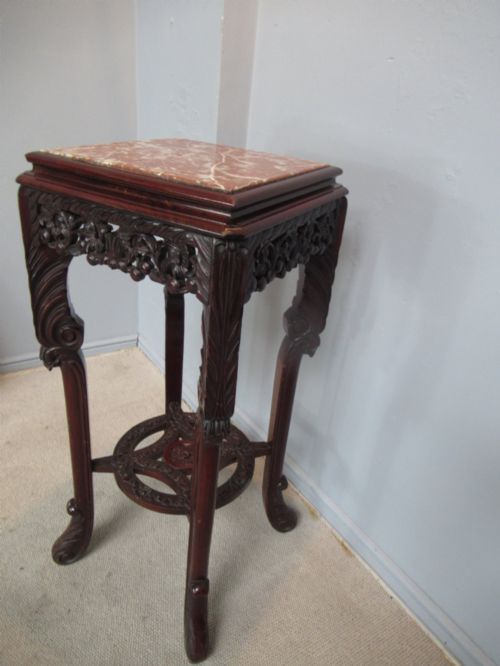
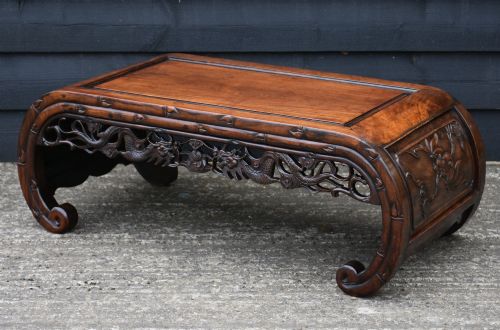
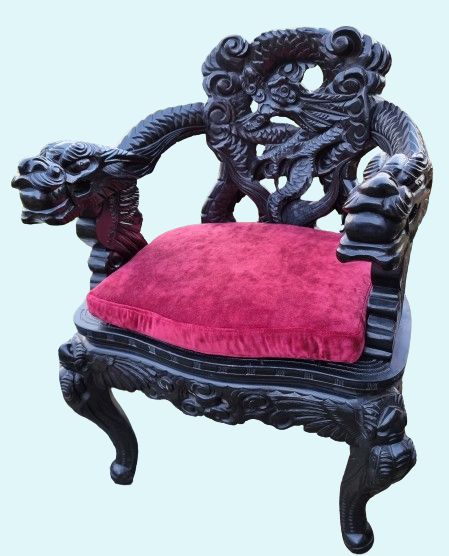
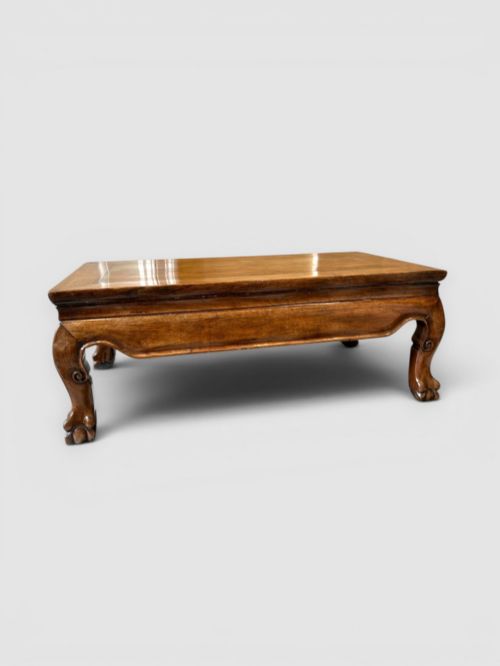
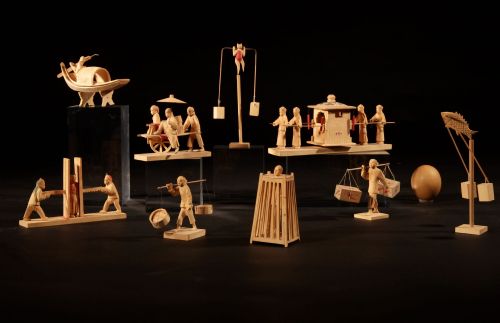
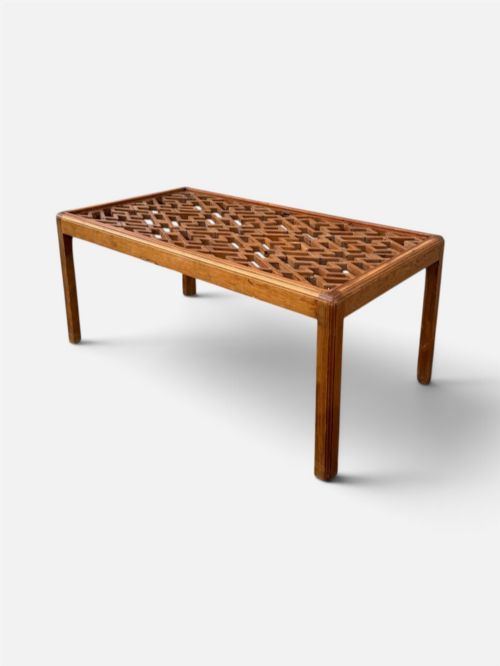
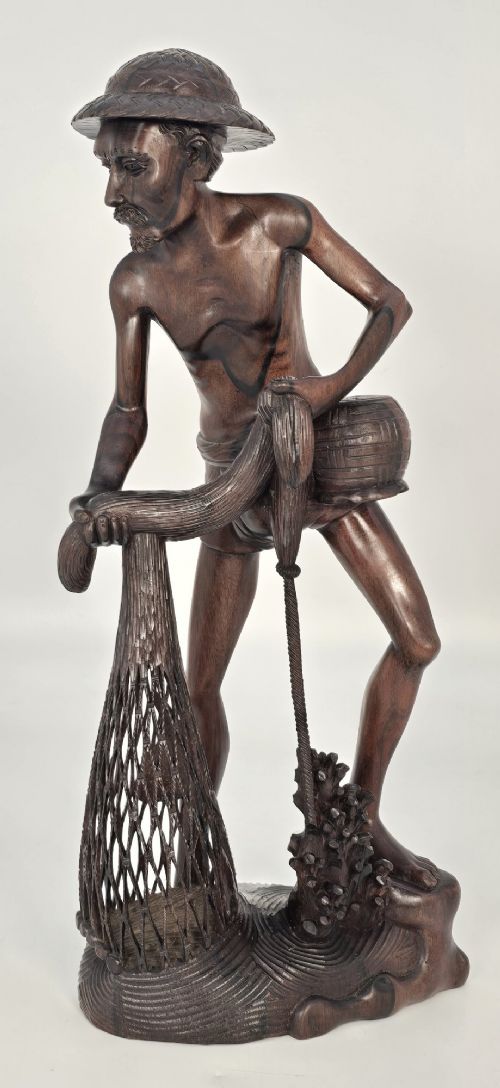
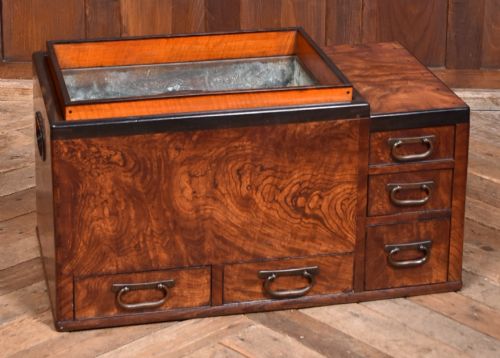
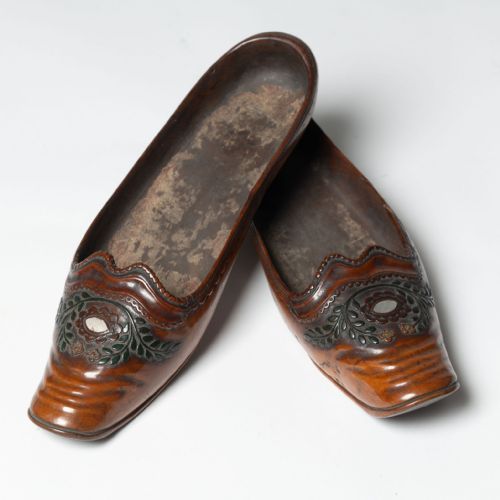
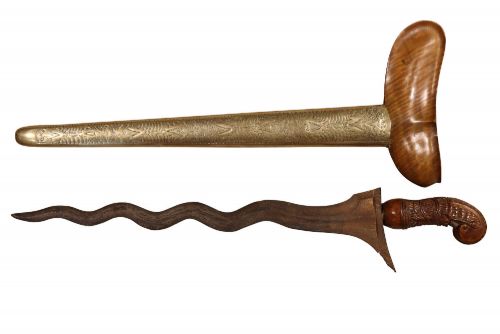
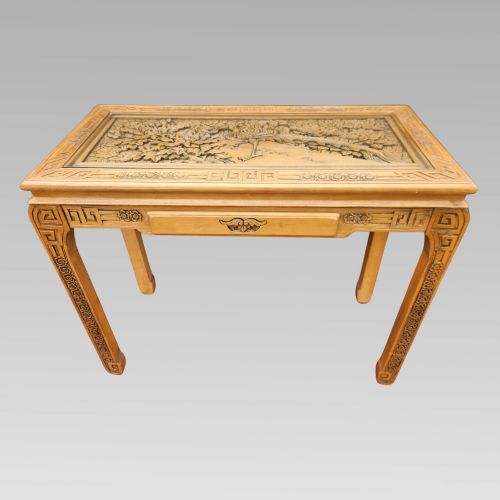
A vintage asian wood carving brings together diverse cultural forms, spanning Chinese export goods, traditional figures, and Southeast Asian items. When you search for vintage asian wood carving, you encounter objects ranging from small tabletop sculptures and brush pots to substantial furniture such as armchairs, opium tables, and plant stands.
The selections here date across multiple periods, with strong representation from the nineteenth and early twentieth centuries. Pieces often display specific regional characteristics, linking them to Chinese Qing Dynasty styles, Japanese craftsmanship, Burmese screens, and Balinese or Indonesian artistry.
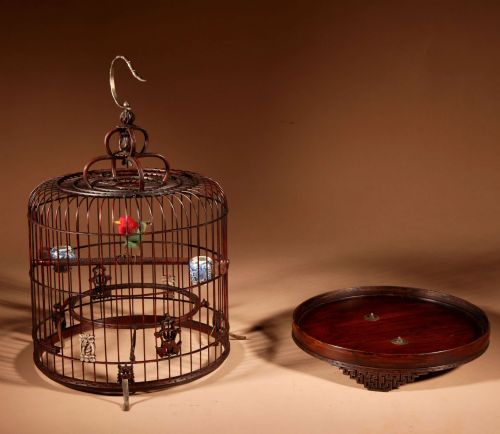
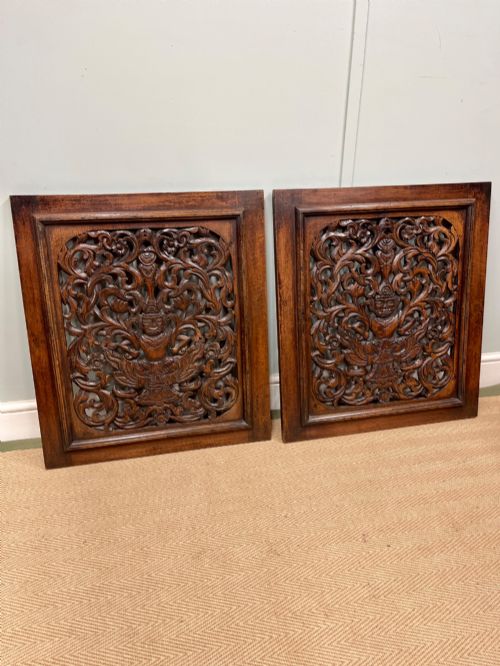
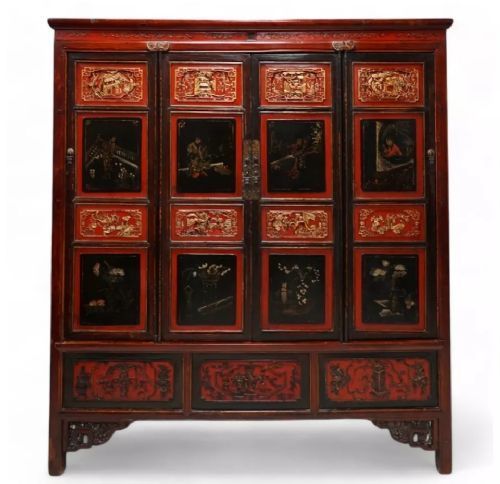
Functional items share space with purely decorative works in the listings. Buyers meet everything from marriage cabinets and trunks to carved wall panels and decorative bird cages, each demonstrating distinct utilitarian or aesthetic purposes from its era of origin.
Materials and construction methods
Makers utilised dense timbers such as hardwood, rosewood, boxwood, teak, and elm for structural stability and fine detail work. Bamboo, root wood, and camphorwood also appear, lending distinct grain patterns and natural aromas to trunks, stands, and smaller sculptures.
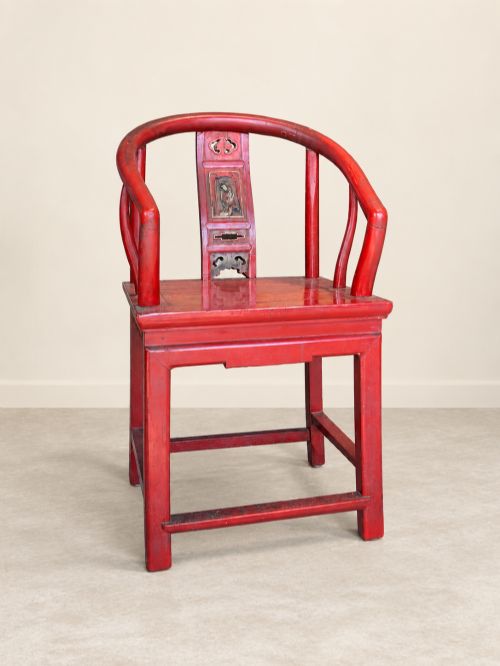
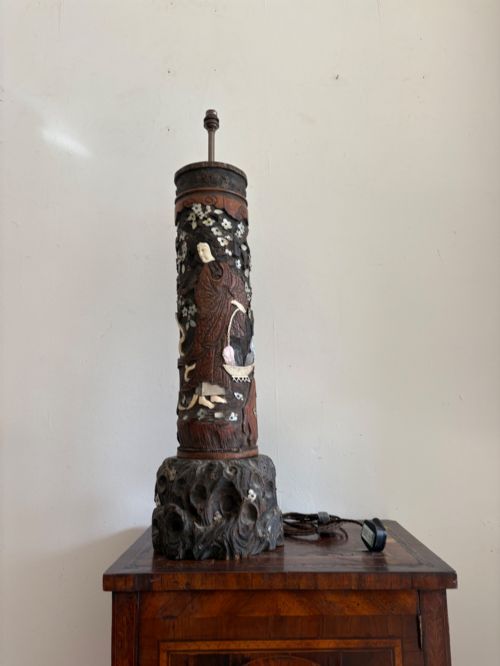
Surface treatments frequently involve red lacquer, intricate paintwork, and gilding applied over the carved timber base. Some items incorporate contrasting elements like marble tops, mother of pearl inlays, brass fittings, and glass protection.
Materials in these listings include hardwood, elm, teak, bamboo, lacquer, and paint.
Assessing quality in carved wooden objects
Material selection dictates longevity and visual weight, with dense hardwoods and well-seasoned elm outperforming softer woods that warp or split over time. Original surface finishes, whether polished hardwood, intact lacquer, or traditional paint, preserve the integrity of the piece far better than later refinishing.
The Vintage Asian Wood Carving Glossary
- Hardwood
- Dense, slow-growing timber such as rosewood or boxwood chosen for its durability and capacity to hold minute carved detail. It resists warping and takes a fine natural polish.
- Lacquer
- A durable resin finish applied in multiple layers to wood surfaces, often pigmented red or black and sometimes carved while semi-soft.
- Qing Dynasty
- The final imperial dynasty of China, lasting from the seventeenth to the early twentieth century, heavily associated with ornate dragon motifs and formal furniture.
- Opium table
- A low-profile wooden table originally used in domestic settings, frequently constructed from rosewood or elm and featuring carved apron details.
- Root wood
- Naturally irregular tree root material shaped by artisans into rustic furniture supports, lamps, or figurative sculptures that follow the organic contours of the timber.
Vintage Asian Wood Carving: Frequently Asked Questions
How do I date a carved wooden panel?
Dating relies on tool marks, wood shrinkage, and stylistic conventions associated with specific periods like the nineteenth century or Qing dynasty.
Examine the back and joinery for signs of hand tools rather than modern machinery, while noting how the timber has aged and coloured over time.
Where were opium tables placed?
Opium low tables served as central furniture pieces in traditional domestic interiors for social gatherings and resting.
Their low height suited seating on cushions or mats on the floor, often positioned in main reception rooms.
Are these items suitable for daily use?
Many items, such as coffee tables, plant stands, and desks, integrate easily into modern functional layouts.
Delicate sculptures and painted panels require placement away from direct sunlight and heavy moisture to protect the wood and surface finishes.
What is camphorwood used for?
Camphorwood was primarily selected for trunks and storage chests due to its natural insect-repellent properties and aromatic qualities.
The timber's distinct scent helped protect textiles stored inside from moths and dampness.