
Oriental Figurine Sculpture
When you search for oriental figurine sculpture, you encounter diverse works shaped by dynasties, empires and changing material traditions.
Oriental Figurine Sculpture
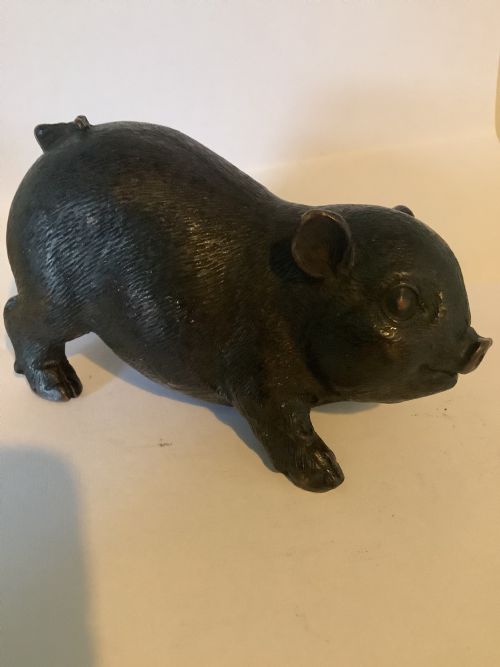
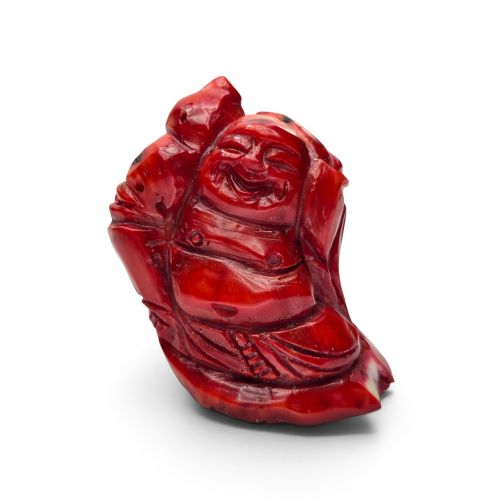
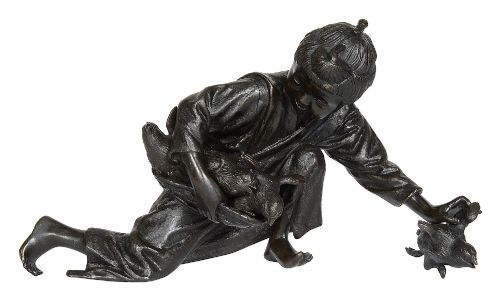
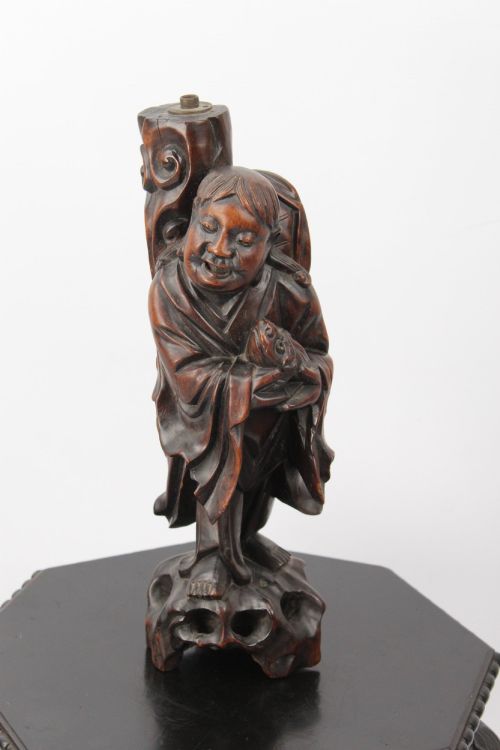
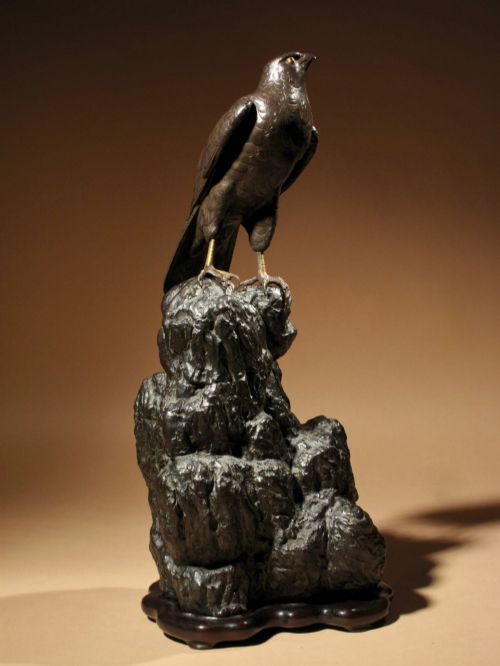
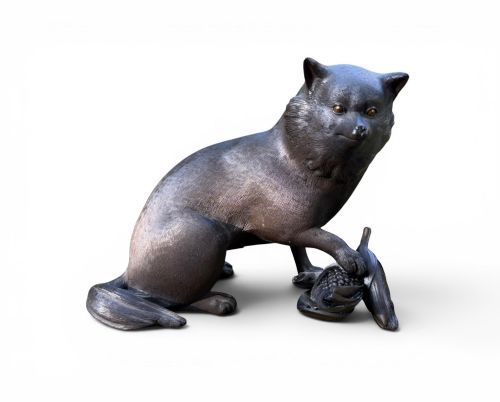
An oriental figurine sculpture encompasses a wide spectrum of subjects, from deities and literary figures to animals, birds and daily scenes rendered in metal, clay, stone and organic matter. When browsing this selection, you encounter pieces originating from Japanese, Chinese and Indian traditions, spanning periods from the Tang Dynasty through the Meiji period and into the early twentieth century.
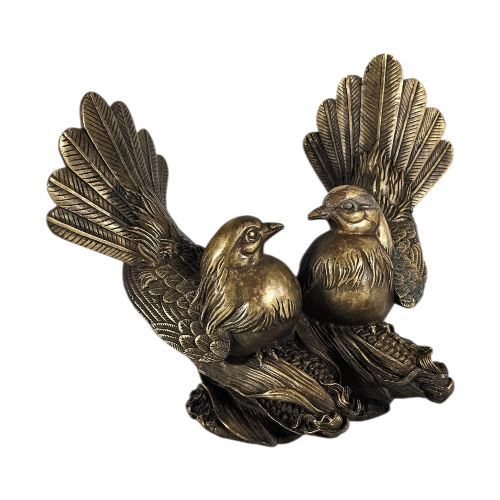
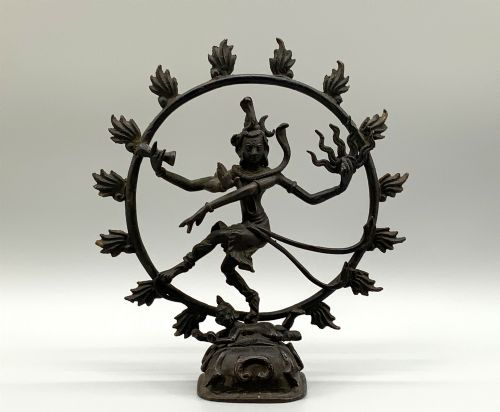
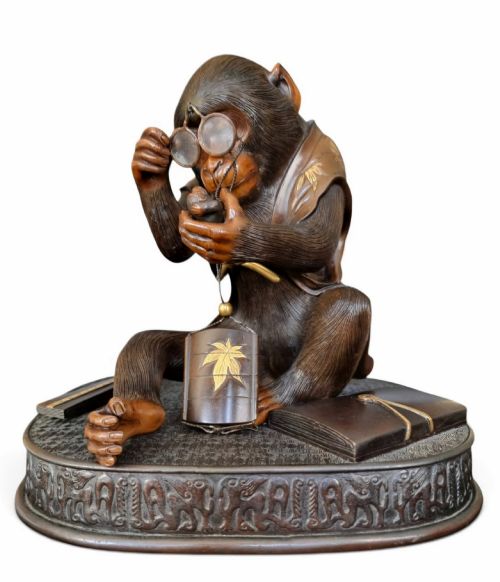
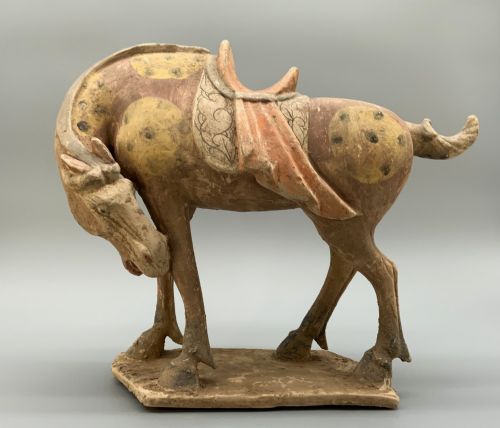
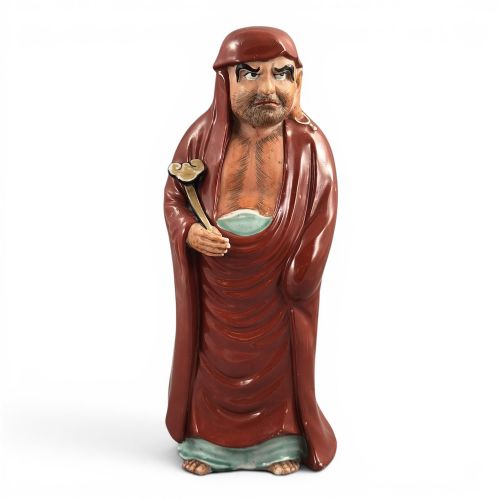
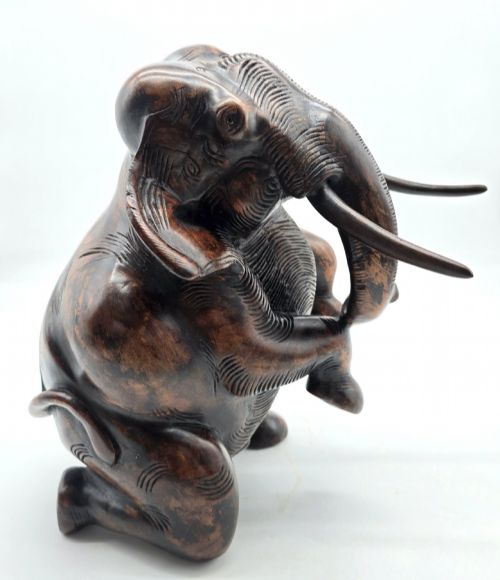
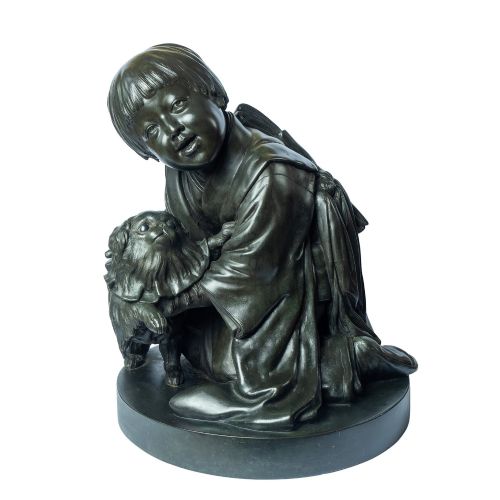
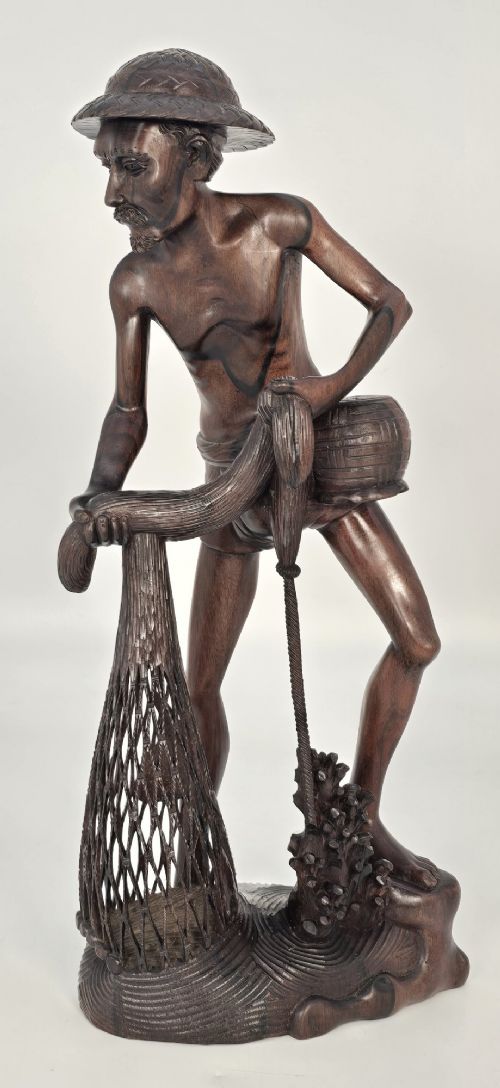
The objects take many forms, including cast bronze okimono, glazed pottery horses, carved hardwood fishermen, soapstone immortals and porcelain deities. Makers applied distinct regional conventions to each subject, whether depicting a scholarly monkey, a fierce deity or a peaceful duck pair.
Materials and methods
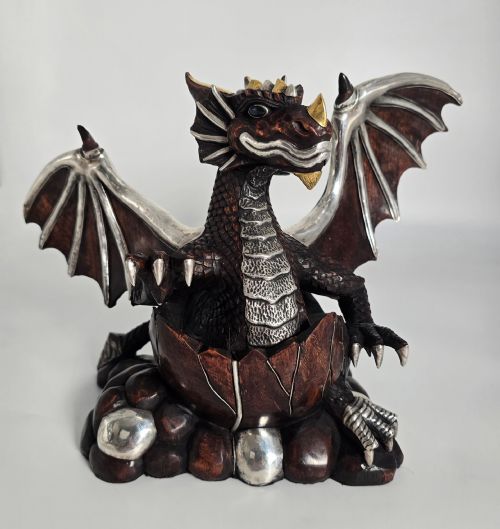
Artisans employed bronze casting, often utilising lost-wax techniques to achieve intricate detail in animal and human figures, sometimes incorporating mixed metals or gold leaf for contrast. Woodcarvers worked with boxwood, hardwood and coral to shape figures of sages and animals, utilising the natural grain and density of the material.
Potters shaped clay into figures and vessels, applying sancai glazes, hand enamels or Satsuma decoration before firing, while others carved soft soapstone, agate and hardstone using traditional abrasive methods.
Listings feature items spanning the 19th Century, 1900, 1890, 1930, 1910, Pre 16th century, Edwardian and 1800.
Distinctions in craftsmanship
For ceramics and pottery, the clarity of the glaze application, the crispness of the hand-painted enamels and the stability of the fired body indicate the standard of the workshop.
MASAAKI·Kunio Itô·Makuzu Kozan II·Haruyama Shunzan
The Oriental Figurine Sculpture Glossary
- Okimono
- A Japanese ornamental carving or casting intended for display on a shelf or in a tokonoma alcove. These objects range from naturalistic animal studies to mythical figures.
- Sancai
- A three-colour glaze tradition utilised in Chinese pottery, typically combining amber, green and cream tones. Potters applied these lead-glazed colours to figures and vessels during early dynasties and later revivals.
- Meiji Period
- An era in Japanese history spanning from 1868 to 1912, characterised by intense artistic production and technical refinement in metalwork and ivory carving.
- Qing Dynasty
- The final imperial dynasty of China, lasting from 1644 to 1912, known for diverse ceramic production, jade carving and bronze casting.
- Foo Dog
- A mythical guardian lion depicted in pairs outside temples and palaces, rendered frequently in porcelain, bronze and wood as protective statuary.
Oriental Figurine Sculpture: Frequently Asked Questions
What is an okimono?
An okimono is a freestanding Japanese decorative sculpture placed traditionally within a home setting rather than used in religious ceremonies. These pieces depict animals, historical figures or everyday workers.
Craftsmen created them in bronze, wood, ivory and porcelain during the Meiji period and subsequent decades.
How do I date a bronze sculpture?
Dating bronze figures involves examining the casting method, surface patina, stylistic conventions of the clothing or subject, and any maker marks or signatures present on the base. Meiji period Japanese bronzes often display distinct patination and mixed-metal highlights.
Earlier Chinese bronzes reference historical dynastic styles, such as Xuande marks, which may indicate the period of manufacture or a later tribute piece.
What are sancai glazed figures?
Sancai glazed figures are ceramics covered in a multi-coloured lead glaze, most famously featuring amber, green and cream hues across Tang Dynasty burial figures and later revival pieces. The glazes run and pool naturally during the firing process.
These figures often represent horses, musicians, dancers and attendants.
Where were soapstone figures carved?
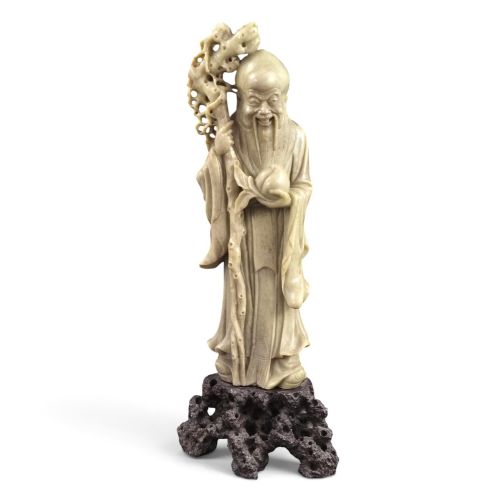
Soapstone figures were carved primarily in China, utilising the soft, soapy texture of the mineral to create smooth depictions of immortals, scholars and deities like Shoulao. Artisans exploited the natural colour variations within the stone.
These carvings date frequently to the late nineteenth and early twentieth centuries.