


Traditional Chinese Sculpture
Traditional Chinese sculpture spans centuries of skilled carving in wood, jade, soapstone and lacquer, offering rich depictions of immortals, animals and deities for a collection.
Traditional Chinese Sculpture
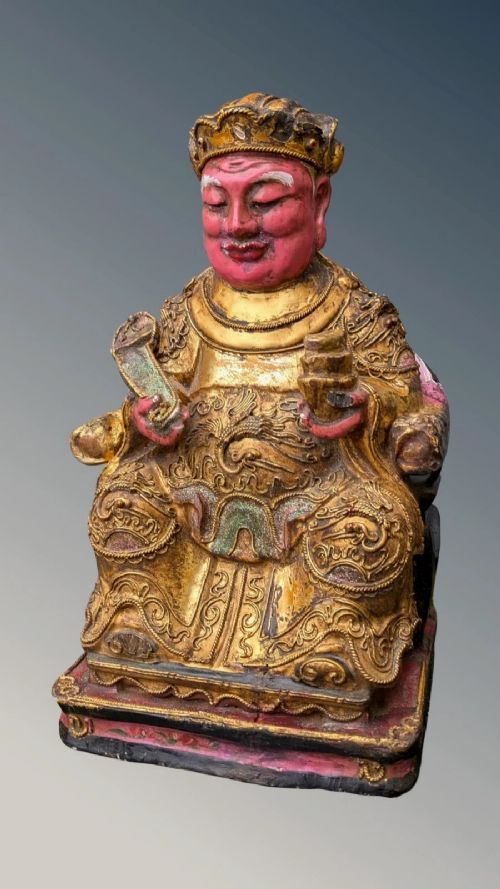
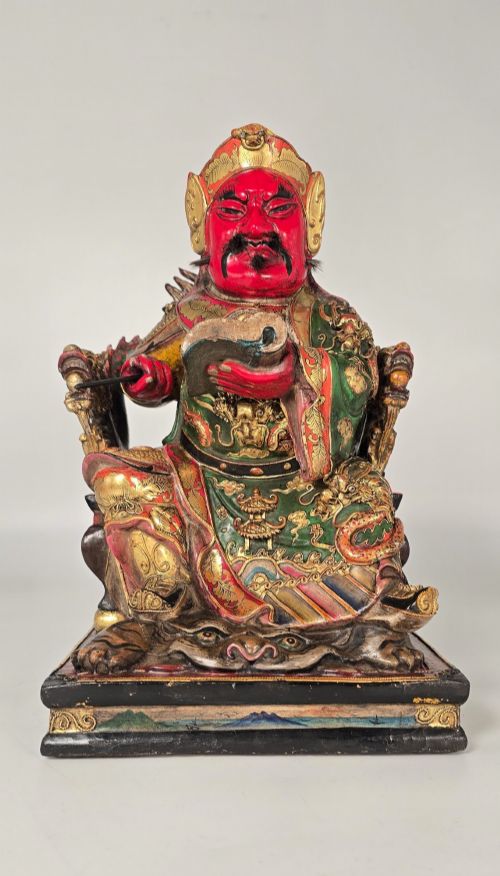
Traditional Chinese sculpture encompasses a diverse range of carved figures, animals, and landscapes originating from the eighteenth, nineteenth, and early twentieth centuries. These pieces frequently manifest as depictions of Daoist immortals, Buddhist figures, scholars, and mythical beasts such as Foo dogs and qilin.
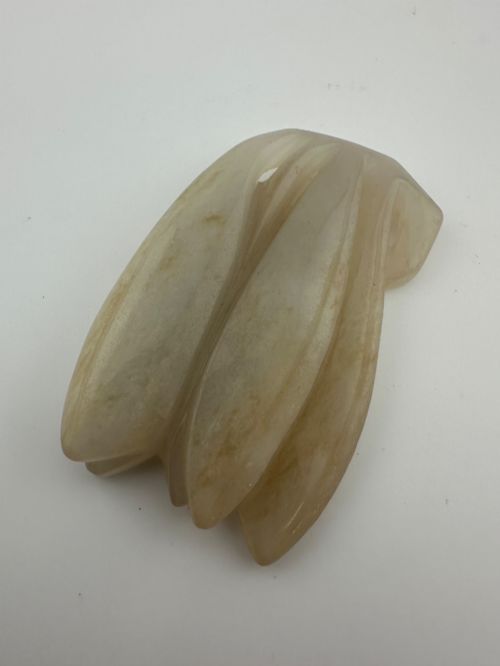
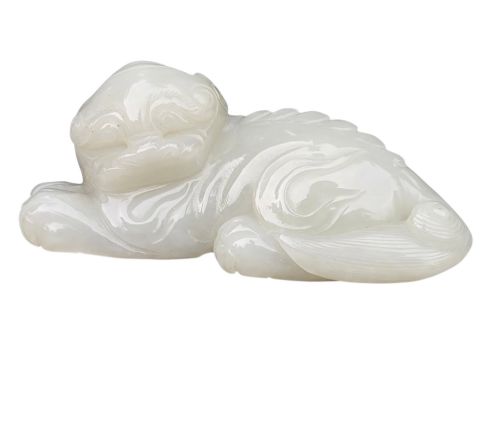
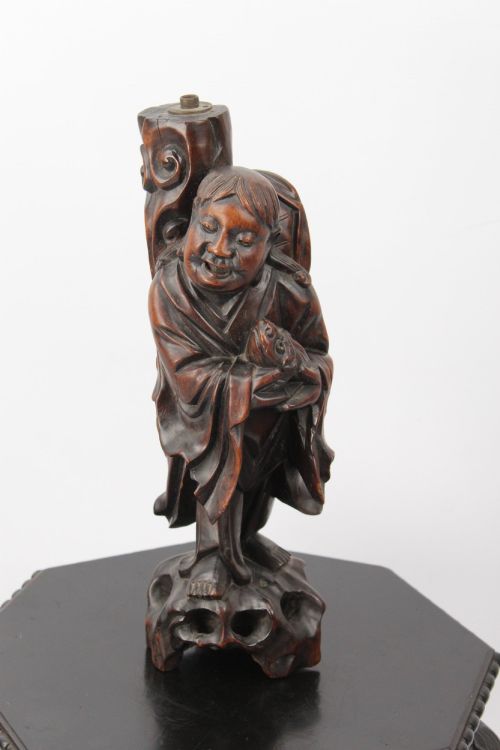
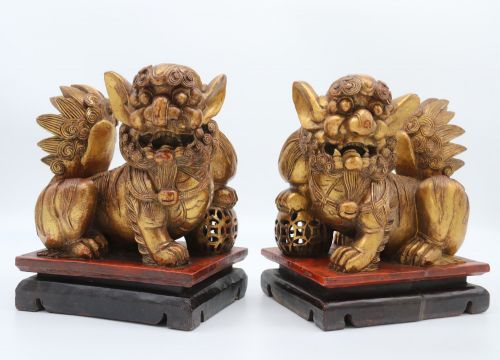
The most common forms encountered on this page include hardwood fisherman figures, soapstone desk seals and landscapes, nephrite jade carvings, and gilt wood or lacquered temple figures. Many works arrive complete with fitted hardwood stands that complement the primary carving.
Origins stretch from the Qing dynasty through to the early decades of the twentieth century, alongside regional styles and interpretations of earlier aesthetics such as Tang dynasty pottery forms. Buyers encounter both small handheld jade pieces and large decorative temple figures or root wood sculptures.
Materials and methods
Makers utilised a variety of organic and mineral substances, most notably dense hardwoods, fragrant root woods, and resilient bamboo. Stone carvers worked with nephrite jade, soapstone, and hardstone, bringing out the natural grain and colour variations within each block.
Wooden sculptures frequently combine intricate hand carving with layers of gesso, polychrome paint, lacquer, and gold leaf. Pottery figures employ traditional glazing techniques such as Sancai, while metalwork pieces incorporate cloisonné enamel.
The inventory spans the eighteenth century, the Victorian era, the Qing dynasty, and early twentieth-century production.
Evaluating the work
The choice of raw material dictates the baseline of execution, where flawless jade, heavily figured root wood, or well-preserved lacquer and gilding elevate an object. The integration of a custom carved hardwood stand also marks out superior examples.
The Traditional Chinese Sculpture Glossary
- Nephrite jade
- A dense, tough silicate mineral prized for smooth carvings. It ranges in colour from white and pale celadon to darker green hues.
- Soapstone
- A talc-schist mineral easily shaped by hand tools. Carvers utilise its softness to create intricate landscapes and animal groups.
- Foo dog
- A traditional guardian lion sculpture placed to protect a threshold. These mythical beasts appear carved from wood, stone, and root wood.
- Cloisonné
- Enamelling technique where thin metal wires form raised partitions filled with coloured paste. Fired pieces display vibrant decorative surfaces.
- Sancai
- A three-colour lead glaze tradition originating in earlier dynasties. Artisans apply amber, green, and creamy white glazes to pottery figures.
Traditional Chinese Sculpture: Frequently Asked Questions
What subjects do these sculptures depict?
The pieces frequently portray Daoist and Buddhist immortals, scholars, and mythological creatures such as Foo dogs, dragons, and qilin. Animals including horses, elephants, quails, and pigs also appear regularly.
Human figures often tell stories from folklore, showing fishermen, sages, or travellers accompanied by children.
How do I care for wooden sculptures?
Keep wooden and lacquered pieces away from direct sunlight and sudden temperature shifts to prevent warping or splitting. Dust gently with a soft, dry cloth without applying modern polishes.
Maintain stable indoor humidity, especially for root wood and gessoed surfaces which remain sensitive to dry air.
What is root wood carving?
Root wood carving utilises the natural gnarled shapes and burls of tree roots to suggest figures, animals, or mountainous landscapes. Artisans work with the existing twists of the wood rather than imposing a completely symmetrical form.
This technique produces organic, highly individual pieces where no two sculptures share the same silhouette.
How are soapstone items displayed?
Soapstone carvings and desk seals benefit from stable placement on flat surfaces away from heavy traffic where they might sustain knocks. Many smaller seals and figures do well in display cabinets.
Handle them with clean hands, as natural skin oils can gradually alter the polished surface over extended periods.