




Hardwood African Sculpture
Hardwood african sculpture pieces bring striking organic presence and rich regional history into a room, offering tactile connection to traditional craftsmanship.
Hardwood African Sculpture
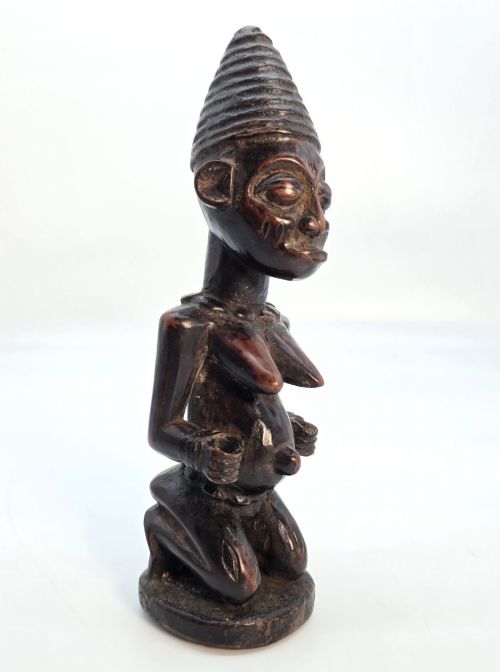
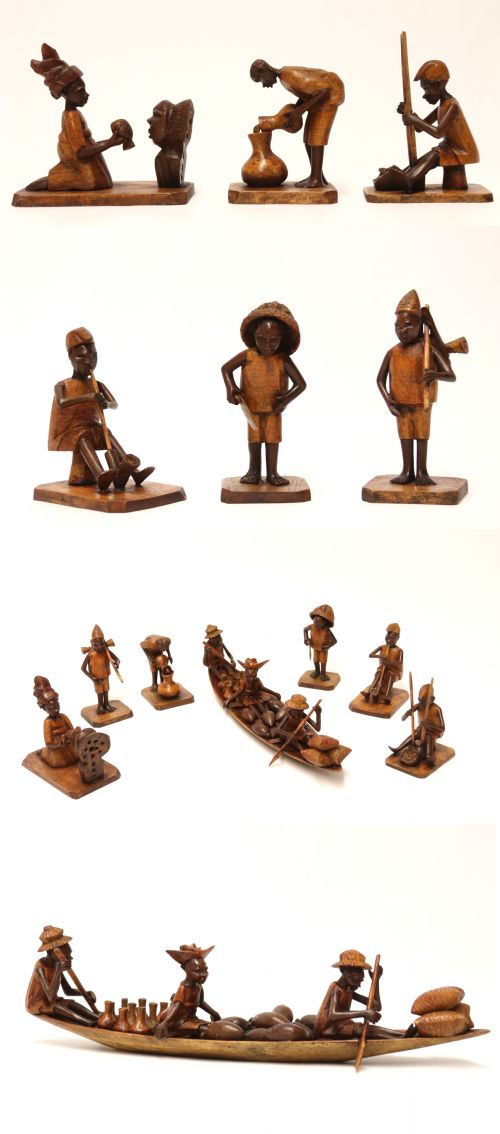
When you search for hardwood african sculpture, you encounter a diverse range of carved forms spanning the late 19th century through the 1930s. These pieces encompass tribal figures, ceremonial beds, animal studies, headrests, and functional items like combs and saddles.
You are most likely to meet carved figures and animal representations on this page, reflecting periods such as 1880, 1900, 1920, and 1930. The selections often highlight specific cultural groups and regions, including Maasai, Bamileke, Angola, Nigerian, Luba Hemba, and Ashanti.
The objects serve multiple visual and cultural roles, ranging from fertility figures and warrior depictions to detailed studies of hippopotamuses, cape buffalo, and camel saddles. Such variety provides collectors with multiple avenues for exploring historic tribal art.
How they were made
The objects are produced primarily from carved hardwood and wood, utilising traditional hand-carving techniques to shape dense material into intricate figures and functional objects. Artisans work the timber to emphasise natural grains and forms.
Additional materials frequently enhance the carved wooden surfaces, including bone, iron, and brass. These contrasting elements appear as structural accents or decorative details on sculptures and animal studies.
Listings feature items from the 19th century up to 1930, utilising hardwood, bone, iron, and brass.
What varies in quality
The richness of the patina and the condition of the wood surface influence the visual appeal of each piece. Age-related wear combined with a deep, handled finish often distinguishes superior historic examples from later or more basic items.
The Hardwood African Sculpture Glossary
- Hardwood
- Dense timber derived from broad-leaved trees, providing a durable medium for detailed carving. It resists warping and takes a fine surface polish.
- Patina
- The surface sheen and coloration developed through handling, ageing, and waxing over many decades. It indicates genuine age and use.
- Headrest
- A carved support designed to elevate the head during sleep, often featuring figural supports. These objects carry both utilitarian and symbolic status.
- Tribal Art
- Artistic production originating from indigenous societies, particularly from African, Oceanic, and American cultures. It encompasses ritual, ceremonial, and everyday items.
Hardwood African Sculpture: Frequently Asked Questions
What defines a hardwood african sculpture?
These pieces are hand-carved objects originating from various African regions, created from dense timbers during periods spanning the late 19th century to the early 20th century.
They include figural sculptures, animal studies, and utilitarian items that reflect traditional cultural practices and artistic styles.
How were these wooden sculptures used?
Many of the figural carvings and objects held ceremonial, spiritual, or utilitarian roles within their originating communities, such as fertility figures or resting supports.
Over time, items like headrests, combs, and ceremonial beds functioned as everyday possessions imbued with cultural significance.
How do I live with tribal carvings?
Display these sculptures on stable surfaces away from direct heat sources and strong sunlight to protect the aged wood and natural patina.
Allow sufficient space around larger pieces like figures or daybeds so the carved forms and material textures remain visually prominent.
How can I tell different periods apart?
Dating relies on observing tool marks, wood dryness, surface patina, and stylistic markers associated with specific eras like the 19th century or the 1920s and 1930s.
Comparing known regional styles and material combinations helps place an object within its historical timeframe.