


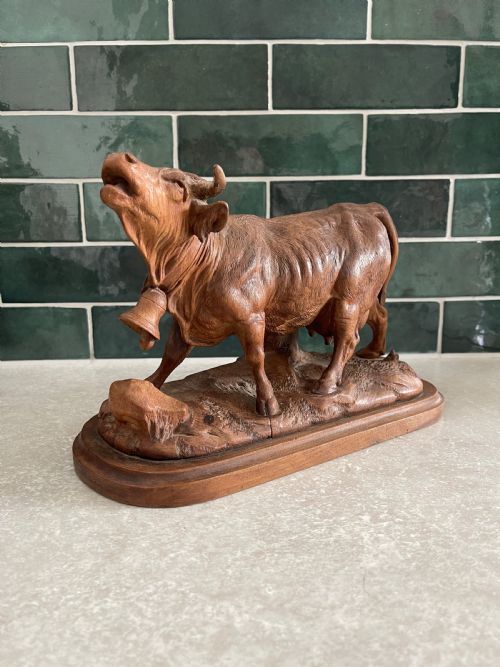

Hand Carved Statuettes
Hand carved statuettes bring history and artistry into a room, offering tactile representations of animals, people and cultural figures crafted by skilled hands.
Hand Carved Statuettes
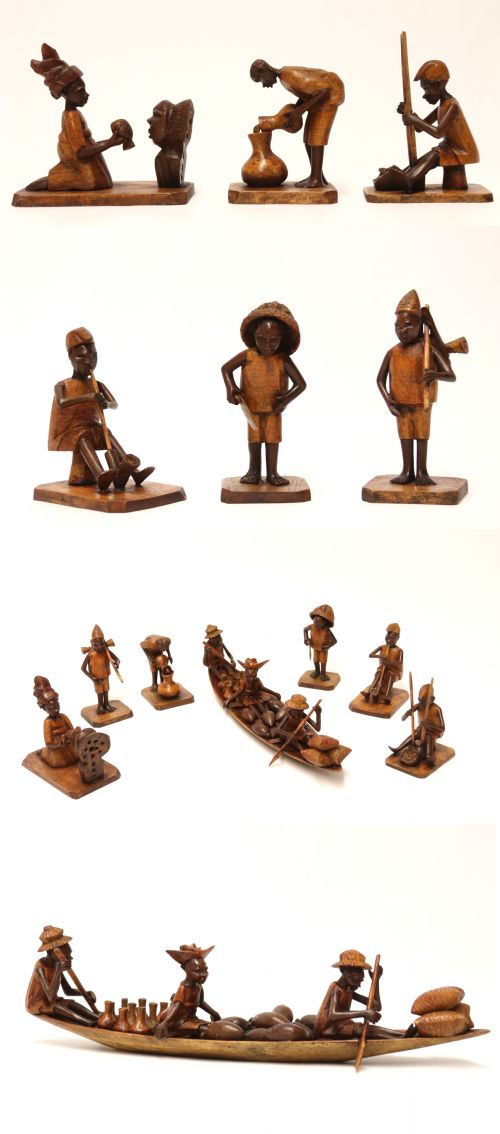
When you search for hand carved statuettes, you encounter a diverse collection of sculptural objects spanning multiple centuries and global traditions. These pieces range from European animalier studies and folk art to Asian okimono and African tribal figures.
Origins stretch across the nineteenth and eighteenth centuries, incorporating Black Forest, Anglo-Indian, and Meiji Period aesthetics. Each item functions as a decorative carving or standalone sculpture designed for display.
How they were made
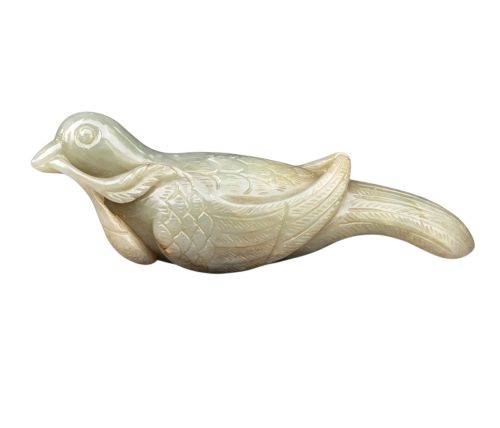
Makers utilised various types of wood, including walnut, ebony, and general hardwoods, shaped through traditional subtractive carving techniques. Artisans also worked with celadon jade and bone to produce finer, highly detailed scholarly objects.
Surface treatments range from natural dark stains to polychrome finishes applied to wood. The physical tool marks left by the carver often remain visible beneath these finishes, revealing the direct manual effort involved in shaping each form.
A Belgian draught horse stallion stands ready alongside a shelf of attentive wooden bears.
What varies in quality
The distinction between tiers rests upon anatomical accuracy and the depth of relief achieved in the material. Superior examples display precise control over muscle structure, facial expression, and texture in fur or clothing.
Origin and regional style dictate the refinement of the carving, with specialised regional workshops producing more expressive and dynamic compositions. Pieces showing greater attention to proportion and naturalism stand apart from simpler folk items.
The Hand Carved Statuettes Glossary
- Black Forest carving
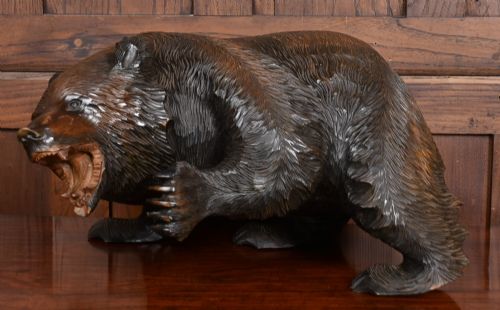
- European wood sculpture originating from the mountainous regions of central Europe, known for realistic animal studies, particularly bears. These items typically utilise walnut and display deep relief work.
- Okimono
- Japanese decorative sculpture designed for display on a shelf or in a tokonoma alcove. These carvings often depict animals or figures with high attention to naturalistic detail.
- Animalier
- The realistic artistic nineteenth-century representation of animals in sculpture. This style captures beasts in motion or repose with strict anatomical fidelity.
- Polychrome
- The practice of decorating sculptural works in a variety of colours. Pigments are applied directly to wood or other materials to enhance realism in clothing or natural subjects.
- Raj period
- The era of British direct rule on the Indian subcontinent, influencing decorative arts exported to Europe. Carvings from this time often utilise dense regional hardwoods such as ebony.
Hand Carved Statuettes: Frequently Asked Questions
What materials were used for hand carved statuettes?
Makers predominantly worked with various woods, including walnut, ebony, and unspecified hardwoods suited to detailed shaping. Certain examples incorporate bone or celadon jade for specialised scholarly items.
Surface finishes range from natural dark stains to applied polychrome pigments that add colour to clothing and natural subjects.
How do I identify Black Forest carvings?
Black Forest carvings typically originate from nineteenth-century central Europe and focus heavily on animal subjects, most notably bears engaged in various activities. These pieces are executed in walnut and feature deep, textured carving.
They often function as functional objects like umbrella stands or small tables, or stand alone as decorative sculptures.
Where were Japanese okimono displayed?
Japanese okimono were created as decorative sculptures intended for interior display within a home or alcove. These carved wooden figures often depict animals, such as rabbits or tigers, with high precision.
They represent a distinct tradition of Japanese folk art from the Meiji period and surrounding years.
How are different periods distinguished?
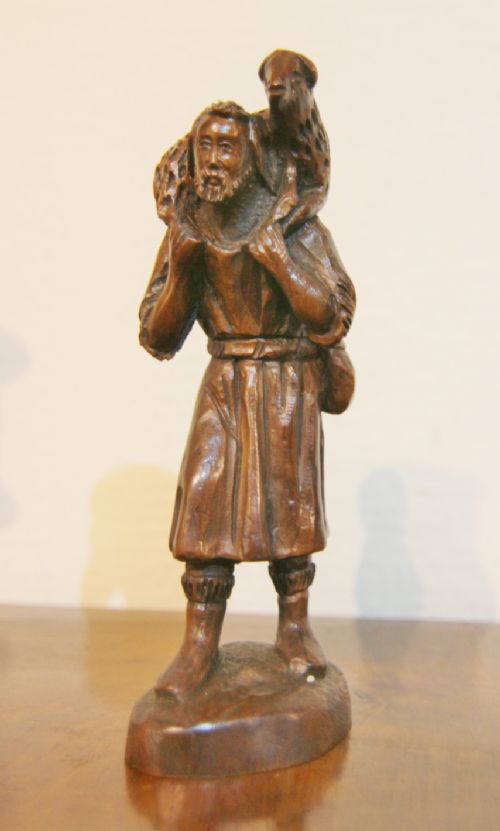
Periods are identified through stylistic conventions, subject matter, and the specific material traditions associated with particular regions and centuries. Eighteenth-century pieces frequently include historical portraits or religious iconography.
Nineteenth-century works expand into animalier studies, regional folk art, and colonial trade items from the Raj period.