





20th Century Chinese Art
When you search for 20th century chinese art, you uncover paintings, rugs and sculptures shaped by traditions running from the Qing dynasty through the mid-century.
20th Century Chinese Art
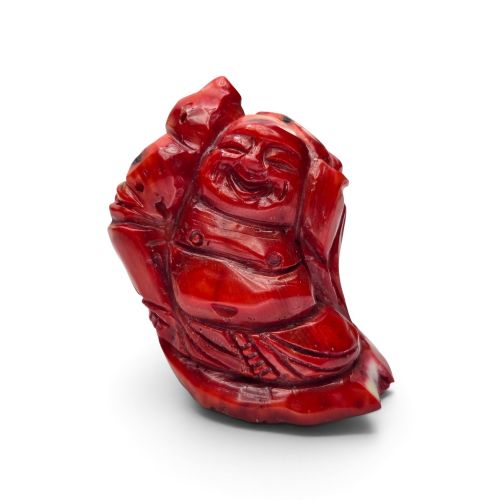
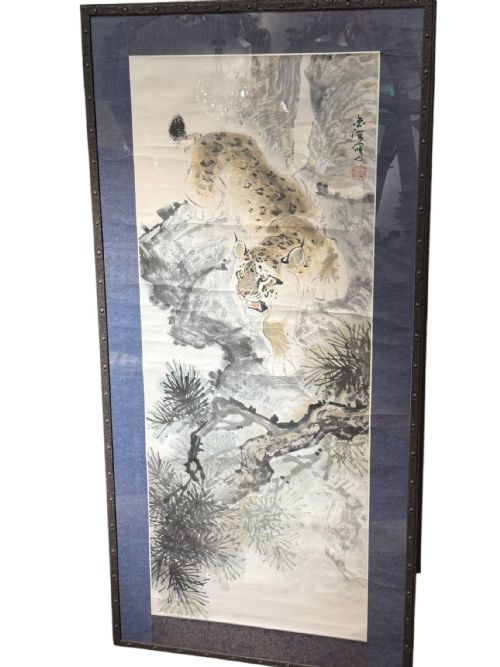
This selection of 20th century chinese art spans framed scroll paintings, ancestor portraits, ink and watercolour works, and bound albums. You will also encounter carved jadeite rings, coral figural groups, wood carvings, and large scale brass rubbies alongside woven Peking carpets.
The pieces cross multiple eras including the late Qing, Republic period, and mid-century modern phases. Traditional Chinese aesthetics sit alongside China Trade painting and early 20th century interpretations.
Paintings on paper and silk form a major strand of the selection, often signed or attributed to known studios and individual artists. Rugs and carpets provide large scale textiles suited to room settings.
How they were made
Works on paper utilise traditional ink and watercolour techniques applied to silk, scroll paper, and bound album leaves. Artists often applied personal seals alongside their brushwork.
Carved items employ precious materials such as coral, jadeite, wood, and glass, shaped into figural groups, rings, pendants, and Peking bottle vases. Brass rubbings capture historical stone reliefs onto paper using ink.
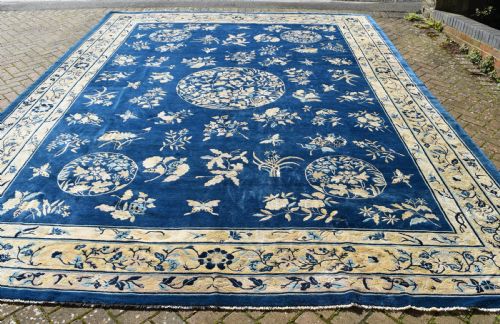
Rugs and carpets employ dense wool and cotton foundations, knotted or woven in traditional regional patterns such as the Pao Tao style.
20th Century Chinese Art Retail Price Guide 2026
Typical asking prices for 20th century chinese art among the pieces listed under this phrase on Sellingantiques today, from the lower quarter to the upper quarter. They describe what is for sale here now, not the wider market.
Listings feature paper, silk, glass, wood, wool, cotton, and gold across paintings, rugs, sculptures, rings, and vases.
What varies in quality
The finesse of brushwork and the presence of artist signatures or studio seals distinguish simpler decorative pieces from accomplished works. Condition of delicate paper, silk, and woven fibres also determines the standing of an item.
The depth of carving in jadeite, coral, and wood dictates the refinement of sculptural forms. Purity of glass and the density of knotting in Peking carpets complete the distinctions across the range.
Ah Hee Studio·Ya Ming
The 20th Century Chinese Art Glossary
- Scroll
- A length of paper or silk mounted for display or rolling, often featuring ink paintings or calligraphy. Scrolls represent a traditional format for East Asian visual works.
- Peking carpet
- A woven floor covering produced in the region of Beijing, recognised by distinctive classical motifs and thick pile construction. These textiles often feature muted blue or neutral palettes.
- Brass rubbing
- An impression taken by placing paper over an engraved brass or stone relief and rubbing pigment across the surface. This technique records historical carvings and sculptural details onto a portable sheet.
- Republic Period
- The era in Chinese history running from 1912 to 1949, following the fall of the Qing dynasty. Art from this period blends traditional literati themes with modern influences.
- Jadeite
- A dense pyroxene mineral carved into ornaments, jewellery, and pendants. Its natural translucency and green or white coloration made it highly prized across dynasties.
20th Century Chinese Art: Frequently Asked Questions
What defines a scroll painting?
Scroll paintings are executed on flexible surfaces like paper or silk rather than rigid panels or stretched canvas. They are designed to be rolled for storage or hung vertically and horizontally for viewing.
Traditional mountings frame the central artwork with borders of brocade or patterned fabric. This format protects the delicate pigments and allows rotating displays of different compositions.
How do I identify a Republic period piece?
Republic period items bridge traditional imperial styles and early twentieth-century modernism. They often display greater experimentation in subject matter while retaining classic literati techniques.
Signatures, studio seals, and specific materials help anchor objects within this era. Comparing the brushwork style to dated examples clarifies the timeline.
Where were Peking carpets used?
Peking carpets served as major floor coverings within traditional room settings, offering warmth and decorative presence. Their room-scale dimensions suited formal reception spaces and studies.
The heavy wool pile provided durability while the characteristic designs anchored the interior aesthetic. They complement both historic rooms and contemporary spaces.