
Chinese Oriental Sculptures
Chinese oriental sculptures span millennia of master craftsmanship, offering collectors figures and carvings cast in bronze, carved in jade, and modelled in pottery.
Chinese Oriental Sculptures
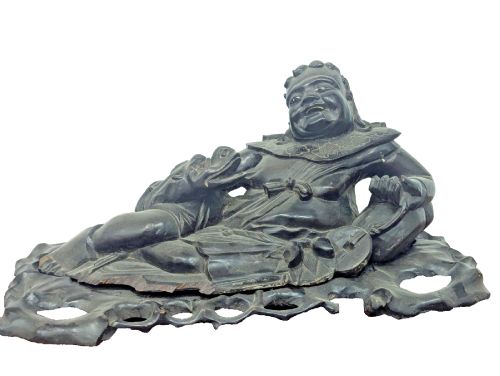
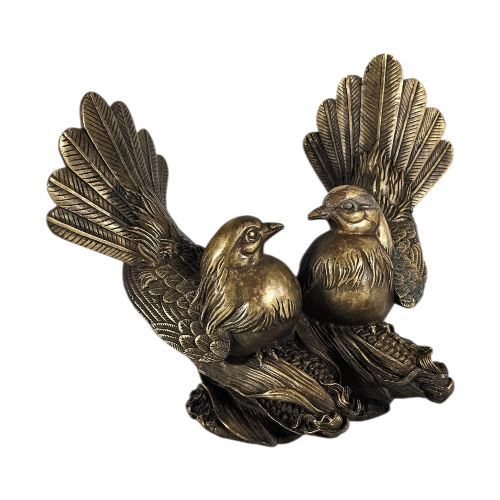
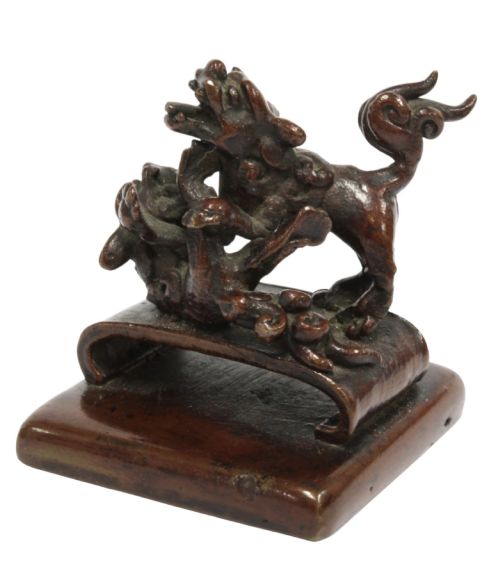
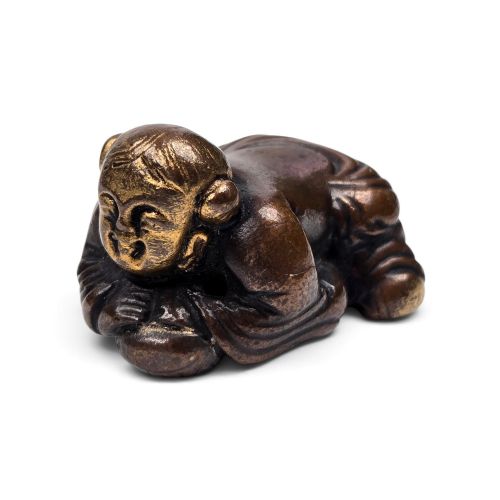
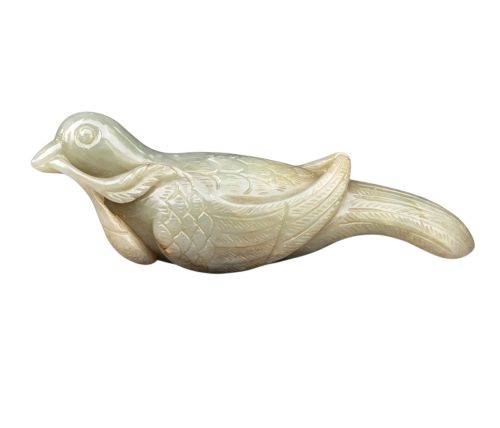
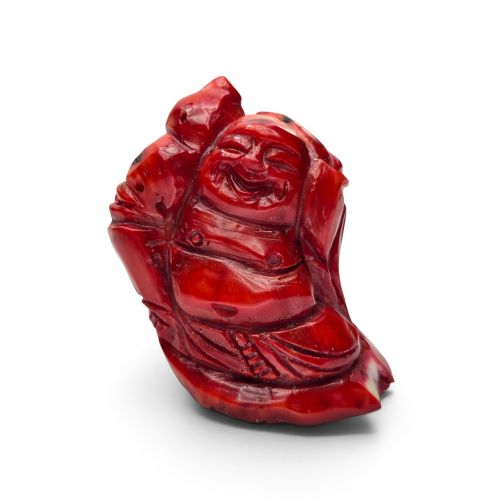
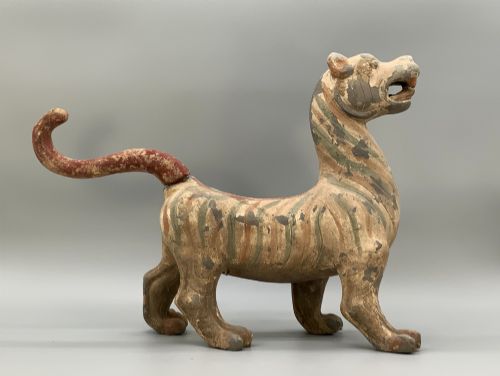
When you search for chinese oriental sculptures, you encounter figures and carvings spanning multiple centuries, from ancient pottery tomb pieces to Qing dynasty hardstone carvings and bronze scholar objects. The selection includes mythical beasts, Buddhist deities, Daoist immortals, and animals rendered in a variety of traditional forms.
You are most likely to meet 19th-century and early 20th-century bronzes, hardwood figures, and soapstone carvings on this page. These pieces range from small desk paperweights and seals to large temple guards and decorative sculptures.
The materials reflect traditional Asian artistry, encompassing carved jade, soapstone, hardwood, bronze, and terracotta. Each material dictates the scale and purpose of the object, whether created for scholar desks, temples, or domestic display.
Materials and production techniques
Bronze sculptures utilise traditional lost-wax casting methods, often enhanced through fine surface chiselling, selective fire-gilding, or patination. Artisans shaped these metal works into detailed mythical creatures, deities, and desk ornaments.
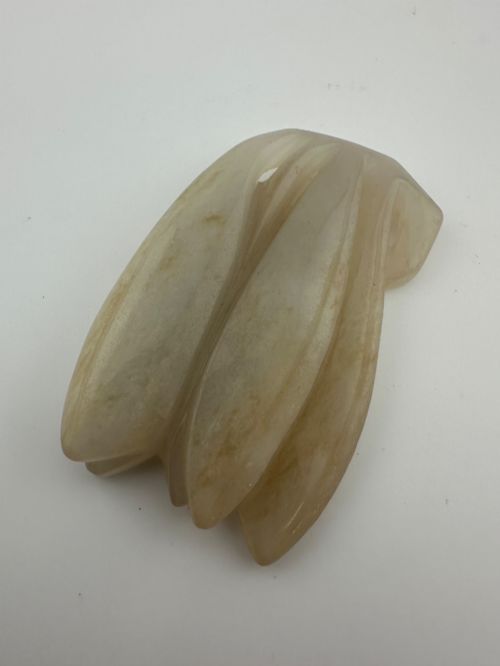
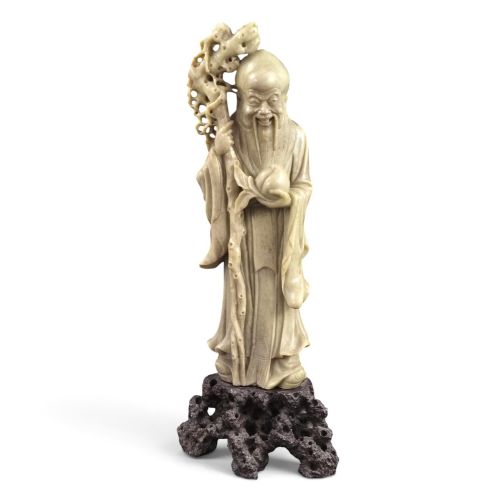
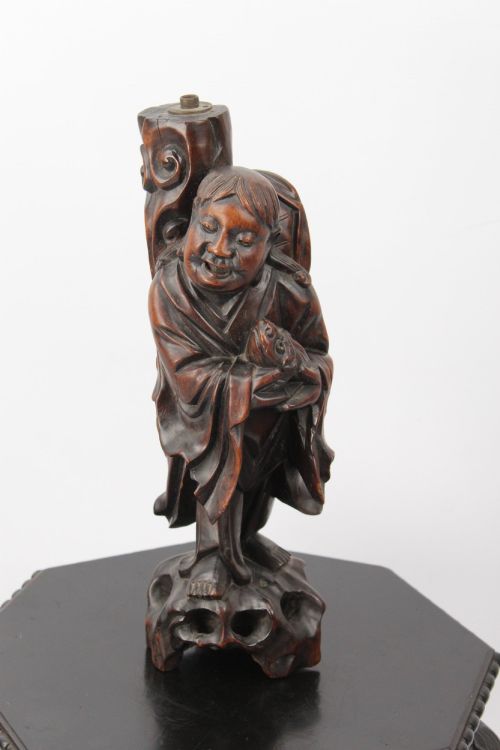
Carved pieces employ dense materials such as jade, bowenite serpentine, soapstone, and hardwoods like huanghuali or zitan. Craftsmen worked these resistant mediums using abrasives and hand tools to achieve smooth contours and intricate surface details.
Terracotta and pottery figures from early periods rely on moulded or hand-formed clay bodies, occasionally finished with painted pigments or sancai glazes before firing.
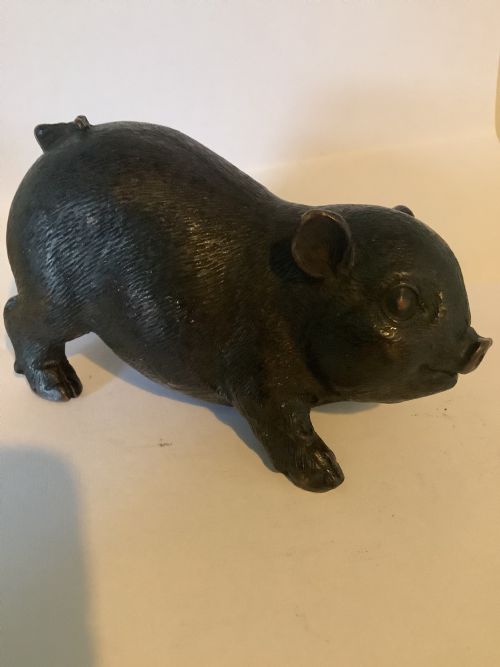
Several bronze pigs and celestial beasts populate the metalwork selection, proving that ancient sculptors possessed a rich sense of humour.
Distinctions in quality and execution
The crispness of the carving and the depth of relief work define the visual strength of stone and wood figures. Superior examples display confident tool marks and naturalistic anatomy, whereas lesser works appear stiff and generalised.
Bronze and metalwork quality rests on the precision of the casting and the refinement of the finishing details. Expertly chased surface textures and secure original mountings elevate a piece above standard commercial production.
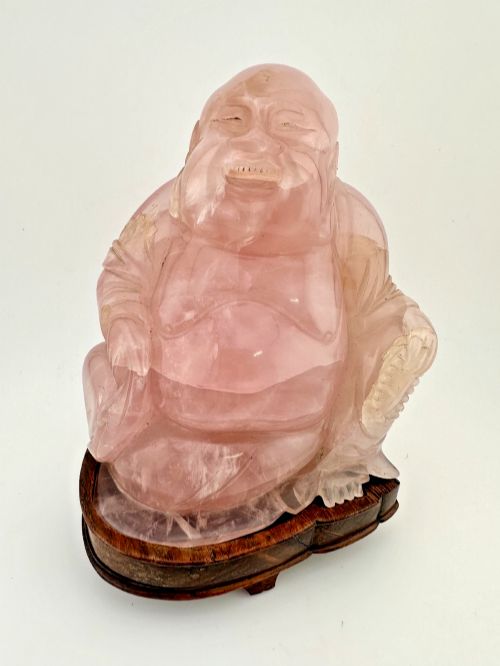
Material selection plays a primary role, particularly with natural minerals such as jade, coral, and hardstone. Superior transparency, absence of internal flaws, and harmonious natural colouration distinguish the finest scholar carvings.
The Chinese Oriental Sculptures Glossary
- Pixiu
- A mythical winged celestial creature in Chinese mythology, often depicted as a lion-like beast that attracts wealth.
- Shishi
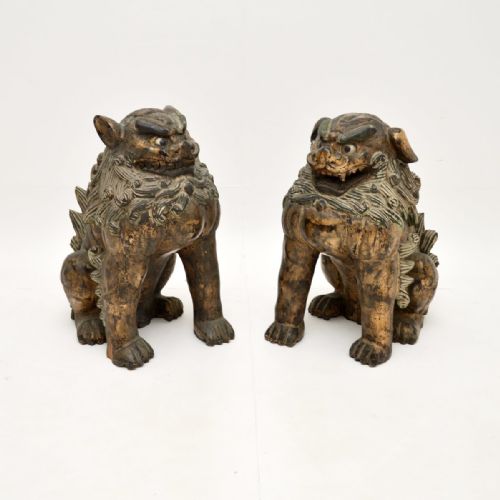
- A traditional stone or bronze guardian lion, frequently carved in pairs to protect doorways and sacred spaces.
- Scholar's object
- A category of refined implements and decorative desk items created for the literary elite, including seals, water droppers, and paperweights.
- Sancai
- A traditional type of lead-glazed pottery using a tripartite colour scheme, most commonly associated with Tang dynasty figures.
- Lokapala
- A celestial guardian king depicted in armour and fierce posture, traditionally positioned to ward off evil spirits.
Chinese Oriental Sculptures: Frequently Asked Questions
How do I identify a Ming dynasty sculpture?
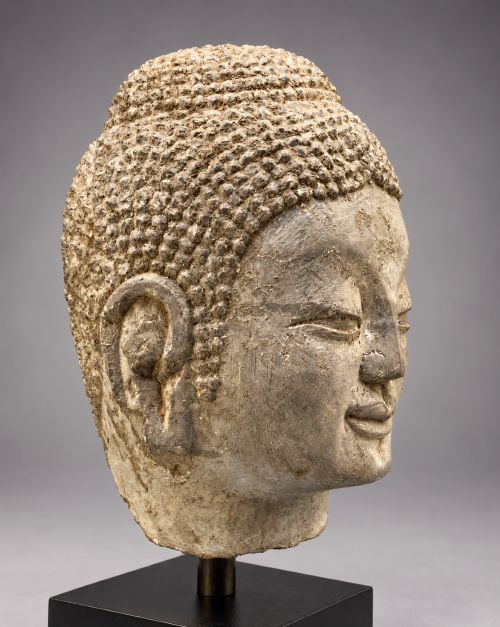
Ming pieces typically display robust forms, deep mineral patination, and specific stylistic conventions associated with 14th- to 17th-century craftsmanship.
Examining the casting seams on bronzes or the mineral composition of limestone and wood heads helps establish the historical context of these early works.
Where were temple guard sculptures placed?
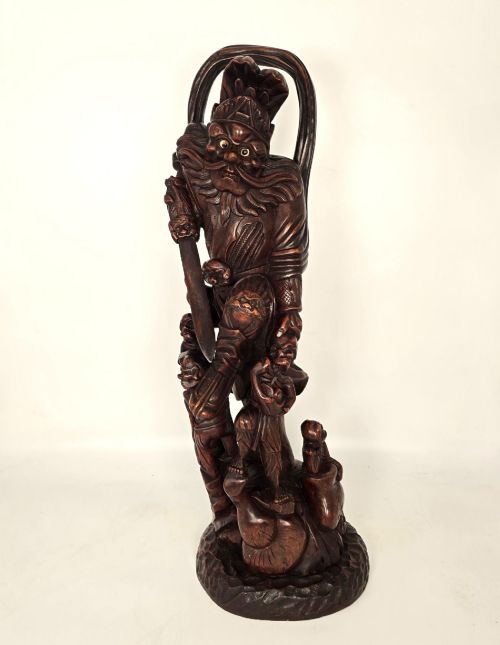
Temple guards, including large wooden Lokapala or lacquered Buddhist lions, stood at the entrances of sacred buildings to provide spiritual protection.
Their imposing scale and fierce expressions were designed to deter malevolent forces and command respect within monastic architecture.
How should I display a hardstone carving?
Hardstone carvings such as jade, serpentine, and soapstone require stable placement away from direct sunlight and sudden temperature shifts.
Many fine figures come with fitted wooden stands, which protect the polished mineral base and complement the organic contours of the stone.