

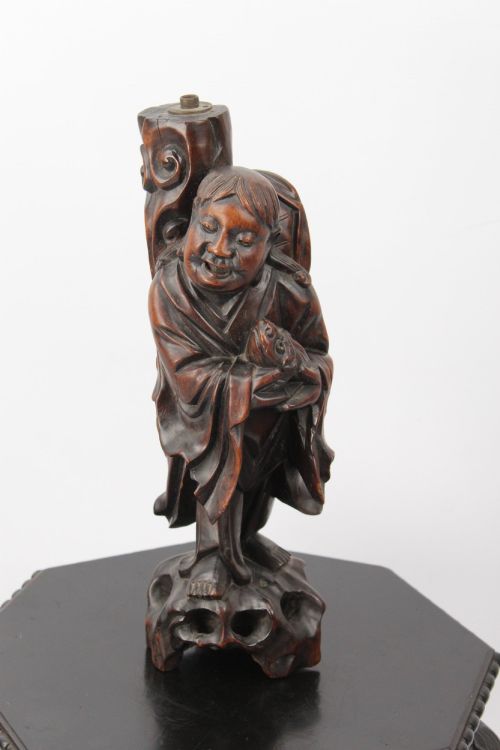
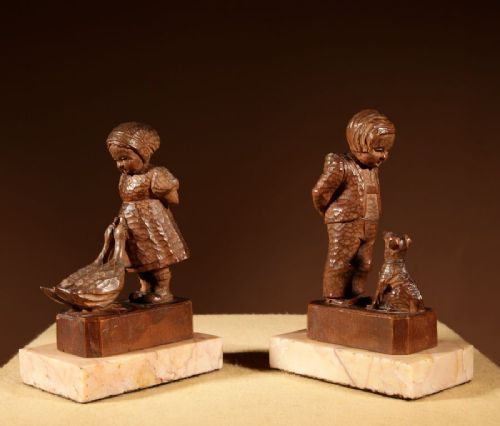
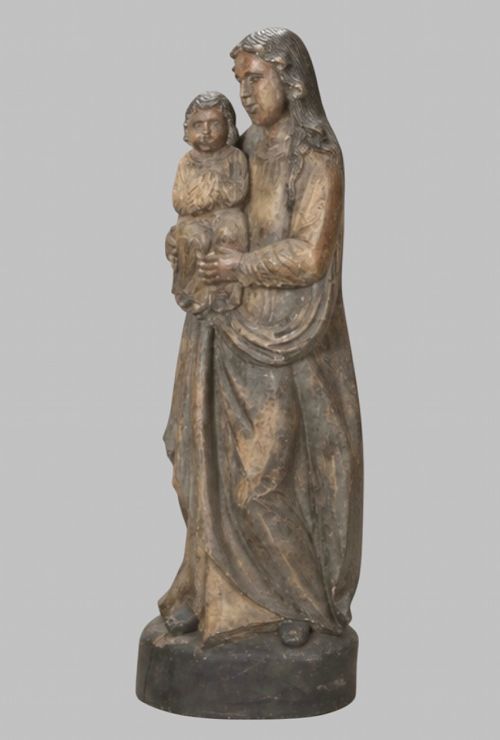
Dark Wood Statues
Dark wood statues bring deep grain and carved presence into a room, spanning centuries of global craftsmanship from European altarpieces to Asian deities.
Dark Wood Statues
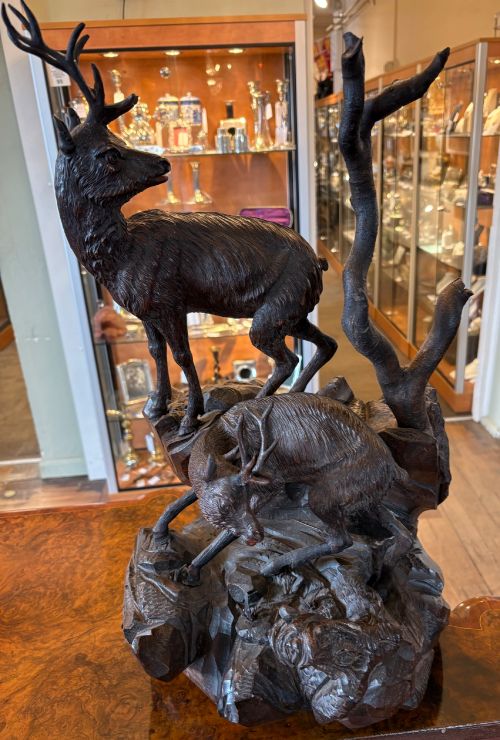
When searching for dark wood statues, collectors encounter a diverse array of figural carvings ranging from devotional European saints to naturalistic Black Forest animals. These works capture human, animal, and mythological subjects rendered in three dimensions through traditional carving methods.
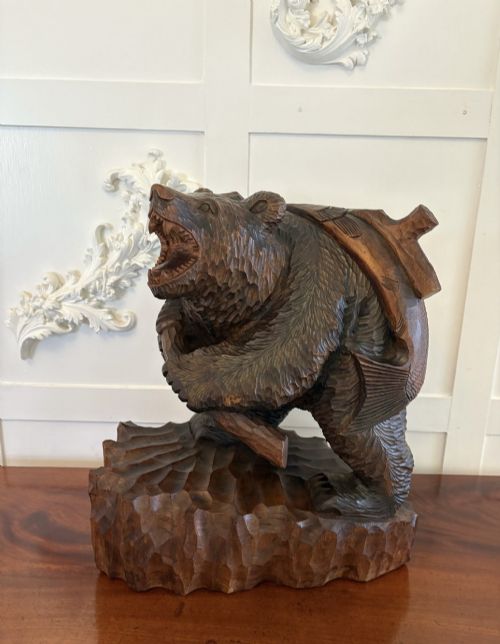
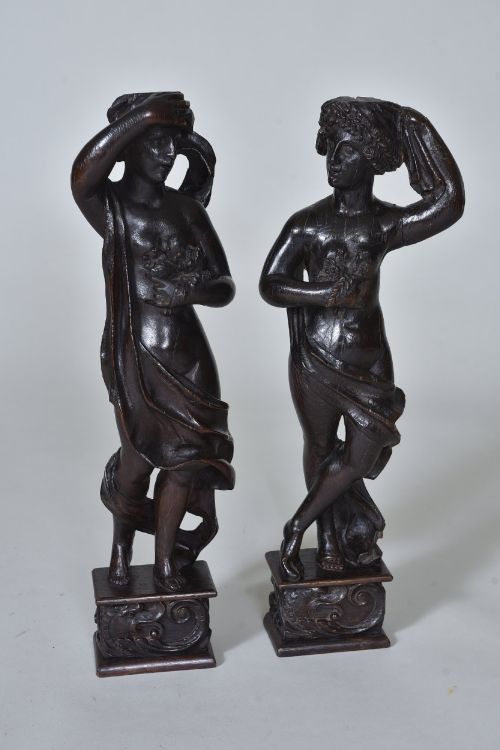
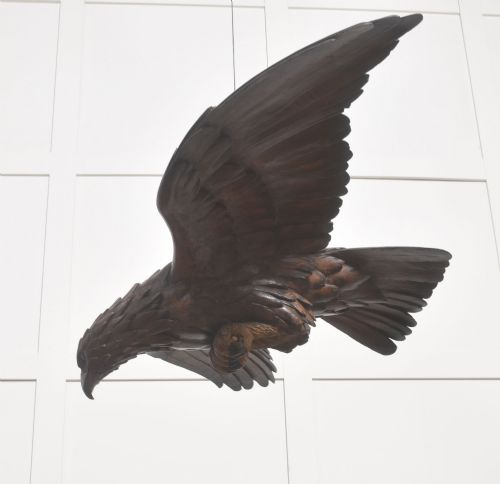
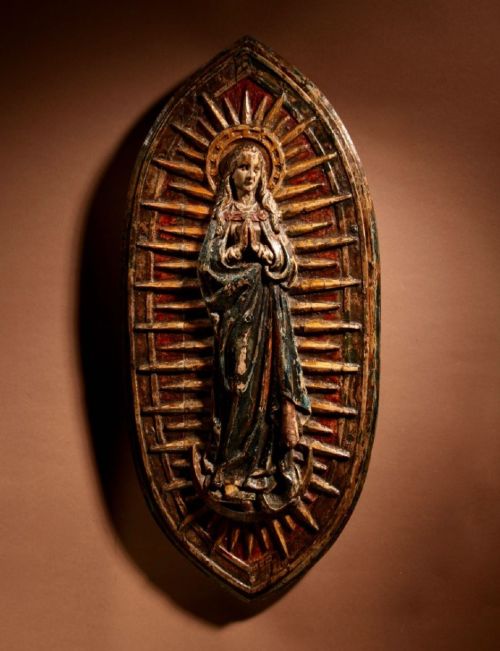
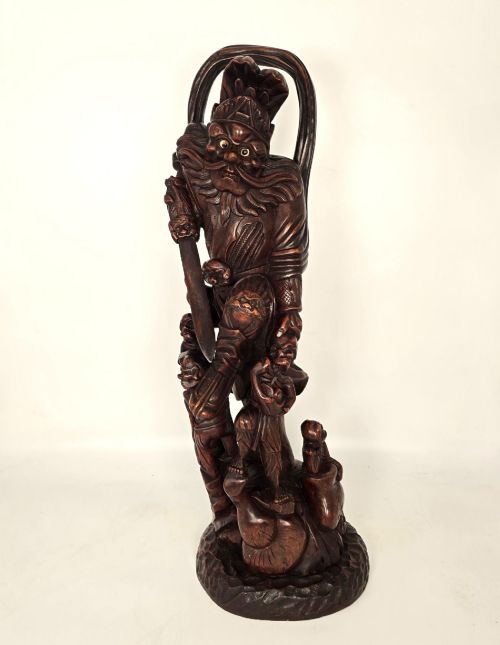
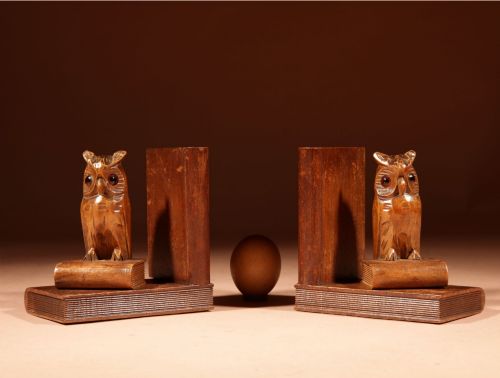
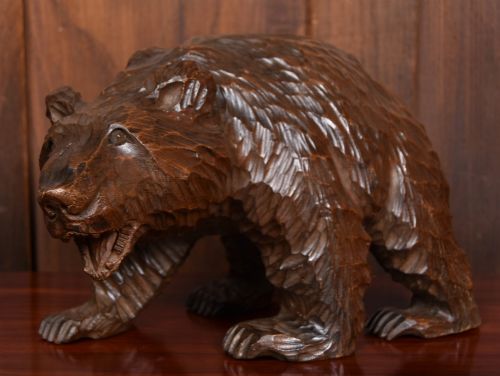
The versions most frequently met on this page include nineteenth century Black Forest bears and owls, early twentieth century Chinese hardwood guardian figures, and eighteenth century oak religious fragments. Each piece reflects the specific regional carving traditions and timber resources of its origin.
The category encompasses freestanding sculptures, architectural elements such as newel post finials, and tabletop bookends or tobacco holders. These diverse objects share a reliance on dark timber and skilled hand manipulation to create texture and form.
Materials and carving techniques
Carvers utilised dense timbers such as oak, walnut, limewood, linden, and various exotic hardwoods that accepted fine detail and developed rich patination over time. These woods were selected for their grain stability and depth of natural colour, often enhanced by dark stains or wax finishes.
Makers employed hand chisels, gouges, and knives to shape the timber directly from the block, leaving subtle tool marks across the surfaces of figures and animals. This subtractive method required immense precision, particularly when rendering complex drapery, fur, or facial expressions from a single piece of wood.
Victorian households happily stored their smoking accessories inside carved wooden bears holding hollow logs.
Factors determining quality
Quality rests in the anatomical accuracy and expressive depth achieved by the carver, distinguishing stiff, formulaic items from spirited studies with distinct personality. Superior pieces display confident handling of muscle, feather, or fabric without awkward proportions or hesitant cuts.
The integrity of the timber and the preservation of the original surface patination dictate the desirability of a sculpture. Examples that retain their authentic unpolished warmth and show minimal structural intervention command greater appreciation among discerning buyers.
Valentino Besarel·Tomochika·Sier Kunst
The Dark Wood Statues Glossary
- Hardwood
- Timber derived from broad-leaved angiosperm trees, typically offering greater density and darker natural tones than softwood. These woods provide the durable foundation for detailed figural carving.
- Black Forest
- A regional Swiss and German style of wood carving known for realistic animal studies, particularly bears, executed during the nineteenth and early twentieth centuries. These pieces often incorporate functional elements like bookends or umbrella stands.
- Newel Post
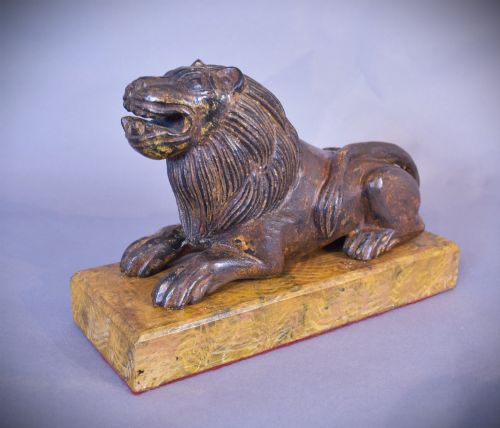
- The principal upright post at the turn or foot of a staircase, frequently capped with a carved finial or statue in historic interiors. These structural ornaments often took the form of heraldic lions or figures.
- Okimono
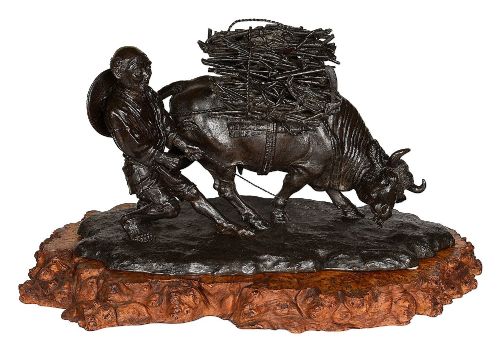
- A Japanese decorative objet d'art designed for display in a household alcove or on a shelf, originating predominantly in the Meiji period. They demonstrate exceptional miniature carving skill in wood or ivory.
Dark Wood Statues: Frequently Asked Questions
How do I care for dark wood statues?
Keep wooden sculptures away from direct sunlight and sudden temperature fluctuations to prevent the material from drying out and splitting over time.
Dust the carved surfaces gently with a soft, dry cloth rather than applying liquid polishes that can build up in the recessed details.
Where were Black Forest carvings made?
These whimsical and naturalistic animal sculptures originated primarily in the mountainous regions of Switzerland and Germany during the nineteenth century.
Local woodcarvers produced them in large numbers to satisfy the growing demand from Victorian tourists travelling through Europe.
What is a Lokapala figure?
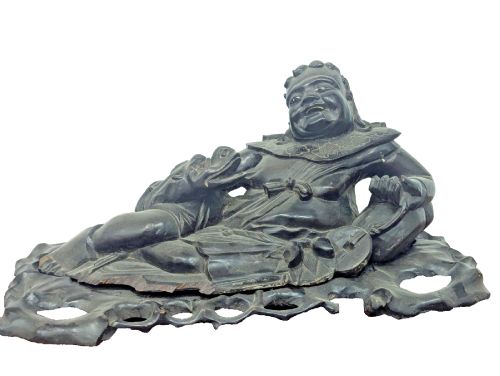
A Lokapala is a celestial guardian king in Asian traditions, typically depicted in fierce, armour-clad posture to ward off evil spirits and protect sacred spaces.
Chinese carvers rendered these monumental figures in dense hardwood with dramatic facial expressions and elaborate drapery.
How do I date an oak wood carving?
Examine the tool marks left behind on the unpolished undersides or backs of the sculpture, as hand-chiselled facets differ significantly from machine-cut surfaces.
Consider the wear patterns, timber shrinkage, and the historical style of the clothing or subject matter to place the piece within its correct century.