





Guanyin Sculpture
A guanyin sculpture brings the embodiment of compassion into your home, rendered in porcelain, bronze, wood, or stone across centuries of Asian artistry.
Guanyin Sculpture
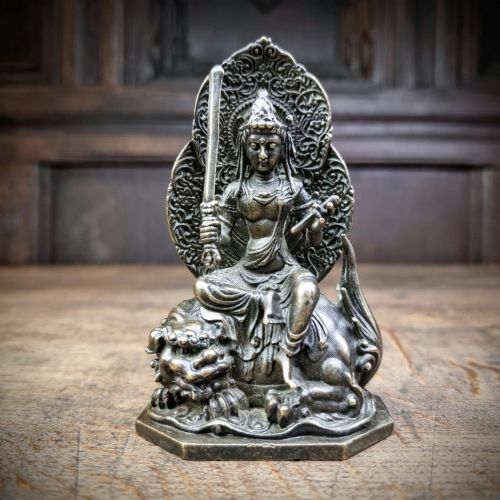
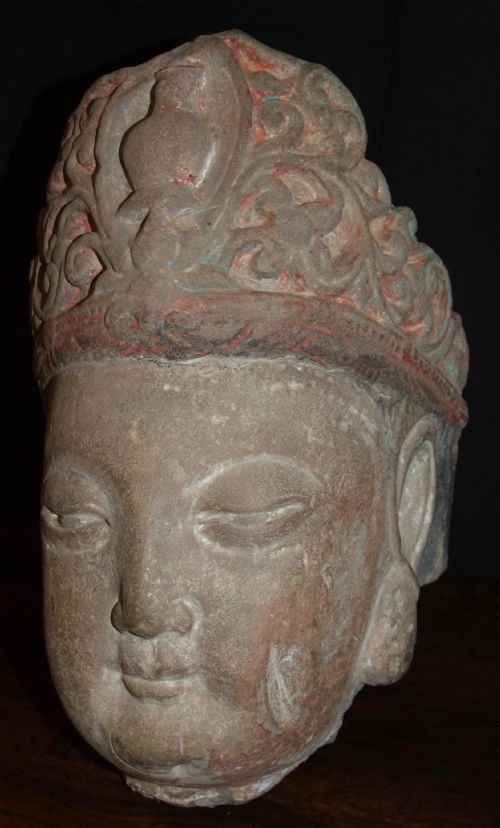
When you search for a guanyin sculpture, you encounter figures of the revered Buddhist deity of mercy spanning the nineteenth century, the Edwardian era, and earlier periods including the Ming Dynasty. These works originate from Chinese and Japanese traditions, appearing as standing statues, seated figures, triads, and carved stone heads.
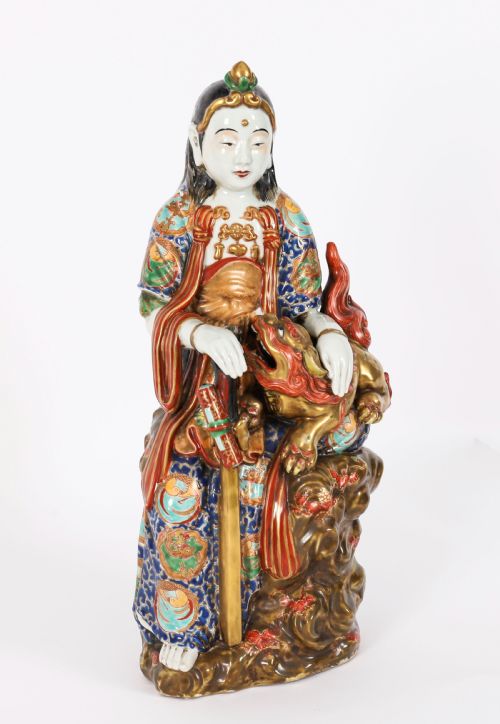
Each guanyin sculpture reflects the distinct aesthetic of its period, from Qing Dynasty sensibilities to Meiji and Taisho period Kutani porcelain styles. These pieces function as both spiritual objects and works of decorative art, carrying traditional iconography associated with the Goddess of Mercy and Avalokiteshvara.
How they were made
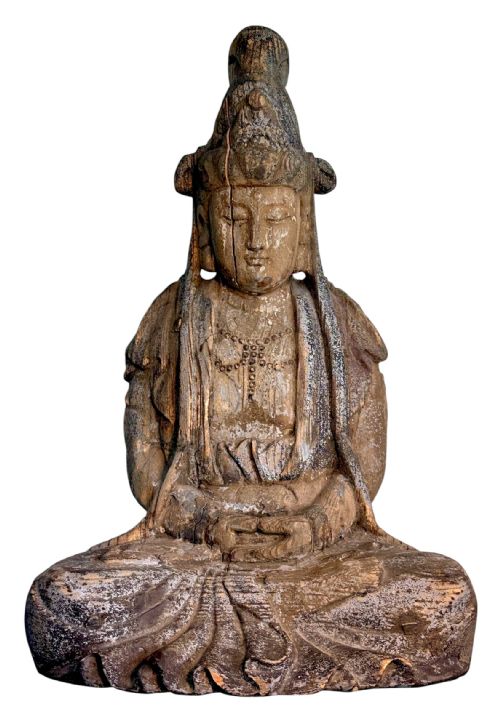
Makers shaped these guanyin sculpture examples through traditional methods of carving, casting, and ceramic production. Wood sculptures rely on skilled hand carving, frequently finished with layers of gesso, polychrome pigments, gold leaf, and gilding to add depth to the drapery and facial expressions.
Metal versions utilise bronze and iron, shaped through casting techniques that capture intricate details in the robes and ornamentation. Porcelain pieces from Japanese Kutani and Chinese traditions involve meticulous hand painting with enamel and gold leaf over fired ceramic bodies.
Materials recorded on this page include gold leaf, enamel, polychrome pigments, and iron, reflecting Chinese and Japanese artistic traditions.
What varies in quality
The preservation of original surface treatments, such as polychrome pigments, gold leaf, and gilding, greatly influences the character of the object. Works that retain their early finishes offer a clearer connection to the original aesthetic intent of the maker.
The Guanyin Sculpture Glossary
- Guanyin
- A bodhisattva associated with compassion, widely venerated in East Asian Buddhism as the Goddess of Mercy. This figure is also known by related names such as Kannon and Avalokiteshvara.
- Polychrome
- Decoration employing several colours on ceramics, wood, or plaster surfaces. This technique brings visual complexity to the garments and ornamentation of the figure.
- Gilding
- The application of gold leaf or powder to surfaces such as wood, bronze, or stone. It highlights specific details and imparts a luminous quality to the sculpture.
- Kutani
- A style of Japanese coloured porcelain produced in Ishikawa Prefecture. Pieces from this tradition often feature intricate enamel work and gilded accents.
- Bodhisattva
- An enlightened being who defers Buddhahood to assist others on the path to liberation. Guanyin holds this revered position within Mahayana Buddhist traditions.
Guanyin Sculpture: Frequently Asked Questions
How do I identify a wooden guanyin?
Wooden examples of a guanyin sculpture are identified by visible grain, tool marks, and the presence of aged surface layers such as gesso, polychrome pigments, and gold leaf.
Over time, timber pieces develop a distinct patina and may show historical shrinkage cracks that indicate age and natural drying of the material.
Where were Kutani figures made?
Kutani porcelain figures originate from Japan, specifically the Kutani kilns in Ishikawa Prefecture. These works date predominantly from the Meiji and Taisho periods.
They are distinguished by detailed enamel painting, often incorporating traditional Japanese motifs alongside Buddhist iconography.
What materials were used for these sculptures?
Makers utilised a diverse range of materials including porcelain, bronze, carved wood, sandstone, and iron. Each medium required specialised techniques such as ceramic glazing, metal casting, or hand carving.
Surfaces were frequently enhanced with polychrome enamel, gold leaf, or pigments to add colour and texture.
How do I care for a painted wood sculpture?
Maintain a stable indoor environment away from direct sunlight, excessive moisture, and rapid temperature fluctuations to protect fragile pigments and wood.
Dust the surface gently with a soft, dry brush and avoid using liquid cleaners or polishes that could damage historical finishes.
What is the difference between Guanyin and Kannon?
Guanyin is the Chinese name for the bodhisattva of compassion, while Kannon is the Japanese equivalent for the same revered figure. Both names refer to the embodiment of mercy in Buddhist traditions.
Artistic representations vary according to the region and period of origin, reflecting local aesthetic preferences.