



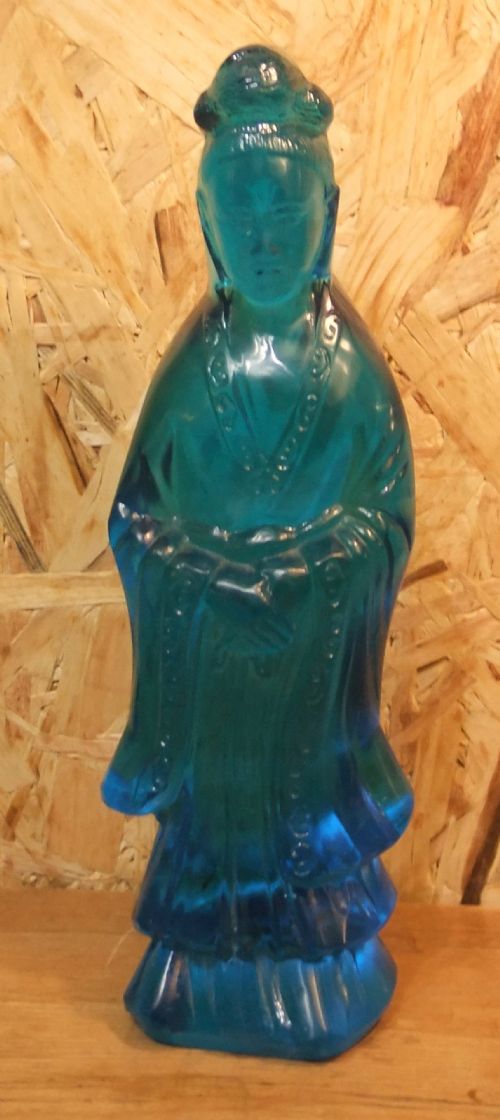
Antique Bodhisattva Statue
An antique bodhisattva statue brings centuries of meditative calm and sculptural craft into a room, capturing figures of compassion in bronze, wood and stone.
Antique Bodhisattva Statue
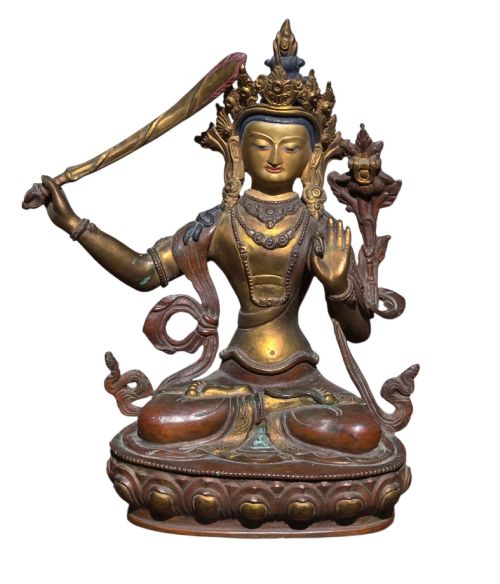
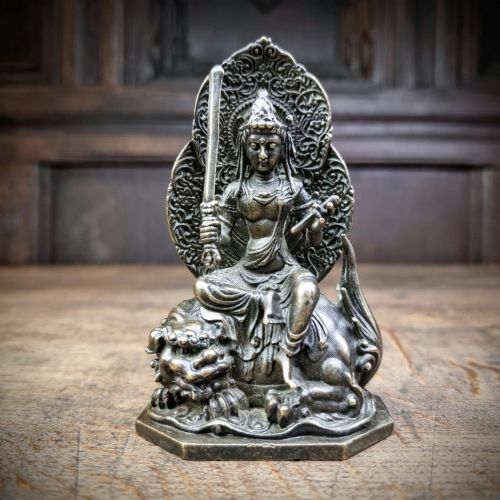
An antique bodhisattva statue represents an enlightened being dedicated to helping others attain spiritual awakening, taking form as revered figures such as Avalokiteshvara, Manjushri and Samantabhadra. Collectors seeking an antique bodhisattva statue encounter diverse regional traditions, ranging from Sino-Tibetan and Qing Dynasty bronzes to Javanese temple figures and carved Japanese pairs.
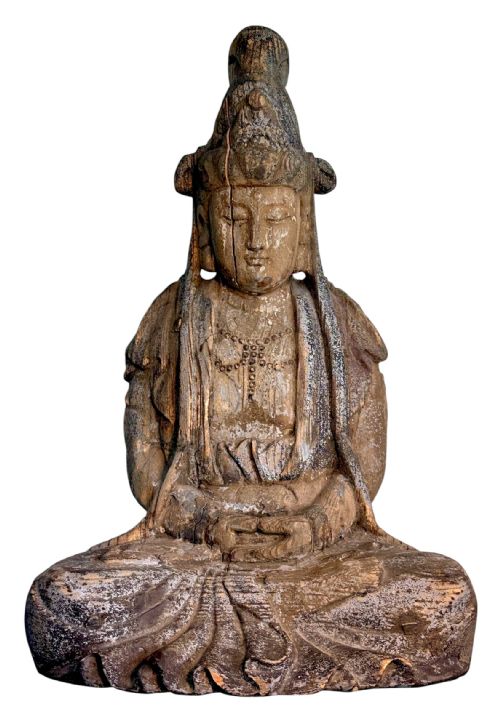
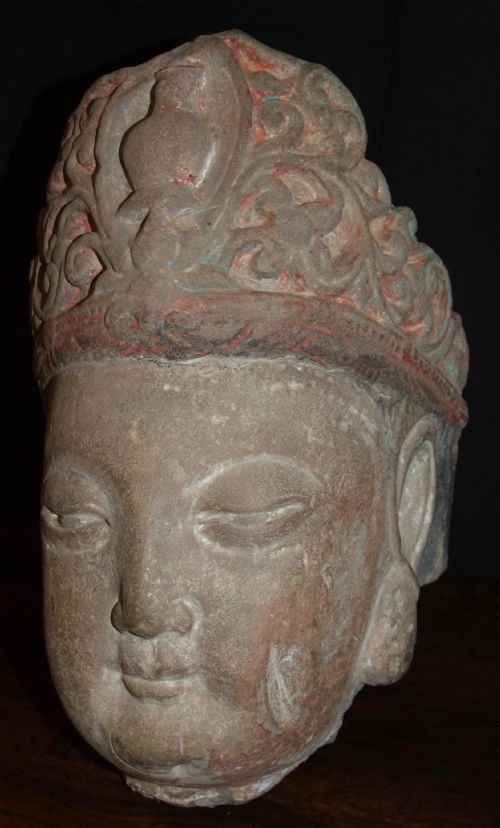
The pieces appearing here span centuries of sculpture, including Ming Dynasty sandstone heads, late eighteenth-century wood carvings and nineteenth-century gilt-bronze works. Smaller household figures share space with substantial temple bronzes, offering varied scales for display.
Materials shape the character of each piece, moving from cast copper alloys and heavy bronze to carved timber, sandstone and Peking glass. Traces of original pigment, gold leaf and mineral inlays frequently survive on the surface, marking the passage of time.
How they were made
Casting metal figures relied on traditional lost-wax methods, allowing artisans to capture intricate details in bronze, copper alloy and gilt metal. Molten metal filled the mould, after which sculptors chased the surface and applied surface gilding or polychrome pigments.
Carved pieces emerged from blocks of timber or sandstone using chisels and gouges, shaping the flowing garments and serene facial expressions characteristic of these deities. Artisans then applied layers of gold leaf, lacquer and mineral inlays to enhance the sacred presence of the sculpture.
Listings feature periods spanning from pre-sixteenth century sandstone to the Victorian era and early twentieth-century Chinese metalwork.
What varies in quality
The survival of original surface treatments, such as gilt bronze, gold leaf and mineral pigments, elevates the integrity of a sculpture. Pieces retaining their original polychromy or undisturbed patination offer a truer connection to their period of origin.
The Antique Bodhisattva Statue Glossary
- Bodhisattva
- An enlightened being who postpones enlightenment to assist others on the spiritual path. These figures are central to Mahayana Buddhism and appear frequently in Asian art.
- Avalokiteshvara
- The bodhisattva embodying the compassion of all Buddhas, often known as Guanyin or Kwan Yin in East Asian traditions. Sculptures frequently depict this figure with multiple arms or holding sacred attributes.
- Manjushri
- The bodhisattva associated with transcendent wisdom, typically holding a sword or scripture. This figure appears in both Sino-Tibetan bronzes and Japanese sculptural pairs.
- Gilt Bronze
- Metal cast in bronze and subsequently coated with a layer of gold. This technique imparts a radiant finish that endures across centuries.
- Polychrome
- Decorated in multiple colours using paints or mineral pigments applied to wood, stone or metal surfaces. Surviving pigment adds visual depth to antique carvings.
Antique Bodhisattva Statue: Frequently Asked Questions
What is a bodhisattva?
A bodhisattva is an enlightened figure in Buddhist tradition who chooses to remain in the cycle of rebirth to guide humanity toward spiritual awakening. Sculptors portray them with serene expressions and royal ornaments to signify their elevated status.
Unlike fully enlightened Buddhas, bodhisattvas wear flowing scarves, jewellery and crowns. They represent specific virtues such as compassion, wisdom and steadfast action.
How do I identify materials?
Examining the weight, surface texture and colour helps distinguish between cast metals, carved timbers and stone. Bronze and copper alloys feel heavy and often develop a natural patina over time.
Wooden sculptures show grain patterns beneath layers of lacquer or pigment, while sandstone figures reveal a granular texture. Traces of gold leaf or mineral inlays frequently adhere differently to each substrate.
Where were these statues placed?
Original locations ranged from major Buddhist temples and monastic shrines to private domestic altars. Larger bronze and stone figures often stood within temple halls as objects of daily devotion and ritual focus.
Smaller household bronzes and carved wooden statues served personal meditation spaces within homes. Their portable nature allowed them to travel across regions and eventually into collections.
How do I care for an antique statue?
Maintaining these pieces involves keeping them in stable environmental conditions away from direct sunlight and excessive moisture. Sudden temperature shifts can harm fragile wood, sandstone and layered pigments.
Dusting requires only a soft, dry brush to protect delicate gilt surfaces and patination. Polishing metal or applying modern cleaners should be avoided to preserve the historic skin of the object.