
Qing Dynasty Statue
When you search for qing dynasty statue, you encounter centuries of carved deities, mythical beasts, and scholars rendered in bronze, hardwood, and porcelain.
Qing Dynasty Statue
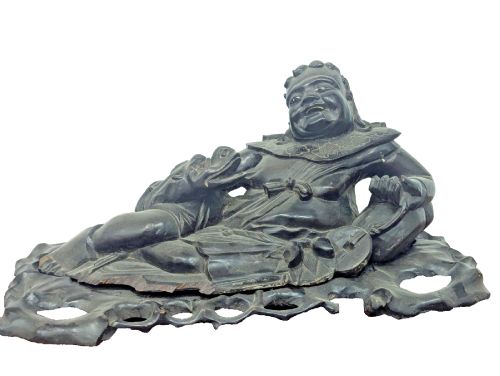
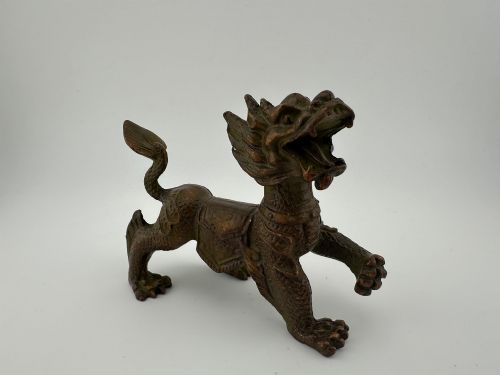
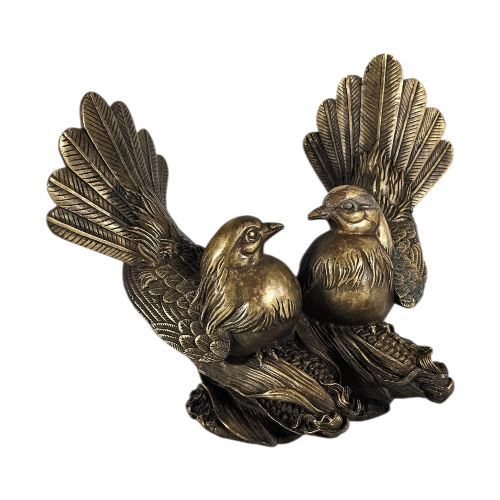
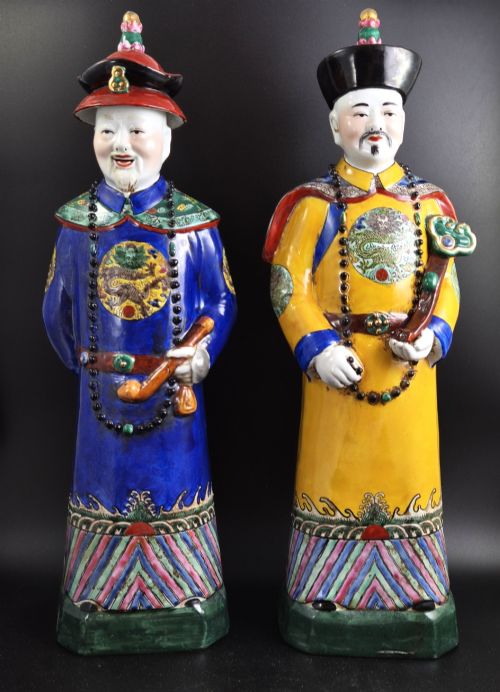
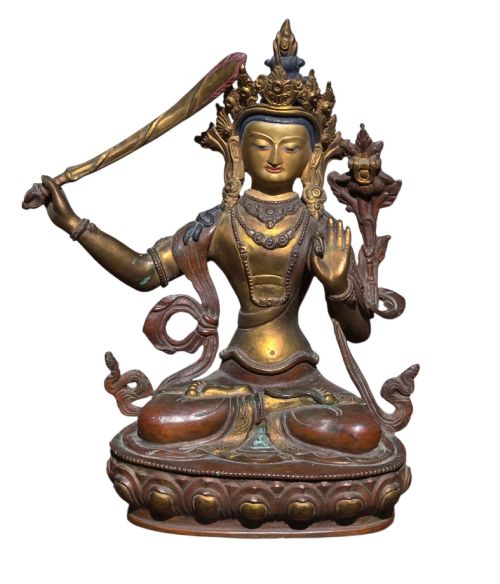
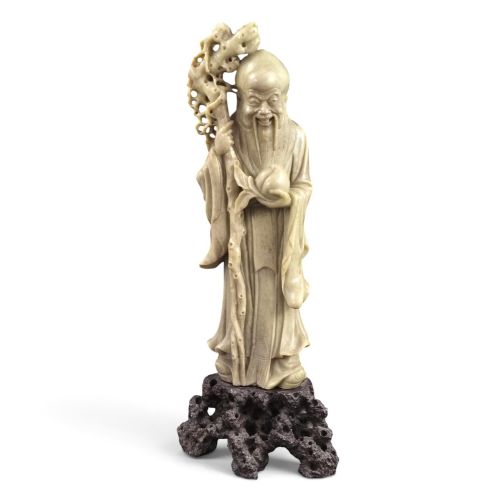
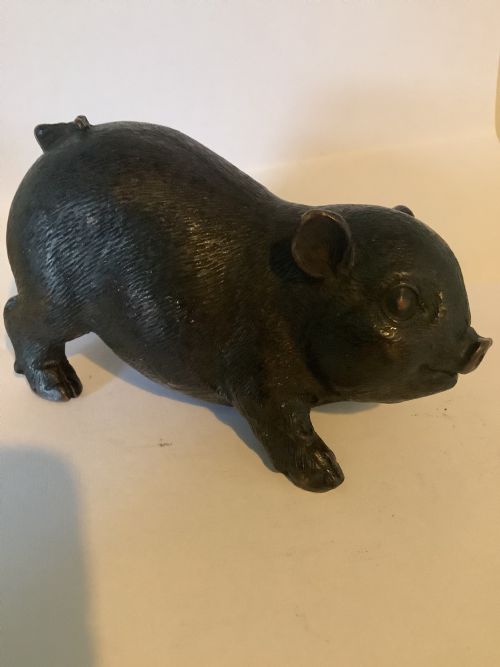
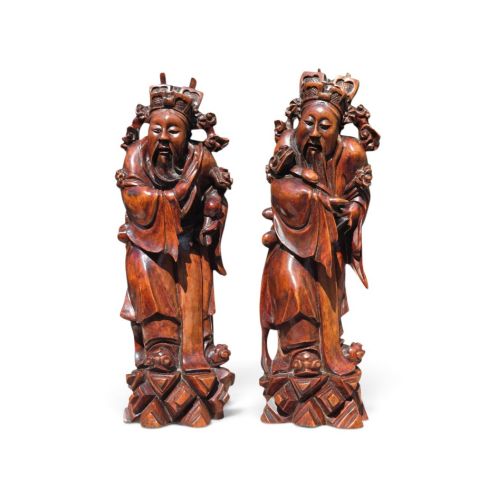
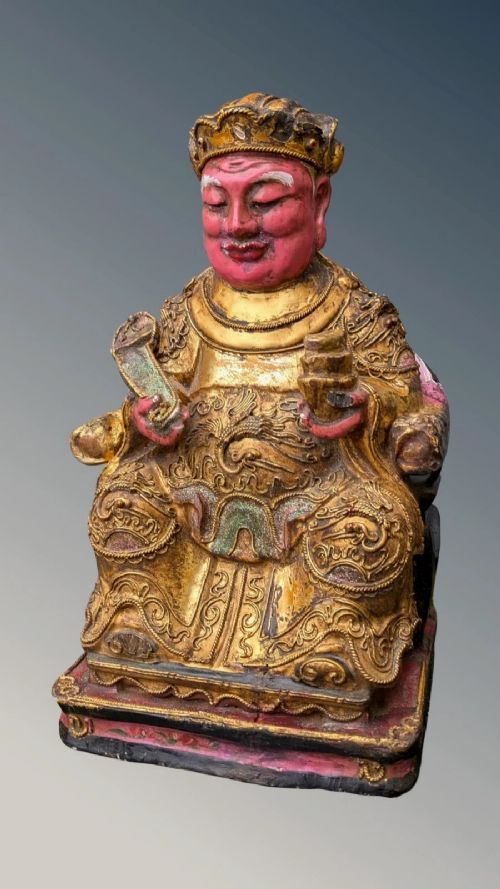
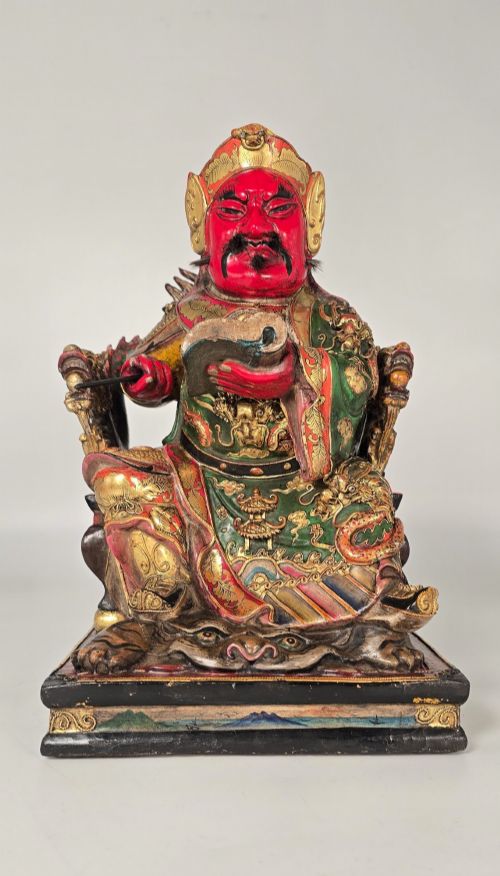
A qing dynasty statue encompasses figural sculptures, deities, and animal carvings originating from China between the seventeenth and early twentieth centuries. The selection available spans temple guardians, Daoist immortals, and Buddhist figures cast in metal or carved from timber.
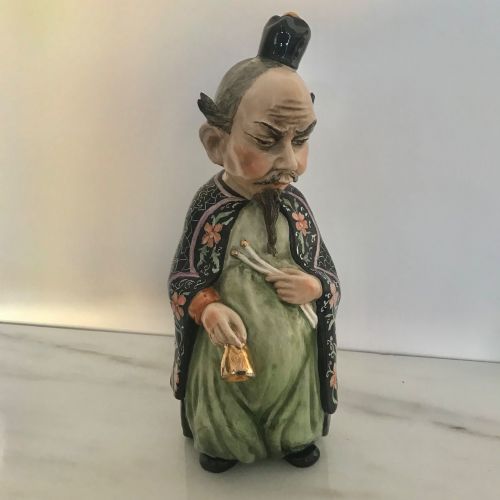
Most examples date from the nineteenth century, including late Qing works in polychrome wood, soapstone, and glazed ceramic. These range from small desk pieces to monumental temple figures created for ritual or domestic display.
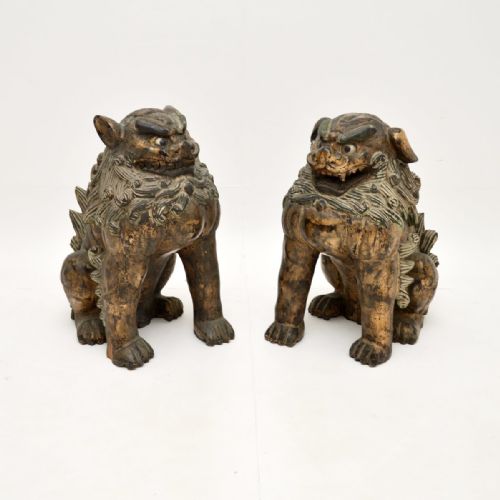
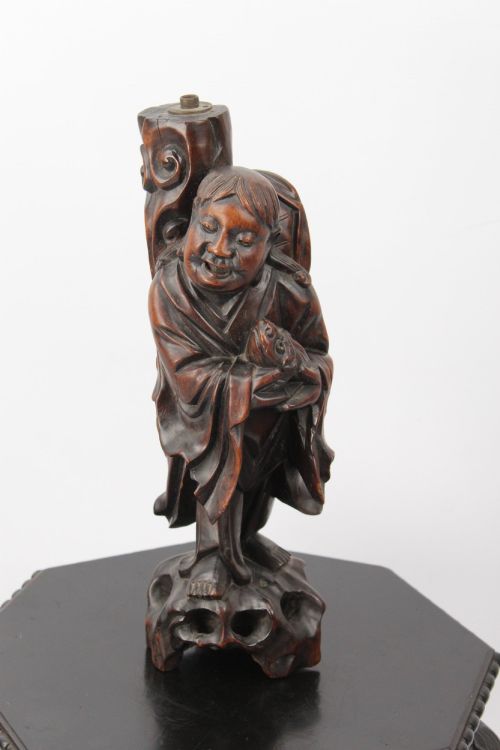
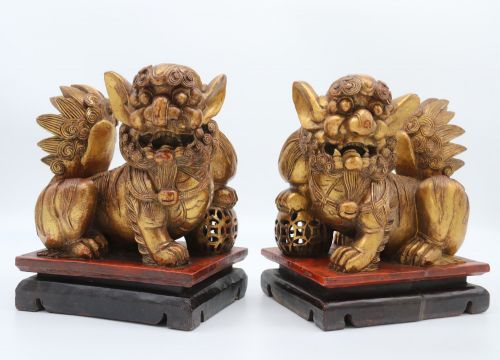
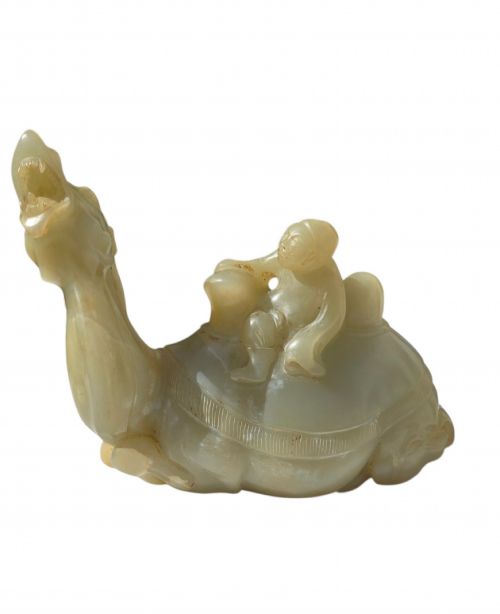
Subjects include figures of Guanyin, Luohans, scholars, and mythical beasts such as Foo dogs and pixiu. Buyers encounter both secular depictions of fishermen and boys alongside sacred representations of Buddhist and Daoist personages.
How qing dynasty statue works were made
Makers shaped these objects using traditional techniques appropriate to the medium, employing lost-wax casting for bronzes and intricate chisel work for hardwoods and boxwood. Many wooden and ceramic figures received hand-applied polychrome pigments, gilt leaf, or lacquer finishes.
Pricier pieces utilised fine materials such as jadeite, bowenite serpentine, and dense hardwoods like zitan or huanghuali. Artisans often worked the natural grain of root wood or stone to define the contours of robes and animal forms.
Qing Dynasty Statue Retail Price Guide 2026
Typical asking prices for qing dynasty statue among the pieces listed under this phrase on Sellingantiques today, from the lower quarter to the upper quarter. They describe what is for sale here now, not the wider market.
Current listings feature materials ranging from bronze and hardwood to porcelain, stone, and root wood.
What varies in quality
The sophistication of the carving defines the upper tier of figures, particularly in the rendering of facial expressions, drapery folds, and anatomical proportions. Master carvers extracted expressive detail from stubborn grain or hard stone.
Surface preservation significantly alters the standing of a piece, with intact original gilding, lacquer, and polychrome pigments commanding greater attention than worn or stripped surfaces.
The Qing Dynasty Statue Glossary
- Foo Dog
- A traditional guardian lion depicted with a playful or fierce expression, often carved as pairs in wood, stone, or bronze. These mythical protectors guarded temple doors and domestic entrances.
- Guanyin
- The Bodhisattva of Compassion, frequently represented in porcelain, bronze, and carved wood during the Qing era. Sculptures show the figure in various meditative or serene postures.
- Famille Rose
- A palette of opaque enamel colours introduced in the Qing dynasty, dominated by pink and rose shades. It appears on porcelain figures and earthenware incense holders.
- Sino-Tibetan
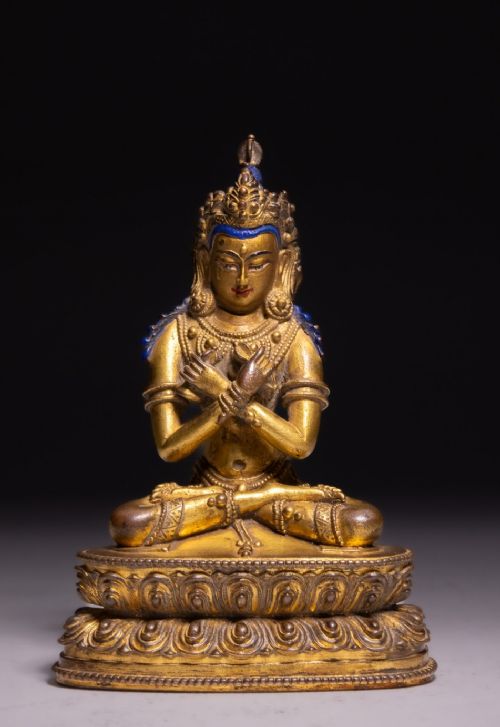
- A stylistic crossover reflecting Tibetan Buddhist iconography produced under Chinese imperial patronage. These gilt-bronze works combine Tibetan deities with Chinese casting methods.
- Luohan
- One of the enlightened disciples of Buddha, often depicted in ascetic or meditative poses. Qing sculptors rendered them in glazed ceramic, porcelain, and painted wood.
Qing Dynasty Statue: Frequently Asked Questions
How do I identify a Qing dynasty figure?
Look closely at the materials, carving style, and surface treatments like polychrome or lacquer, which often follow historical aesthetic standards of the period.
Examining the base and general form helps connect the piece to documented styles from the eighteenth and nineteenth centuries.
Were these statues meant for temples?
Many larger examples served ritual or protective roles inside temples, including guardian figures and temple Buddhas.
Smaller carvings were typically created for domestic shrines, scholar desks, or interior decoration.
How should I care for wooden statues?
Keep wooden and lacquered pieces away from direct sunlight and sudden temperature shifts to prevent timber movement.
Dust them gently with a soft, dry brush without applying modern polishes or cleaning chemicals.
What materials were commonly used?
Sculptors utilised a diverse range of mediums including cast bronze, various hardwoods, soapstone, and porcelain.
Some works incorporate gilt surfaces, lacquer, and hand-painted enamel decoration over ceramic bodies.