





Chinese Scholar Statue
A Chinese scholar statue represents learning and contemplation, cast in bronze or carved from knotted root wood to honour centuries of intellectual tradition.
Chinese Scholar Statue
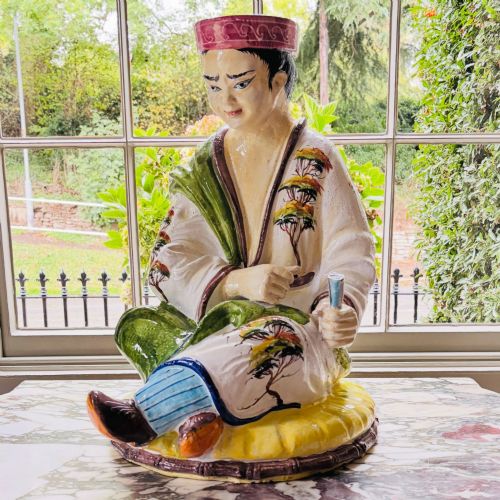
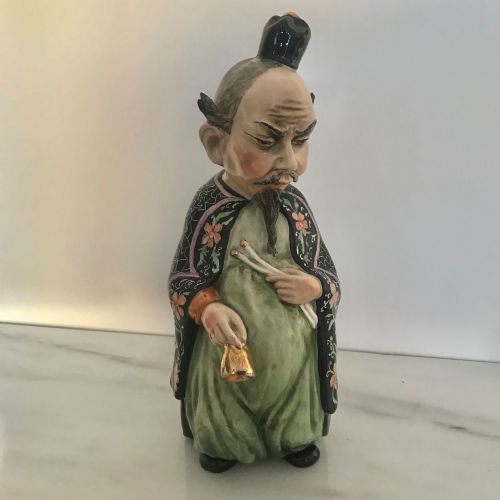
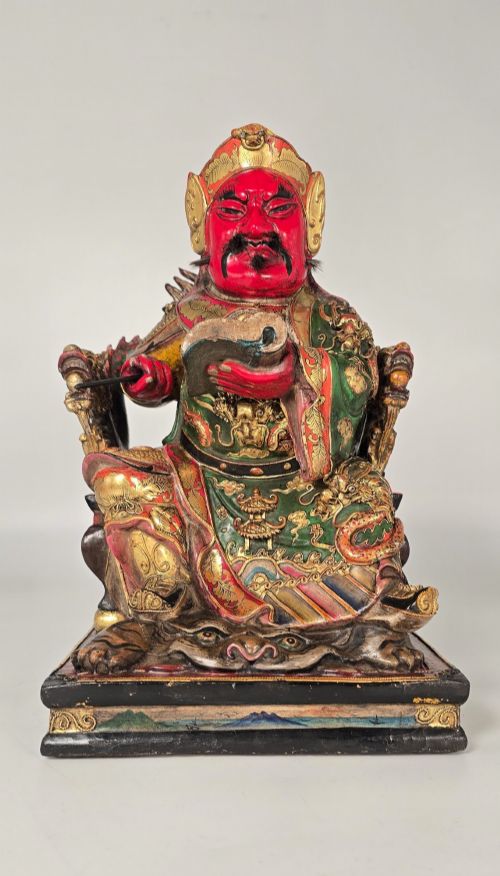
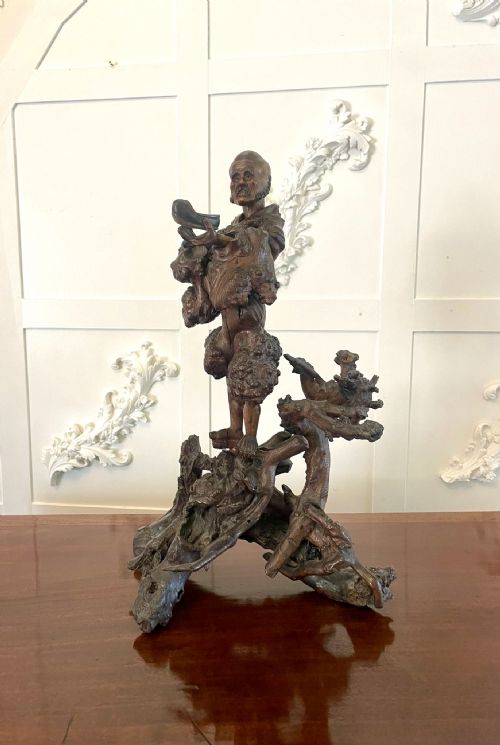
A chinese scholar statue brings the refined atmosphere of a traditional study into your room, depicting figures of wisdom, philosophy, and official rank. You will encounter these figures carved from burr root wood or cast in bronze, spanning from the Ming dynasty to the early twentieth century.
The forms range from solitary seated figures to scholars accompanied by water buffalo, geese, or intricate seal sets. Most examples on this page reflect nineteenth-century craftsmanship, alongside specific pieces from the sixteenth and early twentieth centuries.
Materials and Methods
Metalworkers employed bronze and copper alloy casting techniques to produce durable figures, sometimes finishing the surfaces with gold leaf, gesso, or hand enamel decoration. Ceramic and stone were also carved or moulded to portray these learned subjects with lasting permanence.
Chinese Scholar Statue Retail Price Guide 2026
Typical asking prices for chinese scholar statue among the pieces listed under this phrase on Sellingantiques today, from the lower quarter to the upper quarter. They describe what is for sale here now, not the wider market.
Periods represented span from the sixteenth-century Ming dynasty through the Qing dynasty and into the early twentieth century.
Assessing Quality
Quality rests upon the sensitivity of the carving and the fluidity of the casting, where master artisans captured subtle expressions of thought and relaxed posture. Superior root wood pieces integrate the eccentric twists of the natural root directly into the anatomy and robes of the figure without awkward joints.
Metal sculptures distinguish themselves through crisp detail in the casting of hands, scrolls, and robes, maintaining balance and proportion. The presence of original lacquer, hand painting, or gilding adds depth to the surface that hurried or later work simply misses.
The Chinese Scholar Statue Glossary
- Root wood
- Timber carved directly from the subterranean growth of a tree, chosen for its knotty and complex grain patterns. Artisans turned these irregular shapes into naturalistic figures.
- Bronze
- An alloy of copper and tin utilised for durable cast sculptures. It develops a rich patina over centuries of handling.
- Ming Dynasty
- The imperial period spanning from the fourteenth to the seventeenth century, known for refined decorative arts. Pieces from this era command serious historical interest.
- Qing Dynasty
- The final imperial dynasty of China, lasting from the seventeenth to the early twentieth century. Many traditional carvings and bronzes originate from this extended era.
- Lacquer
- A durable resin applied in multiple layers to wood and polished to a smooth finish. It often provides a protective and decorative surface for carved figures.
Chinese Scholar Statue: Frequently Asked Questions
How were these statues used originally?
Scholars and officials placed these figures in their private studies to inspire contemplation, poetry, and scholarly pursuits. They served as contemplative companions rather than objects of formal worship.
In traditional Chinese culture, the presence of a scholar figure represented wisdom, literary success, and harmony with nature. They were positioned among books, scrolls, and brush pots to create an atmosphere conducive to deep thought.
How do I tell root wood from hardwood?
Root wood displays gnarled, twisted grain patterns dictated by the natural growth underground, often featuring irregular hollows and knots. Hardwood typically shows a denser, more uniform grain structure with straight lines.
Carvers of root wood worked with the eccentricities of the material, whereas hardwood allowed for precise geometric lines and smooth, polished surfaces.
Where should I display my statue?
Place your figure on a stable surface away from direct sunlight and sudden temperature changes to protect organic materials like wood and lacquer. A quiet corner of a desk, bookshelf, or low table allows the intricate details to be appreciated up close.
Ensure the room maintains stable humidity levels, particularly for wooden carvings, to prevent the material from drying out or splitting over time.
How do I date a bronze scholar?
Dating relies on examining the style of the robes, the casting technique, and the character of the surface patina. Earlier pieces often display heavier casting and more formal postures compared to later examples.
Signs of genuine wear, such as softening of the high points and deep oxidation within recessed areas, help confirm the age of the metal.