

Meiji Period Sculpture
Meiji period sculpture captures the technical mastery of Japanese artisans working across bronze, porcelain and wood during the late nineteenth and early twentieth centuries.
Meiji Period Sculpture
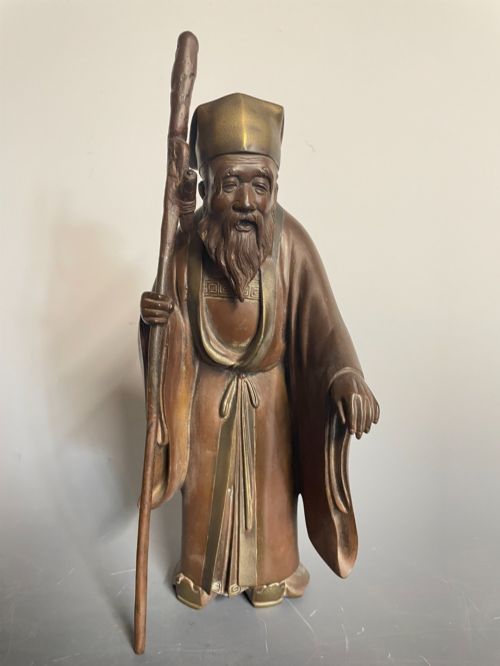
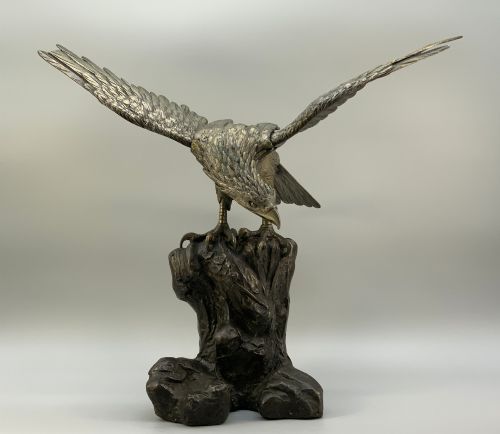
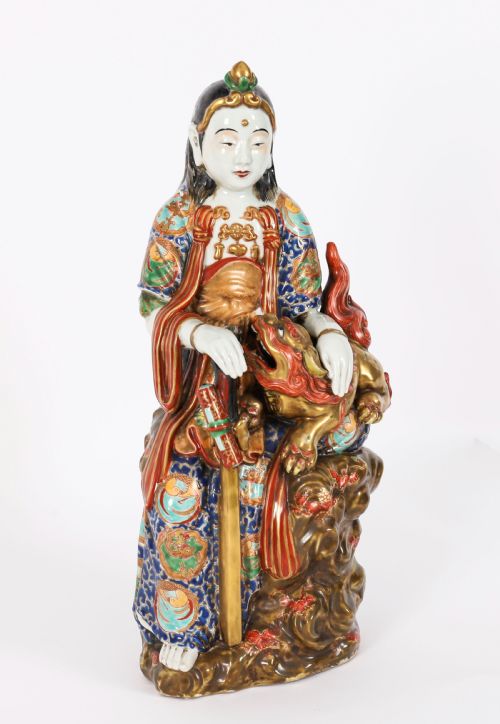
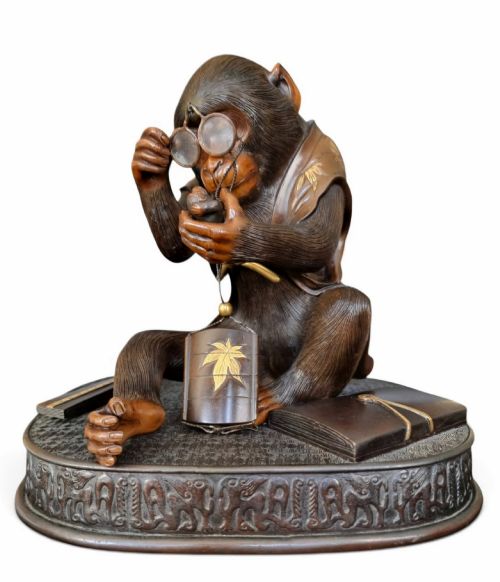
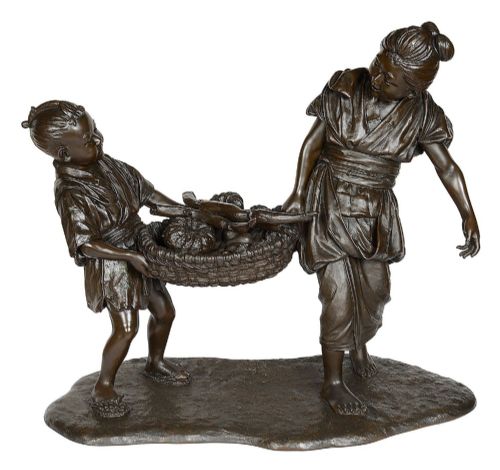
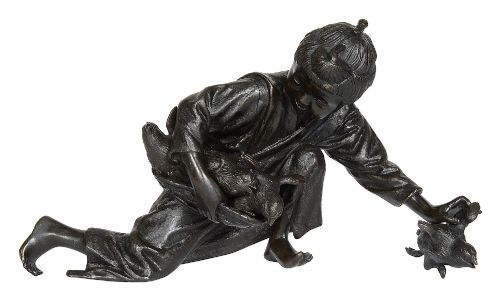
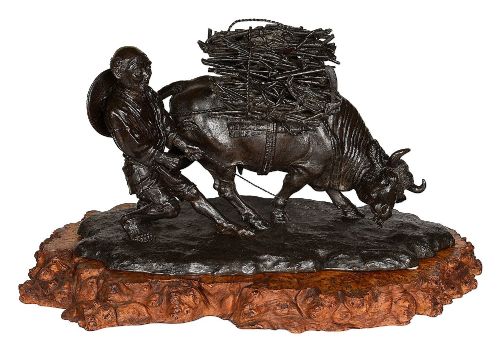
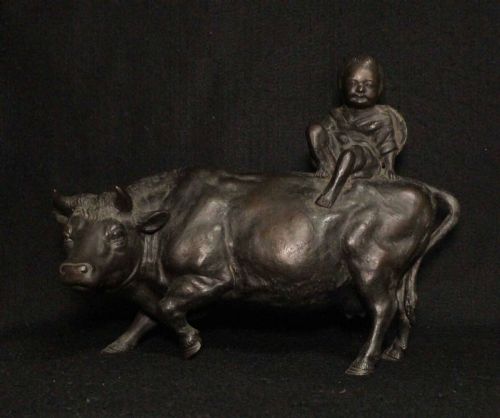
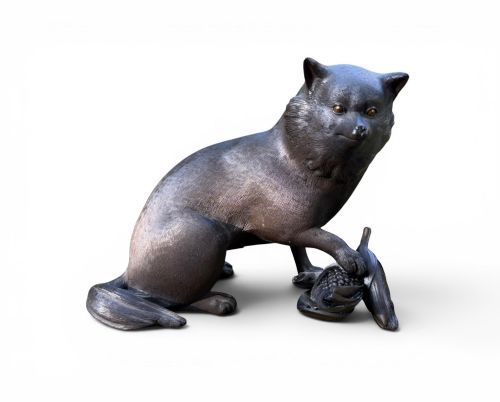
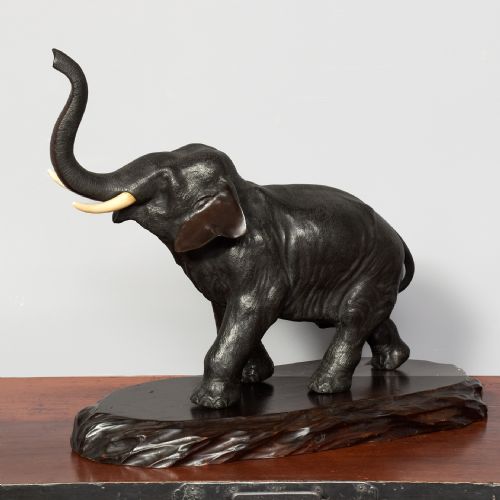
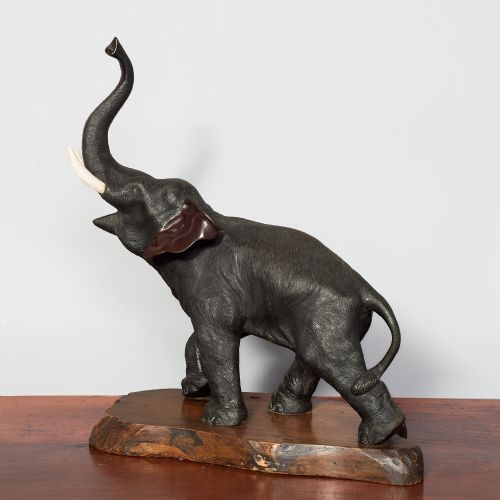
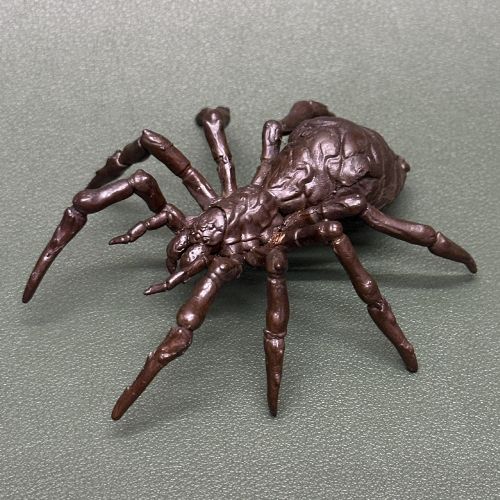
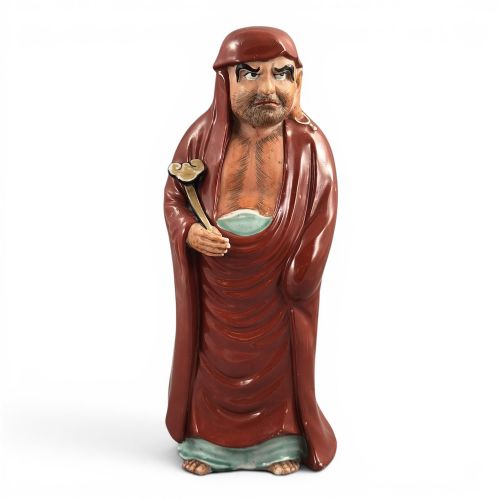
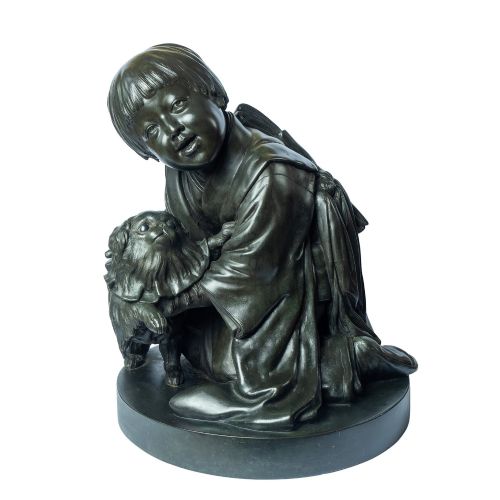
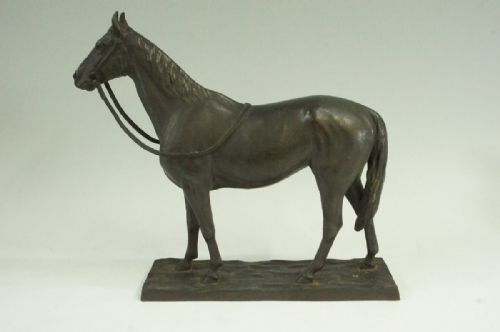
The bronze okimono and animal groups dominate this selection, featuring patinated surfaces, intricate mixed-metal details and realistic depictions of subjects ranging from elephants and tigers to beetles and spiders. Alongside these metal castings, porcelain deities and wood or ivory carvings appear frequently across the listings.
Materials and Techniques
Bronze casting relies on lost-wax methods, often incorporating patination, gold leaf, and shakudo or mixed-metal inlays to achieve tonal depth and varied surface textures. Artisans manipulate molten metal to create articulated limbs on insects, realistic animal fur and detailed human clothing.
Porcelain and earthenware pieces utilise specialised kilns, employing turquoise glazes or imperial Satsuma decoration with fine enamel work. Wood and ivory carvings undergo meticulous hand-tooling to define facial expressions and naturalistic forms.
Listings feature materials including bronze, porcelain, wood, ivory and enamel across forms like netsuke, figures and animal okimono.
Distinctions in Quality
Quality rests upon the precision of the casting or carving, where finer pieces exhibit anatomical accuracy, dynamic tension in subjects like fighting animals, and complex mixed-metal inlays. Master founders and workshops achieve distinct tactile surfaces through controlled patination and integrated detailing.
The legibility of signatures and the inclusion of specialised elements, such as articulated joints or contrasting material accents like ivory tusks or diamond eyes, separate standard workshop productions from signed atelier works.
Jomi Eisuke·Masaaki·Kunio Itô·Tsunemitsu·Kaniya Kuniharu·Makuzu Kozan II·Tomochika·Haruyama Shunzan·Sakai Kōzan·Kizan·Miyao Eisuke
The Meiji Period Sculpture Glossary
- Okimono
- A Japanese ornamental statue or figurine placed for display in a traditional interior setting. These freestanding objects range from small ivory carvings to large bronze animal groups.
- Shakudo
- A Japanese billon of copper with a small percentage of gold, treated to develop a dark purple-black patina. It appears in mixed-metal sculptures for contrasting colour details.
- Satsuma
- A type of Japanese earthenware originating from Satsuma Province, characterised by a pale ivory glaze and fine network of crackles. Pieces are frequently decorated with polychrome enamels and gilt.
- Netsuke
- A small carved toggle fastened to the end of a cord attached to a small container worn on the kimono sash. They are carved from wood, ivory or amber in figurative forms.
- Kutani
- A style of Japanese porcelain known for bold pictorial designs and vibrant overglaze enamel palettes. Kilns in the Kutani region produced figures of deities and mythical beings.
Meiji Period Sculpture: Frequently Asked Questions
What is an okimono sculpture?
An okimono is a decorative standalone sculpture designed for interior display rather than ritual use. These pieces became prominent during the late nineteenth century as Japanese craftsmen adapted traditional skills for international and domestic markets.
Subjects range from naturalistic animals and insects to folklore figures and deities. They serve as focal points in a room, showcasing the intricate detail typical of the era.
How do you date a Meiji bronze?
Dating relies on stylistic shifts, casting methods, and workshop marks associated with the period spanning from eighteen sixty-eight to nineteen twelve. Earlier pieces often reflect traditional Edo sensibilities, while later works incorporate Western naturalism and advanced industrial foundry techniques.
Signatures, foundry stamps, and the use of mixed-metal alloys also help narrow the production window. Comparing the piece to documented works by known makers provides further chronological context.
Are these sculptures signed?
Many sculptures feature artist signatures, studio inscriptions or foundry marks carved directly into the metal, wood or ceramic base. These signatures appear as incised characters or applied seals.
Finding a signature helps identify the workshop or master responsible for the piece, though unsigned examples of high craftsmanship also exist. Documentation from known makers adds historical context to individual objects.
How should I display these figures?
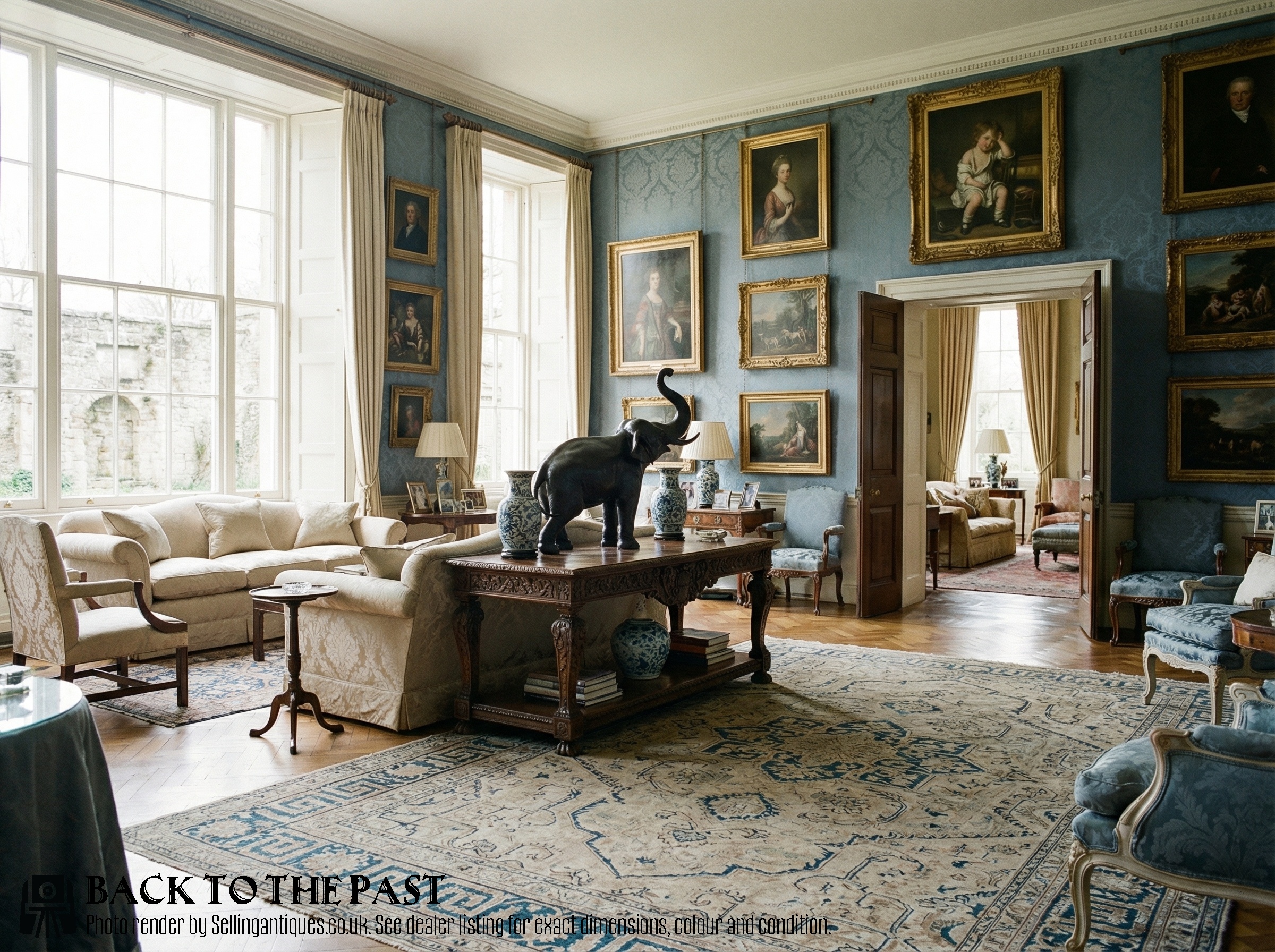
These sculptures require stable display surfaces away from direct sunlight and excessive humidity to protect patinas, wood finishes and delicate porcelain glazes. Placing them on flat shelves or dedicated cabinets allows proper viewing of detailed textures and mixed-metal inlays.
Allowing adequate surrounding space helps highlight the three-dimensional forms of animal groups and figurative bronzes. Regular dusting with a soft, dry cloth preserves the surface condition.