


Antique Bronze Elephant
These antique bronze elephant pieces bring centuries of international craftsmanship and domestic utility into focus.
Antique Bronze Elephant
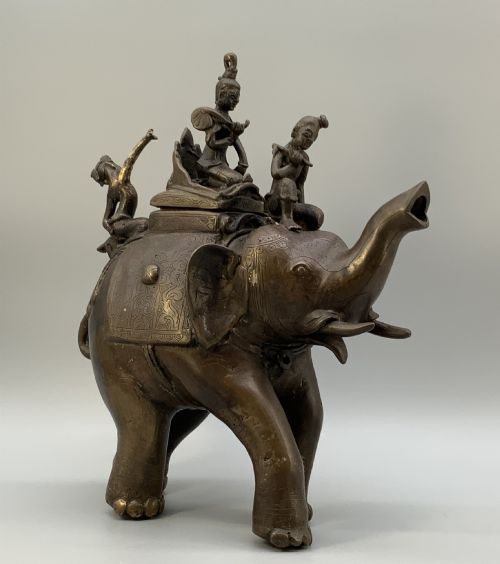
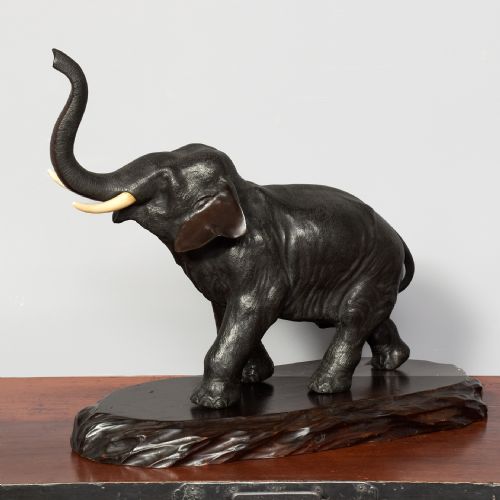
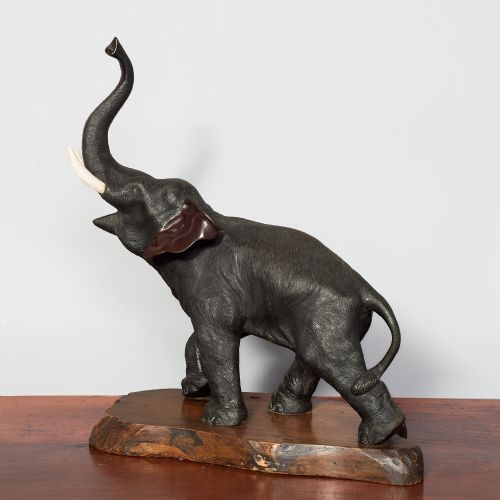
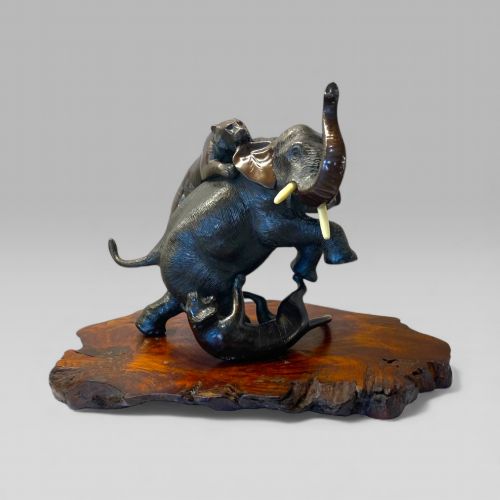
When you search for an antique bronze elephant, you encounter an array of objects spanning animal sculptures, mantel clocks, bookends, and vessels. Japanese Meiji period works dominate the selection, often depicting powerful wildlife studies alongside tigers or featuring detailed okimono figures.
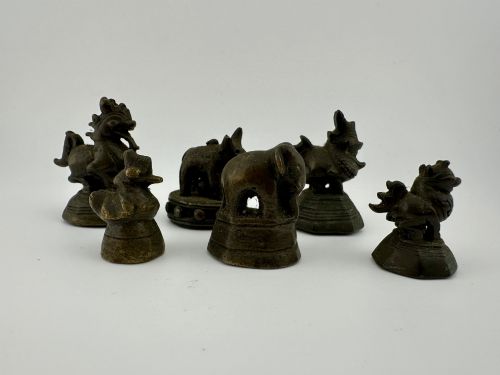
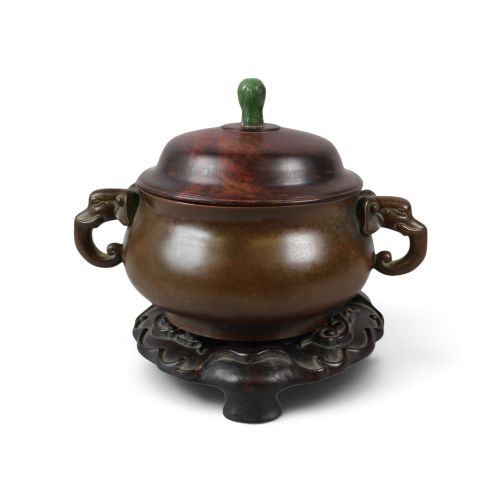
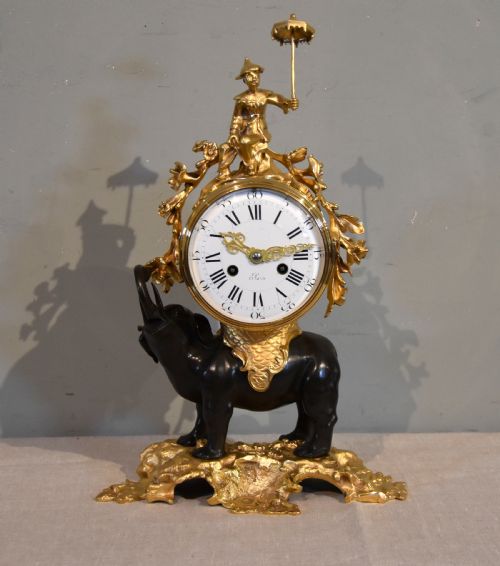
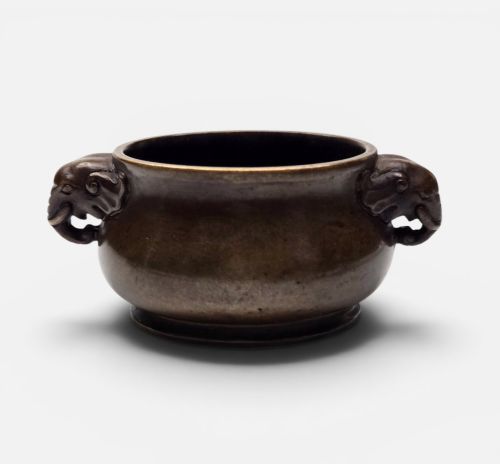
Beyond Japanese casting, the offerings incorporate French figural mantel clocks, Chinese censers with elephant-head handles, and Burmese trade weights. These varied forms demonstrate how different cultures interpreted the motif in bronze, sometimes combining the metal with ivory, marble, or hardwood stands.
How they were made
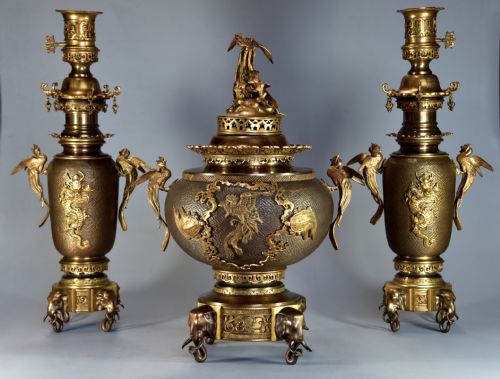
The objects rely primarily on bronze casting, frequently augmented with patination, gilding, or ormolu mounts. Makers utilised mixed metals in Japanese pieces to create contrasting tones across the surface of the animal.
Secondary elements involve natural materials such as bone, ivory tusks, and jade finials fitted to the bronze bodies. Artisans also integrated marble bases and custom hardwood stands to support the heavier sculptural forms.
What varies in quality
The inclusion of original auxiliary materials, such as genuine ivory tusks or custom stands, affects the integrity of the object. Weight, stability, and the subtlety of the patina further separate standard production items from masterworks.
Genryusai Seiya·Tsunemitsu·Ernest Louis Adnin
The Antique Bronze Elephant Glossary
- Okimono
- A Japanese decorative statue designed for display on a traditional room shelf. These independent sculptures focus heavily on naturalistic animal studies.
- Censer
- A vessel used for burning incense during rituals or domestic fragrancing. Examples often feature elephant-head handles or scholar motifs.
- Ormolu
- Gilding technique applying finely ground high-carat gold to a bronze object. This finish adds bright golden highlights to patinated surfaces.
- Japonisme
- Western artistic style influenced by Japanese art during the late nineteenth century. It appears in European decorative objects incorporating Asian motifs.
- Champlevé
- Enamelling technique where troughs are dug into the metal surface and filled with vitreous paste before firing. The method produces colourful geometric or floral patterns.
Antique Bronze Elephant: Frequently Asked Questions
What periods do these pieces come from?
The listings span the eighteenth, nineteenth, and early twentieth centuries, with a heavy concentration in the Meiji period and Victorian eras. European interpretations sit alongside traditional Asian pieces.
Specific dates range from seventeenth-century Chinese works through to Art Deco bookends of the nineteen-thirties.
How were these bronze elephants used?
Many acted purely as decorative sculptures or okimono displayed in domestic settings. Others served functional roles as inkwells, mantel clocks, bookends, table lamps, and incense burners.
Trade weights and water droppers show how the motif also crossed into utilitarian measurement and scholarly pursuits.
What materials accompany the bronze?
Makers frequently paired bronze with ivory or bone for tusks, alongside marble and hardwood for structural bases. Some items incorporate cloisonné enamel, champlevé, and ormolu mounts.
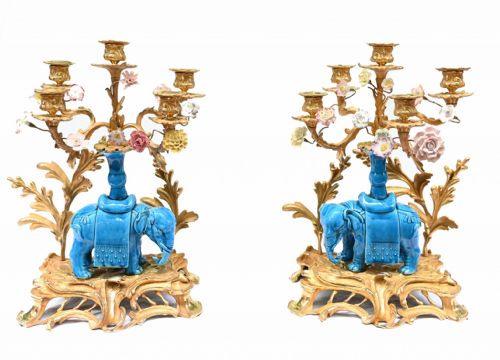
French pieces sometimes utilise brass, porcelain, and gilt finishes to enhance the overall decorative scheme.
How do I identify Meiji period works?
Japanese Meiji pieces often feature naturalistic elephant figures, sometimes locked in combat with tigers, cast in heavy bronze. Many carry artist signatures or reflect the distinctive aesthetic of nineteenth-century export wares.
These sculptures emphasise anatomical accuracy and dynamic movement compared to rigid ceremonial figures.