


Japanese Bronze Animal
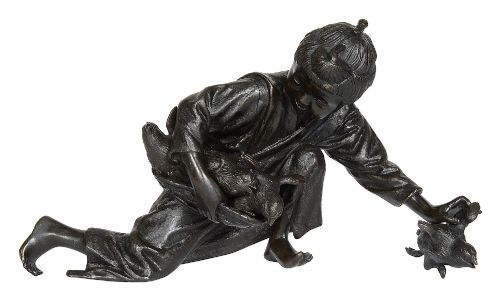
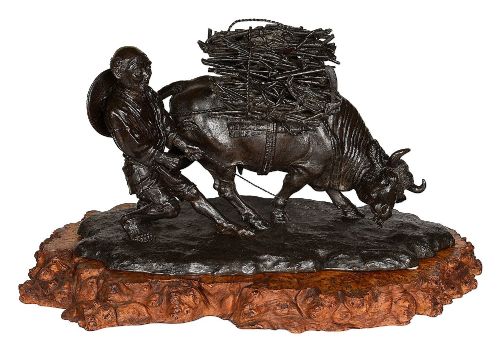
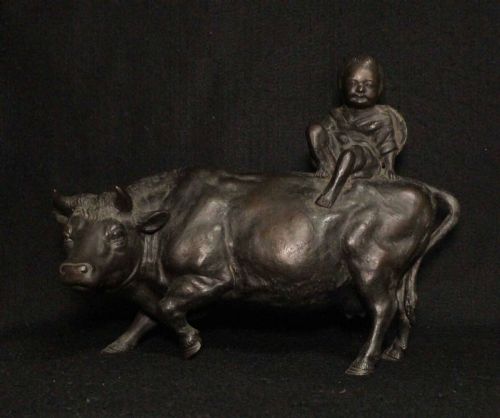
These japanese bronze animal sculptures bring real character to a room, cast by skilled hands during the Meiji, Taisho and Showa periods.
Japanese Bronze Animal
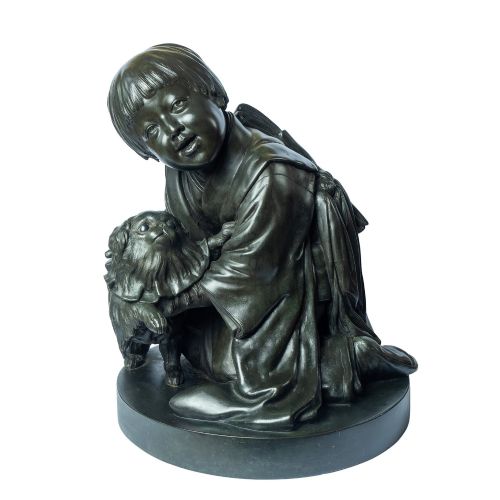
A japanese bronze animal usually takes the form of an okimono, which translates as an ornament for display in a traditional interior. The pieces on this page span the late nineteenth century into the early twentieth, covering the Meiji, Taisho and Showa periods.
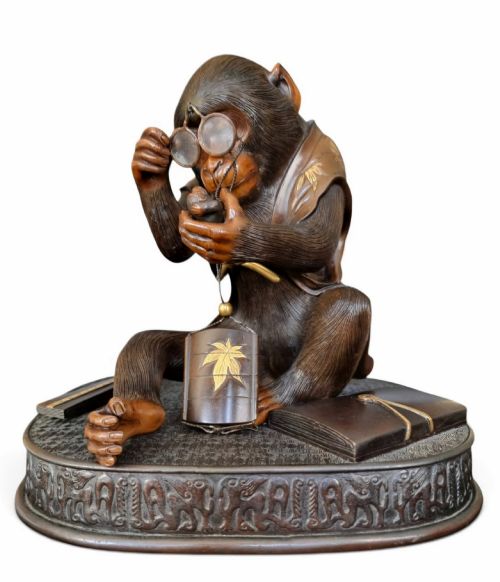
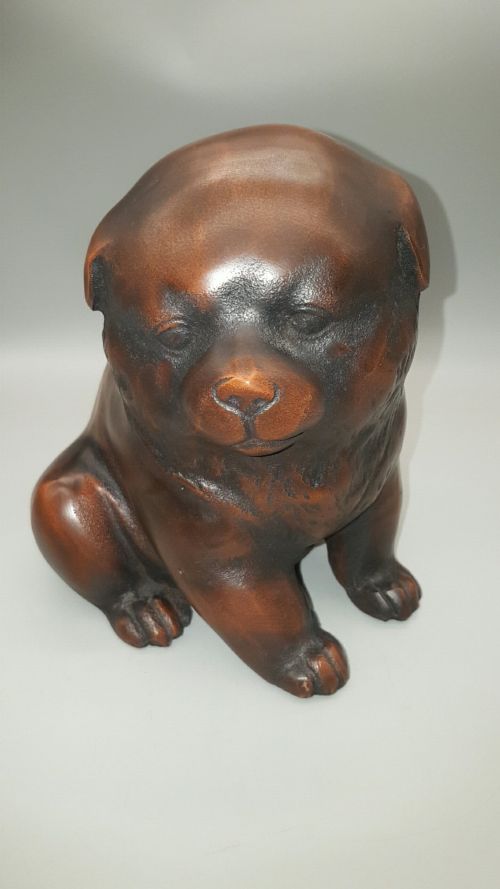
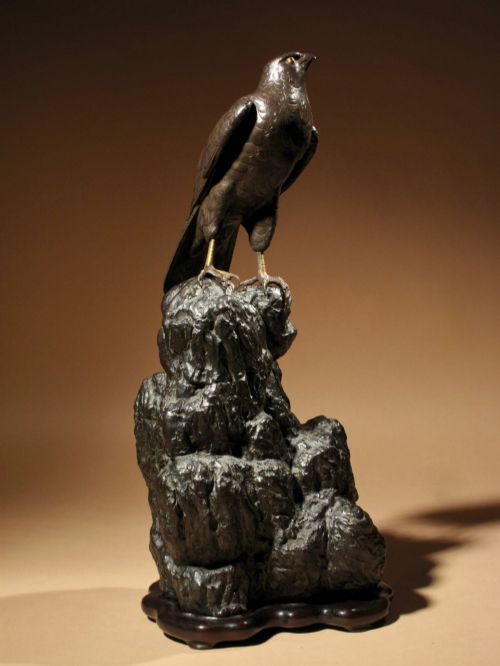
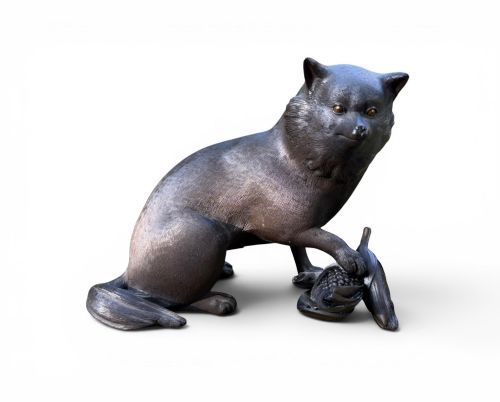
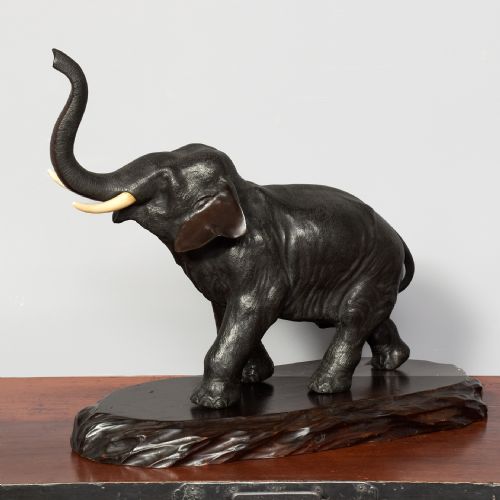
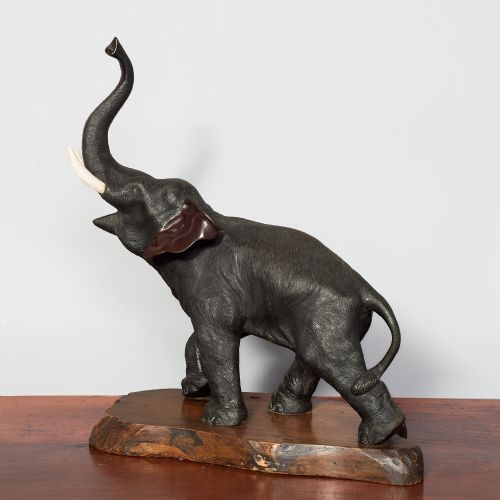
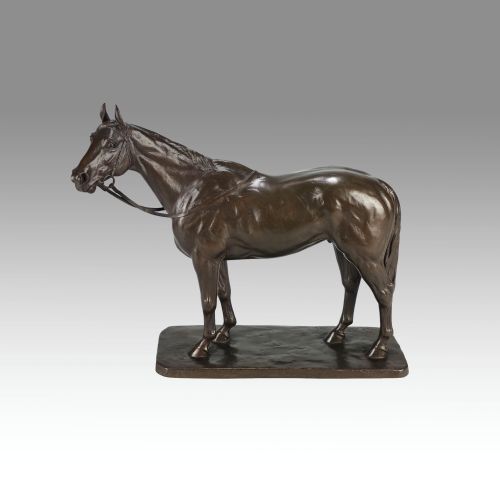
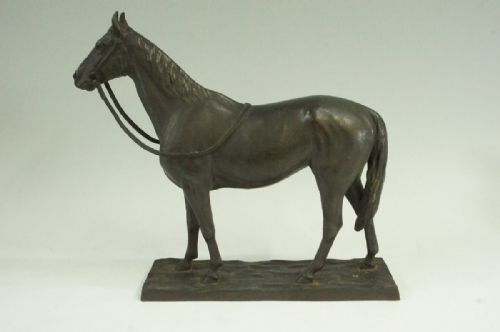
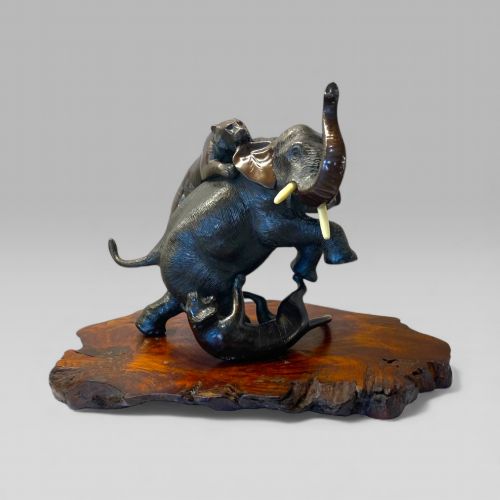
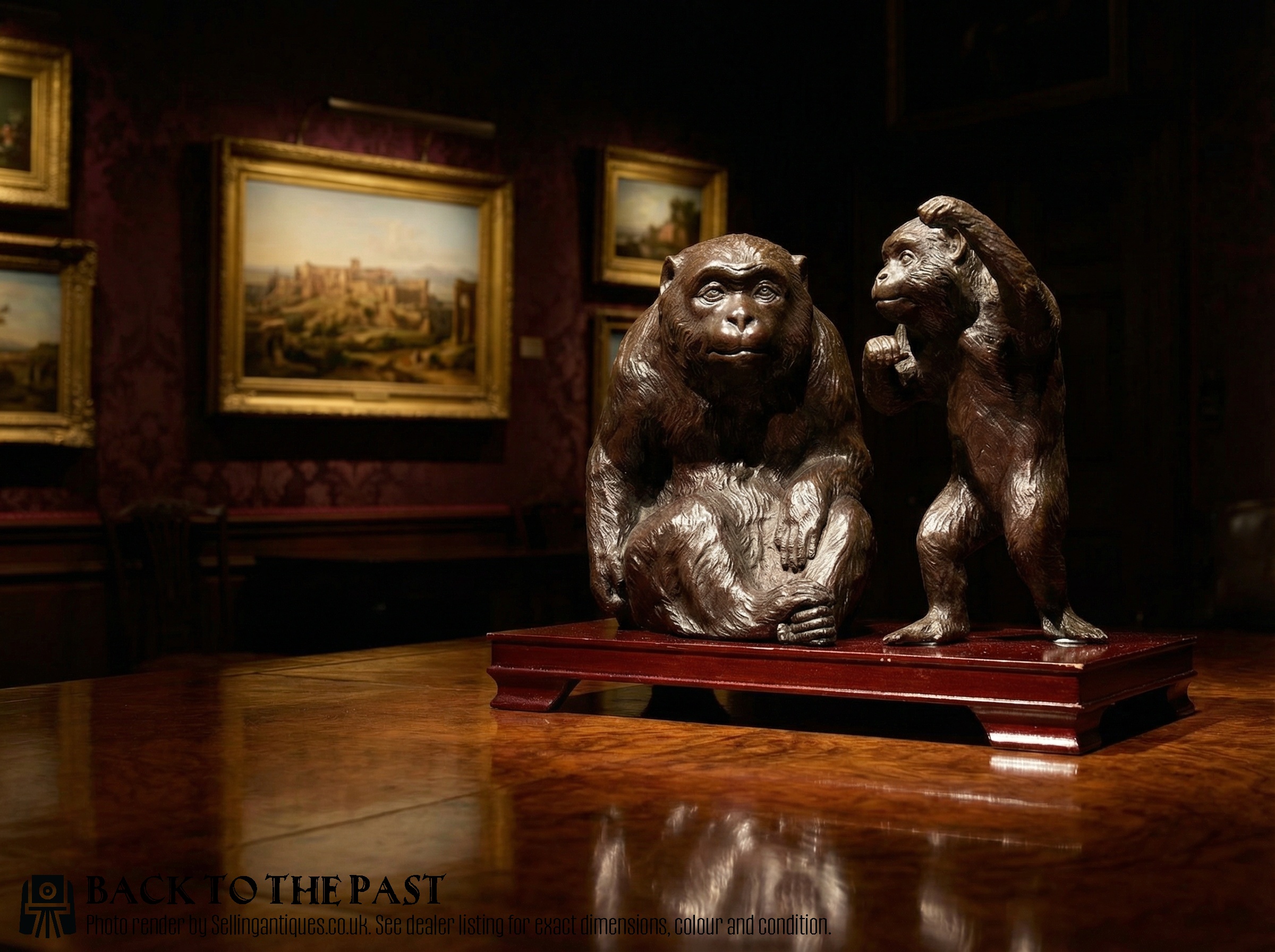
Subjects range widely from domestic puppies and monkeys to powerful confrontations involving elephants and tigers. You will also find figures of horses, wolves, rats, and birds perched upon rocks.
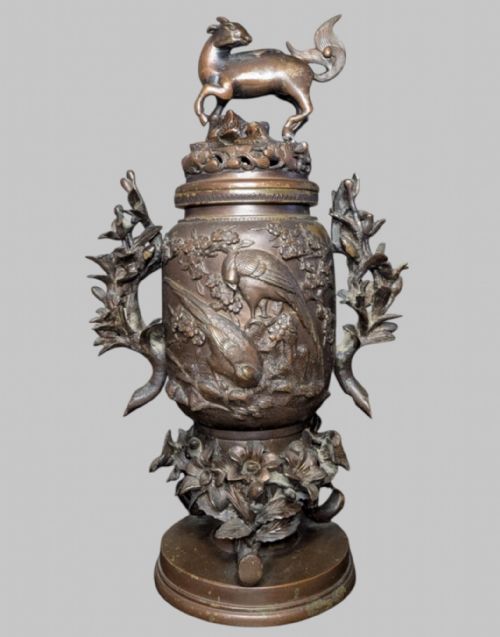
Many are standalone sculptures, while others serve specific purposes, such as an incense burner with a goat finial or decorative mounts upon a hardwood tabletop cabinet.
Materials and casting
Foundries utilised the lost-wax casting method to capture intricate details like fur texture, musculature and facial expressions. The resulting bronze is frequently enriched with mixed metals, gold inlay or applied patinas to create varied colour tones across the surface.
A tiny rat clutches a chestnut with intense concentration, proving that Meiji sculptors found monumental drama in the smallest creatures.
Judging quality
The distinction between standard commercial export pieces and superior works lies in the anatomical accuracy and the depth of the chasing work done after casting. Finer sculptures show careful attention to muscle tension, hair direction and realistic movement rather than stiff forms.
Signed works by noted artists or specialised Tokyo foundries command greater attention because their composition and finishing display a higher level of artistic mastery.
Tsunemitsu·Kunio Itô·Masaaki·Kaniya Kuniharu·Sakai Kōzan·Seiunsai Miyamoto Sei·Genryusai Seiya
The Japanese Bronze Animal Glossary
- Okimono
- A traditional Japanese decorative object or sculpture intended for display on a shelf or in a tokonoma alcove. These figures range from small desk ornaments to large floor sculptures.
- Meiji Period
- The era of Japanese history lasting from 1868 to 1912, corresponding with the reign of Emperor Meiji. Much of the finest decorative metalwork and bronze casting comes from this prolific period.
- Koro
- A traditional Japanese incense burner, often featuring a decorative lid with a finial shaped as an animal or mythical beast.
- Patina
- The surface coloration and sheen developed naturally over time or achieved chemically through specialised foundry treatments on bronze and mixed metals.
Japanese Bronze Animal: Frequently Asked Questions
What is an okimono?
An okimono is a freestanding Japanese sculpture or decorative object designed for interior display. These pieces were created primarily during the Meiji period for both domestic appreciation and export.
Unlike religious items, okimono were made to celebrate nature, folklore, and everyday life with meticulous sculptural detail.
How do I identify the Meiji period?
The Meiji period spans from 1868 to 1912, an era when Japanese metalwork achieved international renown at world expositions. Pieces from this time often display a high level of naturalistic detail and sophisticated bronze patination.
Many works from this era also carry artist signatures or foundry marks either carved directly into the bronze or applied on the underside.
Where should I place a bronze animal?
These sculptures suit tabletops, sideboards, and dedicated display cabinets where their patination and fine details can be appreciated up close. Placing them away from direct moisture helps preserve the original surface finish.
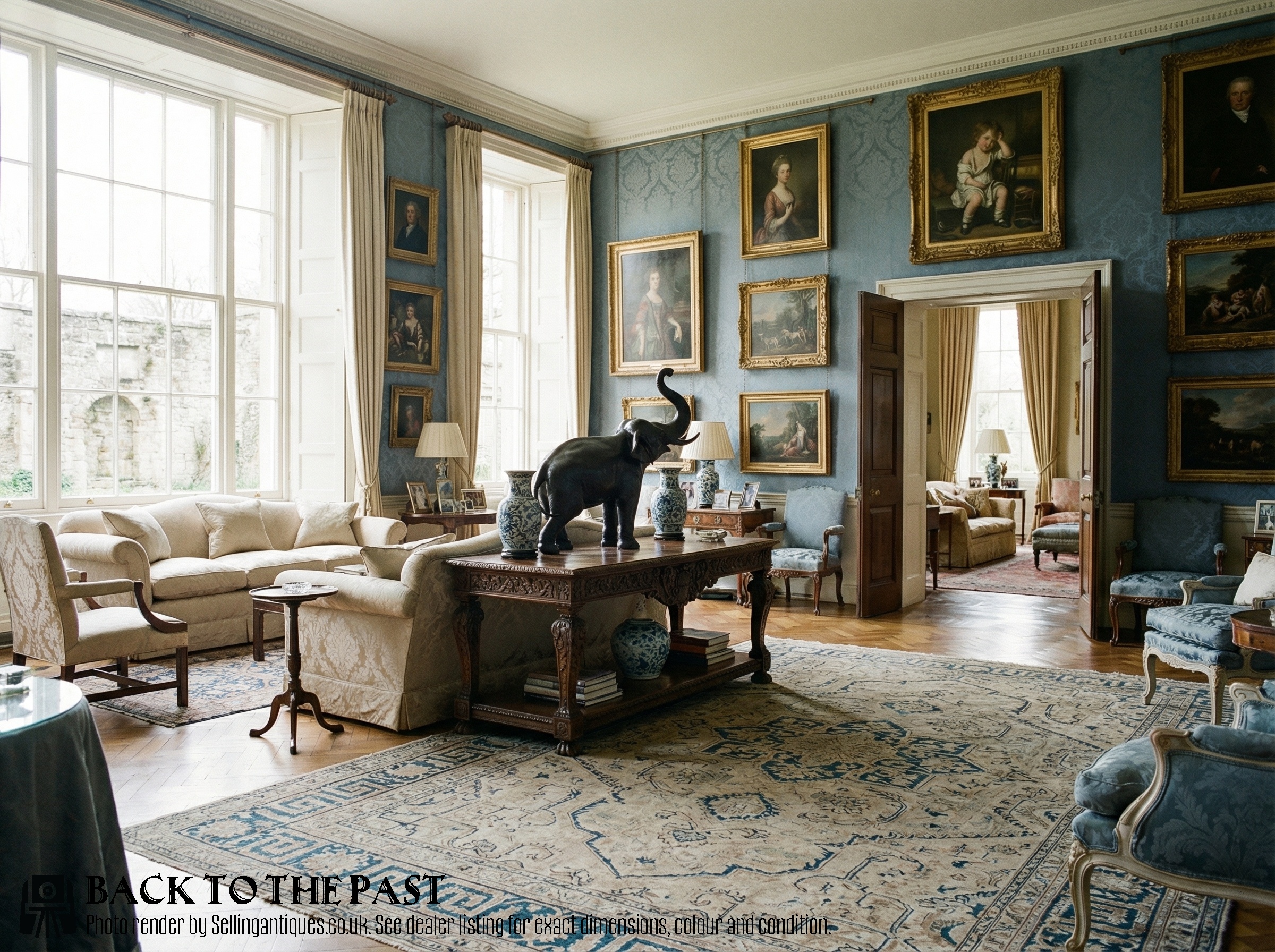
Larger elephant or horse sculptures work well on sturdy low surfaces or as focal points within a room.
Are these bronzes solid?
Most figural bronzes from this era are hollow-cast using the lost-wax technique, which kept the weight manageable while allowing complex shapes to form. The metal thickness can vary depending on the size of the animal and the foundry practices of the maker.
Heavier base plates or internal weighting were sometimes added to ensure larger sculptures like fighting tigers or standing horses remained stable.