
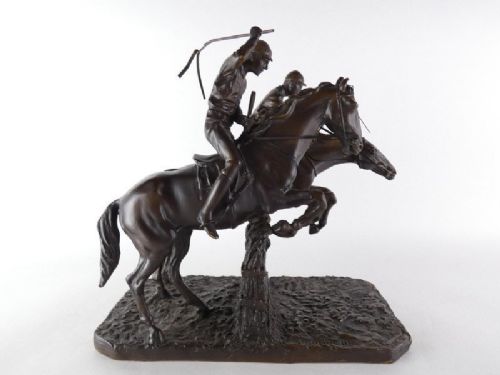


Dark Bronze Horse Statue
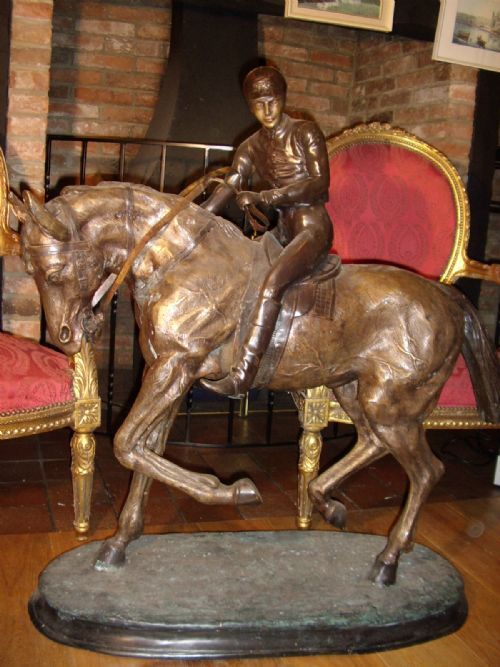
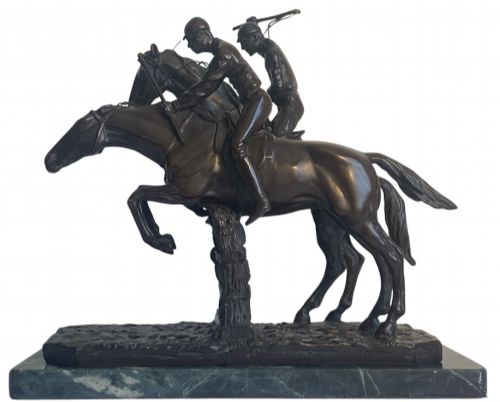
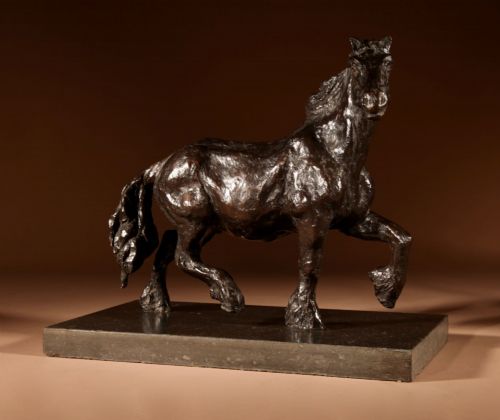
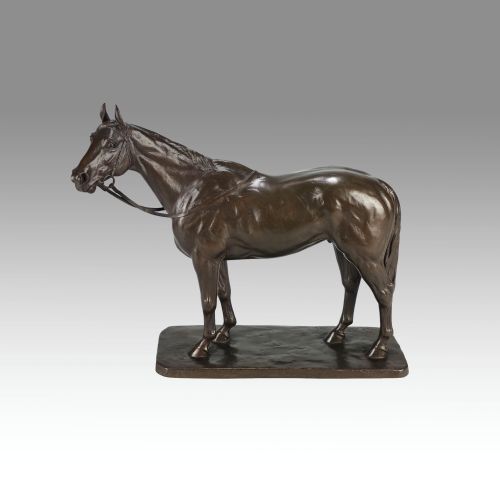
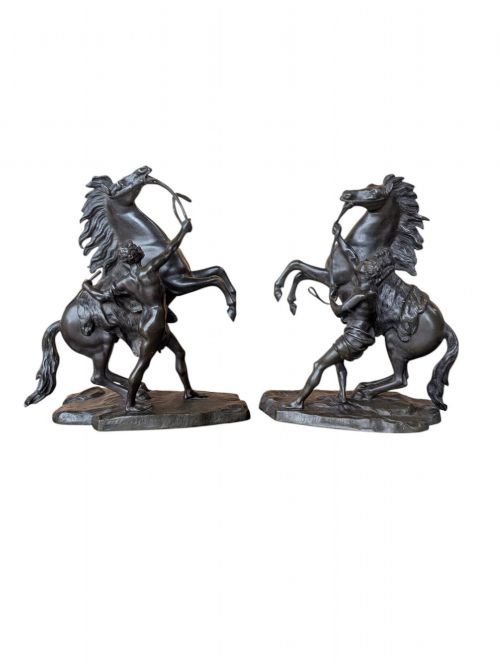
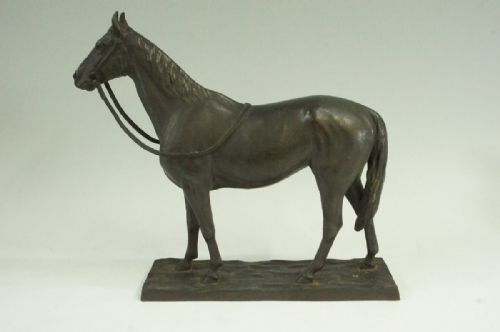
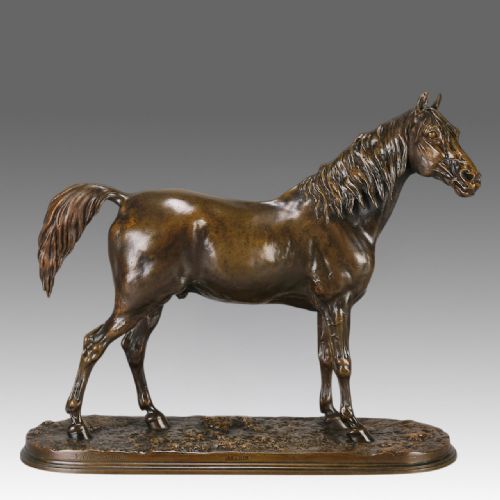
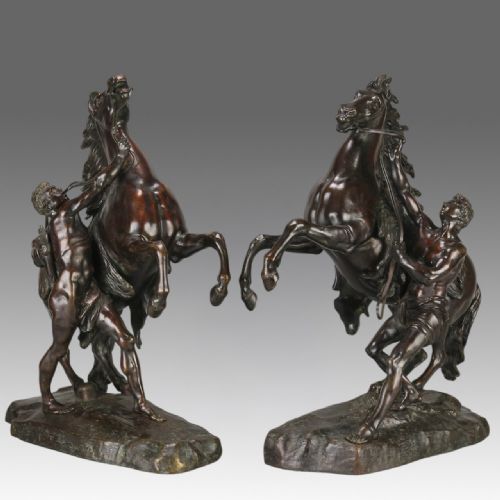
A dark bronze horse statue captures the tension of muscle and the sweep of movement in solid metal.
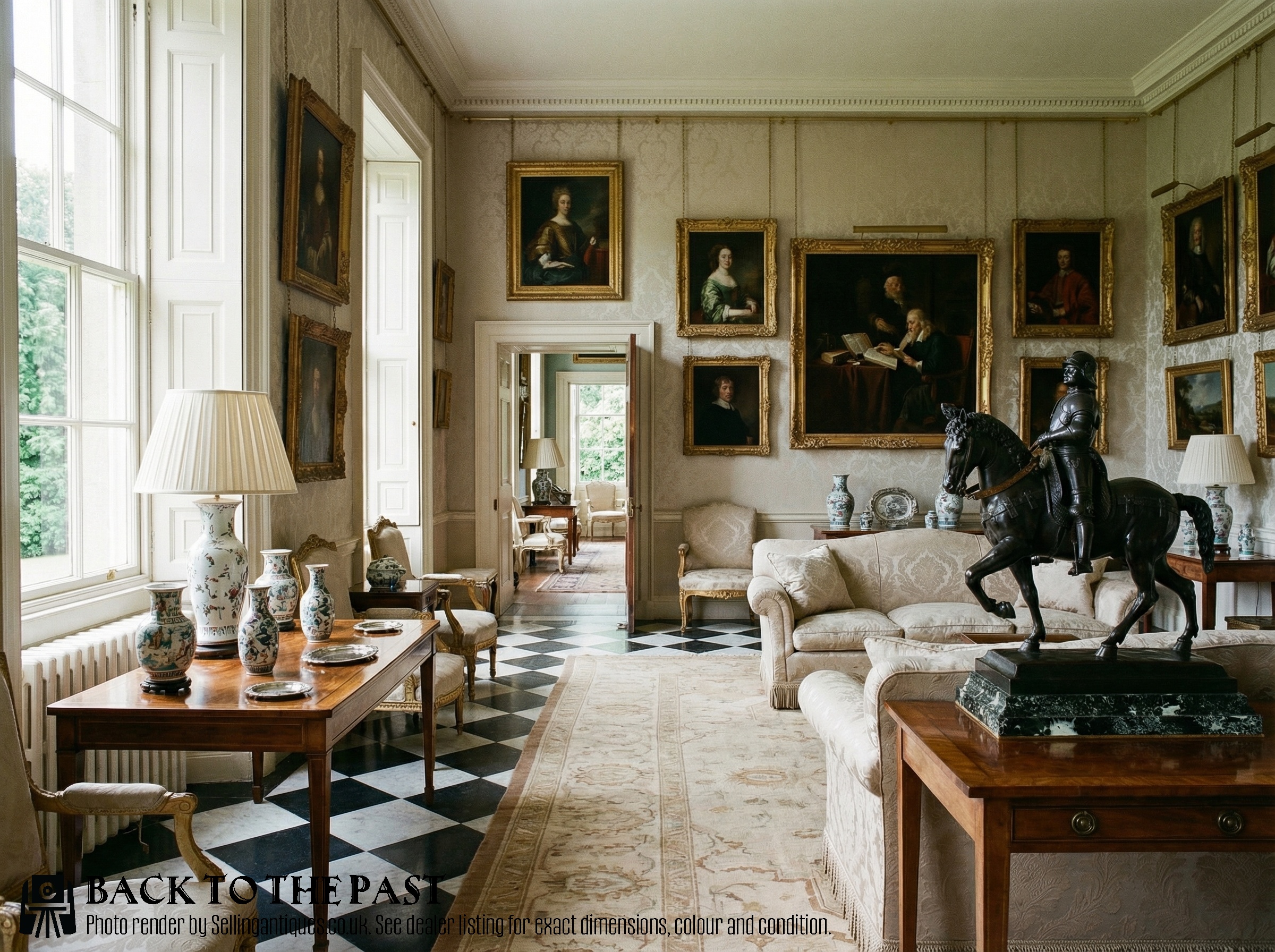
Dark Bronze Horse Statue
When you search for a dark bronze horse statue, you encounter sculptural works that capture equines in motion, rest, and combat across various historical periods. These pieces range from compact Grand Tour souvenirs to monumental French Animalier casts and Japanese foundry work.
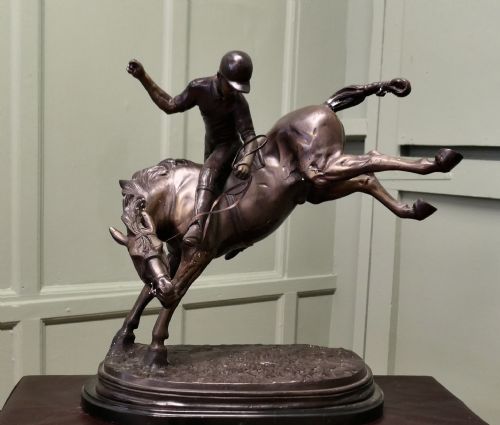
The selections available here lean heavily into nineteenth-century European casting traditions alongside early twentieth-century interpretations. You will frequently find subjects depicting racing, hunting, and classical equestrian figures mounted firmly upon heavy plinth bases.
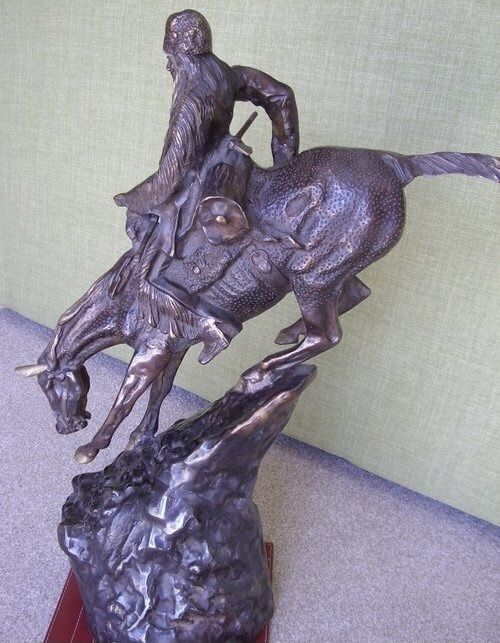
Makers focused intensely on anatomical precision, capturing the bunching of muscle and flare of nostril in dense metal. The forms extend from single stallions to complex groupings involving jockeys, handlers, and historical riders.
Materials and Casting Methods
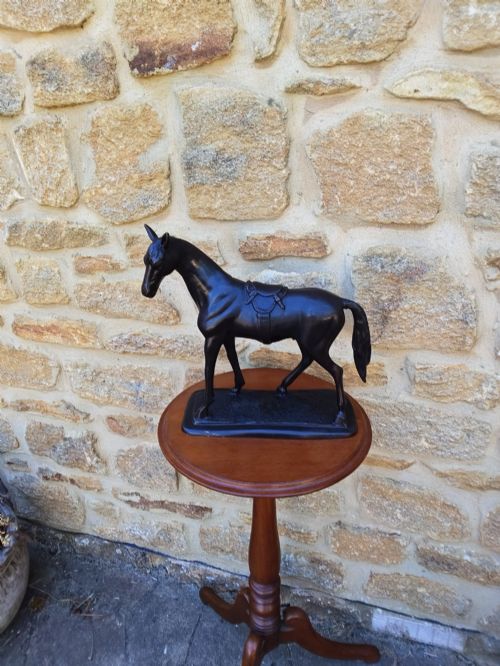
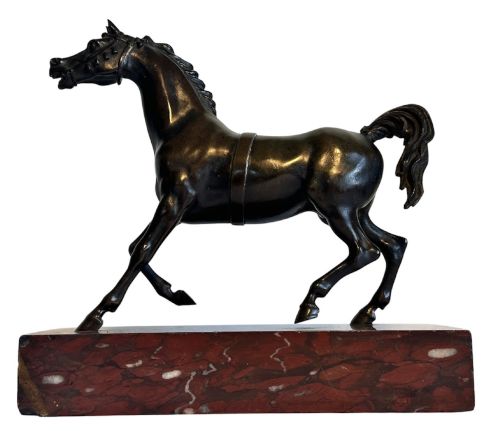
The primary material underpinning these works is bronze, often patinated to deep brown or near-black tones that accentuate the modelling of the animal. Foundries regularly combined this metal with stone, marble, slate, or wood to provide secure footings for heavy sculptures.
Casting methods relied on traditional techniques where molten bronze filled moulds taken from original clay or wax models. Artisans then finished the metal surfaces manually, applying patination chemicals and mounting the completed figures onto supportive plinths.
Dark Bronze Horse Statue Retail Price Guide 2026
Typical asking prices for dark bronze horse statue among the pieces listed under this phrase on Sellingantiques today, from the lower quarter to the upper quarter. They describe what is for sale here now, not the wider market.
Distinctions in Quality
Quality rests upon the crispness of the chase work, where skilled hands refined the raw metal casting to reveal veins, sinews, and hair texture. Superior examples maintain anatomical truth and fluid movement without losing the weight and presence inherent to heavy bronze.
The integration between the bronze figure and its stone or marble base also separates standard production from finer creations. Better casts display intentional harmony between the patinated metal and the supporting plinth, showing careful attention to jointing and proportion.
Pierre Jules Mêne·Isidore Jules Bonheur·John Willis Good·Kunio Itô·Sakai Kōzan
The Dark Bronze Horse Statue Glossary
- Animalier
- A nineteenth-century artistic movement focused on the realistic depiction of animals, particularly in bronze. Practitioners studied live subjects intensely to capture natural movement.
- Patina
- The surface coloration and sheen developed naturally over time or applied chemically to bronze. This treatment deepens the brown or dark tones of the metal.
- Grand Tour
- A cultural journey undertaken by nineteenth-century Europeans seeking art and antiquity. Souvenirs purchased on these trips often included small-scale bronze sculptures.
- Lost wax casting
- A metalworking process where a molten metal is poured into a mould that has been created by means of a wax model. The wax is melted and drained away.
- Plinth
- A heavy base supporting a statue or column. These are frequently fashioned from marble, slate, or stone in equestrian sculpture.
Dark Bronze Horse Statue: Frequently Asked Questions
What is an animalier bronze?
An animalier bronze is a nineteenth-century sculpture focused specifically on realistic animal subjects. These works celebrate the raw power and natural behaviour of creatures like horses.
Artists in this tradition spent hours observing live animals to replicate their exact musculature and movement in metal. The resulting statues range from small cabinet pieces to large library figures.
Why are marble bases used?
Marble bases provide necessary weight and stability for heavy bronze equestrian sculptures. They also create a formal visual boundary between the artwork and the furniture.
Many nineteenth-century foundries paired dark patinated bronze directly with contrasting white, green, or black marble plinths. This combination enhanced the overall monumentality of the piece.
How do I identify age?
Age is determined by examining the casting quality, the character of the bronze patina, and the style of the mounting base. Finer details often point to specific nineteenth or early twentieth-century foundry practices.
Signatures, foundry marks, and wear patterns on the underside of the base offer further clues to chronology. Comparing the anatomical style to known historical movements helps narrow the decade of creation.
What does patination mean?
Patination refers to the surface treatment and coloration applied to the bronze sculpture. Artisans used chemical solutions to achieve deep brown, black, or greenish tones on the metal.
This process protects the underlying bronze while creating subtle tonal shifts across the muscle and coat of the horse. A well-preserved patina adds depth and tactile warmth to the surface.