





Pierre Jules Mene Sculpture
pierre jules mene sculpture brings the sharp observation of nineteenth century animalier art into your room, capturing hounds, horses and stags with astonishing physical truth.
Pierre Jules Mene Sculpture
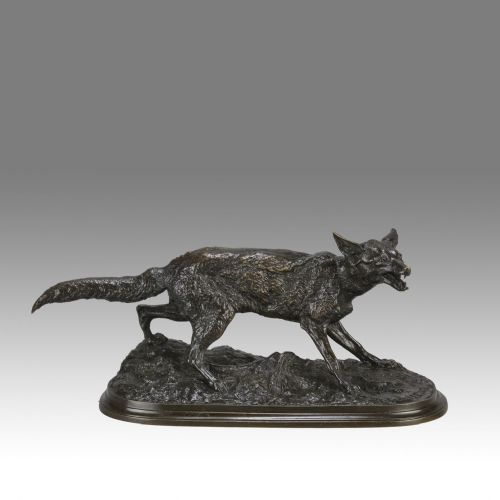
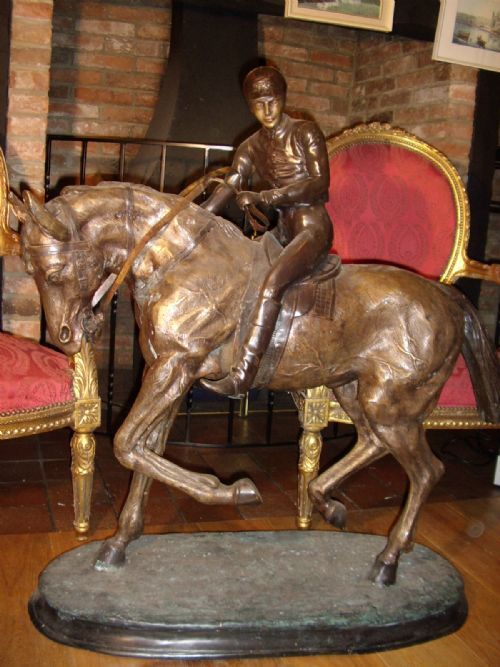
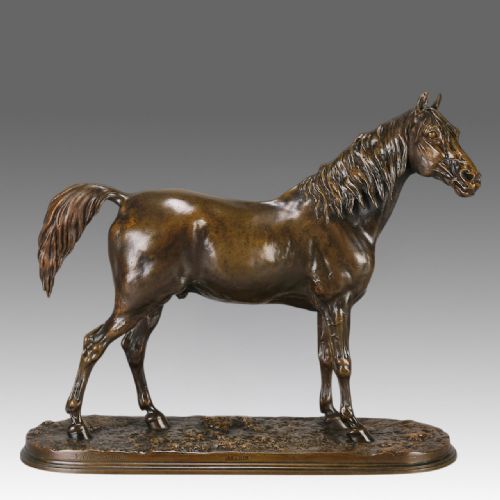
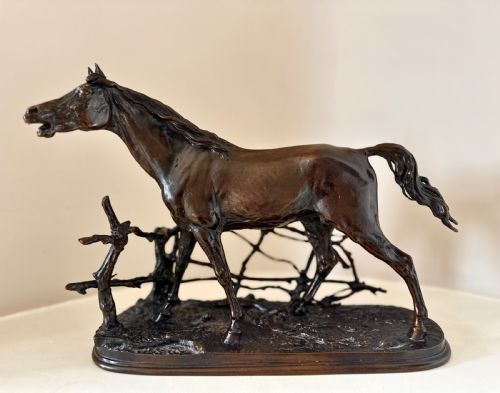
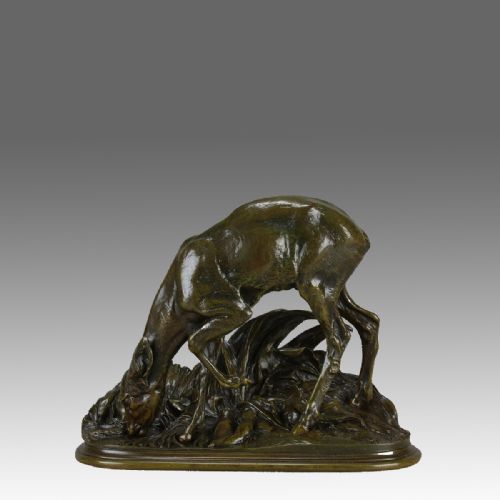
When you search for pierre jules mene sculpture, you encounter cast bronze works depicting horses, dogs, stags and game birds. These pieces belong to the nineteenth century animalier school, which focused on realistic portrayals of animals in natural or sporting poses.
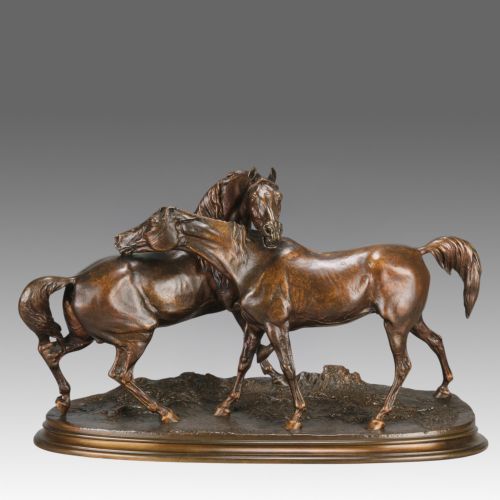
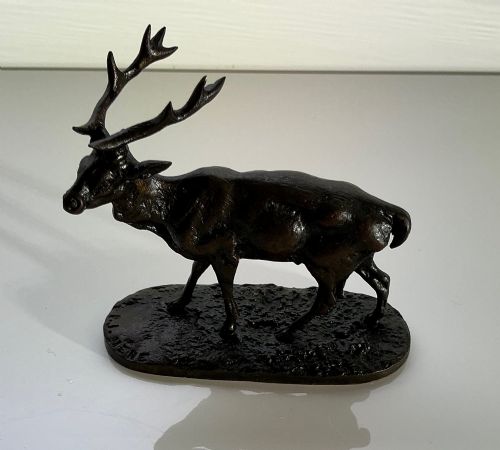
The objects take several forms, ranging from single animal figures like the standing stag and sighthound to complex groups such as l'accolade, featuring an arab mare and stallion. You also find specialised items like bookends and subjects depicting hunting dogs with their prey.
Most examples date from the nineteenth century, reflecting the peak period of french animalier casting. The subjects demonstrate a deep familiarity with anatomy, movement and behaviour, rendered through meticulous observation.
What varies in quality
The nuance of the dark patina also distinguishes finer works, giving the bronze a rich tonal variation that enhances the sculptural form. The balance and proportions within complex multi-figure groups reveal the maker's command over anatomy and composition.
Pierre Jules Mene Sculpture Retail Price Guide 2026
Typical asking prices for pierre jules mene sculpture among the pieces listed under this phrase on Sellingantiques today, from the lower quarter to the upper quarter. They describe what is for sale here now, not the wider market.
Greyhounds and sighthounds appear frequently, standing with the quiet dignity of aristocratic household pets waiting for a walk.
Pierre Jules Mene
The Pierre Jules Mene Sculpture Glossary
- Animalier
- A nineteenth century artistic movement dedicated to the realistic portrayal of animals. This style flourished in France and Britain during the victorian era.
- Patina
- The surface coloration and finish applied to bronze sculpture. A dark patina is common in nineteenth century animalier works to accentuate musculature and texture.
- Cast Bronze
- Metal poured into a mould to create a solid or hollow sculptural object. This technique allows for intricate reproduction of fine anatomical details.
- Groupe
- A sculptural composition featuring multiple animals interacting. Examples include pairs of horses, goats or hounds at play.
Pierre Jules Mene Sculpture: Frequently Asked Questions
What is animalier bronze sculpture?
Animalier sculpture refers to nineteenth century artworks focused specifically on the realistic depiction of animals in motion or repose. These pieces prioritize anatomical accuracy and natural behaviour over human narratives.
Artists in this movement studied live animals extensively in menageries and rural settings, translating their observations directly into cast metal.
How do I identify a period piece?
Period works typically display nineteenth century casting methods, distinct patination and specific signatures or foundry marks associated with the maker. The weight and density of the bronze also offer clues to age.
Examining the underside and mounting points provides further context regarding how the sculpture was constructed during its era of origin.
Where should I place these sculptures?
These bronzes suit study desks, mantelpieces or dedicated display cabinets where adequate lighting highlights the patinated surface. Stable, level wooden surfaces work best for heavier pieces.
Keep them away from direct heat sources and excessive moisture to preserve the integrity of the bronze and any associated marble bases.
How do I clean bronze figures?
Dust the sculpture gently with a soft, dry cloth to remove surface particles. Avoid using chemical cleaners, polishes or water, which can damage the historic patina.
Regular, gentle maintenance prevents dust accumulation without altering the original finish applied by the foundry.