


Bronze Greyhound Statue
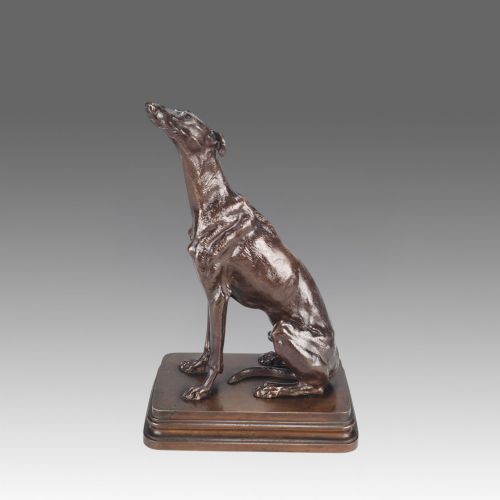
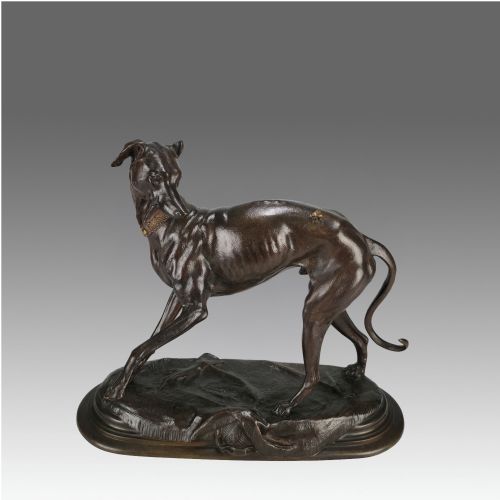
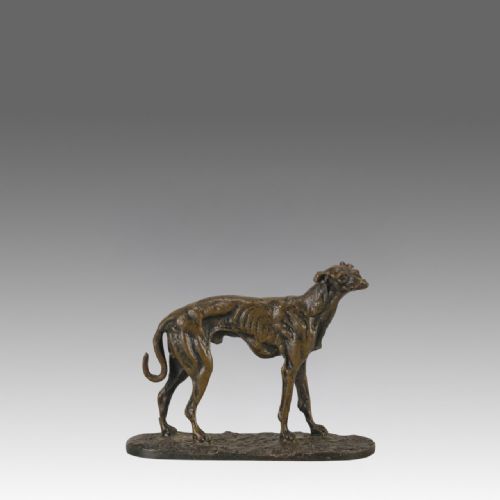
These bronze greyhound statue pieces capture the sleek lines and alert posture of the hound, bringing French Animalier sculpture straight into the home.
What They Are
When you search for a bronze greyhound statue, you find sculptures from the late nineteenth century and the early twentieth century. The pieces recorded here belong to the French Animalier tradition, portraying the animal with close attention to anatomy and movement.
The forms span seated greyhounds and detailed compositions involving other subjects like a fly. These works reflect the nineteenth-century European fascination with naturalistic animal sculpture.
How They Were Made
These sculptures utilise bronze as the sole material, shaped through traditional casting methods standard to the period. The metal captures fine textures in the musculature and fur of the hound.
Patination finishes the surface, producing a dark or nuanced tone over the bronze. This treatment heightens the sense of depth across the form.
One greyhound shares its bronze moment with an unfortunate fly, immortalised forever in metal.
What Varies in Quality
Quality rests in the crispness of the chase work and the subtlety of the surface patination. A strong cast preserves the fine details of the fur and the taut structure of the animal without softness in the edges.
The sophistication of the composition separates standard works from distinguished examples. Dynamic poses and expressive modelling demonstrate the skill of the sculptor.
Alfred Dubucand·Alfred Barye·Pierre-Jules Mêne
The Bronze Greyhound Statue Glossary
- Animalier
- A nineteenth-century artistic movement focused on the realistic portrayal of animals. Sculptors in this tradition studied live subjects closely.
- Bronze
- An alloy of copper and tin utilised for durable metal sculpture. It takes patination well and holds sharp sculptural detail.
- Patina
- The surface coloration and chemical layer formed on bronze over time or through artificial treatment. It protects the metal and defines the visual tone.
- Cast
- An object formed by pouring molten metal into a mould. The quality of this process dictates the fidelity of the final sculpture.
Frequently Asked Questions
What periods do these bronzes come from?
The listings span the late nineteenth century and the early twentieth century, specifically incorporating dates from eighteen-seventy, eighteen-eighty, and nineteen-twenty.
These dates align with the height of the Animalier movement in European sculpture.
What material are these sculptures made of?
Every piece recorded in the evidence is cast in bronze.
This material provides the weight and durability characteristic of nineteenth-century Animalier figures.
Who created these greyhound sculptures?
The recorded works include pieces by known nineteenth-century sculptors such as Alfred Dubucand, Alfred Barye, and Pierre-Jules Mêne.
Each artist contributed distinct interpretations of the hound within the French Animalier school.
Where do these styles originate?
The style originates from the French Animalier school, which gained prominence across Europe during the nineteenth century.
Italian greyhound subjects also appear within this broader continental tradition.