




Art Deco Lady Sculpture
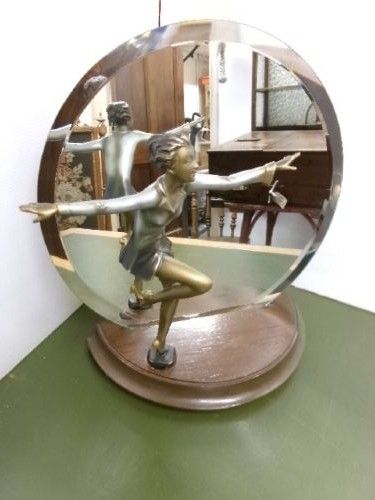
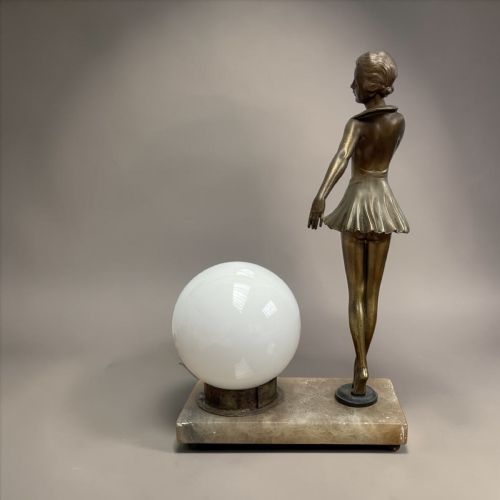
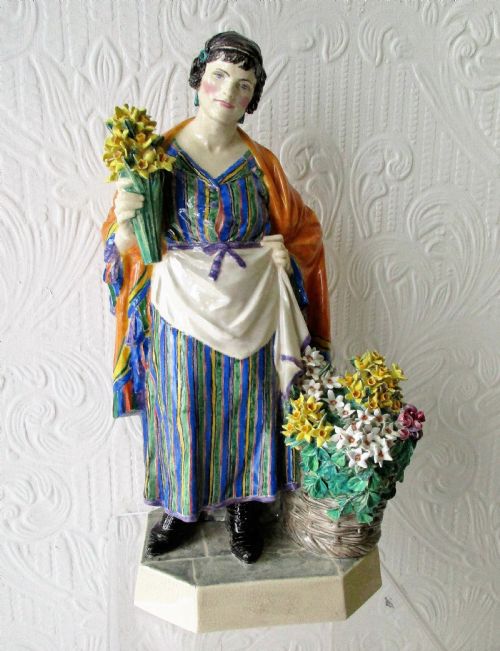
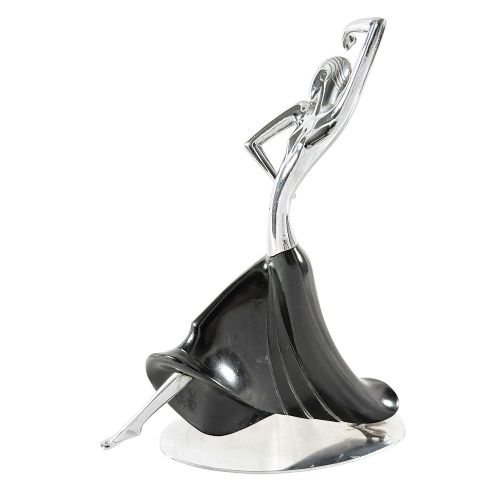
These art deco lady sculpture examples capture the dynamic elegance of the interwar period through stylised female forms.
Art Deco Lady Sculpture
An art deco lady sculpture embodies the stylised aesthetic of the 1920s and 1930s, often depicting dancers, bathers or women with animals. These figures take the form of freestanding statues, functional table lamps, and car mascots.
Most pieces date from the 1930 period, with earlier examples originating from the 1920 or Edwardian eras. French and English workshops dominate the origins alongside German ceramic studios.
The subjects range from solitary female nudes to complex figural groups involving greyhounds, panthers, and deer. Dancers and ladies with hoops or mirrors appear frequently among the listings.
Materials and Techniques
Foundry workers cast many figures in spelter or bronze, frequently mounting them onto heavy marble, onyx or alabaster bases. Spelter pieces often receive a painted or patinated metal finish.
Makers combined materials such as bronze and ivory in chryselephantine works, while others utilised glass, wood, ceramic, and plaster. Silvered finishes and chrome plating also appear across metal figures.
Listings feature works spanning from Edwardian plaster busts to 1930s French spelter figures and English studio pottery.
Craftsmanship and Distinction
The integration of the figure with its mounting base dictates the overall harmony of the piece. Superior examples utilise high-grade materials like solid bronze, genuine ivory, and polished marble or onyx foundations.
Signed works by known sculptors carry distinct artistic authority over unsigned studio productions. The proportion of the human form and the dynamic balance of the pose reveal the skill of the original creator.
Charles Vyse·Demetre Chiparus·Geo Maxim·Jose Dunach·Cipriani
The Art Deco Lady Sculpture Glossary
- Spelter
- A zinc alloy commonly used as a cost-effective substitute for bronze in interwar sculpture. It accepts patinated and painted finishes readily.
- Chryselephantine
- A term describing statues made from a combination of bronze and ivory. This technique highlights the face and hands of the female figures.
- Patinated metal
- Metal treated with chemicals or paint to achieve a specific surface colour and aged appearance. This finish protects the underlying material while enhancing visual depth.
- Onyx
- A banded variety of chalcedony frequently utilised for heavy sculptural bases. Its natural grain provides a stable and decorative foundation for metal figures.
Art Deco Lady Sculpture: Frequently Asked Questions
What is an art deco lady sculpture?
An art deco lady sculpture is a decorative figure representing a woman in the stylised manner of the 1920s and 1930s. These pieces reflect the fashion, dance, and modernism of the interwar period.
Artists portrayed women as dancers, athletes, or companions to animals such as greyhounds and panthers. The designs served as mantel ornaments, table lamps, and architectural car mascots.
How were these sculptures used originally?
Owners displayed these figures prominently on mantelpieces, sideboards, and occasional tables within modern homes. Some designs doubled as functional lighting by incorporating lamp fittings.
Automobile owners also mounted smaller bronze versions onto radiator caps as car mascots. They functioned primarily as expressions of contemporary taste and luxury.
How do I care for spelter and bronze figures?
Dust the sculpture gently with a soft, dry brush to prevent the accumulation of dirt on patinated surfaces. Avoid using abrasive cloths, chemical cleaners, or water which can damage metallic finishes.
Keep the pieces away from direct sunlight and damp environments to preserve the integrity of the metal and stone bases. Wax can be applied sparingly to maintain marble or onyx polish.
How do I distinguish bronze from spelter?
Bronze is heavier, more rigid, and possesses a warmer natural tone beneath any applied patina. Spelter is a softer zinc alloy that often shows a lighter grey metal underneath chips in the painted finish.
Spelter figures may also exhibit casting seams or slight brittleness compared to durable bronze. Signatures are typically crisper on bronze castings due to the higher fidelity of the lost-wax method.