
Antique Equestrian Statue
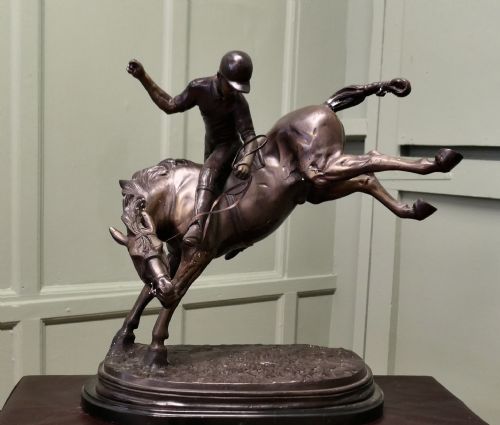
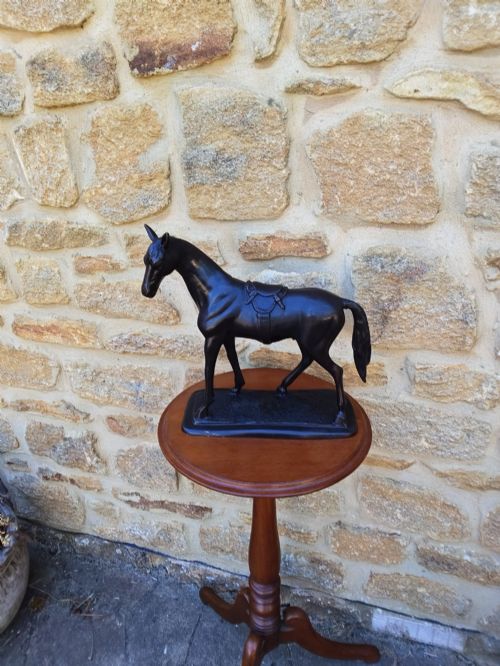
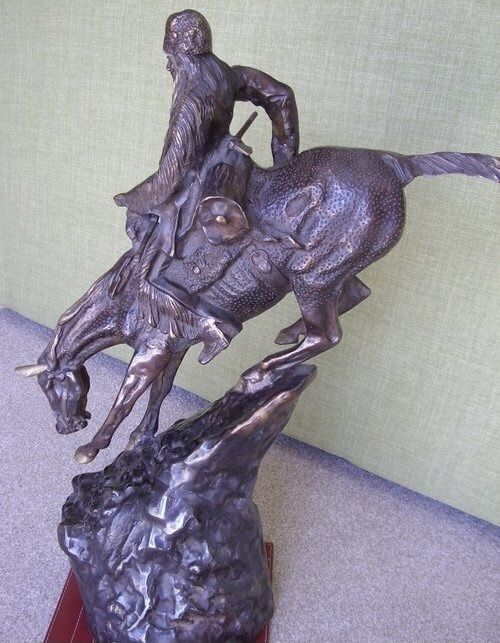
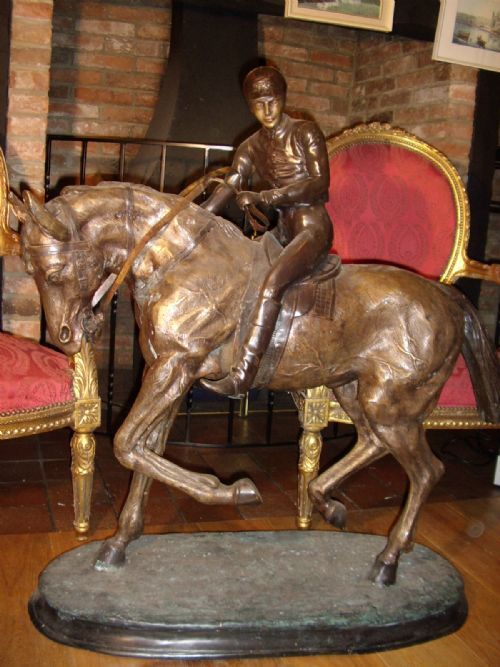
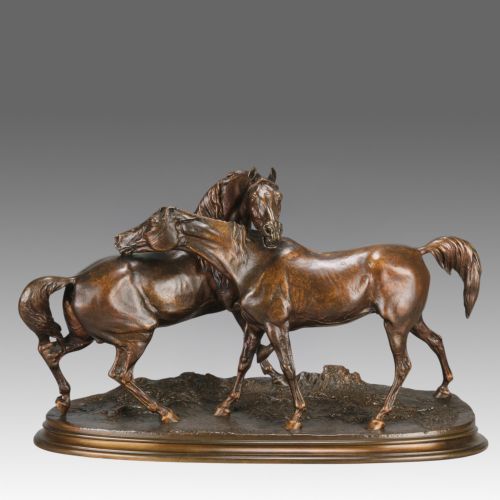
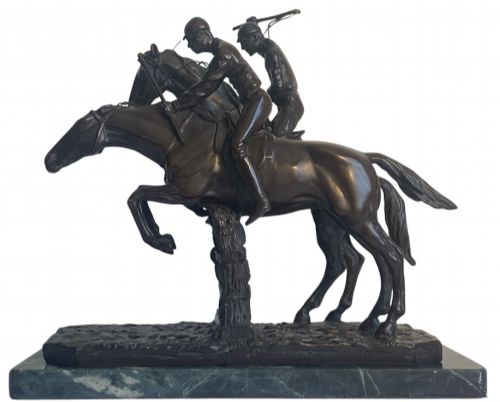
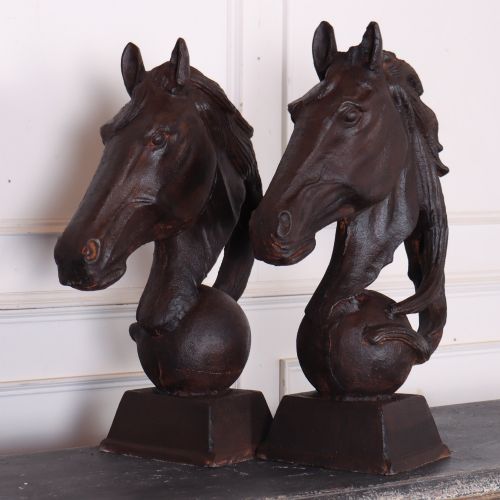
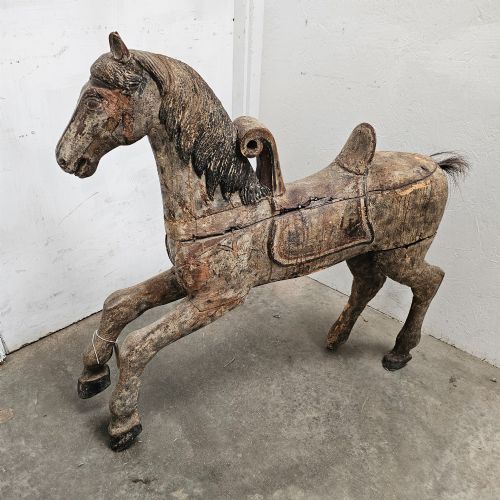
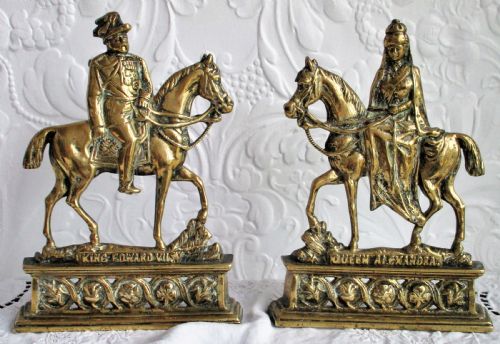
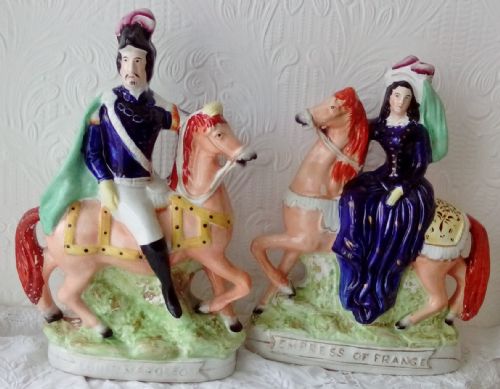
An antique equestrian statue captures horse and rider or horse alone in bronze, iron, wood, or pottery.

Antique Equestrian Statue
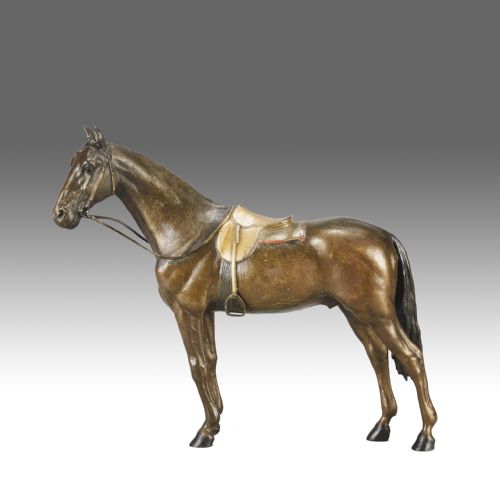
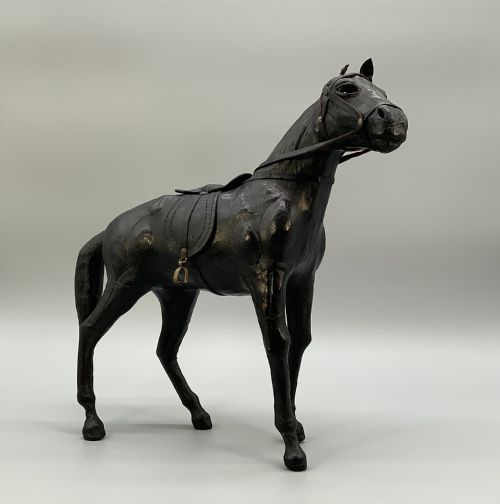
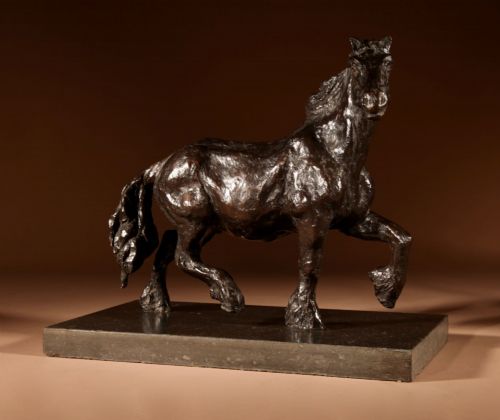
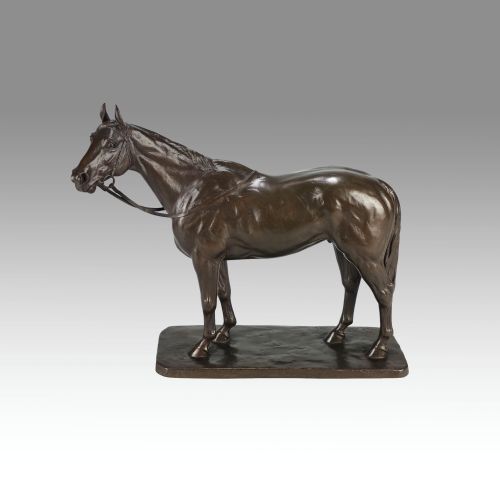
When searching for an antique equestrian statue, collectors encounter pieces ranging from mid-nineteenth-century French Animalier bronzes to early twentieth-century cold-painted Austrian metalwork. These sculptures depict figures on horseback, racing scenes, military subjects, and solitary stallions across various forms.
The selections on this page span the nineteenth century and the early decades of the twentieth century, featuring styles such as French Animalier, Academic Realism, and Art Deco. Forms vary from large mantle clocks and chimney ornaments to heavy cast-iron hitching posts and delicate pottery figures.
Representations include historical leaders, jockeys, polo players, and mythological or classical subjects mounted on marble bases or integrated into clocks. Buyers find both European foundry casts and Eastern earthenware pieces within these listings.
How They Were Made
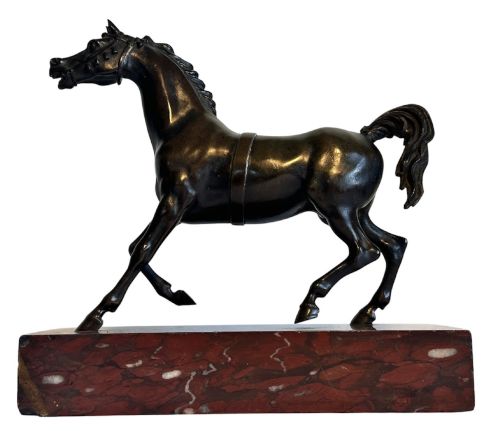
Foundries produced the bronze statues using the lost-wax method or sand casting, applying patination of various tones to accent muscle and harness detail. Cold-painted pieces received fine layers of polychrome pigment over metal surfaces.
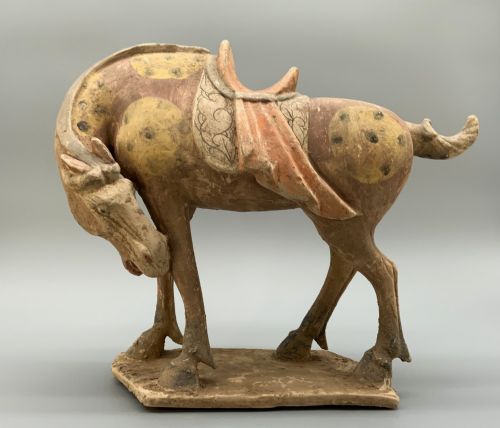
Pottery figures combined earthenware bodies with painted, glazed, or sancai finishes, while other sculptural works utilised carved wood, cast iron, or white marble plinths and bases.
Antique Equestrian Statue Retail Price Guide 2026
Typical asking prices for equestrian statue among the pieces listed under this phrase on Sellingantiques today, from the lower quarter to the upper quarter. They describe what is for sale here now, not the wider market.
Listings feature works from the nineteenth century up to 1950, spanning bronze, marble, wood, cast iron, and earthenware.
What Varies in Quality
The quality of the material base, whether veined marble, gilt or patinated bronze, or hand-painted enamel, anchors the visual weight of the sculpture.
Pierre Jules Meme·Jules Bonheur·Franz Bergman·Kunio Ito·John Willis Good·Luigi Secchi·Alfred Dubucand·Charles Crozatier·Pierre Lenordez
The Antique Equestrian Statue Glossary
- Animalier
- A nineteenth-century artistic movement focusing on the realistic depiction of animals, particularly horses and lions, often cast in bronze. Practitioners mastered anatomical precision and dynamic movement.
- Cold-painted bronze
- A technique where bronze sculptures received polychrome paint applications without being fired in a kiln. This method was notably practiced by Viennese foundries in the early twentieth century.
- Lost-wax casting
- A metalworking process where a molten metal is poured into a mould that has been created by means of a wax model. The wax is melted and drained away.
- Patina
- A thin layer that naturally or artificially forms on the surface of bronze through oxidation or chemical treatment. It alters the colour and protects the underlying metal.
- Grand Tour
- A traditional trip of Europe undertaken by upper-class European young men of sufficient means. Souvenirs included small bronze statues of classical monuments and equestrian figures.
Antique Equestrian Statue: Frequently Asked Questions
What materials are common in these sculptures?
Bronzes dominate the selection, often mounted on marble bases or paired with clock movements. Cast iron, wood, brass, and earthenware also appear.
Earthenware versions feature painted or glazed finishes, while metal pieces rely on patination or cold-painted enamel details.
How do I identify a French Animalier bronze?
These works focus intently on animal anatomy, capturing horses in motion, resting, or paired with jockeys and handlers. Foundries in France produced many of these during the nineteenth century.
Signatures or foundry marks often appear directly on the bronze base alongside the title of the piece.
Where should I display a heavy bronze statue?
Because many pieces utilise dense marble plinths or solid cast metal, sturdy furniture with level surfaces is essential. Mantelpieces, dedicated pedestals, and heavy desks support the weight securely.
Keep pieces away from direct heat sources to protect patinated surfaces and marble joins.
What is a Grand Tour souvenir piece?
Travellers on European educational journeys collected small-scale bronzes representing famous monuments or historical statues. These study pieces brought classical Italian sculpture into private homes.
They frequently depict historical leaders or prominent equestrian monuments mounted on simple plinths.