


Japanese Bronze Animal Sculpture
These Japanese bronze animal sculpture works bring remarkable Meiji and Showa period craftsmanship into a room through finely cast creatures and striking patination.
Japanese Bronze Animal Sculpture
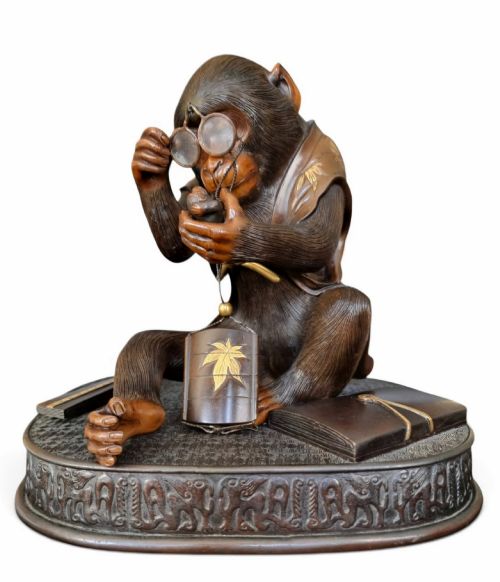
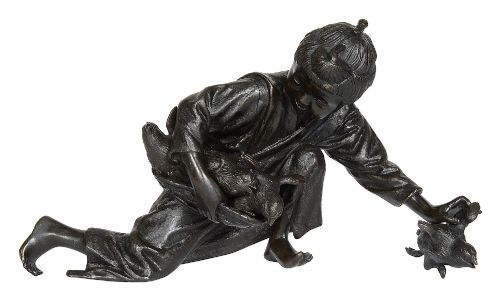
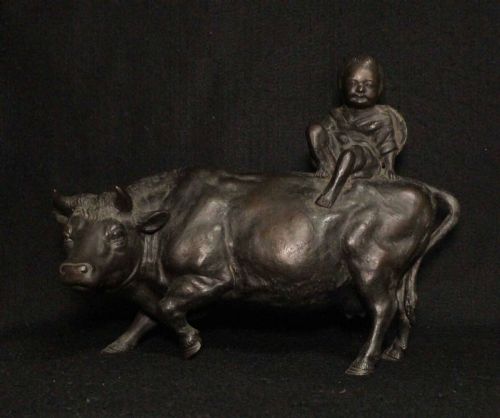
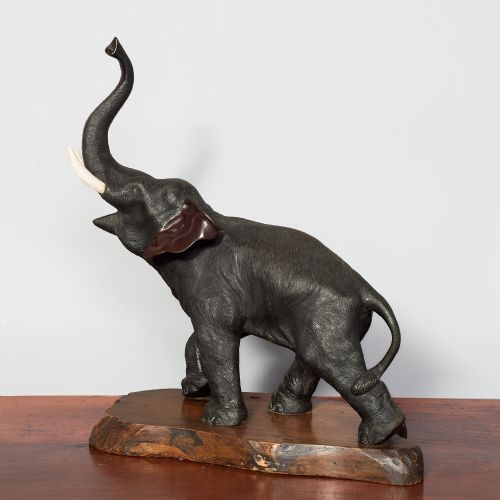
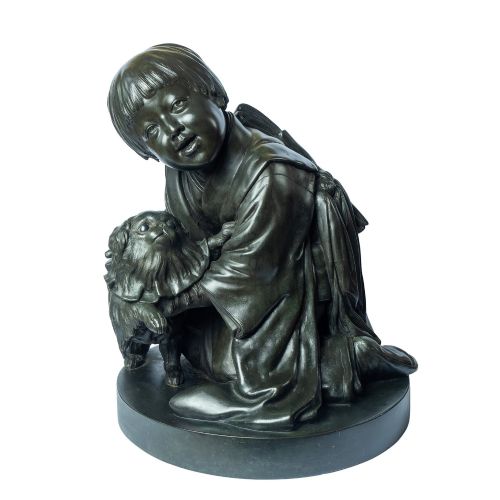
When you search for a japanese bronze animal sculpture, you encounter figures cast during the nineteenth and early twentieth centuries, spanning the Meiji, Taisho, and Showa periods. These objects take the form of okimono or standalone sculptural studies depicting subjects ranging from domestic puppies and monkeys to elephants and tigers.
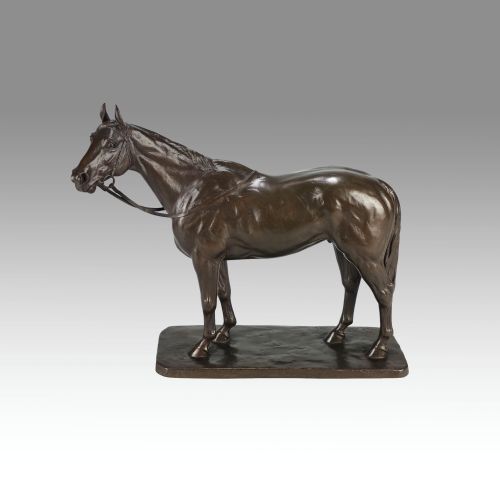
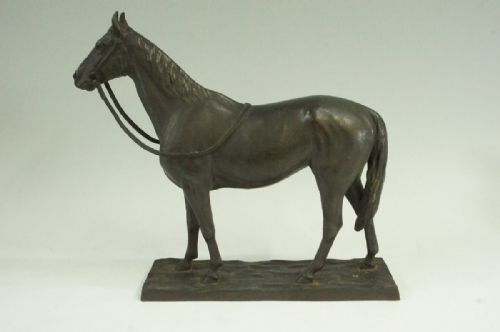
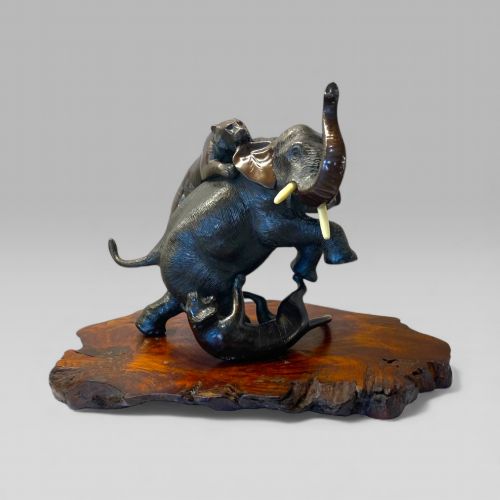
You are most likely to meet pieces originating from the Meiji period, often rendered as realistic or anthropomorphic representations of wildlife. The selection includes complex group scenes, such as elephants fighting tigers, alongside single subjects like hawks, horses, and rats clutching chestnuts.
The forms vary from small tabletop figurines to large, substantial works requiring dedicated display space. Many carry signatures or foundry marks connecting them to specific makers active in Tokyo and other regional centres.
Methods and materials
These sculptures rely on traditional lost-wax casting techniques to capture intricate details like fur texture, musculature, and facial expressions. The primary material is bronze, frequently enhanced through mixed-metal applications involving copper, gold inlay, and contrasting patinas.
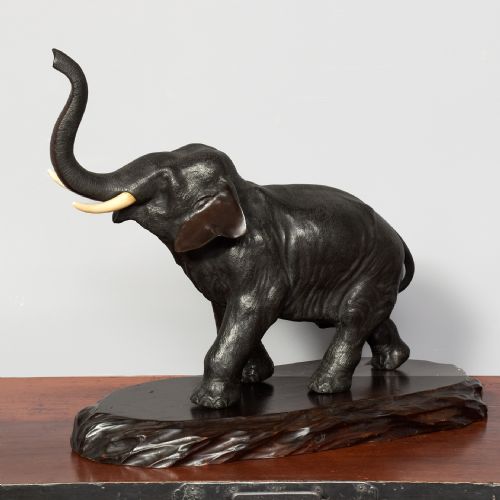
Selected works incorporate supplementary materials such as ivory tusks, bone, or diamond eyes to add naturalistic contrast to the dark metal surfaces. Bases are often cast integrally or carved from wood to anchor the dynamic compositions of animals in motion.
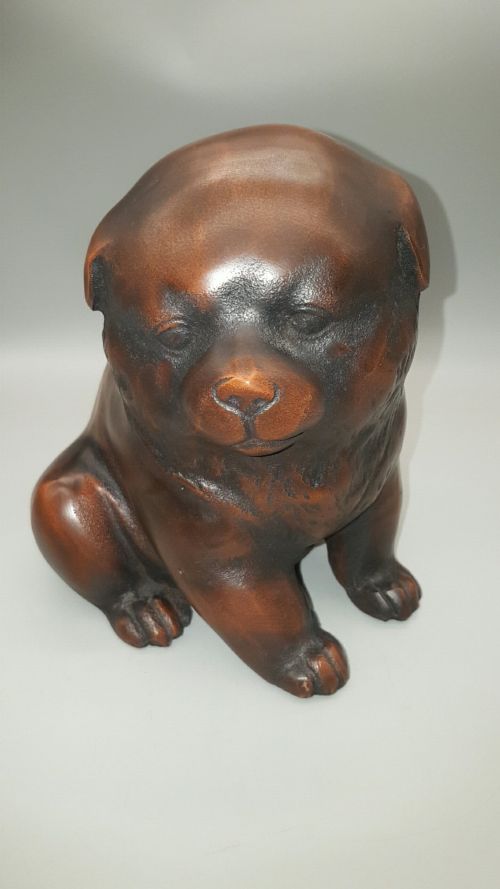
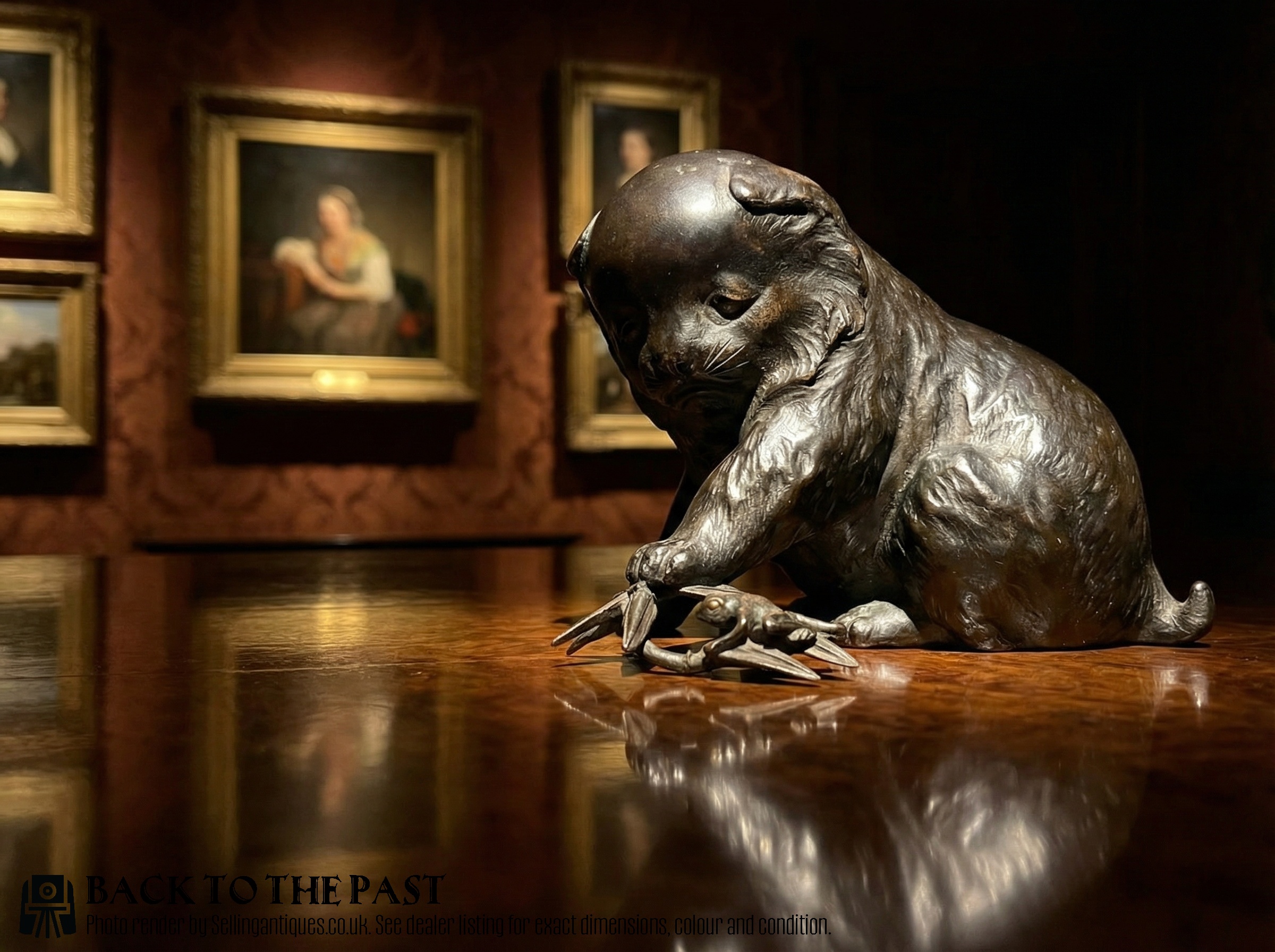
Several Meiji bronzes capture surprisingly domestic moments, including a rat clutching a chestnut and puppies tumbling together on the floor.
Assessing quality
Quality rests upon the precision of the casting and the sensitivity of the chisel work applied after the metal cools. Superior examples exhibit anatomical accuracy combined with lively posture, whether showing a crouching lion or a puppy at play.
The depth and nuance of the patination distinguish finer pieces, where chemical treatments create subtle tonal variations across the bronze. Signed works by recognised artists generally demonstrate superior mastery in surface detailing and compositional balance.
Tsunemitsu·Kunio Itô·Masaaki·Sakai Kōzan·Kaniya Kuniharu·Seiunsai Miyamoto Sei
The Japanese Bronze Animal Sculpture Glossary
- Okimono
- A Japanese ornamental object intended for display in a tokonoma alcove or on a shelf. These sculptures were produced extensively during the Meiji period for both domestic and export markets.
- Patina
- The chemical coloration developed on the surface of the bronze through age or intentional treatment. Makers used various compounds to achieve rich brown, black, or red hues.
- Meiji Period
- The era of Japanese history lasting from 1868 to 1912, marked by the opening of trade with the West and a flourishing of decorative metalwork.
- Showa Period
- The period spanning from 1926 to 1989, represented in later twentieth-century sculptural works continuing traditional foundry methods.
- Mixed-Metals
- The technique of combining bronze with other metals like copper, silver, or gold inlay to create contrasting decorative details.
Japanese Bronze Animal Sculpture: Frequently Asked Questions
How do I identify a Meiji period piece?
Meiji period sculptures generally date between 1868 and 1912, often displaying naturalistic animal subjects with complex patination and occasionally artist signatures. Examining the casting style and surface wear helps place the object within this nineteenth-century window.
Makers from this era frequently integrated mixed-metal details or incorporated organic elements like ivory tusks into bronze elephant and tiger groups.
Where should I display a bronze sculpture?
These sculptures suit stable, flat surfaces such as wooden sideboards, mantelpieces, or dedicated display tables where their weight is supported safely. Placing them away from direct moisture protects the bronze patina and any incorporated wooden elements.
Ensure adequate lighting from the side to bring out the chisel work and surface texture of the animal forms.
What do signature marks tell us?
Signatures carved or cast into the bronze often name the individual artist or the foundry responsible for the work. Finding a known name like Kunio Itô or Tsunemitsu connects the piece to documented Meiji and early twentieth-century workshops.
Not all quality pieces carry signatures, as many fine export works bear only general foundry stamps or remain unmarked.
How do single animals differ from group scenes?
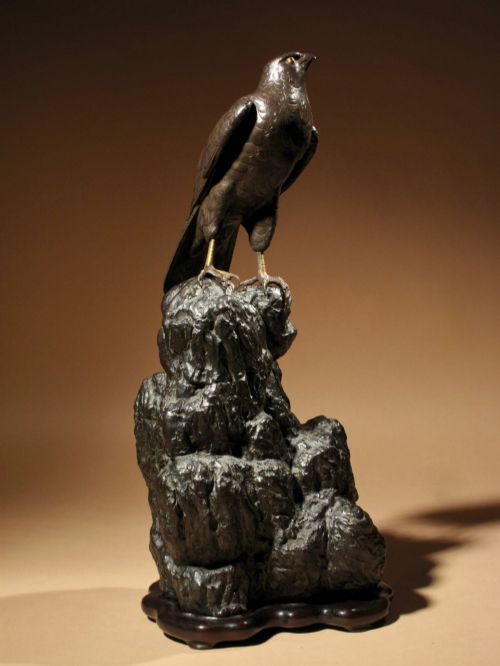
Single animal studies focus closely on the character and anatomy of a specific creature, such as a hawk on a rock or a single horse. These pieces offer a direct study of form and patination.
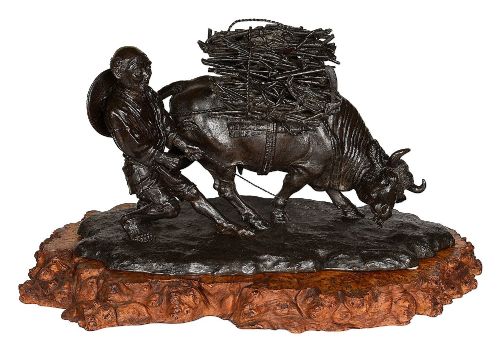
Group scenes, such as elephants fighting tigers or woodsmen with animals, present complex narratives requiring multi-angle viewing and more intricate casting arrangements.