
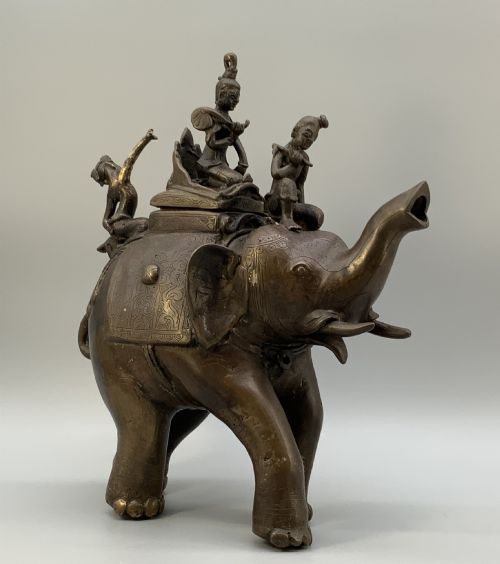
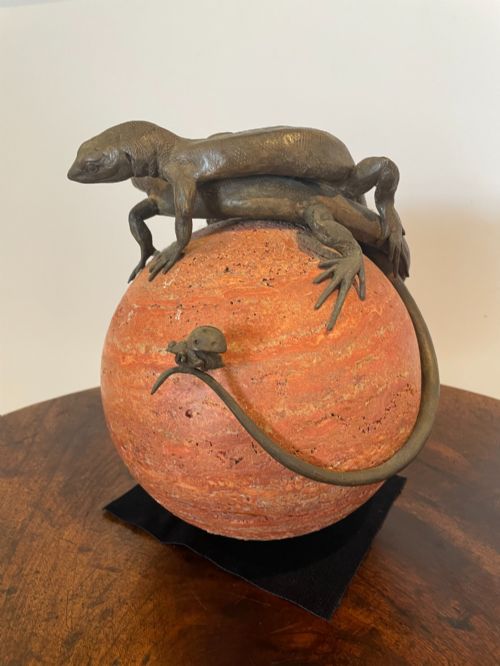
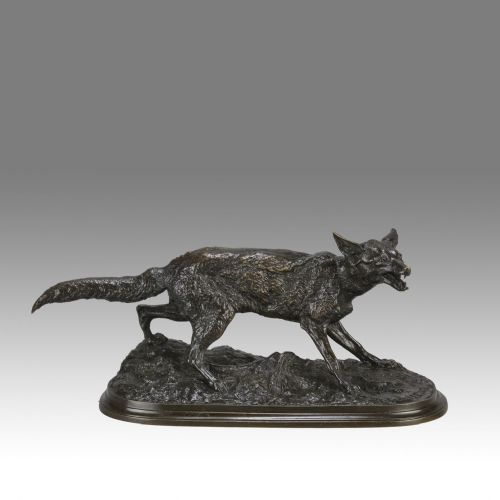

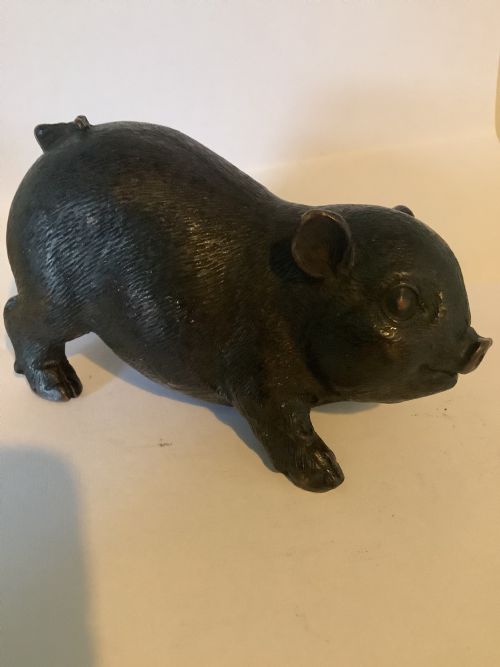
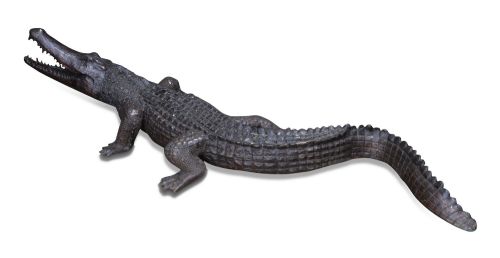
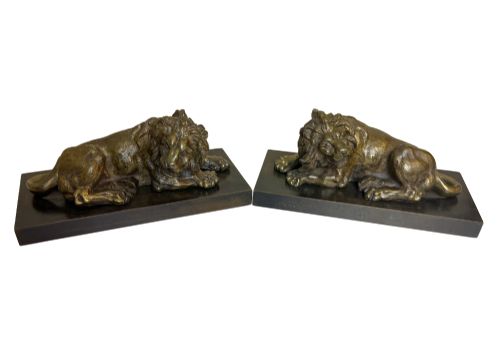
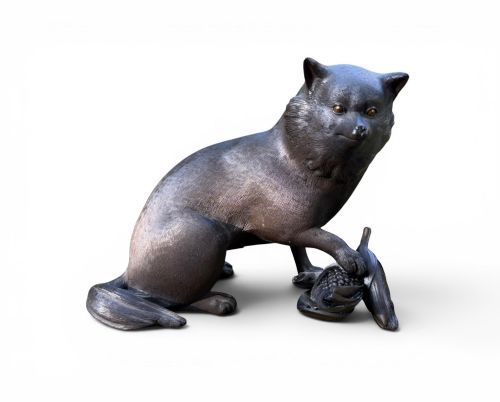
Dark Bronze Animal Statue
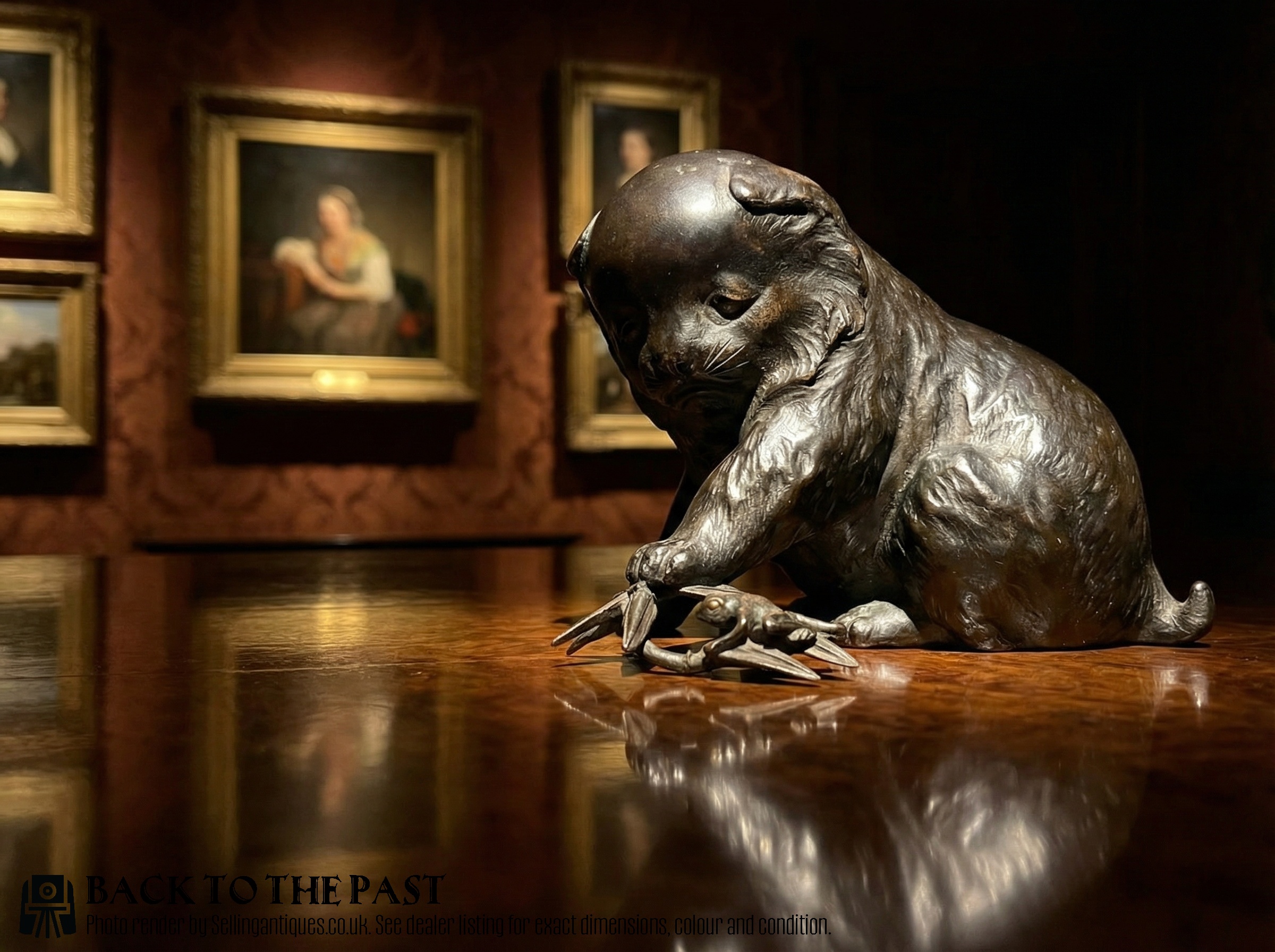
These dark bronze animal statue pieces capture creatures with striking weight and detail, drawing collectors who value enduring metalwork.
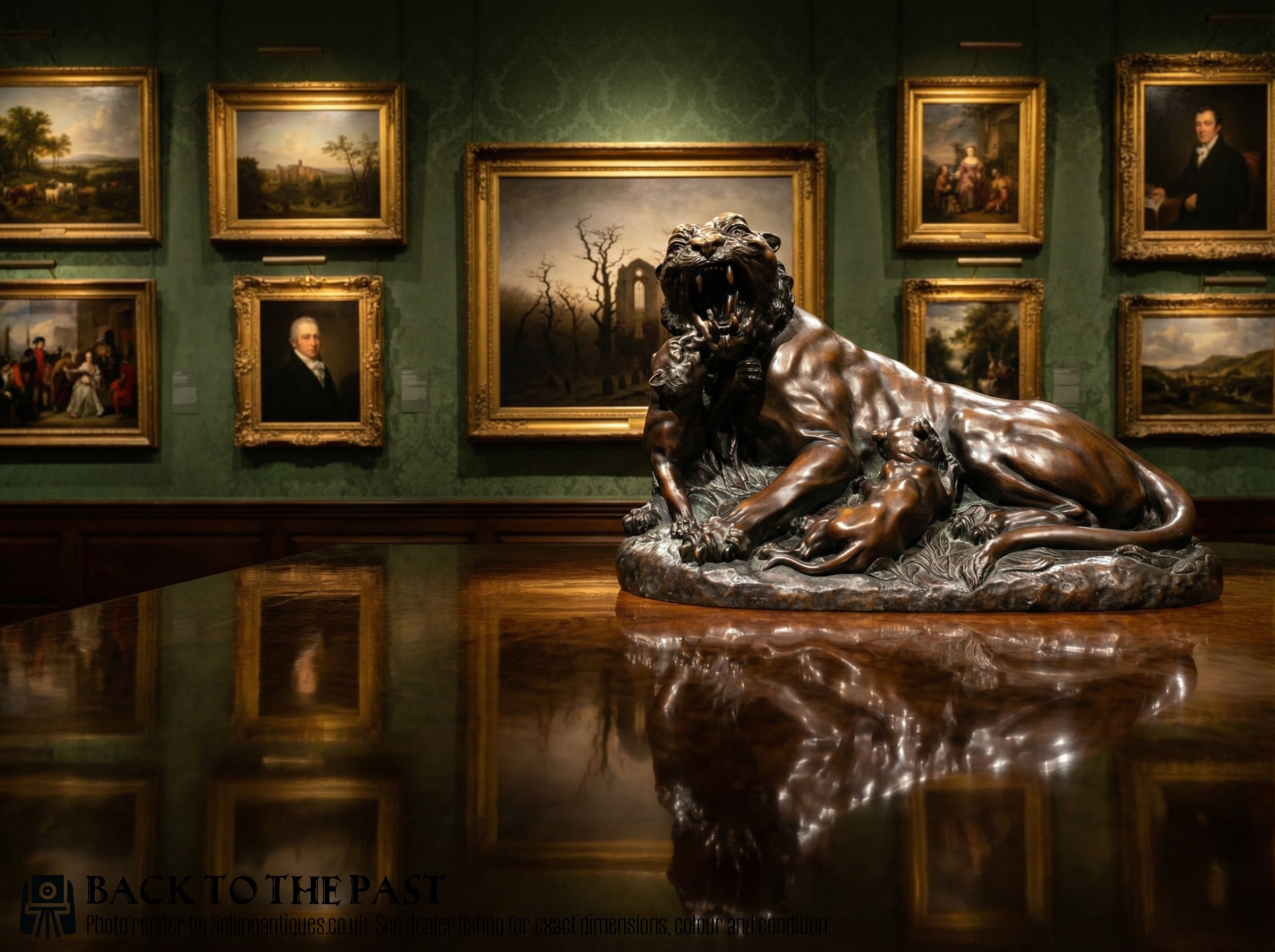
Dark Bronze Animal Statue
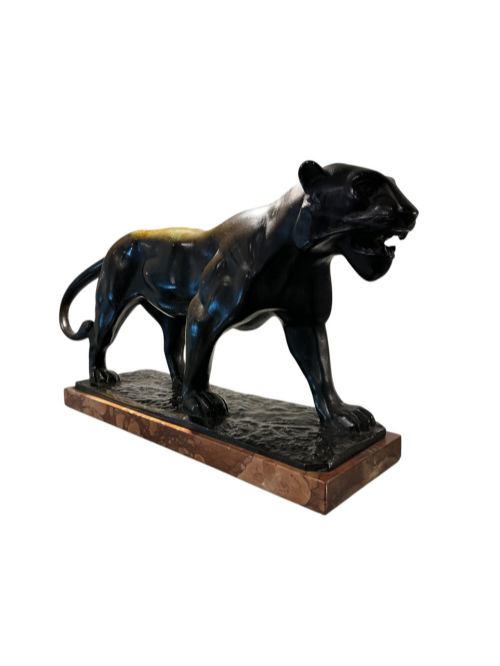
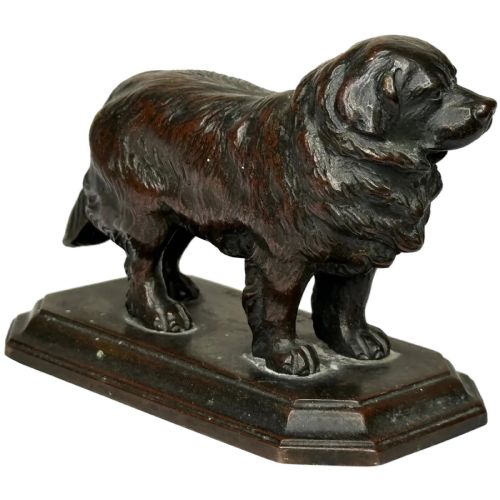
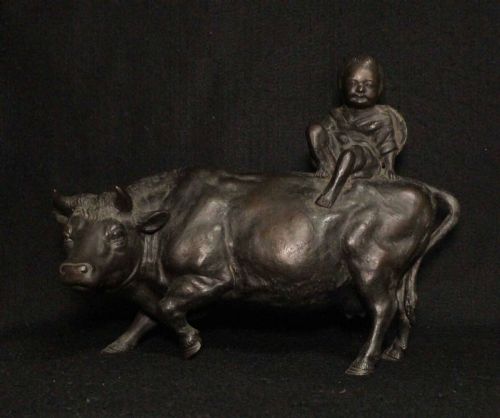
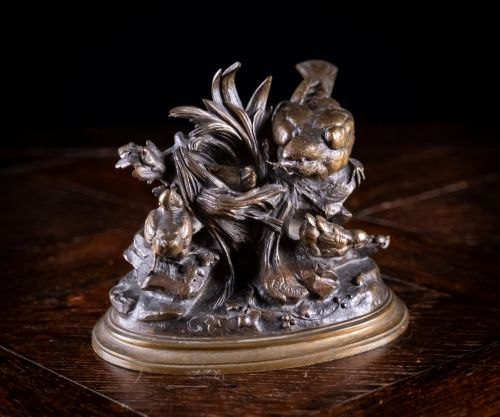
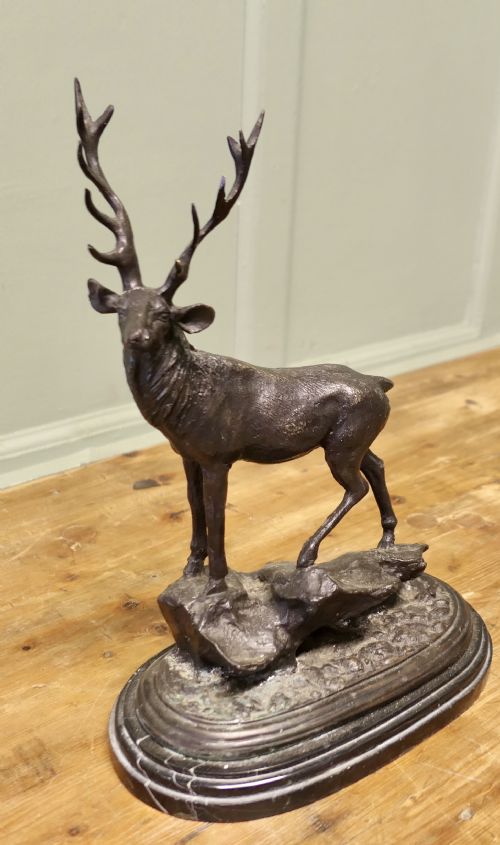
A dark bronze animal statue brings together metal castings of creatures ranging from domestic dogs to powerful big cats and forest wildlife. Buyers seek these sculptures for their substantial presence and the lifelike postures captured by European and Asian workshops.
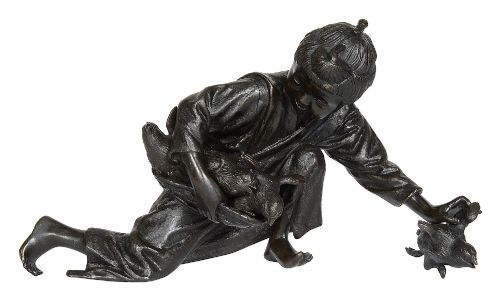
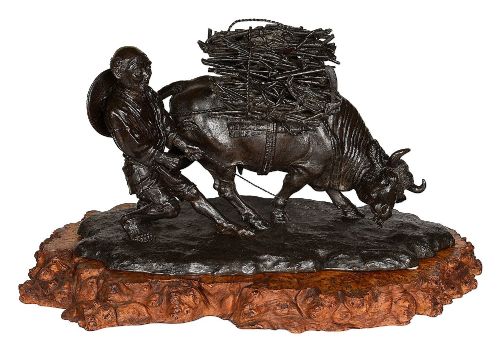
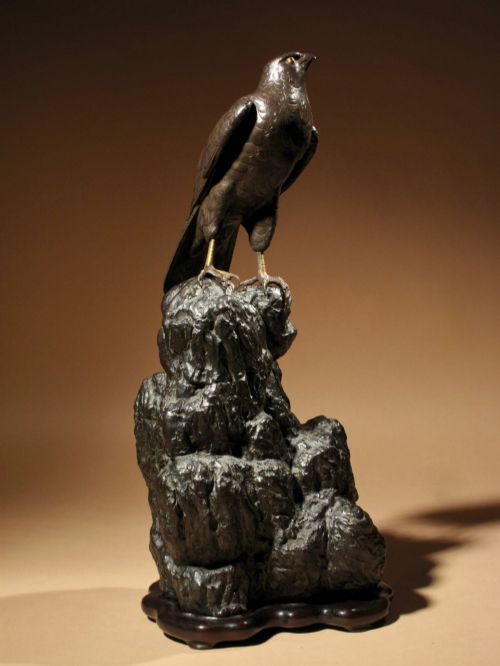
The selections here span nineteenth-century French Animalier studies, Japanese Meiji period okimono, and twentieth-century Art Deco interpretations. Most examples combine a heavy metallic subject mounted upon a supportive base of marble, onyx, or naturalistic bronze rock formations.
Materials and construction methods
Bases often integrate contrasting natural materials including marble, wood, and onyx to anchor the heavy metal sculptures securely. Surface treatments range from dark patinated finishes to cold-painted polychrome highlights.
The inventory records pieces spanning the nineteenth century through the Art Deco era, utilising bronze, marble, ivory, and wood.
Distinctions in execution and finish
Quality rests upon the crispness of the chasing and the naturalism of the musculature and texture. Superior pieces display articulate anatomical observation rather than generic smoothing across the fur, feathers, or hide.
The integration of the subject with its base, the subtlety of the chemical patination, and the clarity of signatures or foundry marks separate standard commercial castings from masterworks.
P J Mêne·Antoine Louis Barye·Alexandre Ouline·Kunio Itô·Bergman
The Dark Bronze Animal Statue Glossary
- Animalier
- A nineteenth-century artistic movement dedicated primarily to the realistic portrayal of animals. Practitioners focused heavily on anatomical accuracy and dynamic movement.
- Okimono
- A Japanese decorative object intended for display in an interior setting. These sculptures often depict animals, figures, or mythical subjects with extreme precision.
- Patina
- The surface coloration or film that develops on bronze over time or through chemical application. This finish ranges from deep chocolate brown to near black.
- Cold painted
- A technique where paint is applied to a finished bronze object without high-temperature firing. This method was widely used on Austrian cabinet bronzes to add vibrant polychrome details.
Dark Bronze Animal Statue: Frequently Asked Questions
How are these animal sculptures displayed?
These bronzes sit well on heavy wooden desks, bookshelves, or dedicated mantelpieces where their weight provides stability. They require minimal environmental control away from direct moisture.
Grouping pieces by period or subject creates a coherent display that highlights differences between European Animalier works and Japanese Meiji castings.
What defines the French Animalier school?
This nineteenth-century movement focused on observing wild and domestic animals in motion or repose. Sculptors studied subjects directly from menageries to capture authentic behaviours.
Works from this tradition typically feature rich brown or dark patination over finely chased bronze surfaces.
How do I identify a Meiji period bronze?
Meiji bronzes often incorporate intricate surface details, mixed metals, or signature plaques on the underside or base. Subjects frequently include wildlife, everyday workers, and mythical elements rendered with immense precision.
These Japanese pieces frequently utilise specialised patination techniques to create varied metallic tones across the subject.
How should I clean a bronze statue?
Dusting gently with a soft, dry cloth prevents particulate buildup on the patinated surface. Avoid liquid cleaners, oils, or abrasives which can strip the historic finish.
Handling the metal with clean hands preserves the original patina over decades of ownership.