


Bronze Tiger Sculpture
These bronze tiger sculpture pieces bring nineteenth-century animalier tension and Meiji craftsmanship straight to a mantel or desk.

Bronze Tiger Sculpture
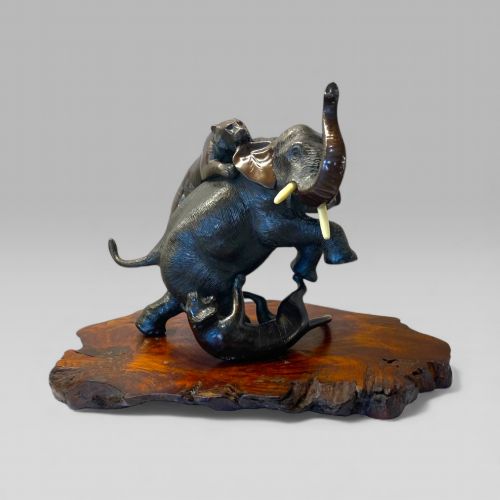
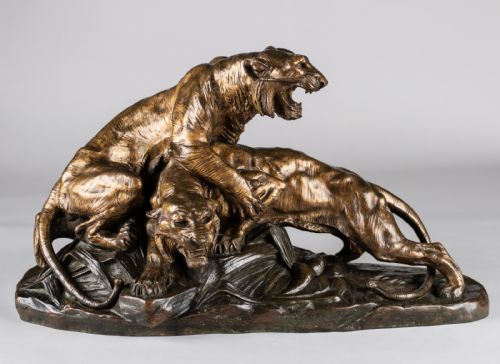
A bronze tiger sculpture captures the power of the beast through nineteenth-century French animalier studies and Japanese Meiji period okimono. These works range from prowling solitary cats to dramatic groupings involving elephants, serpents, or human figures.
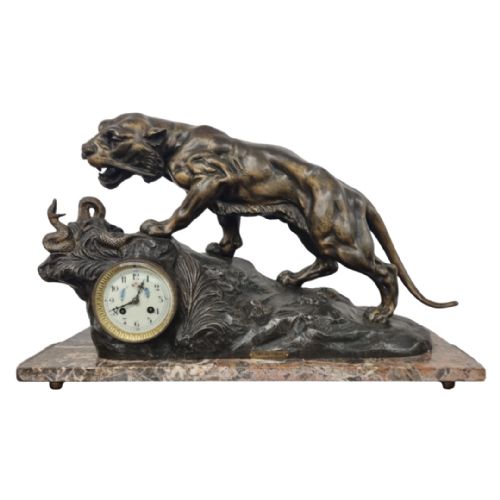
Forms extend beyond standalone figures into functional objects such as mantel clocks, desk tidies, and pen trays. Buyers will frequently encounter French foundry casts mounted on marble or granite bases alongside signed Japanese bronzes.
The aesthetic bridges European realism with the precise observation characteristic of Japanese Meiji craftsmanship. Whether set on wood or onyx, each piece translates muscle and movement into metal.
How They Were Made
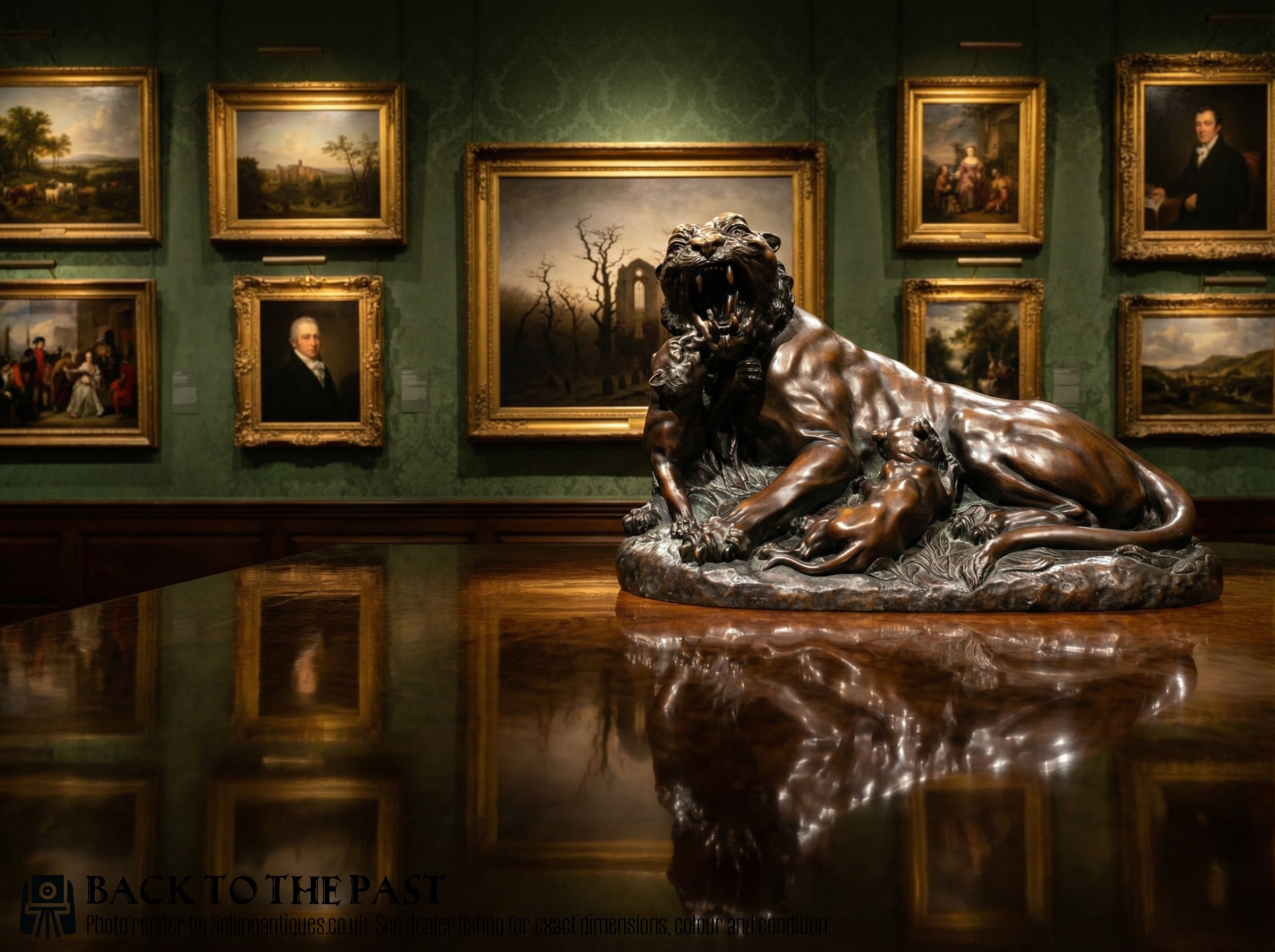
Foundries utilised traditional casting methods to capture fine surface detail in bronze, rendering fur texture and musculature with precision. Many of these metal forms are mounted directly onto heavy supportive plinths of marble, granite, onyx, or carved wood.
Japanese Meiji period examples often rely on intricate chasing and patination to achieve tonal depth across the bronze surface. Artisans integrated mixed media elements like enamel, bone, and ivory into specific decorative contexts.
Bronze Tiger Sculpture Retail Price Guide 2026
Typical asking prices for bronze tiger sculpture among the pieces listed under this phrase on Sellingantiques today, from the lower quarter to the upper quarter. They describe what is for sale here now, not the wider market.
Several tigers find themselves perpetually occupied with fighting elephants, serpents, or each other.
What Varies in Quality
The integration between the bronze figure and its base marks a clear distinction in manufacturing standard. Heavier stone plinths fitted flush to the metal demonstrate greater care than simpler mountings.
R Varnier·Asprey Of London·A Vannetti·Andrey·E.Drouot·Kabuki Shumei·Hugues·Merculiano·C.Masson
The Bronze Tiger Sculpture Glossary
- Animalier
- Art depicting animals, applied particularly to nineteenth-century European sculptors who specialised in realistic wildlife studies. This genre focused heavily on anatomical accuracy and dynamic tension.
- Okimono
- A Japanese decorative object intended for display, usually placed on a shelf or in a alcove. These sculptures often depict natural subjects rendered with high realism.
- Patina
- The surface coloration and sheen developed naturally over time or applied chemically by the foundry. It protects the metal and defines the visual texture of the bronze.
- Chasing
- The finishing process where a metalworker refines the surface of a cast bronze using hammers and punches. This step restores detail lost during the casting process.
Bronze Tiger Sculpture: Frequently Asked Questions
How do I clean a bronze sculpture?
Dust the surface gently with a soft dry brush to prevent particle buildup. Avoid using water, soap, or chemical polishes that can strip the original patina.
Apply a very thin coat of microcrystalline wax if the metal requires protection against moisture. Buff lightly with a clean cloth after application.
What is a Meiji period bronze?
The Meiji period spans the late nineteenth and early twentieth centuries in Japan, marking an era of exceptional metalwork. Artisans produced detailed animal studies using advanced casting and patination techniques.
These pieces often bear signature plaques or engraved artist marks on the underside or base. They are prized for their lifelike poses and fine surface textures.
How are French animalier bronzes identified?
French animalier bronzes typically feature foundry stamps or signatures cast directly into the metal base. The style emphasises realistic musculature and dramatic movement, reflecting natural history studies of the era.
Many of these sculptures are mounted on shaped marble plinths. The casting quality often corresponds to the reputation of the foundry involved.