
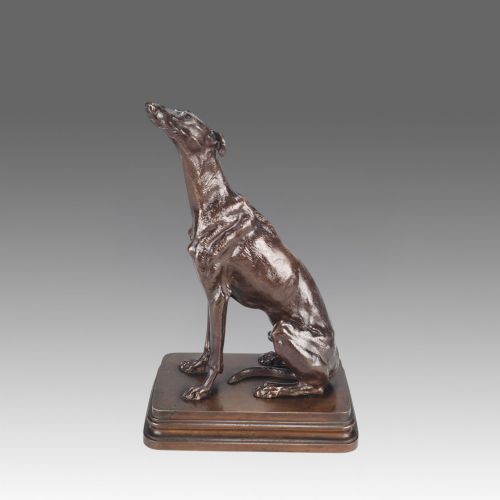
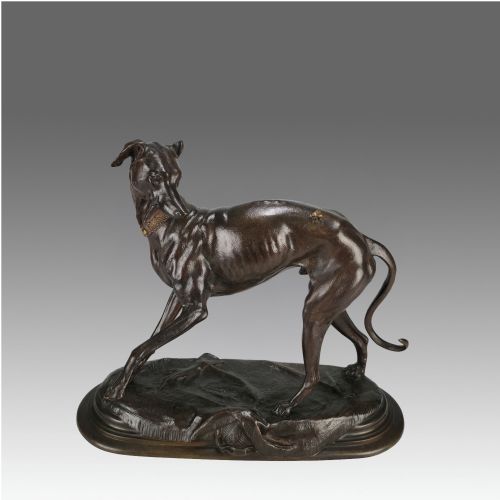
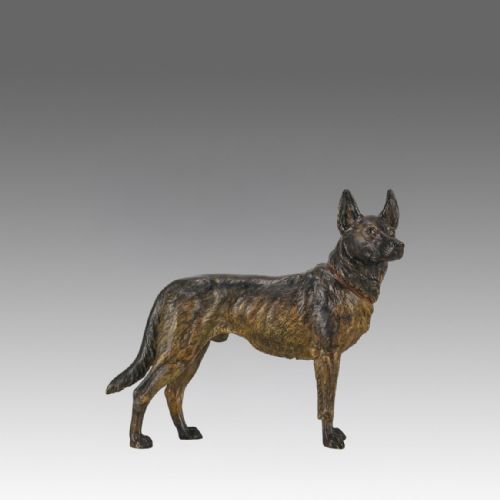
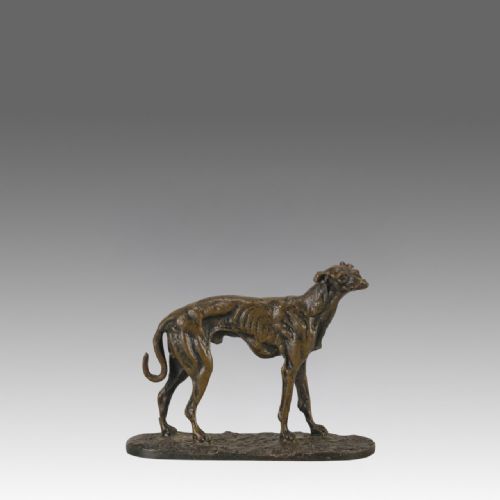

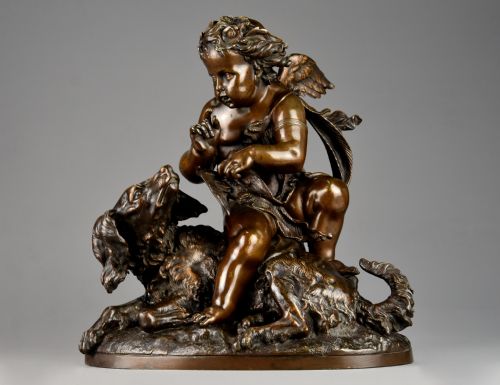


Dark Bronze Dog Sculpture
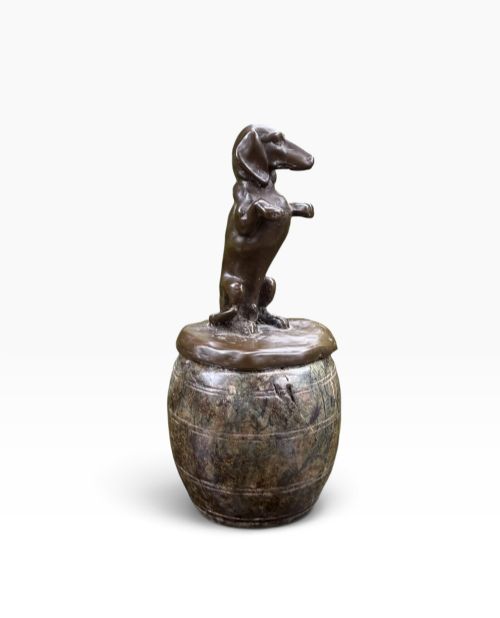
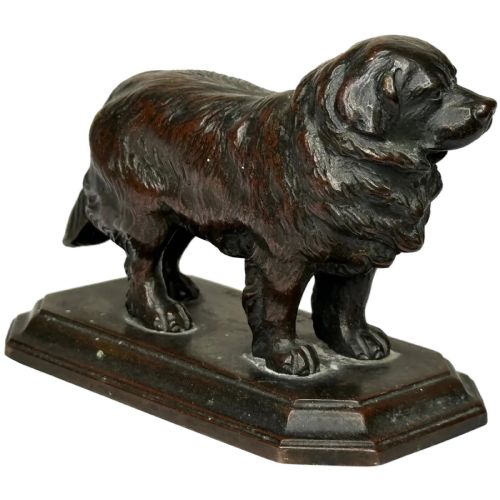
A dark bronze dog sculpture brings muscular canine realism into a room, capturing hounds and terriers in dense metal with rich patination.
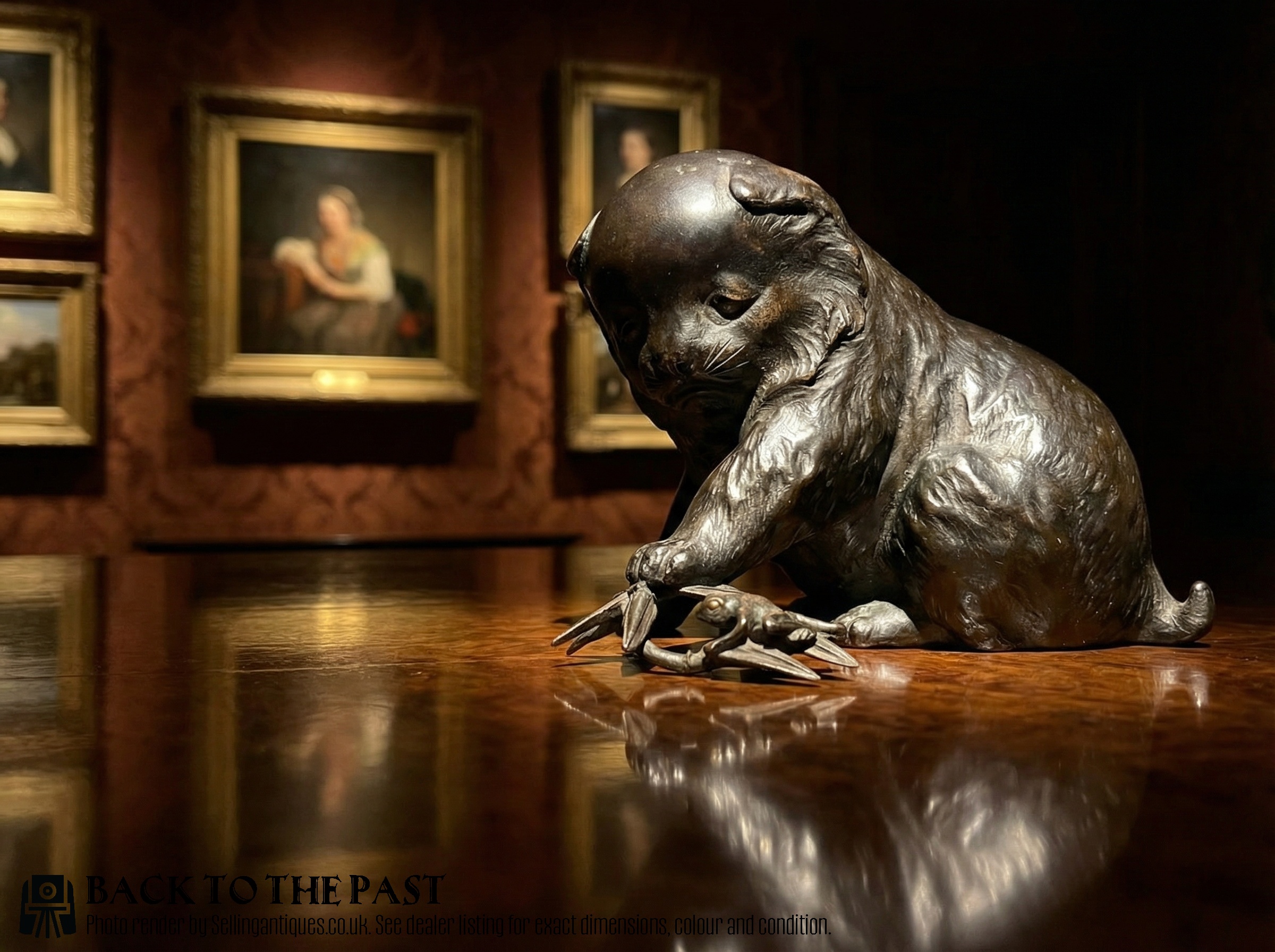
Dark Bronze Dog Sculpture
A dark bronze dog sculpture is a metal study of a canine subject, ranging from swift greyhounds and setters to smaller terriers and poodles.
Buyers meet works originating primarily from nineteenth-century French ateliers, alongside Austrian cold-painted examples and Japanese bronze okimono.
These sculptures take the form of mantel ornaments, paperweights, car mascots, and fireside statues created by prominent animalier artists.
How they were made
The pieces are produced through metal casting, utilising bronze as the primary medium often finished with a dark patination, paint, or mounted upon marble bases.
Cold-painting techniques apply pigment directly to the cooled metal surface, whilst French animalier founders employ meticulous chasing to define muscles and fur.
Dark Bronze Dog Sculpture Retail Price Guide 2026
Typical asking prices for dark bronze dog sculpture among the pieces listed under this phrase on Sellingantiques today, from the lower quarter to the upper quarter. They describe what is for sale here now, not the wider market.
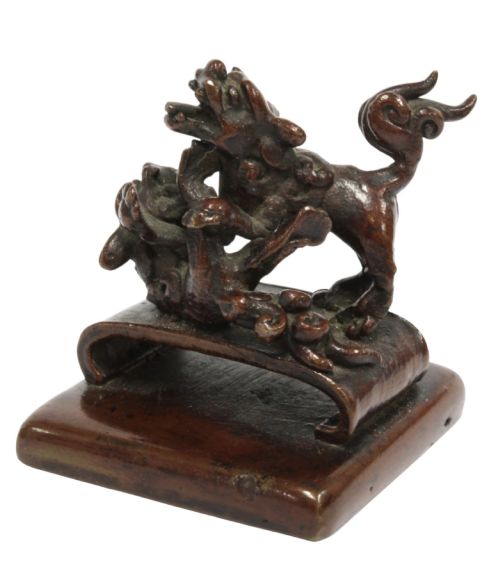
Canine sculptures extend to unusual functional objects, including heavy bronze paperweights, desk seals, and even a poodle car mascot.
What varies in quality
Quality rests in the anatomical accuracy of the canine form and the depth of the dark patination achieved by the foundry.
Fine definition in the rendering of fur, expression, and posture separates works by master animalier sculptors from standard commercial castings.
Alfred Dubucand·Alfred Barye·Franz Bergman·P J Mêne·Pierre Jules Mene·Prosper Lecourtier·Jules Moigniez·Antoine Louis Barye·Edith Parsons·Auguste Nicholas Cain·P de Soete·Joseph Francois Victor Chemin·Christophe Fratin
The Dark Bronze Dog Sculpture Glossary
- Animalier
- A nineteenth-century artistic movement dedicated to the realistic portrayal of animals, particularly predators, horses, and dogs in bronze. French sculptors dominated this genre.
- Patination
- The chemical treatment or natural ageing applied to the metal surface to produce a dark, protective finish. This layer gives bronze its characteristic depth and tone.
- Okimono
- A Japanese decorative sculpture designed for display on a shelf or tokonoma. These pieces showcase exceptional metalworking skill.
- Cold-painted
- A method where polychrome paint is applied to cold bronze without subsequent firing. This technique is typical of Austrian animal figures from the early twentieth century.
- Chasing
- The manual finishing of a cast metal object using hammers and punches to refine details. This step restores texture lost during the casting process.
Dark Bronze Dog Sculpture: Frequently Asked Questions
What is an animalier bronze dog?
An animalier bronze dog is a nineteenth-century sculpture depicting a canine subject with anatomical precision.
These works focus on the natural movement and posture of hounds, setters, and terriers.
How do I identify a cold-painted bronze?
Cold-painted bronzes feature hand-applied polychrome paint layered directly onto the cast metal surface.
This technique is frequently found on Austrian dog figurines from the early twentieth century.
Where were most nineteenth-century dog bronzes made?
The majority of these animalier sculptures originated in French foundries during the Victorian period.
Artists modeled domestic and hunting dogs with careful attention to muscular form.
What is a Japanese bronze okimono?
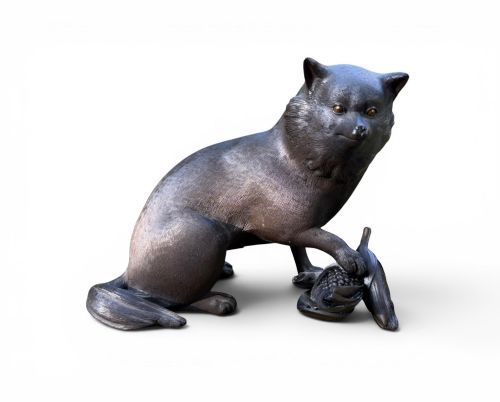
A Japanese bronze okimono is a standalone decorative sculpture created during the Meiji period.
These pieces depict animals such as puppies and tanuki with intricate metal detailing.