




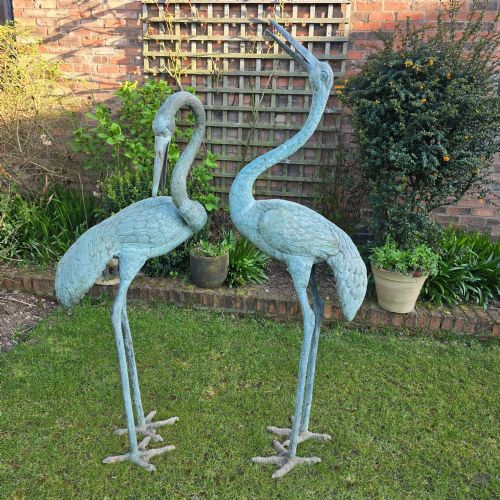
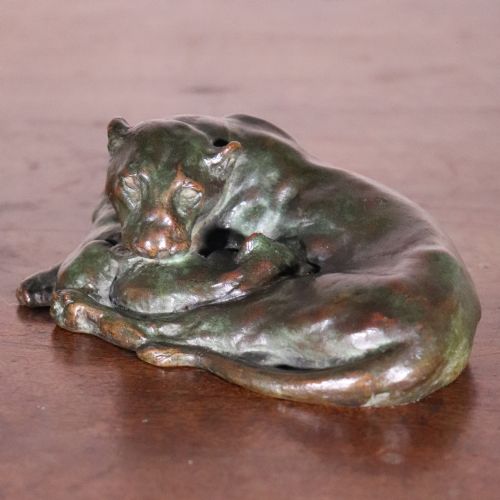


Green Patina Bronze Figure
These green patina bronze figure examples bring tactile historical presence to a room, valued for their weathered surfaces and sculptural weight.
Green Patina Bronze Figure
A green patina bronze figure encompasses sculptural works across diverse origins, spanning European animalier studies, Grand Tour subjects, and Asian Buddhist deities. The selection frequently includes figures cast in bronze and copper alloy, alongside related materials such as spelter and brass.
Buyers encounter forms ranging from French greyhound paperweights and classical figures of Narcissus to Tibetan Green Tara shrines and Japanese dragon okimono. These pieces bridge decorative utility and classical sculpture, drawing collectors interested in historical metalwork.
Dating across the sixteenth, nineteenth, and early twentieth centuries, these objects reflect distinct regional casting traditions. Victorian animalier bronzes share space with Art Deco canine sculptures and traditional garden statuary.
How They Were Made
The primary material used is bronze, complemented by copper alloy, brass, and occasional cast metal or spelter alternatives. These metals are shaped through traditional casting methods, often mounted on stone bases like marble or supported by wooden elements.
Surface treatment defines the aesthetic, utilising chemical or natural processes to produce the characteristic green patination. This patinated finish ages the metal surface, creating the varied tones seen on antique figures.
Listings feature periods spanning from the sixteenth century through the Victorian era and into the Art Deco movement of the 1920s and 1930s.
What Varies in Quality
The sophistication of the casting process and the integrity of the alloy determine the structural weight and enduring stability of the piece. Superior examples exhibit harmonious proportions and deliberate surface ageing.
Anna Vaughn Hyatt Huntington·Ugo Cipriani·C Masson·A L Barye·Barbedienne
The Green Patina Bronze Figure Glossary
- Patina
- The surface coloration and texture developed through age or chemical treatment. Green patination is particularly prized on copper-alloy and bronze sculptures.
- Animalier
- A nineteenth-century artistic style focusing on realistic depictions of animals. French animalier bronzes capture subjects like greyhounds and lionesses with precision.
- Grand Tour
- Souvenirs and classical replicas acquired by travellers in Europe during the eighteenth and nineteenth centuries. Neapolitan figures of Narcissus belong to this tradition.
- Okimono
- Japanese decorative objects designed for display, typically placed in a tokonoma alcove. Large garden dragon okimono represent this sculptural category.
Green Patina Bronze Figure: Frequently Asked Questions
What is green patina?
Green patina is the natural or chemically induced oxidation layer that forms on copper and bronze surfaces over time. It provides both protection to the underlying metal and a distinctive visual character.
Collectors look for this coloration as an indicator of age and environmental exposure. The tones can range from bright verdigris to deep mossy greens.
How do I date a bronze figure?
Dating relies on stylistic markers, casting techniques, and the specific composition of the metal alloy used. Nineteenth-century Grand Tour pieces differ significantly from earlier temple bronzes.
Signatures, foundry marks, and the nature of the patination offer further clues to the period of origin. Comparing the base construction also helps establish the era.
Where should I display these figures?
These sculptures suit stable surfaces away from direct moisture and extreme temperature fluctuations. Placing them on wooden furniture or marble shelves highlights their weight and finish.
Smaller pieces function well as desk ornaments or paperweights, while larger statues require dedicated floor or garden placement depending on their build.
Are all green figures solid bronze?
Not all figures are solid bronze, as materials can include copper alloy, brass, spelter, and other cast metals. Some pieces utilise hollow casting methods to reduce weight and metal usage.
Examining the underside and surface wear helps identify the base material beneath the green patination. Each metal reacts differently to age and touch.