
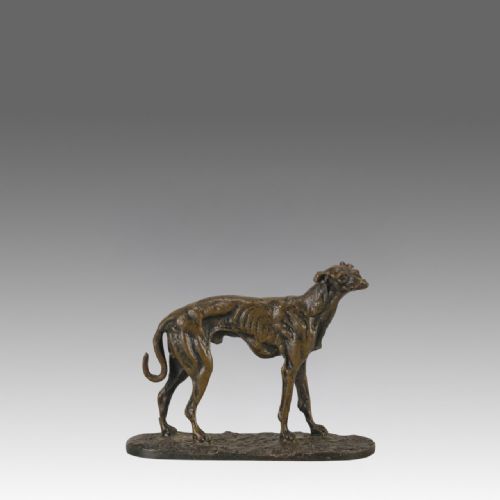


Canine Bronze Sculpture
A canine bronze sculpture captures the character of hounds and terriers in solid metal, bringing the energy of the kennel into the home.
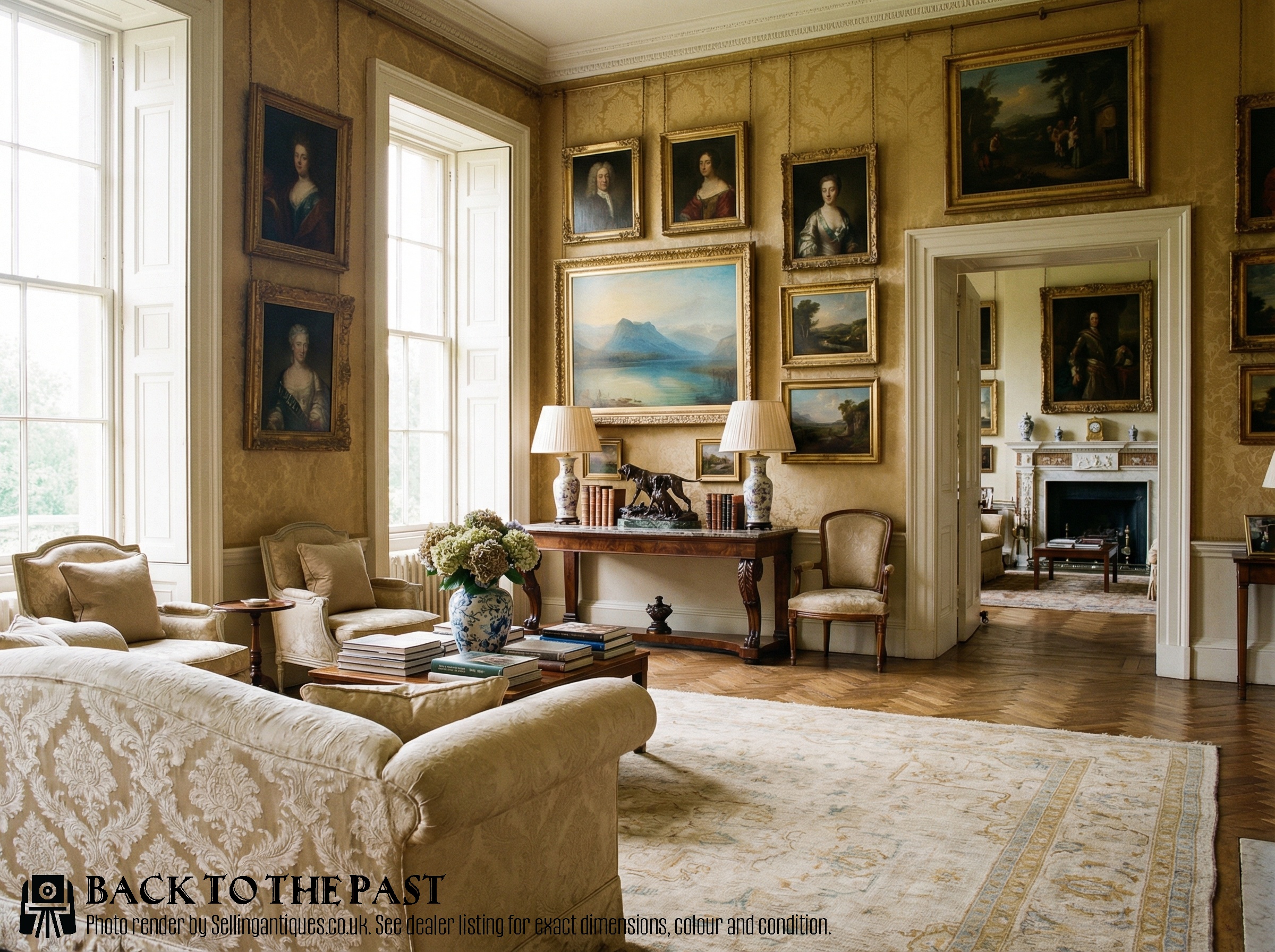
Canine Bronze Sculpture
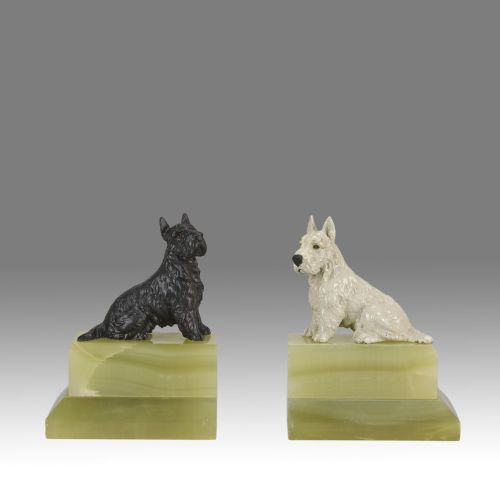
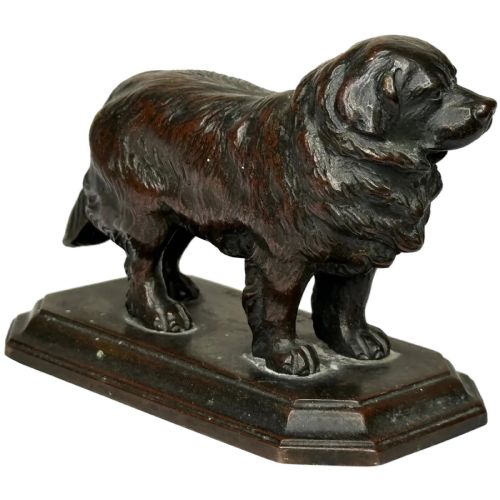
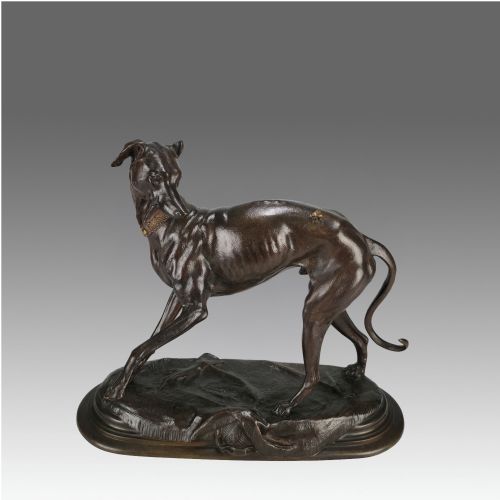
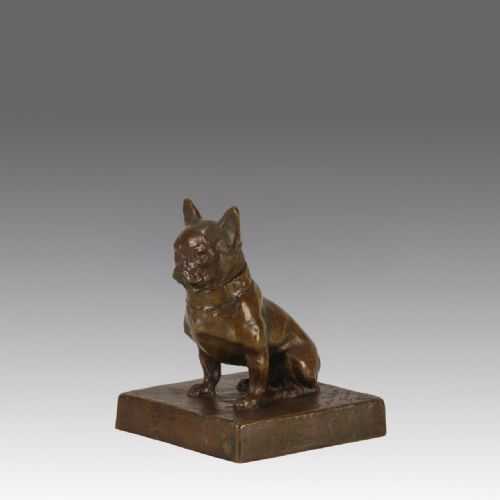
When you search for canine bronze sculpture, you encounter figures and groups shaped across the nineteenth and early twentieth centuries. The selection includes French animalier works from the Victorian era alongside early twentieth-century pieces from Edwardian and Art Deco periods.
Most pieces represent specific breeds such as greyhounds, terriers, bulldogs and spaniels, cast as standalone studies or functional items like bookends and inkwells. You frequently meet depictions produced by continental European foundries working in the animalier tradition.
Materials and casting methods
These pieces rely on bronze cast through traditional foundry methods, often enriched with a chemical patina or finished with cold-painted polychrome colours. Many works incorporate heavy natural supports such as marble, onyx or timber bases to anchor the metal figure.
Makers utilised skilled chasing and patination to articulate musculature, fur texture and breed characteristics after the bronze left the sand or lost-wax mould.
The listings span the Victorian, Edwardian and Art Deco periods, encompassing both French animalier bronzes and Meiji period Japanese works.
Judging the work
Quality rests in the anatomical accuracy of the breed portrayal and the crispness of the chase work that defines the fur and expression. Superior casts capture tension and movement convincingly, avoiding stiffness in the limbs.
The sophistication of the patination or the precision of the cold-painted surface distinguishes standard foundry output from masterworks of the animalier school.
Alfred Barye·Dora Heber·P J Mêne·Prosper Lecourtier·Antoine Louis Barye·Edith Parsons·Arthur Waagen·P.de Soete·Joseph Francois Victor Chemin·Franze Bergman·Louis Riche·Barbedienne·L.Bureau
The Canine Bronze Sculpture Glossary
- Animalier
- A nineteenth-century artistic movement dedicated to the realistic portrayal of animals. Sculptors in this tradition focused closely on anatomical precision and observed behaviour.
- Cold-painted bronze
- A technique where the bronze receives a layer of polychrome paint applied without heat. This finish is characteristic of early twentieth-century Vienna productions.
- Patina
- The surface coloration or sheen developed naturally over time or applied chemically by the foundry. It enhances the depth and texture of the metal.
- Spelter
- An alloy of zinc and copper used as an economical alternative to bronze. It appears in several decorative figure castings from the Art Deco period.
Canine Bronze Sculpture: Frequently Asked Questions
What is an animalier bronze?
An animalier bronze is a nineteenth-century sculpture focusing on realistic representations of animals, particularly dogs, horses and wild beasts. These works emphasise correct anatomy and natural postures.
Artists observed creatures in motion or repose to capture authentic expressions and muscular tension within the metal medium.
Were these bronzes used for practical purposes?
Many canine sculptures served daily functions alongside their decorative roles. Foundries cast dogs into utilitarian objects such as heavy bookends, desk inkwells and car mascots.
These pieces combined artistic animalier modeling with the practical requirements of Edwardian and Victorian interiors.
How can I tell a bronze from spelter?
Bronze is a dense copper alloy that feels heavy for its size and develops a rich patination over decades. Spelter uses zinc and copper, resulting in a lighter weight and a softer surface.
Where the metal is exposed beneath a scratch or wear point, bronze shows a warm golden-brown tone, whereas spelter reveals a greyer interior.