


Hunting Dog Figurine
A hunting dog figurine captures the kinetic energy and noble stance of the chase in bronze, porcelain, or ceramic.
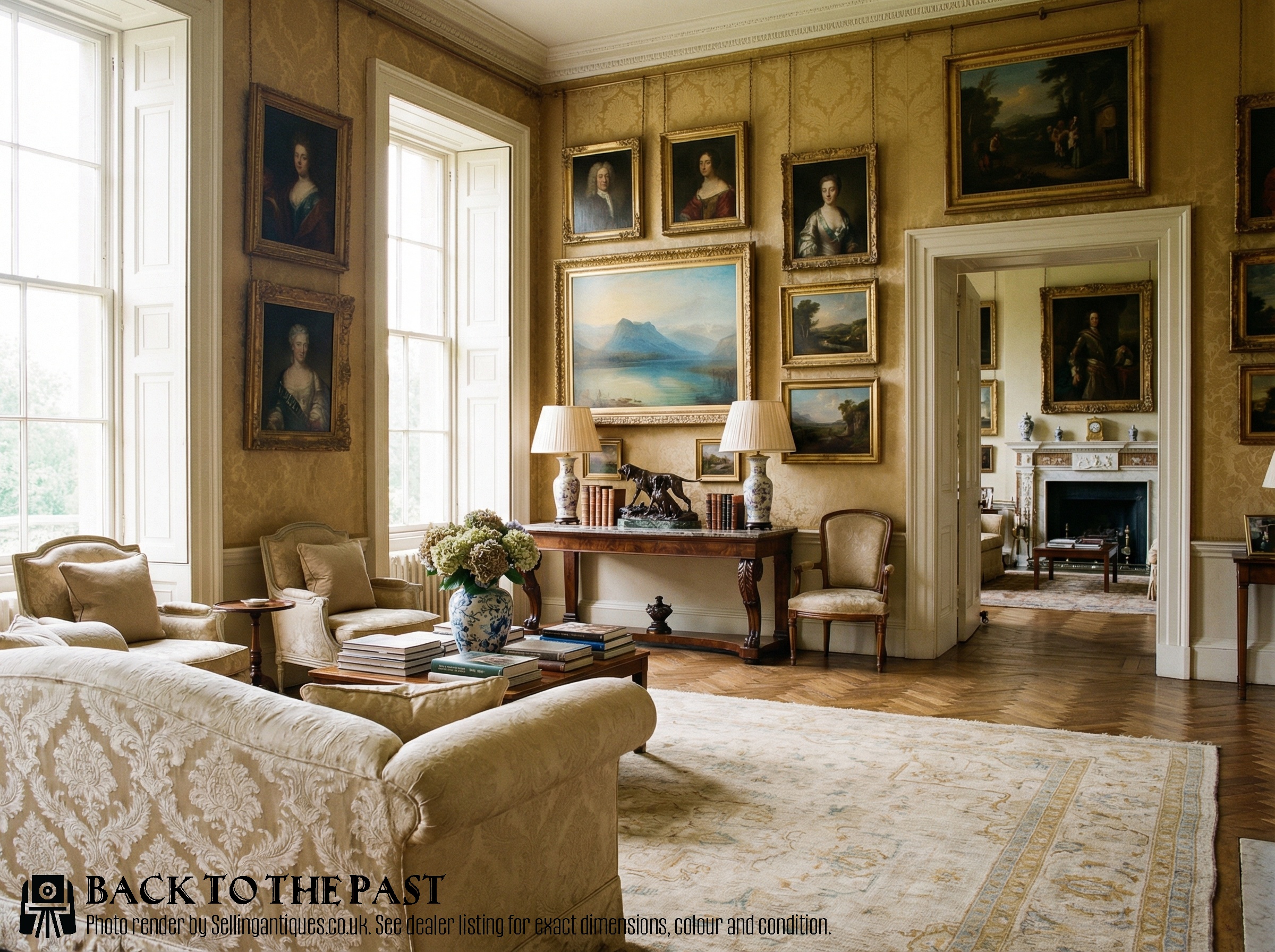
Hunting Dog Figurine
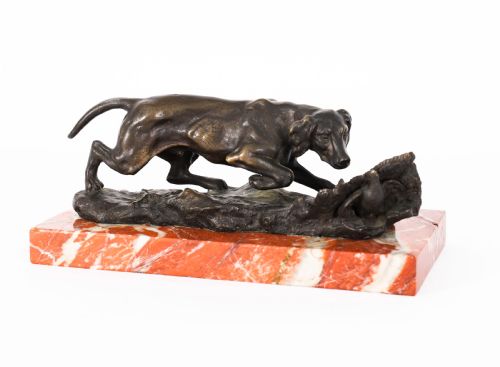
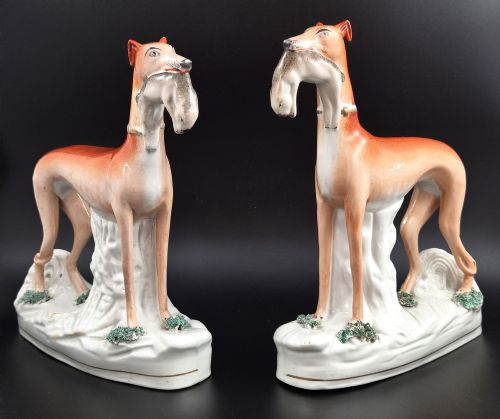
A hunting dog figurine depicts hounds, setters, greyhounds, and spaniels in quiet repose or mid-action with game. These pieces span centuries of animalier sculpture and ceramic production, recording the physical traits of working gundogs and coursers with careful anatomical precision.
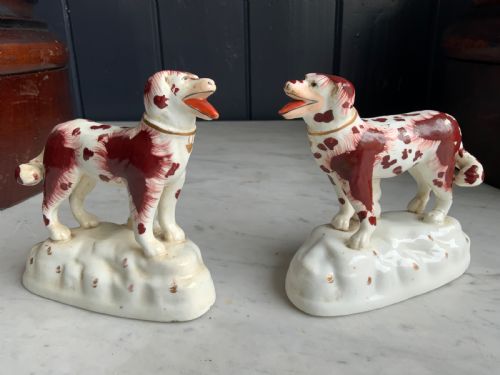
Staffordshire pottery pairs and French animalier bronzes dominate the selection, offering everything from mantle ornaments to substantial fireside statues. Buyers find both glazed ceramic figures from English factories and cast bronze groups bearing the signatures of prominent 19th-century sculptors.
The objects serve as decorative ornaments that bridge the gap between fine art and utilitarian pottery. Whether rendered in cold-painted bronze on a marble plinth or modelled in white porcelain, each figurine reflects the period's fascination with canine form.
How they were made
Bronze sculptures utilise the lost-wax casting technique to capture musculature, fur texture, and dynamic poses. Foundry workers chased and finished the metal surfaces, occasionally applying cold-painted enamels or mounting the heavy casts onto marble plinths.
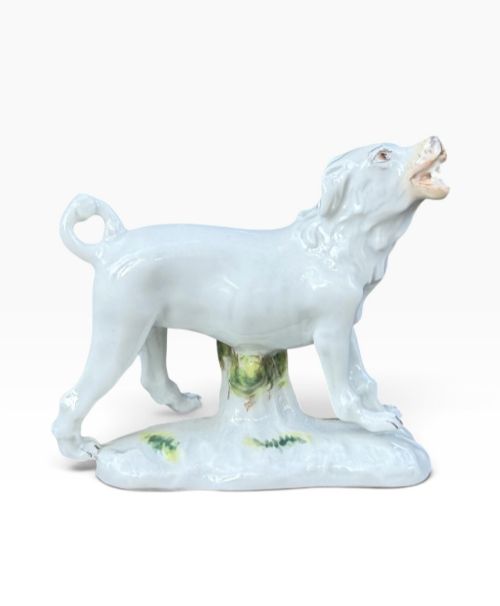
Ceramic pieces rely on earthenware or porcelain bodies shaped in moulds before receiving lead glazes or enamel paint. Factories such as Staffordshire potteries and Meissen applied hand-painted details over white glazes, firing the figures to achieve durable finishes.
Several hounds proudly stand over captured hares, proving that even in bronze, the chase remains the main event.
What varies in quality
The crispness of the cast in bronze works separates superior foundry output from softer recast copies. Detail in the rendering of fur, bone structure, and the interaction between dog and quarry reveals the skill of the original modeller and the fidelity of the cast.
In ceramic pieces, the subtlety of hand-painting and the evenness of the glaze determine the calibre of the figure. Clean moulding lines and lifelike posture distinguish factory work of note from generic decorative output.
Carl Kauba·Jules Moigniez·Thomas Parr·Enoch Wood factory·Antoine Louis Barye·Christophe Fratin·Royal Dux Factory
The Hunting Dog Figurine Glossary
- Animalier
- A 19th-century artistic movement dedicated to the realistic portrayal of animals, particularly in bronze. Sculptors in this style focused on anatomical accuracy and natural movement.
- Cold-painted bronze
- A method where bronze sculptures are painted with oil-based or enamel paints after casting, rather than patinated with heat and chemicals. This technique allows for vivid, lifelike colouration.
- Staffordshire pottery
- Earthenware figures produced in the English potteries of Staffordshire, typically moulded and hand-painted for domestic mantelpieces. Pairs of greyhounds and setters remain the most recognisable forms.
- Spelter
- An alloy of zinc and lead cast into decorative figures and patinated to resemble bronze. It provides a lighter and less costly alternative to traditional metalwork.
- Parian
- A fine white ceramic material developed in the 19th century to imitate carved marble. It produces smooth, unglazed figures with a matte finish reminiscent of classical statuary.
Hunting Dog Figurine: Frequently Asked Questions
How do I date a Staffordshire greyhound?
Staffordshire figures from the mid-19th century often display naturalistic modelling with applied clay details representing hare or grass textures.
Later reproductions tend to feature heavier earthenware bodies and brighter, more uniform transfer-printed colours without the subtle variations of earlier hand-painted examples.
What is animalier bronze?
Animalier bronze refers to realistic sculptures of animals produced predominantly in 19th-century France. Artists studied live animals closely to capture accurate movement and tension in the metal.
These works range from small desk ornaments to large statues, often signed by the sculptor on the integral bronze base.
Where were porcelain hunting dogs made?
Major European porcelain centres including Meissen, Minton, and Derby produced detailed canine figures. English factories often favoured earthenware for domestic mantel ornaments, while continental potteries utilised fine porcelain.
Factory marks stamped or painted on the underside help identify the origin and approximate period of manufacture.
How should I clean bronze dog sculptures?
Bronze sculptures require only gentle dusting with a soft brush to protect the original patina. Avoid chemical cleaners or polishing agents that strip the surface coloration.
Applying a very thin layer of microcrystalline wax occasionally helps protect metal surfaces from atmospheric moisture.