


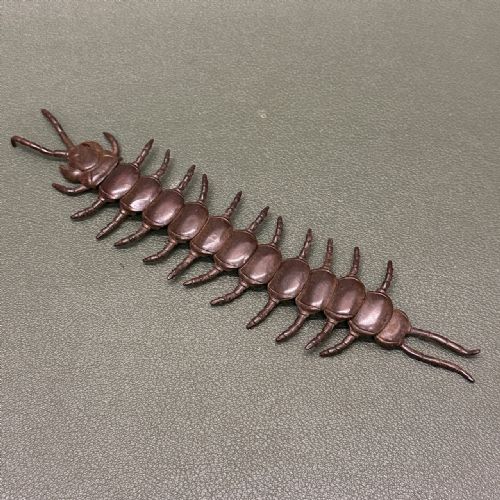


Japanese Metalwork Okimono
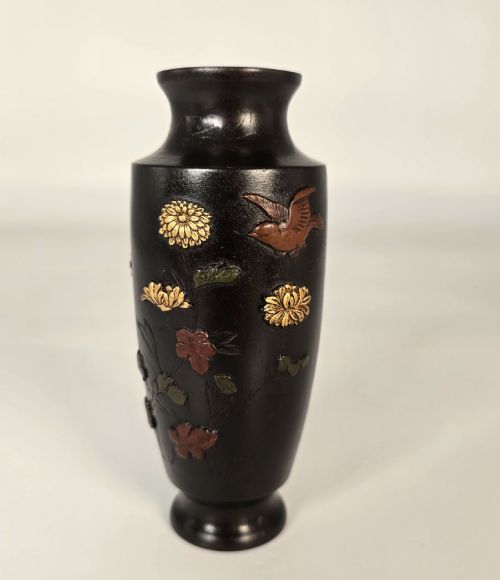
These japanese metalwork okimono are sculptural ornaments cast in bronze and mixed metals during the Meiji period to display mastery.
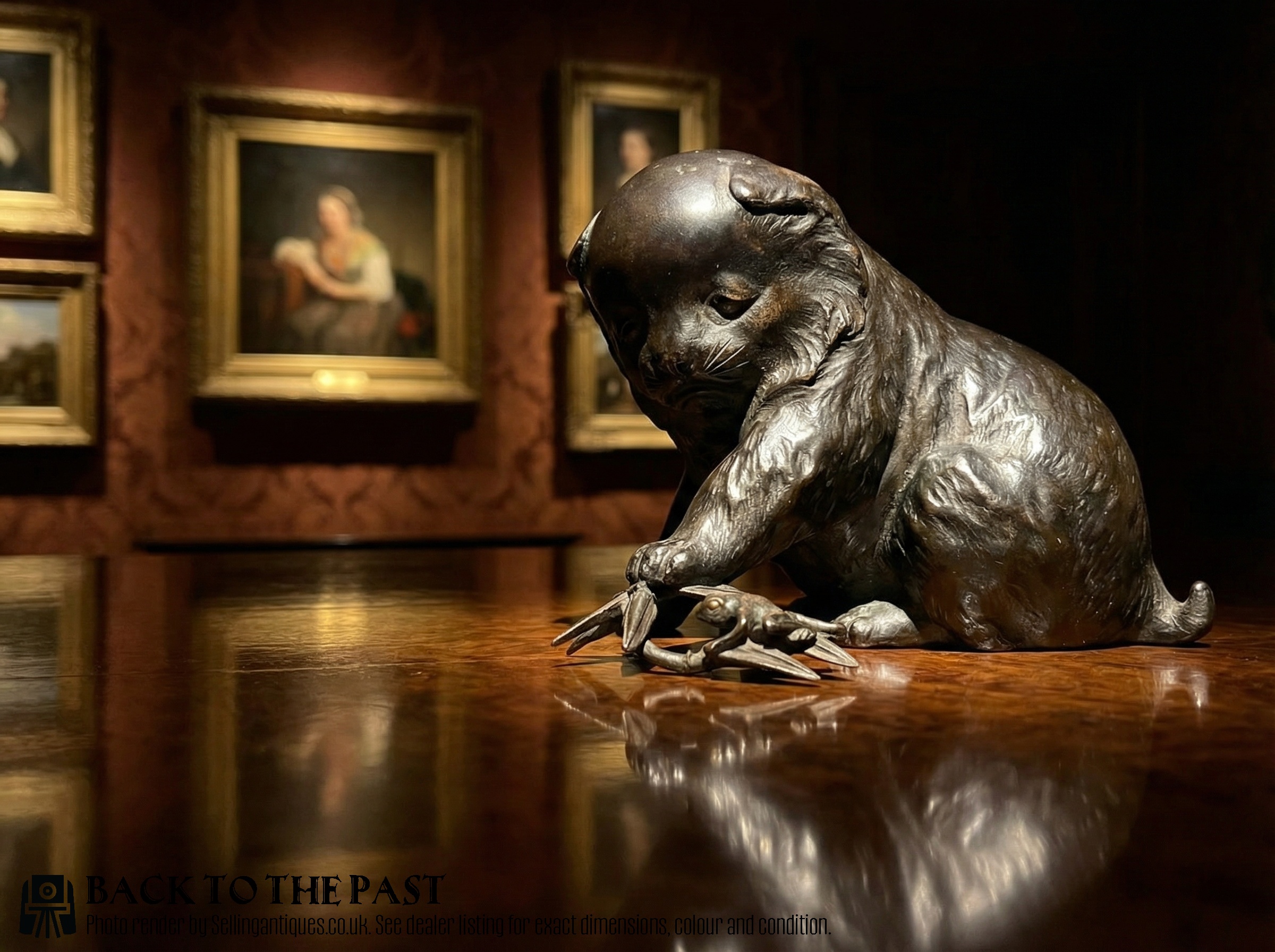
Japanese Metalwork Okimono
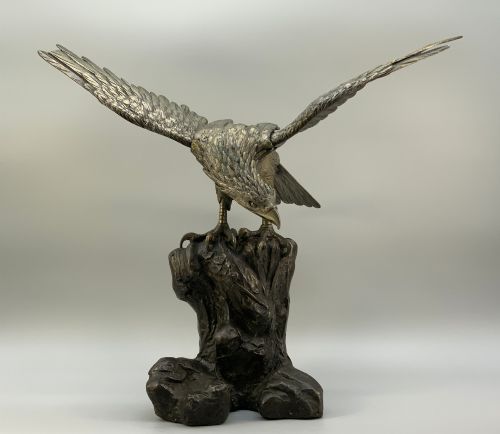
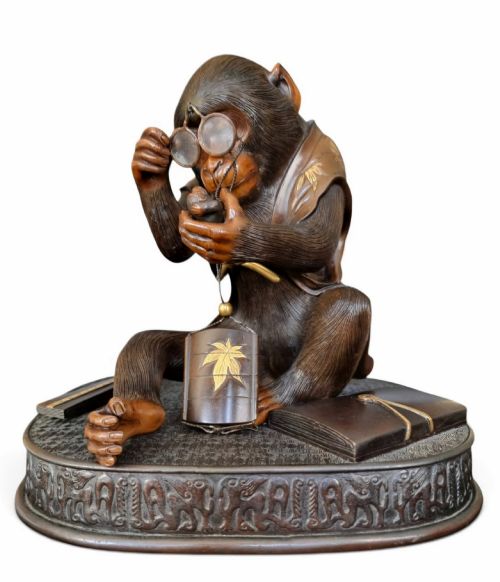
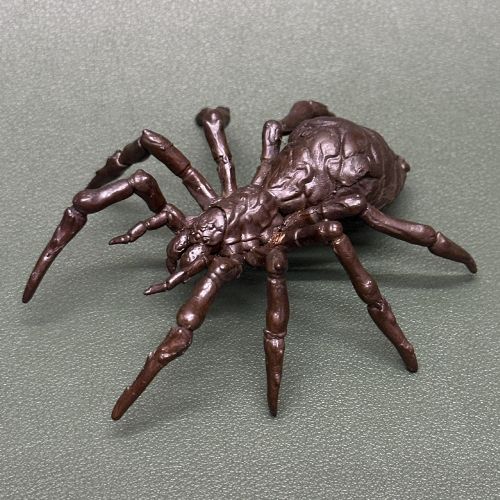
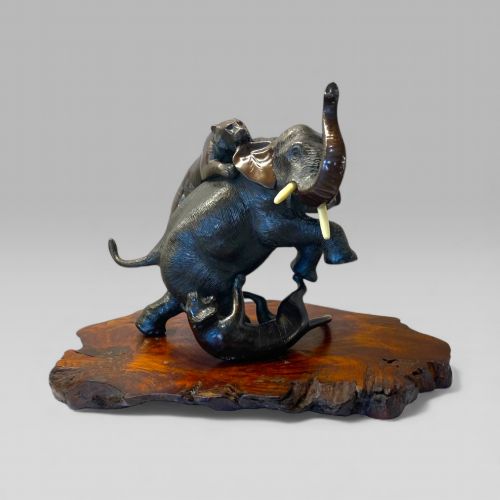
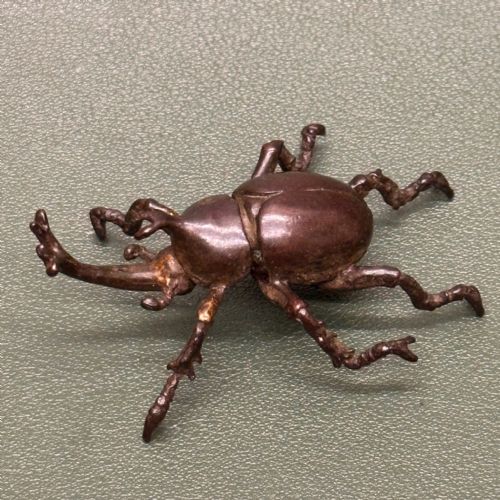
A japanese metalwork okimono is a decorative sculpture placed inside a room rather than worshipped. The pieces on this page take the form of animals, insects, birds, and figures, spanning elephants, eagles, monkeys, and spiders.
Most examples originate from the Meiji period during the late nineteenth and early twentieth centuries. You will encounter sculptures of varying scales, from small desktop figures to lifesize garden statuary.
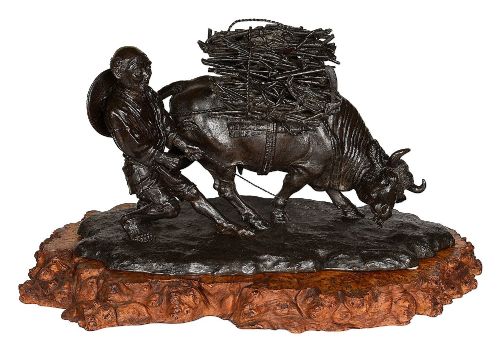
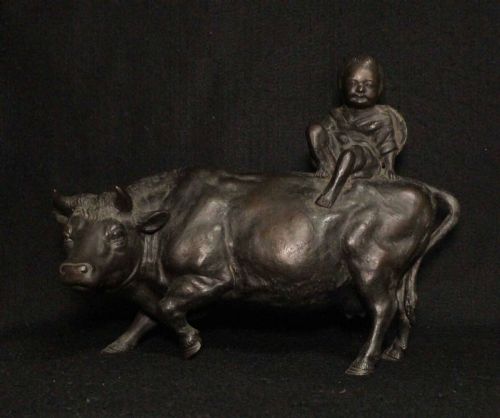
Makers shaped these ornaments as single figures, paired groups, or complex scenes involving animals and human figures. The focus remains on naturalistic observation combined with traditional metalworking.
What varies in quality
The degree of naturalism in anatomy and expression separates standard castings from exceptional pieces. Surface finishing, particularly the crispness of feather, fur, and shell textures, marks the distinction.
The complexity of mixed-metal inlay and the presence of a signature or attribution demonstrate higher workshop skill. Scale and structural ambition, such as articulated joints or multi-part animal groups, require advanced technical execution.
Listings feature bronze, patinated bronze, copper, iron, silvered bronze, and mixed metals alongside wood and stone bases.
Jomi Eisuke·Unno Shomin·Gyoko
The Japanese Metalwork Okimono Glossary
- Okimono
- A Japanese ornamental sculpture designed for display on a shelf or tokonoma alcove. These pieces translate to置物 in Japanese, meaning置 (to place) and 物 (thing).
- Meiji Period
- The era in Japanese history spanning from 1868 to 1912, characterised by industrial modernisation and the opening of trade with the West. Metalworkers adapted traditional armour-making techniques to decorative sculpture during this time.
- Shakudo
- A traditional Japanese billon alloy of copper and a small amount of gold, treated to produce a dark purple-black patina. It appears in mixed-metal okimono to provide contrasting colour details.
- Patinated Bronze
- Bronze treated with acids, heat, or chemical compounds to alter the surface colour. This technique produces rich brown, black, or greenish tones on the metal sculpture.
- Articulated Bronze
- A metal sculpture constructed with movable joints that permit natural movement of limbs or segments. Artisans applied samurai armour articulation methods to insect and animal models.
Japanese Metalwork Okimono: Frequently Asked Questions
What is an okimono?
An okimono is a standalone Japanese decorative sculpture created for interior display. These ornaments depict animals, figures, and natural subjects.
Unlike religious statues, okimono were made purely for aesthetic appreciation and artistic skill.
How do I date a Meiji bronze?
Dating relies on stylistic markers, historical context, and workshop signatures from the late nineteenth and early twentieth centuries. Many pieces correspond directly to the Meiji period.
Examine the metal composition, patination style, and signature marks to determine the era of production.
Were these made for export?
Many Japanese metalwork sculptures were produced for international exhibitions and Western collectors during the Meiji era. Workshops adapted traditional metalworking skills to satisfy global demand.
Export pieces frequently feature detailed signature plates and sophisticated patination.
How should I clean bronze okimono?
Bronze sculptures require gentle dusting with a soft, dry cloth to protect the original patination. Avoid water, harsh chemicals, or abrasive cleaning materials.
Preserving the stable surface patina maintains the historical integrity and appearance of the metal.