
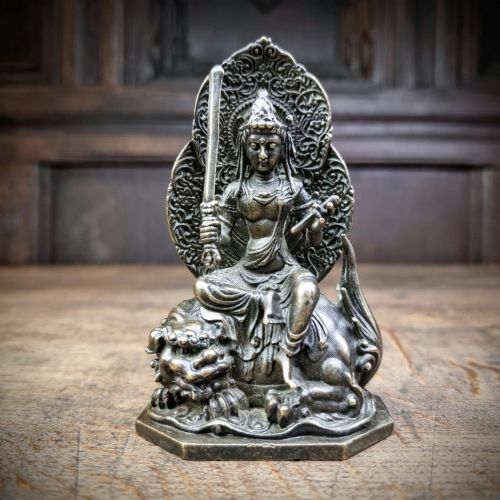


Cast Bronze Oriental Figure
A cast bronze oriental figure brings tangible craft and regional character to a room, ranging from small paperweights to large garden statues.
Cast Bronze Oriental Figure
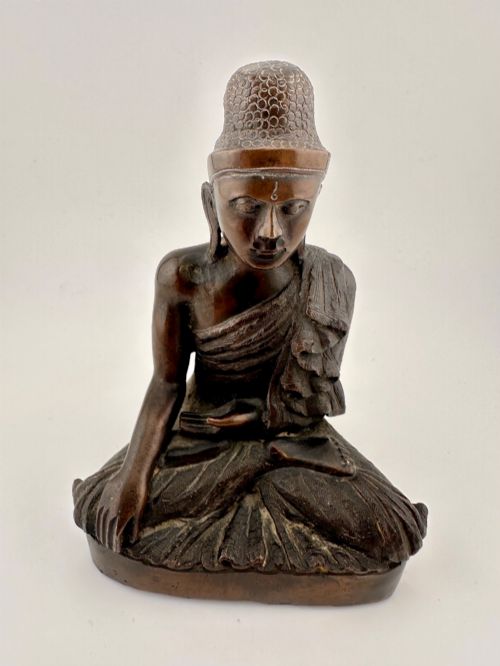
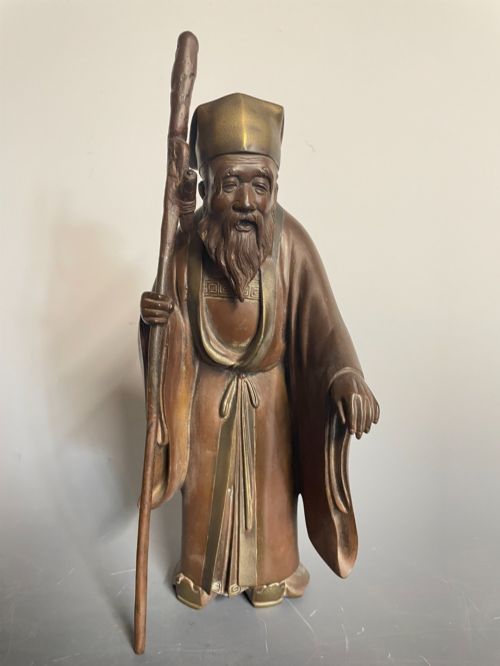
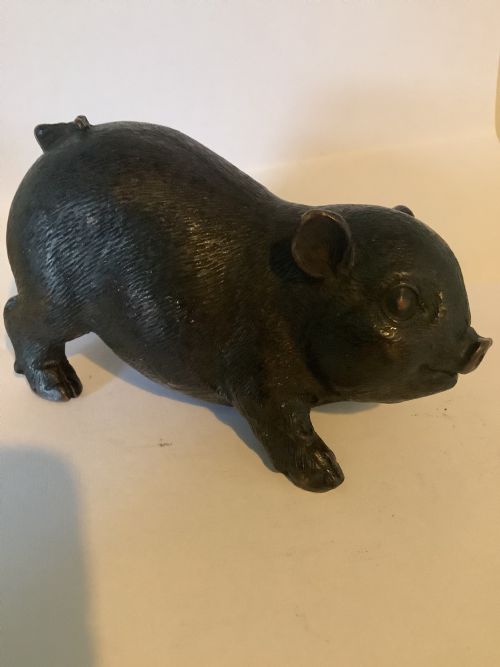
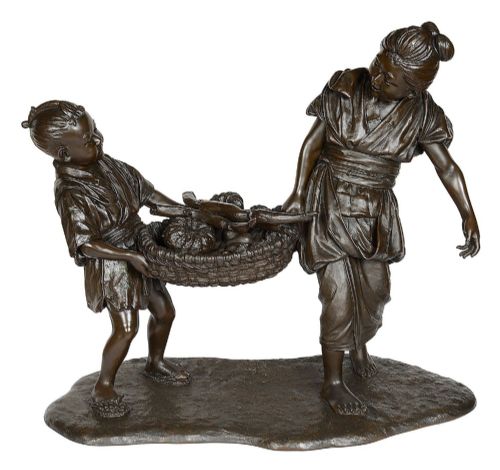
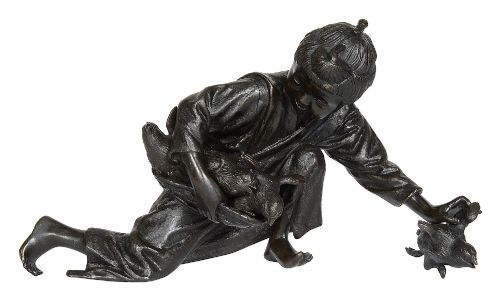
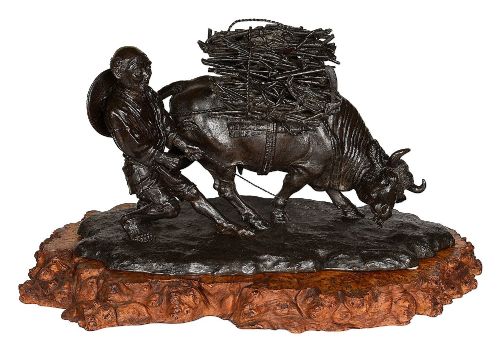
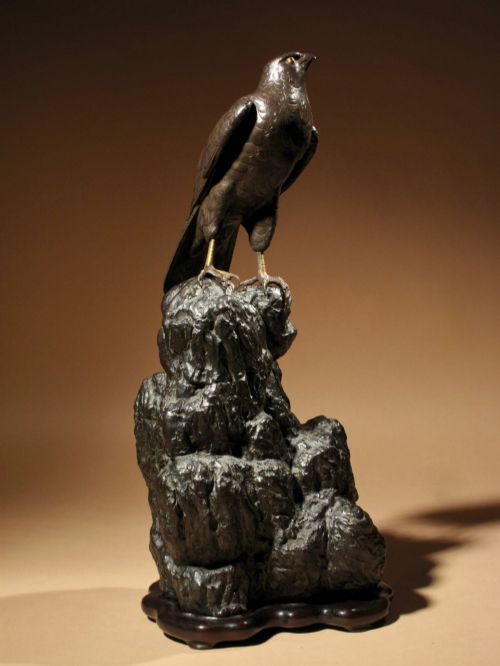
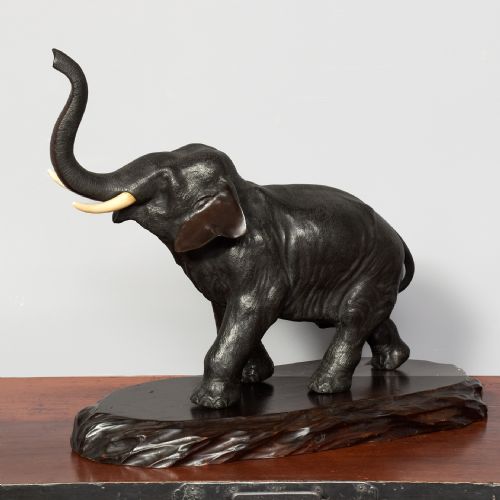
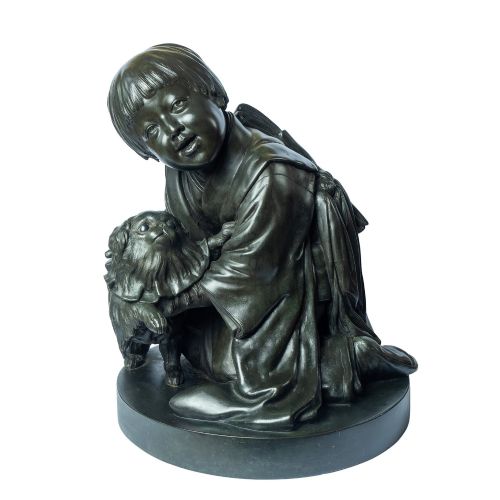
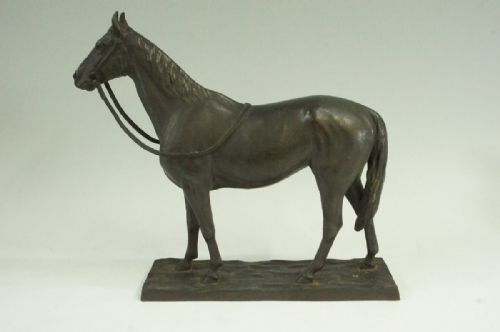
A cast bronze oriental figure is a sculptural work originating from Asian traditions, most frequently represented here by Japanese Meiji period examples and Chinese works. Buyers encounter subjects spanning Buddhist deities like Guanyin and Shakyamuni Buddha, domestic animals, fierce temple lions, and human figures engaged in daily tasks.
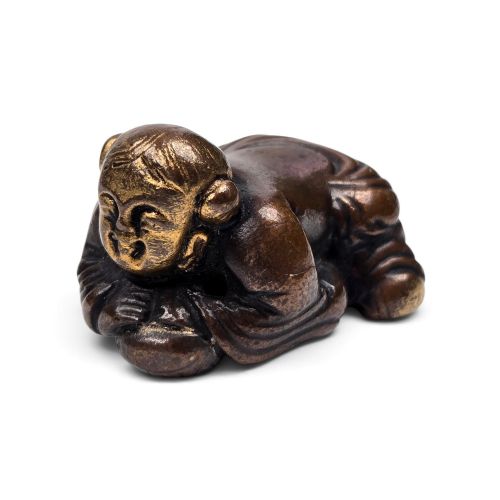
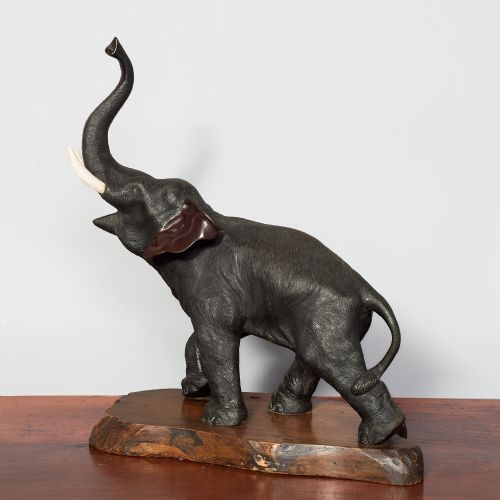
Forms vary significantly in scale and purpose. Smaller pieces function as scholar's desk paperweights or scroll weights, whilst substantial temple lions, dragons, and elephants serve as prominent sculptural centerpieces.
The regional origins extend across Japan, China, Burma, Tibet, and South Asia. The nineteenth century yields the highest volume of surviving objects, accompanied by pieces from the sixteenth century, the Qing dynasty, and early twentieth-century foundries.
Materials and casting methods
These figures rely primarily on bronze and brass, utilising traditional casting methods to achieve solid or hollow forms. Selected pieces incorporate patinated surfaces, select fire-gilding, or gold leaf to enhance textural contrast and visual depth.
Details often extend beyond the metalwork itself. Artisans integrate organic materials such as ivory, bone, wood, and burr wood, alongside diamond eyes, completing complex okimono and animal sculptures.
Among the creatures captured in bronze are a French bulldog, rats clutching chestnuts, and an oni demon.
Distinguishing finer examples
Quality rests in the precision of the casting and the crispness of surface detail. Finer works display meticulous rendering in hair, expression, and naturalistic textures on subjects like rocks, fur, and clothing.
The involvement of recognised makers or specific foundries elevates an object's standing. Weight, balanced proportions, and the successful integration of mixed materials such as ivory tusks or gilt highlights further separate standard production from superior artistry.
Masaaki·Kunio Itô·Tokyo Foundry·Sakai Kōzan·Kaniya Kuniharu
The Cast Bronze Oriental Figure Glossary
- Okimono
- A Japanese ornamental statue designed for display in a household alcove or on a shelf. These objects range from small animal carvings to large bronze figures.
- Meiji Period
- A notable era in Japanese history spanning from 1868 to 1912, associated with significant artistic production in bronze sculpture.
- Patinated Bronze
- Metal treated with chemical solutions or heat to alter its surface colour and tone. This finish protects the metal and adds visual character.
- Scroll Weight
- A small, heavy object used to hold paper or scrolls flat during reading or writing. They frequently take the form of animals or figures.
- Foo Dog
- A traditional guardian lion sculpture derived from Chinese temple iconography. Pairs of these figures are often cast to guard entryways.
Cast Bronze Oriental Figure: Frequently Asked Questions
How do I identify a Meiji period bronze?
Look for distinct Japanese stylistic traits, detailed animal or human subjects, and surface patination typical of late nineteenth and early twentieth-century metalwork.
Examine the base and surface for signature marks or foundry stamps, which often correspond to this specific era of increased export and craftsmanship.
Where were these bronze figures placed originally?
Smaller figures and okimono sat upon interior shelves, display tables, or scholar's desks as decorative or functional paperweights.
Larger statues, such as temple lions, dragons, and life-size figures, stood in gardens, courtyards, or religious sanctuaries as protective and architectural elements.
How should I care for a bronze sculpture?
Dust the surface gently with a soft, dry cloth to prevent particulate buildup without disturbing the underlying patina.
Avoid liquid cleaners, abrasives, or polishes, as these can strip away historic surface treatments and damage the metal.