


Patinated Bronze Deity
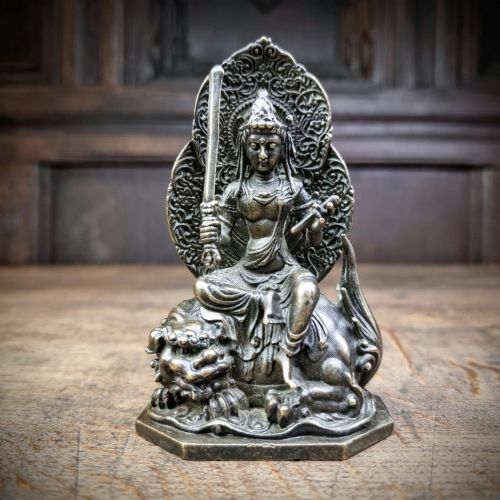
A patinated bronze deity is a sculpted figure bearing dark or weathered surfaces, sought after for devotional presence and craftsmanship.
Patinated Bronze Deity
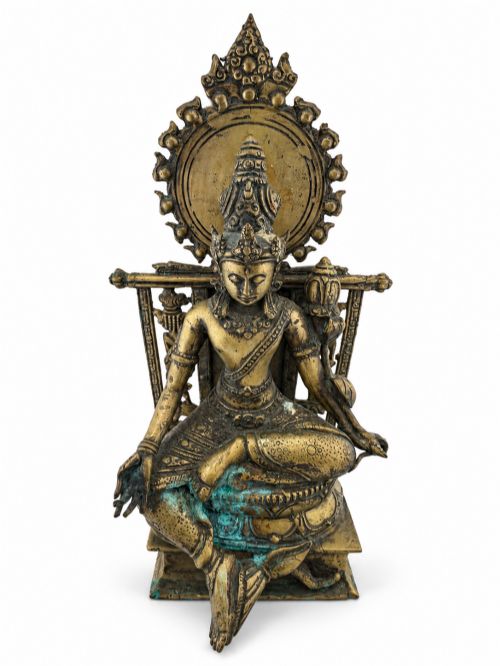
A patinated bronze deity represents divine figures from various Asian traditions, cast in metal and finished with distinct surface treatments. When you search for patinated bronze deity, you encounter figures ranging from Tibetan Buddhist sculptures to Indian and Thai representations.
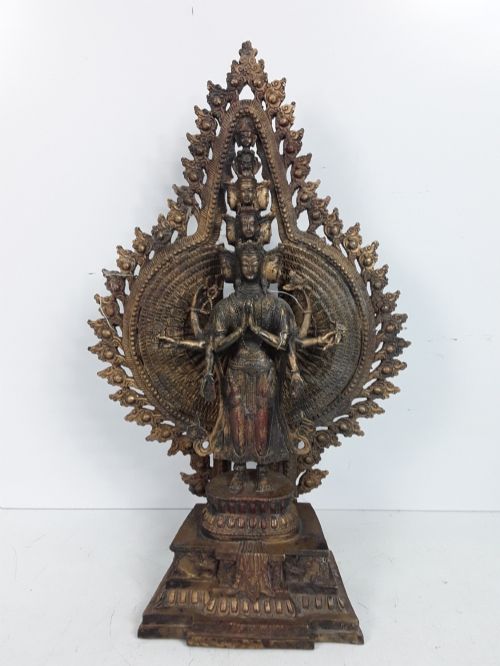
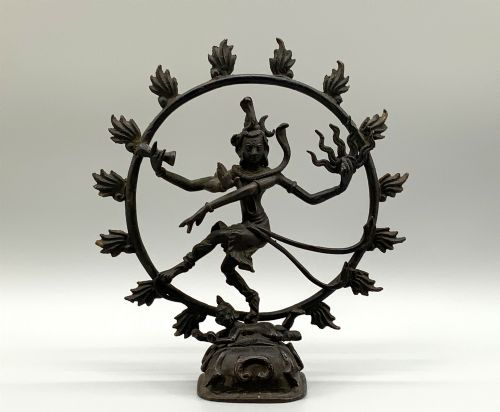
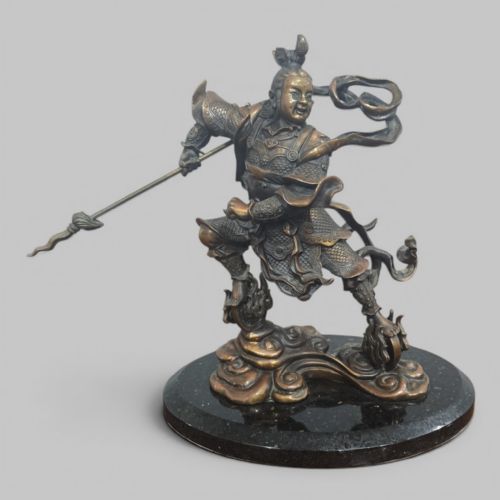
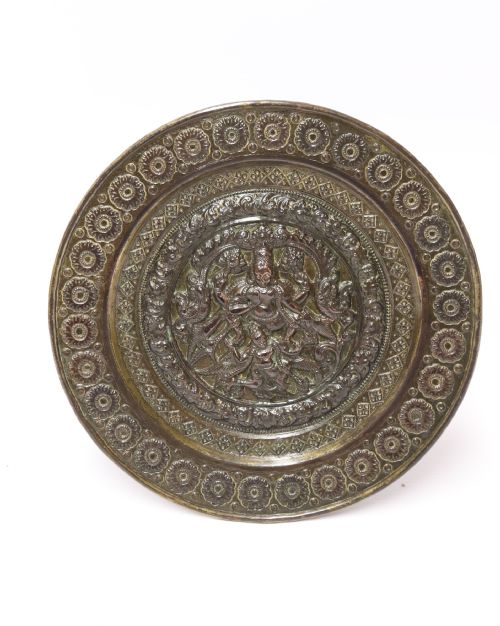
The pieces on this page span several centuries, featuring forms such as Guanyin, Buddha, Shiva Nataraja, and Tara. These sculptures appear primarily as statues and figures, alongside occasional wall plaques and okimono.
Regional styles dictate the appearance of these deities, encompassing Tibetan, Chinese, Indian, Japanese, and Southeast Asian traditions. Buyers frequently find examples dating from the seventeenth century through to the early twentieth century.
Assessing quality and execution
Quality rests upon the crispness of the casting and the depth of detail in ornamentation and facial expression. Finer examples display precise control over the metalwork and complex iconography.
The character of the patination and the preservation of secondary metals like gold inlay contribute significantly to the visual impact. Superior pieces maintain harmonious proportions and fluid movement in dynamic figures like dancing deities.
Eleven heads and multiple arms ensure Avalokiteshvara misses no cry for help across the universe, rendered in solid bronze.
Unno Shomin
The Patinated Bronze Deity Glossary
- Patination
- The natural or artificial chemical alteration of a metal surface over time. This process produces dark, weathered, or colourful tones that protect the metal and enhance visual depth.
- Okimono
- A Japanese decorative statue designed for display in an alcove or on a cabinet. These standalone sculptures demonstrate high levels of metalworking skill.
- Gilt bronze
- Metalwork coated with a thin layer of gold or gold amalgam. This technique highlights sacred figures and adds luminosity to specific details.
- Alloy
- A metal made by combining two or more metallic elements to gain greater strength or corrosion resistance. Copper and silver alloys appear frequently in these Asian sculptures.
Patinated Bronze Deity: Frequently Asked Questions
What is a patinated bronze deity?
A patinated bronze deity is a metal sculpture depicting a sacred figure from Buddhist, Hindu, or regional Asian traditions. The patination refers to the darkened or aged surface finish applied to the bronze.
These sculptures vary in origin from Tibet and India to Japan and Thailand. They serve as objects of devotion, meditation, and artistic appreciation.
How were these statues displayed?
Historically, these figures stood within domestic shrines, temples, or monasteries as focal points for prayer and offerings. They occupied elevated positions to command respect and direct spiritual attention.
Today, collectors place them on mantelpieces, dedicated shelves, or low tables where adequate lighting reveals their surface details and patination.
What care do these bronzes need?
These metal sculptures require stable indoor humidity and protection from direct sunlight to preserve their patination. Dusting with a soft, dry brush keeps the surface clean without abrasive contact.
Polishing should be avoided, as removing the patina diminishes the historic character and visual depth of the bronze. Gentle handling prevents oils from the skin from marking the metal.