


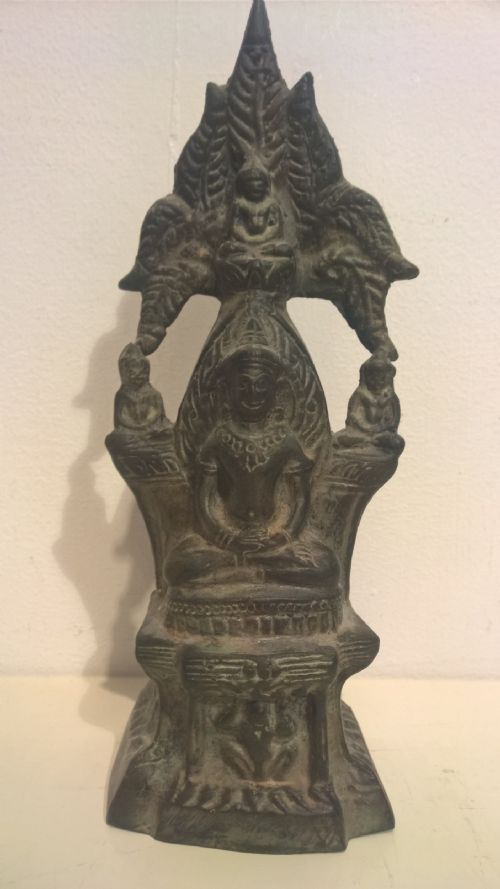
19th Century Bronze Buddha
A 19th century bronze buddha brings centuries of devotion and craftsmanship into your space, offering serenity through cast metal forms.
19th Century Bronze Buddha
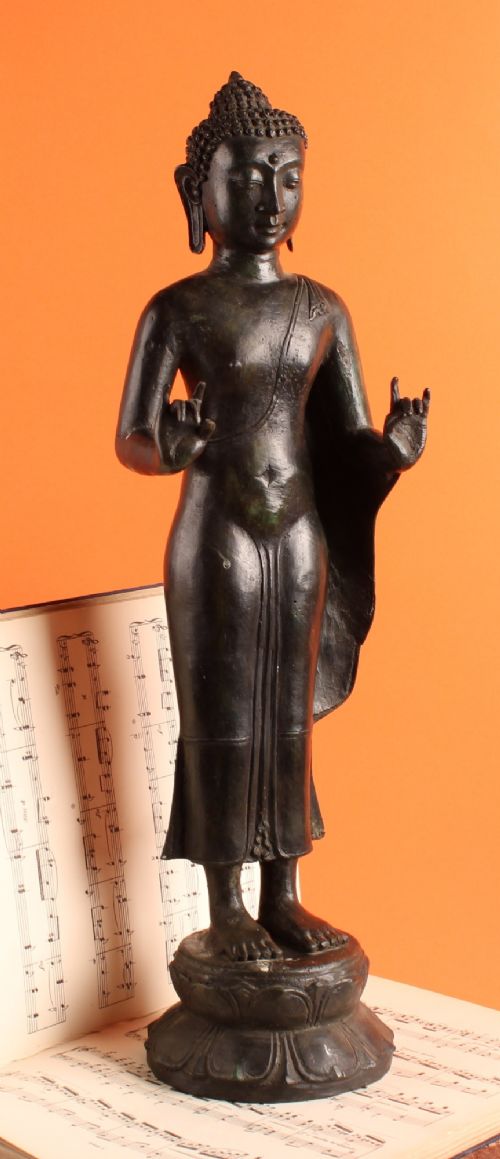
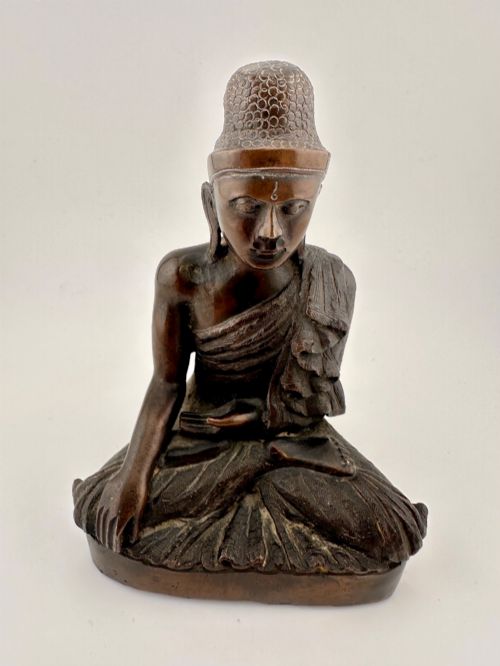
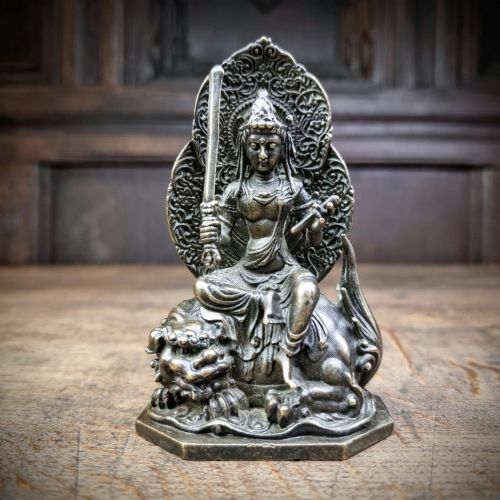
When searching for a 19th century bronze buddha, you encounter a range of regional styles including Burmese Mandalay, Thai Rattanakosin, Sino-Tibetan, and Tibetan traditions. These sculptures depict figures such as Shakyamuni Buddha, Green Tara, and Guanyin in various mudras.
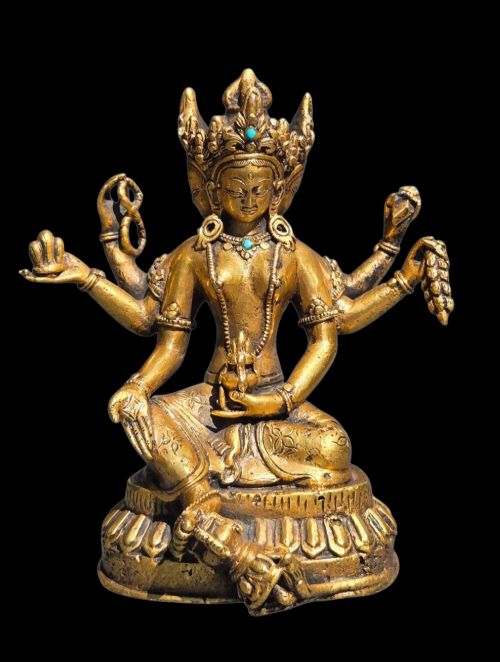
The pieces on this page span standing, seated, and reclining forms, alongside multi-armed deity figures. Origins cover Southeast Asian, Tibetan, and South Asian workshops from the 19th century.
Most examples appear in cast bronze, sometimes enhanced with gilt or patinated brown surfaces. Sizes range from small tabletop statues to large monumental figures reaching up to four feet in height.
Materials and Casting Techniques
Artisans created these statues primarily through bronze casting methods, utilising copper alloys alongside standard bronze. Some pieces received surface gilding to highlight the divine attributes of the figures.
Inlay work added colour and texture, with materials like turquoise embedded into the metal surfaces. Selected works incorporate elements of wood or cloisonne to complement the primary bronze structure.
Assessing Quality and Execution
Gilding preservation and the quality of stone inlays also dictate the standard of a piece. Original patination and integrated decorative elements elevate the overall presence of the statue.
The 19th Century Bronze Buddha Glossary
- Mudra
- A symbolic hand gesture used in Buddhist iconography. These gestures convey specific teachings or states of mind.
- Gilt Bronze
- Metalwork coated with a thin layer of gold. This technique enhances the divine status of the figure.
- Rattanakosin
- A style originating from Thailand dating from the late 18th century onward. It is characterised by ornate monastic garments and crown details.
- Bhumisparsha Mudra
- The earth-touching gesture. It represents the Buddha calling the earth to witness his enlightenment.
- Cloisonne
- An ancient technique for decorating metalwork objects with coloured material held in place by metal strips. It appears on select larger sculptures.
19th Century Bronze Buddha: Frequently Asked Questions
How do I identify a Mandalay Buddha?
Mandalay Buddhas from Burma typically feature an oval face, a distinct headband, and robes draped in a formal manner. They often show a calm expression with downcast eyes.
These statues frequently appear in a seated posture with specific hand positions reflecting local Burmese artistic traditions of the period.
What is a Sino-Tibetan statue?
Sino-Tibetan works combine stylistic elements from Chinese imperial workshops and Tibetan Buddhist iconography. You notice this in the elaborate lotus bases and rich ornamentation.
Such pieces often utilise heavy gilding and precise casting techniques characteristic of cross-cultural production.
Where should I place a bronze statue?
These figures suit stable surfaces away from high-traffic areas where they might sustain accidental knocks. Positioning them at or slightly below eye level allows for proper appreciation of the details.
Ensure the display location experiences minimal humidity fluctuations to protect the metal surface and any inlaid stones.
How do I clean a bronze Buddha?
Dust the surface gently with a soft, dry brush or microfibre cloth on a regular basis. Avoid using liquid cleaners, polishes, or abrasive cloths which can strip the original patina or gilding.
Professional conservation advice should be sought if the metal requires more than basic surface maintenance.