


Chinese Bronze Sculpture
These Chinese bronze sculpture pieces bring centuries of metalworking skill into your space, offering tangible history and enduring sculptural forms.
Chinese Bronze Sculpture
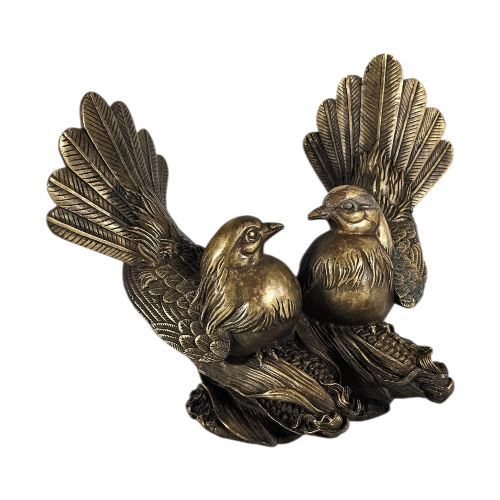
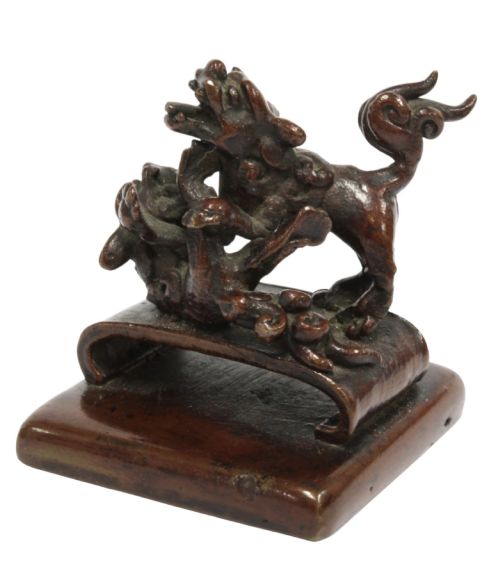
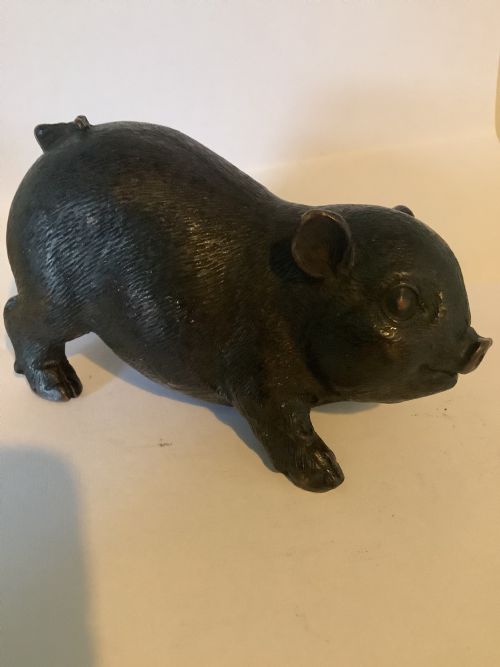
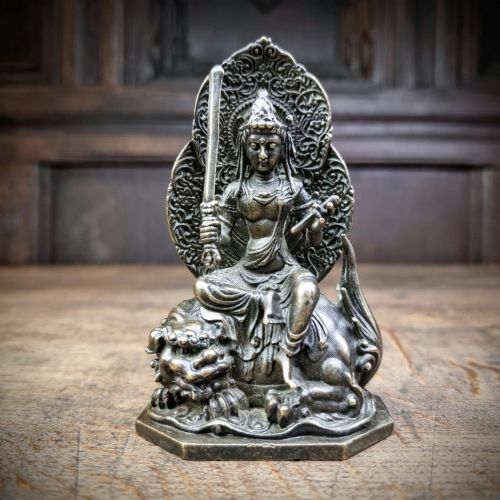
When you examine a Chinese bronze sculpture, you encounter a range of forms spanning figures, animals, and ritual objects created across centuries. The selection includes domestic animals like pigs and doves alongside spiritual figures such as Guanyin, Buddha, and temple lions.
You are most likely to meet pieces originating from the nineteenth and early twentieth centuries, alongside earlier examples from the Ming and Qing dynasties. These encompass scholar's desk items, seals, paperweights, and larger statues.
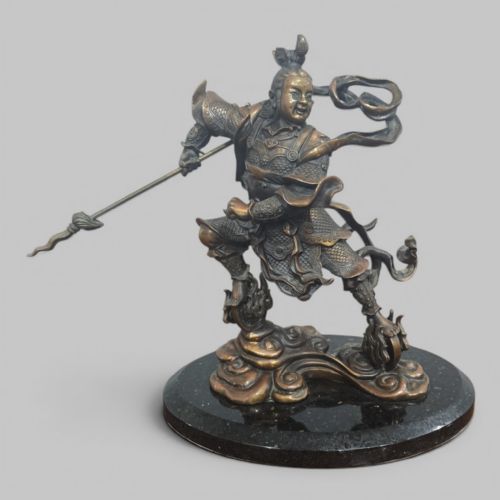
The aesthetic vocabulary bridges traditional Chinese motifs and Sino-Tibetan designs. Makers utilised brass and copper alongside standard bronze, sometimes applying gilt highlights or gold leaf.
Materials and methods
Casting forms were typically produced in bronze or brass using traditional techniques, resulting in solid-cast objects or hollow figures. Selected pieces received surface treatments such as selective fire-gilding or applications of gold leaf.
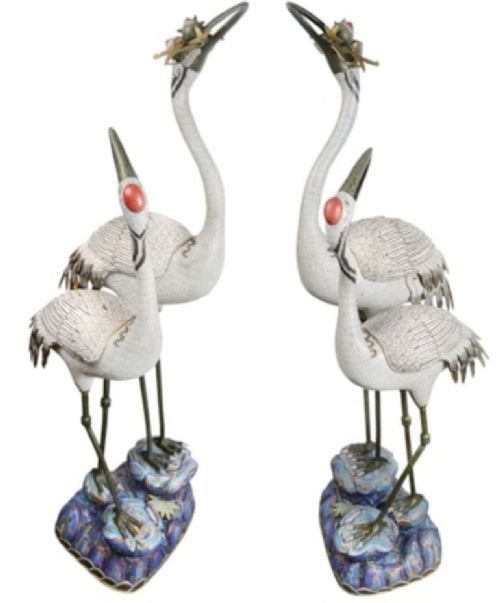
Enamel work appears on specific items through cloisonne methods, adding coloured detail to the metallic structure. Secondary materials like marble and wood occasionally serve as mounts or bases for the bronze figures.
Among the fauna are heavy bronze money toads and pair upon pair of watchful temple lions standing guard over desks.
Assessing quality
Surface treatments create another distinction, where preserved fire-gilding or intact gold leaf adds visual depth compared to worn or plain metal surfaces. Weight and substance also indicate the quality of the cast, from small paperweights to heavy temple lions.
The Chinese Bronze Sculpture Glossary
- Bronze
- An alloy primarily of copper and tin used historically for casting statues, vessels, and figures. It provides durability and a rich surface patina over time.
- Cloisonne
- A technique where enamel paste is applied within compartments created by soldered wire on a metal base. This method produces colourful decorative patterns on surfaces.
- Gilt
- A term describing metal objects coated with a thin layer of gold or gold leaf. This finish enhances the visual presence of figures and decorative items.
- Shishi
- A traditional guardian lion or temple dog depicted in Chinese art. These mythical creatures frequently appear in pairs guarding entrances or sacred spaces.
- Guanyin
- A revered bodhisattva associated with compassion in East Asian traditions. Sculptures of this figure appear in various sizes across multiple periods.
Chinese Bronze Sculpture: Frequently Asked Questions
How do I date a Chinese bronze sculpture?
Dating relies on stylistic markers, casting characteristics, and surface patination typical of specific periods like the Ming or Qing dynasties. Comparing the subject matter and manufacturing technique helps place the piece within its historical context.
Markings, such as reign marks, offer additional clues, though these require careful examination alongside the overall wear and material composition of the bronze.
Where should I place these sculptures at home?
These pieces suit display on desks, bookshelves, or dedicated tables where their weight and form can be appreciated safely. Smaller items like paperweights and seals function well on flat wooden surfaces.
Larger statues and pairs of temple lions or horses need stable placement on sturdy furniture or low stands due to their considerable weight.
How do I clean an antique bronze?
Maintenance involves gentle dusting with a soft, dry cloth to prevent the accumulation of dirt within crevices. Avoid using chemical cleaners or abrasive polishes that might strip the historic patina or gilding.
Preserving the surface requires keeping the bronze away from excessive moisture and direct sunlight. Professional conservation advice is recommended for any major cleaning.
What subjects are common in these sculptures?
Common subjects include spiritual figures such as Buddha, Guanyin, and various immortals derived from traditional beliefs. Animals also feature prominently, including horses, water buffalo, cranes, and mythical temple lions.
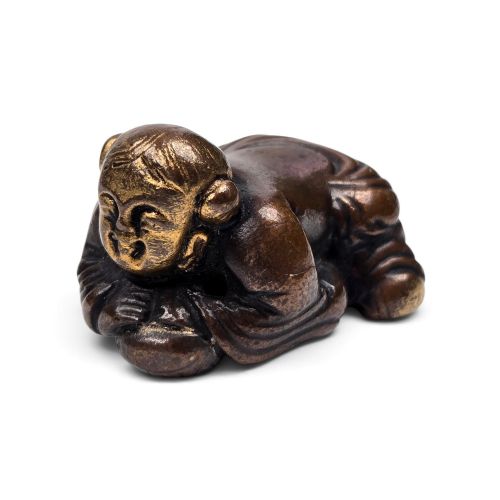
Scholar's objects like paperweights and seals often incorporate figures of boys, wrestling shishi, or domestic animals like pigs and doves.