

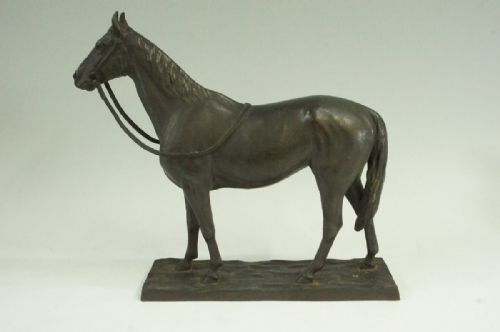
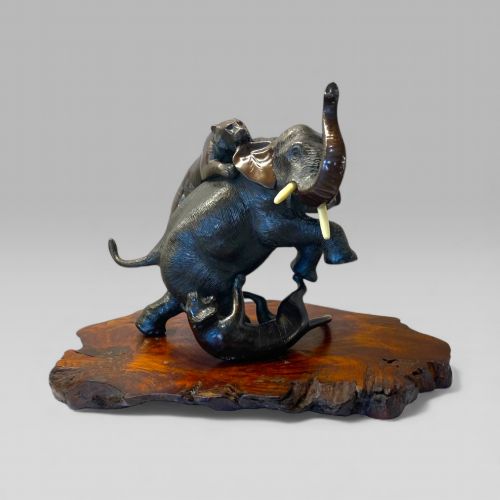

Meiji Period Bronze Statue
A meiji period bronze statue brings the intense naturalism and metallurgical mastery of late nineteenth-century Japan straight into a room.
Meiji Period Bronze Statue
When you search for a meiji period bronze statue, you encounter sculptural works produced during the reign of Emperor Meiji, spanning figures, animals, and mythological subjects. These pieces range from intimate okimono to large garden sculptures.
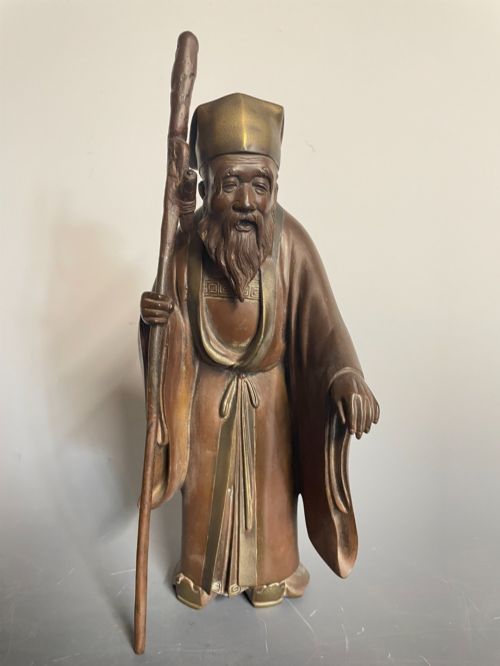
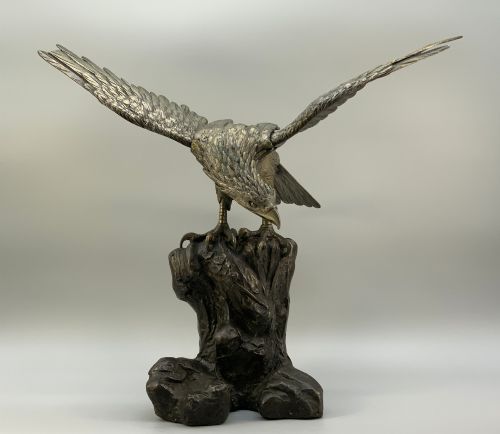
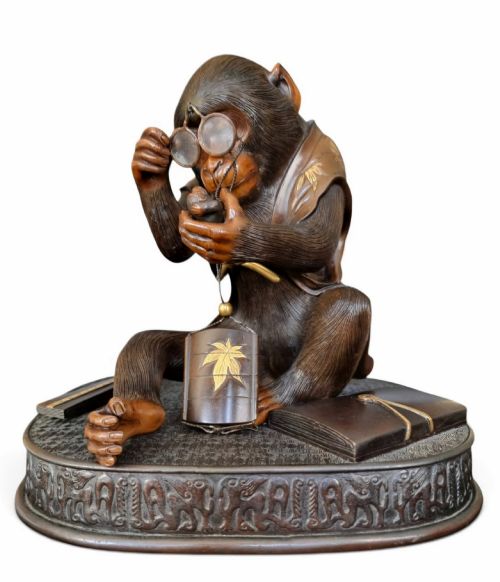
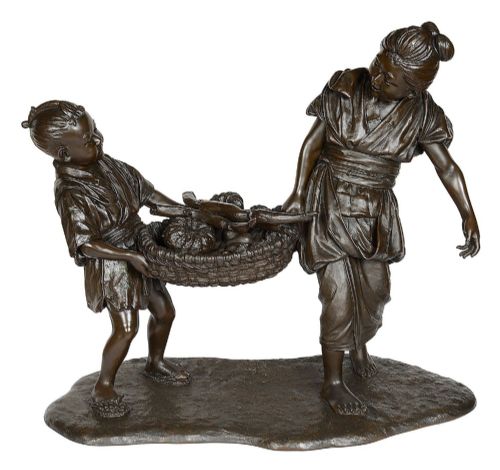
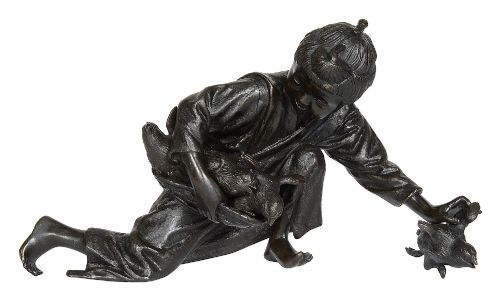
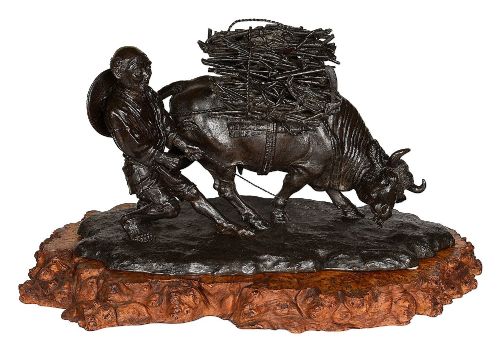
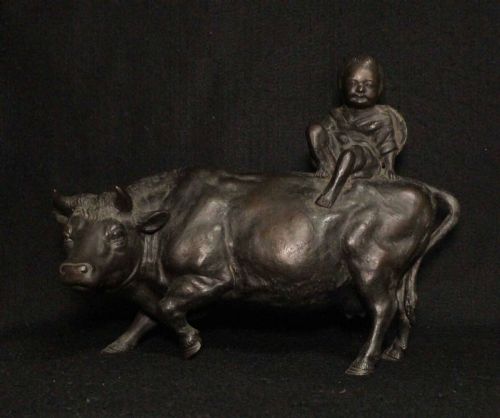
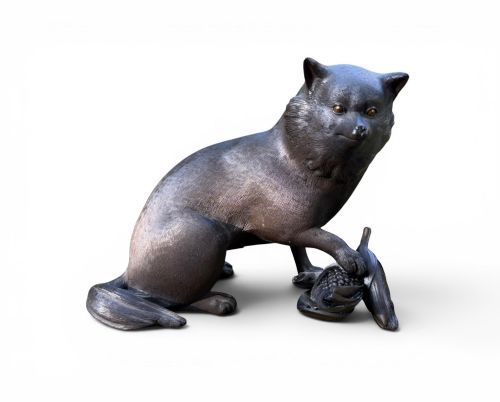
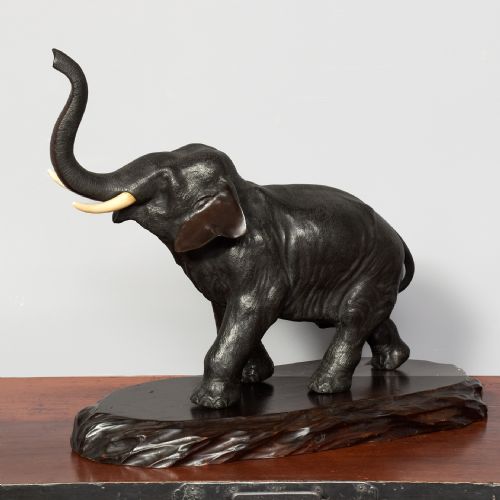
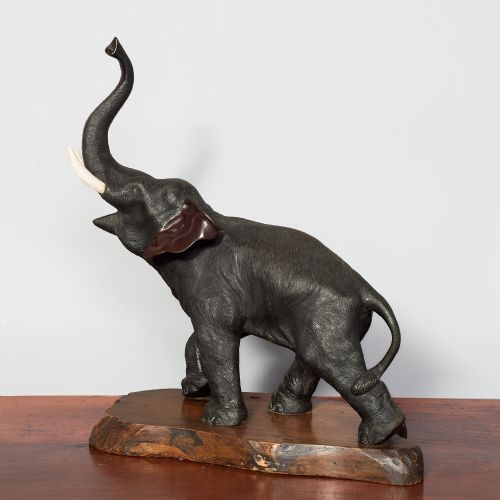
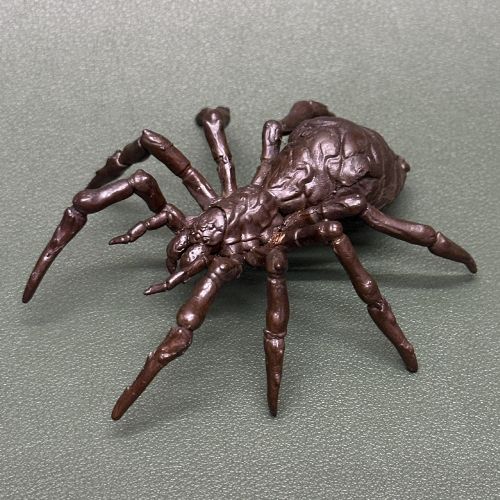
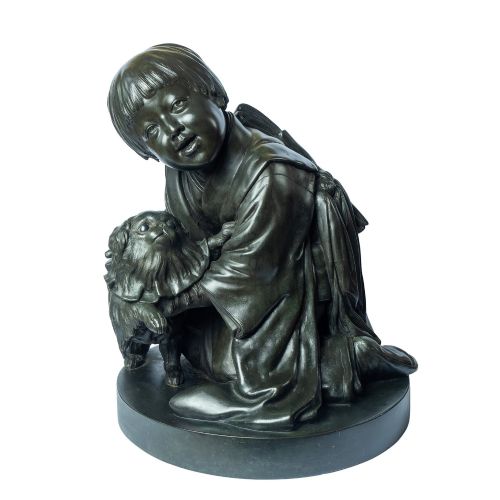
The most common examples on this page are animal okimono depicting birds of prey, elephants, and monkeys, alongside human figures such as scholars, woodmen, and children. Many integrate naturalistic bases of wood or rock.
Originating in Japan, these works reflect the rapid modernization and opening of the country during the late nineteenth and early twentieth centuries, capturing both traditional folklore and acute observation of the natural world.
How They Were Made
The foundation of these pieces is cast bronze, frequently patinated to achieve deep brown, black, or greenish tones that define feathers, fur, and skin. Artisans utilised complex lost-wax casting methods to capture microscopic anatomical details.
Signatures and foundry marks are often chiselled directly into the metal or applied via inlaid seals, pointing to the individual master carvers and specialised Tokyo or regional workshops behind the production.
Meiji Period Bronze Statue Retail Price Guide 2026
Typical asking prices for meiji period bronze statue among the pieces listed under this phrase on Sellingantiques today, from the lower quarter to the upper quarter. They describe what is for sale here now, not the wider market.
Listings feature works dated across the nineteenth and early twentieth centuries, utilising bronze, wood, bone, ivory, gold inlay, brass, and copper.
What Varies in Quality
The fidelity of anatomical rendering separates standard production from exceptional artistry, particularly in the tension of a muscle or the precise feather articulation of a hawk. Superior pieces capture movement and character with startling realism.
The sophistication of the surface patination and the integration of mixed metals dictate the visual depth of the object. Master founders achieved subtle gradations of colour that elevate the texture beyond a simple metallic cast.
The presence of crisp, legible signatures from recognised artists or esteemed foundries adds significant distinction to a piece, demonstrating the maker's confidence in their work.
Jomi Eisuke·Masaaki·Kunio Itô·Tsunemitsu·Kaniya Kuniharu·Sakai Kōzan·Gyoko·Unno Shomin
The Meiji Period Bronze Statue Glossary
- Okimono
- A Japanese ornamental statue or figurine designed for display on a shelf or tokonoma alcove. These objects focus heavily on decorative realism and subject variety.
- Shakudo
- A Japanese billot alloy of copper and a small percentage of gold that turns a dark blue-black colour when treated. It is frequently used for contrast in mixed-metal sculptures.
- Patination
- The chemical treatment or natural ageing process applied to the bronze surface to create specific colouration and protect the metal. This finish defines the tonal quality of the sculpture.
- Japonisme
- The influence of Japanese art on Western aesthetics during the late nineteenth century. This movement shaped European appreciation for Japanese bronzes and decorative arts.
- Lost-wax casting
- A metal-casting method in which a molten metal is poured into a mould that has been created by melting away a wax model. This technique allows for intricate and undercut sculptural details.
Meiji Period Bronze Statue: Frequently Asked Questions
What is an okimono statue?
An okimono is a standalone decorative sculpture made for interior display rather than religious worship. These pieces depict animals, figures, or mythical subjects with high levels of craftsmanship.
They sit on tables, cabinets, or dedicated wooden bases within the home, serving purely aesthetic and contemplative functions for the collector.
How do I identify a Meiji bronze?
Look for the characteristically deep patination, fine anatomical detail, and the presence of signatures or seals incised into the metal. Many pieces also feature mixed-metal accents like gold inlay.
The subject matter often leans toward naturalism, depicting animals, figures engaged in daily labour, or traditional folklore from late nineteenth-century Japan.
Are these statues solid bronze?
Most of these sculptures are hollow-cast using the lost-wax method, which reduces weight and allows for intricate, undercut details. Larger forms are constructed in sections and joined securely.
Despite being hollow, the metal gauge is substantial, giving the pieces a satisfying weight and structural stability.
How should I clean a bronze statue?
Dust the surface gently with a soft, dry cloth to prevent the accumulation of grit in the recesses of the patination. Avoid water, modern cleaning solutions, or abrasive polishes, which strip the historical finish.
Leaving the natural patina untouched preserves the surface character built up over more than a century of existence.