


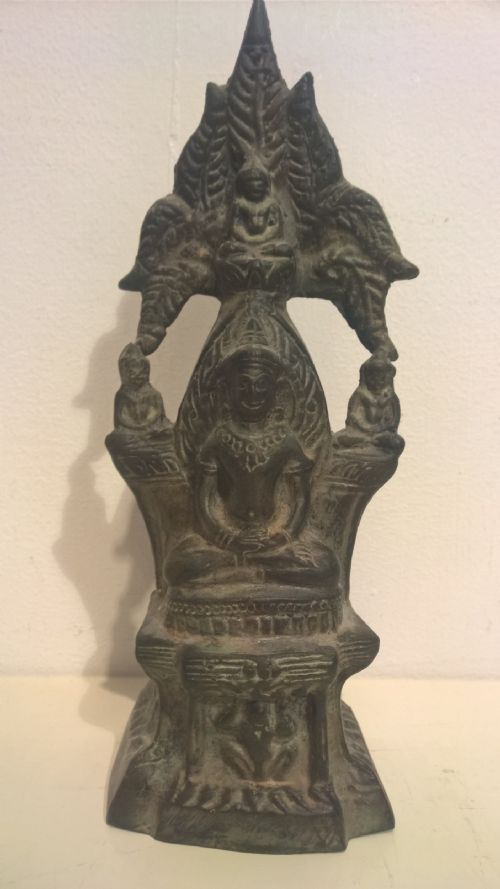
Asian Art Bronze Figure
An asian art bronze figure brings centuries of ritual, courtly grace, and devotional craftsmanship directly into your interior.
Asian Art Bronze Figure
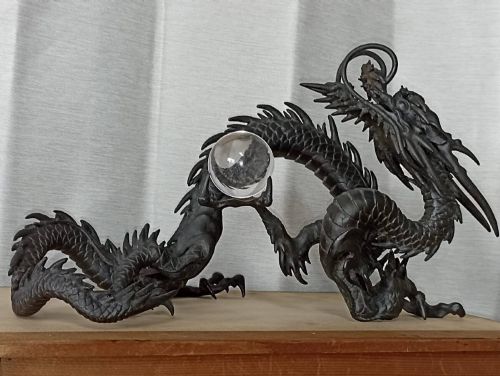
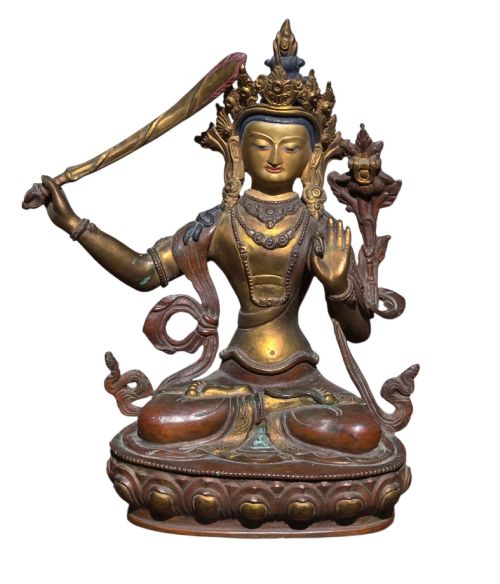
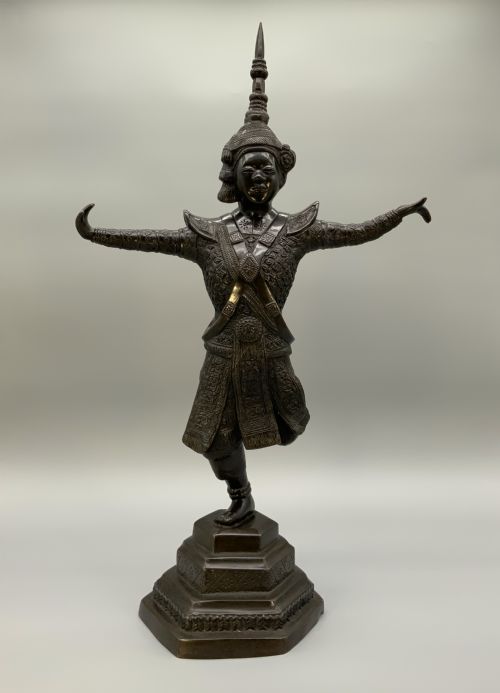
When you search for an asian art bronze figure, you encounter sculptural works spanning centuries from Southeast Asia, China, Japan, and Tibet. These objects encompass Buddhist deities, mythological beasts, court dancers, and scholars' items cast in metal.
The selections available here most frequently include figures such as seated Buddhas, bodhisattvas, and cultural statues originating from periods ranging from pre-sixteenth century examples to twentieth-century workshop pieces. Forms vary from monumental temple deities to small scholarly desk objects.
Regional styles dictate the silhouette and iconography, uniting traditional Chinese aesthetics, Meiji period Japanese design, and Southeast Asian traditions like the Ayutthaya period. Each piece carries the distinct visual language of its geographic and temporal origin.
How they were made
Many items retain their original old patination, developed through centuries of handling, exposure, and ritual use. Surface treatments range from polished gilding to weathered patinas that reveal the underlying metal alloy.
Periods represented span from pre-sixteenth century examples through the sixteenth, eighteenth, and nineteenth centuries, up to twentieth-century pieces.
What varies in quality
Quality rests in the crispness of the casting and the sensitivity of the facial expression, particularly in devotional figures where hand-finished details define the presence of the sculpture. Finer items demonstrate deliberate control over proportions, drapery folds, and decorative chasing.
The survival of original surface finishes, such as gold leaf, gilding, and early patination, elevates an example. Pieces that maintain their structural integrity alongside undisturbed historic surfaces separate workshop standards from exceptional output.
The Asian Art Bronze Figure Glossary
- Patina
- The surface sheen and coloration acquired by metal through age and handling. This chemical change helps indicate the authenticity and handling history of older bronzes.
- Gilt Bronze
- Metal coated with a thin layer of gold or gold leaf. This technique was frequently applied to highlight divine or imperial figures.
- Bhumisparsha Mudra
- The earth-touching gesture depicted in Buddhist art. It symbolizes the historical Buddha calling the earth to witness his enlightenment.
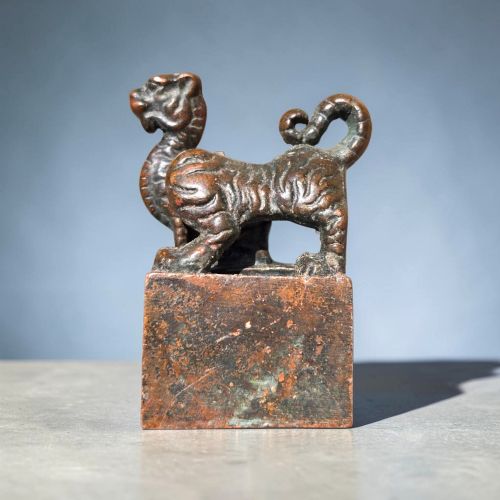
- Qilin
- A mythical hooved creature in Chinese mythology. Statues of these beasts often served as scholar's seals or desk ornaments.
- Bodhisattva
- An enlightened being who defers nirvana to help others. These figures are typically depicted with elaborate crowns and royal jewellery.
Asian Art Bronze Figure: Frequently Asked Questions
What is the difference between bronze and copper alloy?
Bronze is a specific alloy primarily composed of copper combined with tin, while copper alloy is a broader term encompassing various mixtures where copper is the main component alongside elements like zinc or lead.
Historical pieces frequently utilised mixed metal alloys depending on local availability and workshop recipes. Both materials develop distinct patinas over centuries of age.
How should I care for an antique bronze figure?
Care involves keeping the metal in a stable environment away from excessive moisture and direct sunlight. Dusting should be done gently with a soft, dry brush without applying commercial cleaners or polishes that might strip the historic patina.
Preserving the natural surface layer ensures the piece retains its historical integrity. Handling should be minimised to prevent oils from the skin interacting with the metal.
What does original patination mean for a sculpture?
Original patination refers to the natural oxidation and wear accumulated on the surface over centuries of existence. It proves the age and untouched condition of the metalwork.
Collectors prize undisturbed surfaces because later cleaning or stripping diminishes the historical character. The tone and texture of the patina often reveal how the object was stored or used.
How were scholar's objects used in historical settings?
Scholar's objects were functional or decorative items placed on the desks of literati and officials in historical China. They included items such as seal sets, water droppers, and small resting figures designed to inspire contemplation.
These pieces combined utility with refined artistic expression suited for scholarly pursuits. Their intricate casting reflected the high status of their owners.