
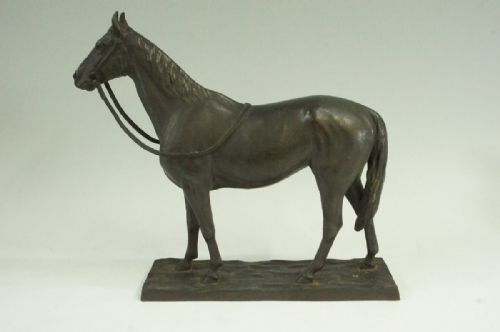
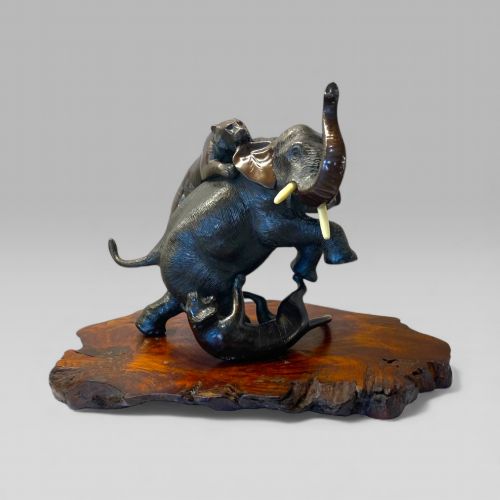


Meiji Period Bronze Figure
A meiji period bronze figure brings the exceptional metallurgical skill of late nineteenth-century Japan directly into your room.
Meiji Period Bronze Figure
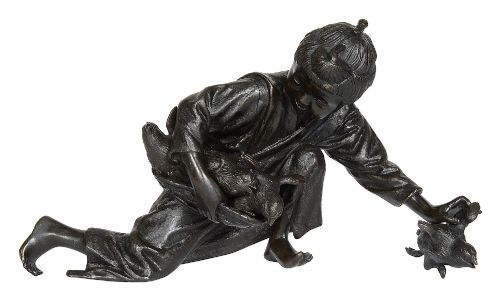
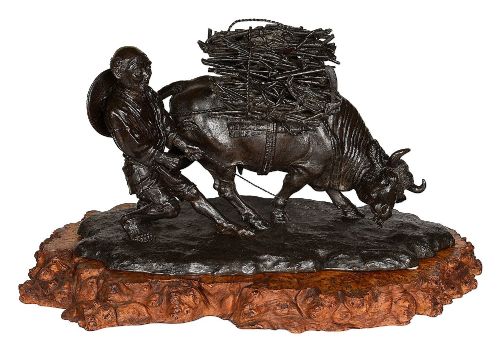
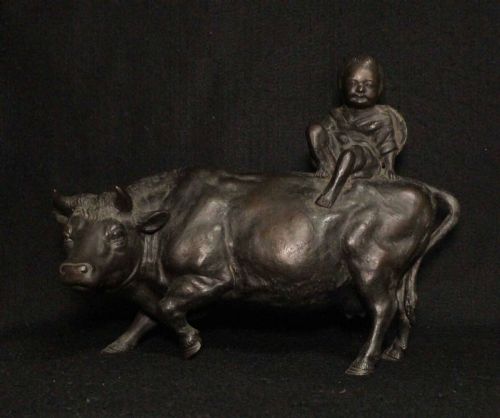
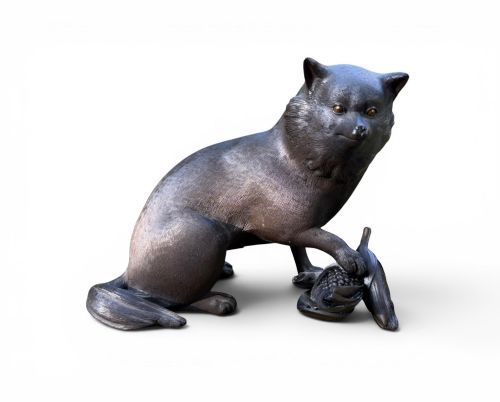
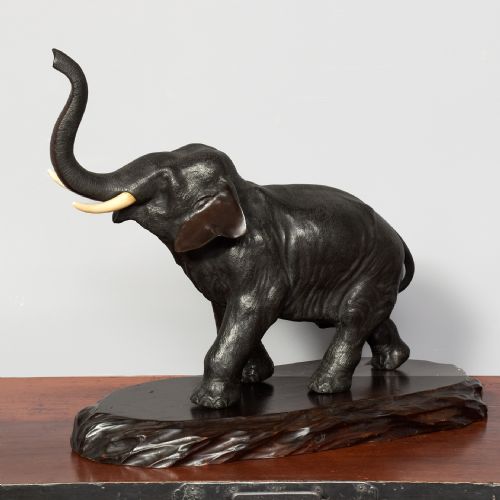
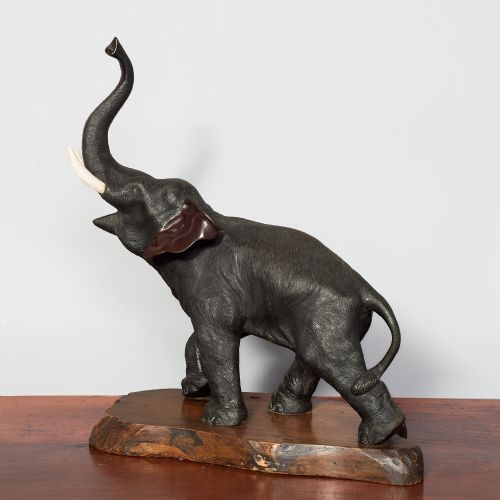
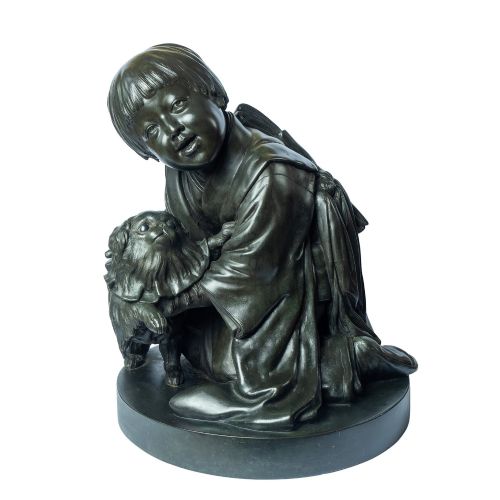
When you search for a meiji period bronze figure, you encounter sculptural works created during the empire of Japan between 1868 and 1912. The selection on this page centres on Japanese bronze figures, okimono, and animal sculptures produced across the nineteenth and early twentieth centuries.
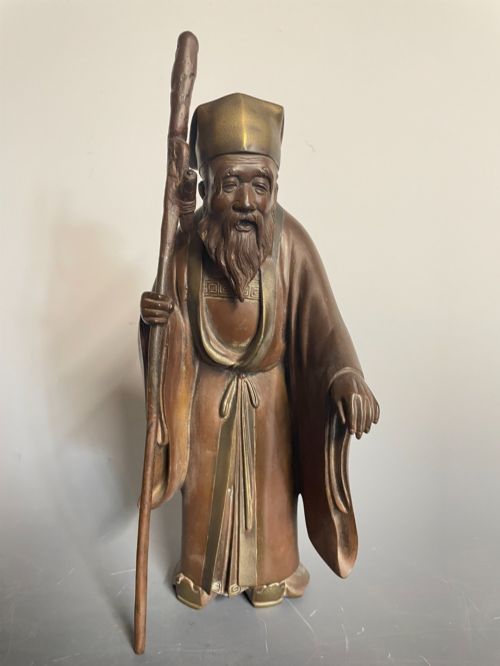
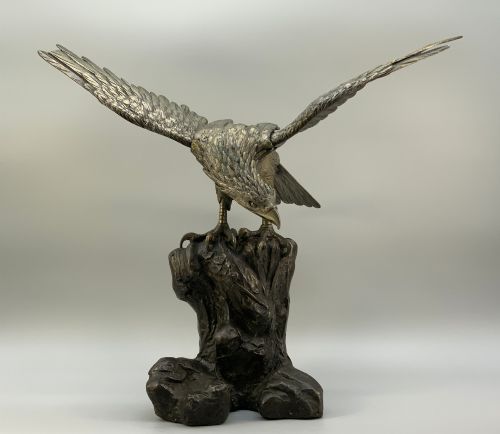
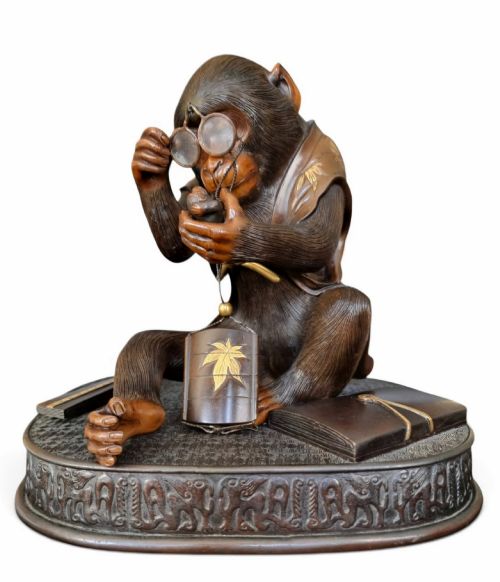
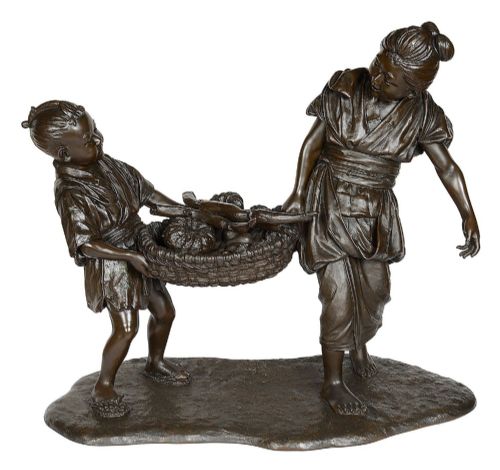
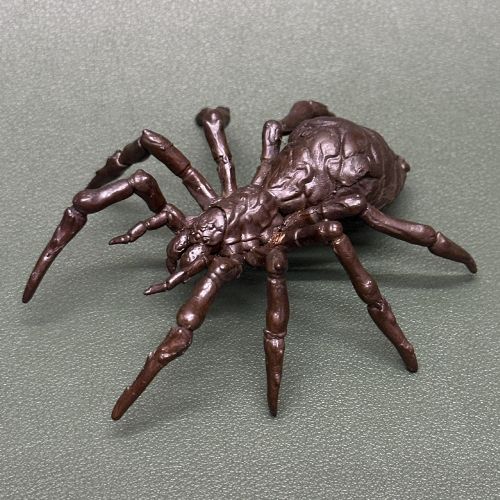
The most common forms you meet include detailed okimono depicting animals, insects, and human subjects such as scholars, hunters, and musicians. These pieces range from small table sculptures to large garden figures, often presented on naturalistic bases or carved root wood.
The pieces reflect the shift in Japanese metalwork following the opening of trade with the West, adapting traditional temple casting techniques for international collectors. Many items combine bronze with wood, bone, ivory, and gold inlay to achieve striking visual variety.
Materials and Techniques
The objects record the use of patinated bronze, copper, and brass, frequently enhanced with gold inlay and parcel gilt details. Sculptors employed lost-wax casting alongside articulated section construction, allowing limbs, wings, and segments of insects or animals to move realistically.
The site listings feature bronzes from the 1870s through the 1930s, incorporating wood, bone, ivory, and gold inlay.
Judging Quality
Quality rests upon the precision of the casting and the nuance of the surface chisel work, separating mass production from master craftsmanship. Superior examples display anatomical accuracy, expressive posture, and integrated signatures from notable workshops or individual artists.
The depth and durability of the patination, the complexity of mixed-metal inlay, and the retention of original elements like specialised wood bases dictate the standing of a piece. Finer works exhibit meticulous attention to texture, whether rendering the fur of a tiger, the plumage of an eagle, or the delicate robes of a geisha.
Masaaki·Kunio Itô·Tsunemitsu·Kaniya Kuniharu·Sakai Kōzan·Miyamoto Sei·Unno Shomin·Gyoko·Miyao Eisuke
The Meiji Period Bronze Figure Glossary
- Okimono
- A Japanese ornamental object meant for display on a tokonoma alcove or shelf. These independent sculptures often depict animals, figures, or mythical subjects.
- Patinated bronze
- Metal treated with chemical solutions or heat to produce a stable coloured surface layer. This process creates rich brown, black, or greenish tones across the sculpture.
- Japonisme
- The influence of Japanese art on Western aesthetics during the late nineteenth century. This movement shaped European design tastes and inspired local responses to Asian craftsmanship.
- Mixed-metal
- An approach combining different metallic elements within a single work, such as bronze, copper, gold, and iron. Artisans used this technique to create contrast and colour variation.
- Articulated
- Built with movable joints that allow parts of the sculpture to flex or pivot. Japanese metalworkers applied this sophisticated engineering particularly to insects and marine animals.
Meiji Period Bronze Figure: Frequently Asked Questions
What is an okimono?
An okimono is a standalone decorative sculpture designed for interior display in Japanese homes. Unlike religious altar figures, these pieces focus on secular subjects, nature, and folklore.
They serve purely aesthetic purposes, intended to be appreciated closely on tabletops or within display niches for their detailed craftsmanship and playful realism.
How do I identify a Meiji piece?
Meiji period items date from the reign of Emperor Meiji between 1868 and 1912. The era is defined by rapid modernisation and the opening of Japanese arts to global markets.
Look for signature styles combining traditional casting methods with western-influenced realism, often accompanied by artist signatures or foundry marks on the base.
Why are some figures signed?
Many master sculptors and prominent foundries signed their works to denote quality and pride of production. Signatures can appear as incised characters directly into the bronze or on applied metal tablets.
These marks help historians and collectors trace pieces to specific workshops in Tokyo or Kyoto, linking sculptures to known artists of the period.
How should I clean bronze?
Bronze requires minimal intervention to preserve its historic patina and chemical surface finish. Dusting gently with a soft, dry cloth is usually sufficient for regular maintenance.
Avoid commercial metal polishes, water, or abrasive cleaners, as these substances strip away the original patination and damage the surface integrity.