


Japanese Metalwork Elephant
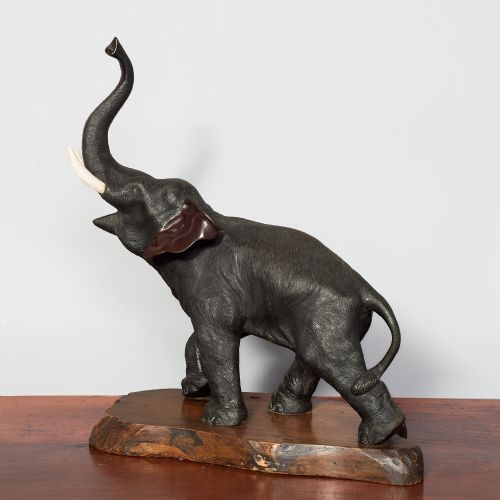
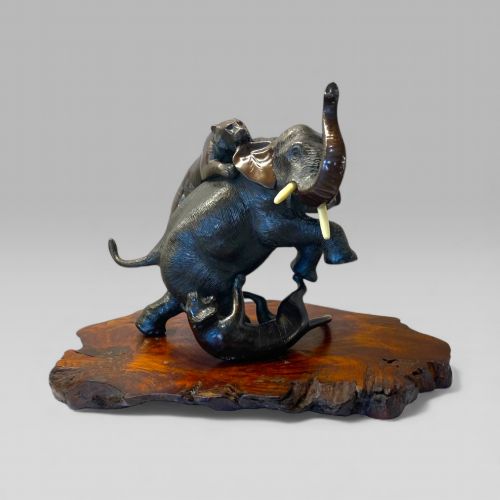
A japanese metalwork elephant brings striking Meiji period craftsmanship into a room, offering exceptional bronze casting and intricate detailing.
Japanese Metalwork Elephant
When buyers search for a japanese metalwork elephant, they encounter remarkable bronze sculptures, okimono figures, and vases dating primarily from the late nineteenth century and the Meiji period.
The selections on this page feature free-standing animal sculptures alongside mixed metal vases, often enriched with contrasting elements such as ivory tusks, bone, wood, and precious metal inlays.
Makers utilised traditional foundry techniques to capture realistic textures, dynamic stances, and dramatic scenes such as elephants fighting tigers.
How they were made
Artisans employed advanced bronze casting methods, shaping molten metal into complex forms that often incorporated separate components like tusks, bases, and applied decorative elements.
Surface decoration frequently involved mixed metal applications, utilising gold and silver inlay alongside patination techniques to create depth, colour variation, and high-relief detailing.
Listings feature bronze, copper, gold, silver, bone, wood, and ivory across the Meiji period and Victorian eras.
What varies in quality
Quality rests upon the precision of the casting and the finesse of the surface finishing, distinguishing standard production pieces from masterworks signed by notable founders.
The inclusion of finer supplementary materials, such as diamond eyes or intricate gold inlay, elevates the visual complexity and sculptural authority of the work.
Tsunemitsu·Genryusai Seiya
The Japanese Metalwork Elephant Glossary
- Meiji Period
- The era in Japanese history spanning from 1868 to 1912, noted for a flourishing of decorative arts and metalwork exported internationally. Pieces from this time often exhibit exceptional technical refinement.
- Okimono
- A Japanese ornamental statue or figurine designed for display on a shelf or in a tokonoma alcove. These sculptures range from small cabinet pieces to large floor-standing works.
- Mixed Metal
- A decorative technique combining different metallic alloys such as bronze, copper, gold, and silver within a single object. This method creates contrasting tones and visual textures.
- Bronze
- An alloy consisting primarily of copper, commonly combined with tin, used extensively for durable and detailed sculptural casting. It accepts patination and inlay exceptionally well.
Japanese Metalwork Elephant: Frequently Asked Questions
How do I date a bronze elephant?
Dating relies on stylistic markers associated with the Meiji period and the nineteenth century, alongside specific manufacturing techniques. Signed pieces often point to established workshops or named artists.
Examining the patination, alloy composition, and auxiliary materials like bone or ivory helps establish the historical context of the object.
Where were these pieces displayed?
In historical settings, these sculptures and vases occupied prominent positions within domestic interiors, drawing the attention of collectors both in Japan and abroad. Their substantial weight and fine detail suited them for display on tables or dedicated stands.
Today, they function well as focal points in period or eclectic rooms, placed on sturdy surfaces where their bronze patination can be appreciated.
Are tusks always made of ivory?
Historical examples frequently incorporate organic materials such as ivory or bone for tusks and specific decorative accents. These elements were carved separately and fitted securely into the bronze body.
Because material regulations vary, identifying the exact substance depends on close inspection of the grain and texture present on each individual piece.