


Antique Elephant Figure
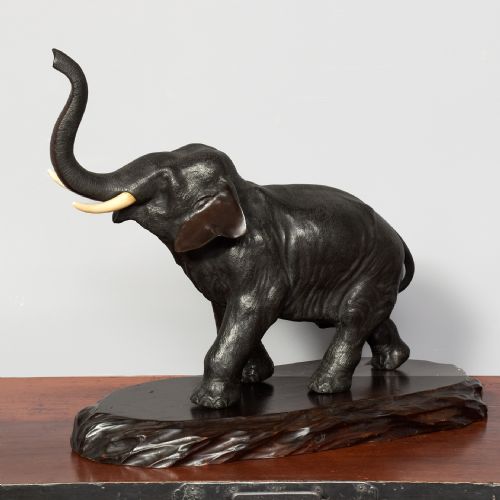
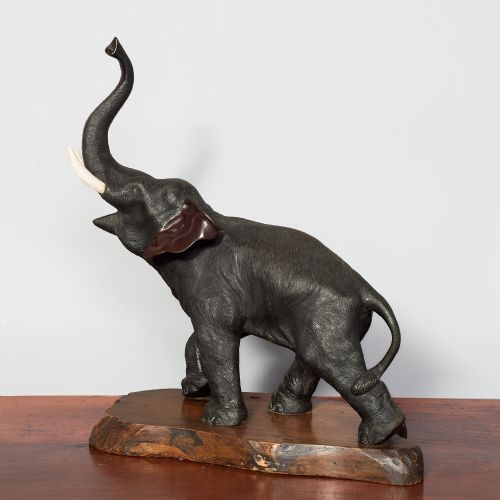
An antique elephant figure brings character and substance to a room, shifting from bronze sculptures to carved hardwood studies.
Antique Elephant Figure
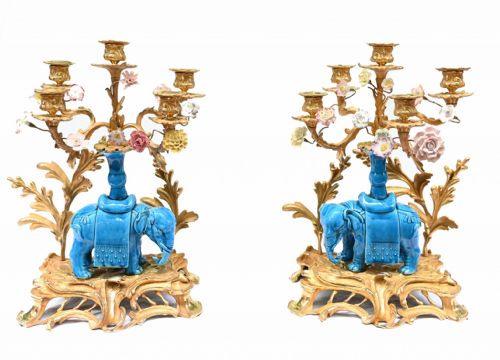
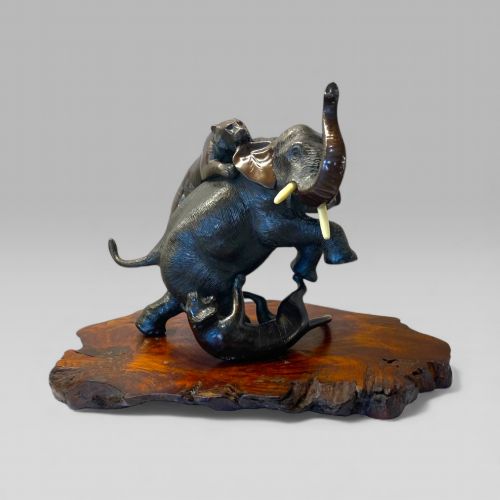
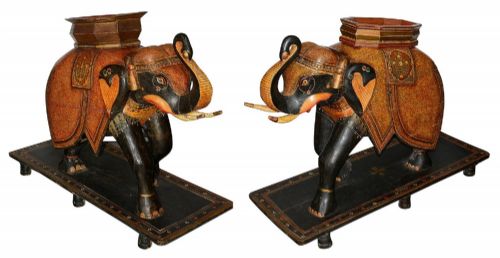
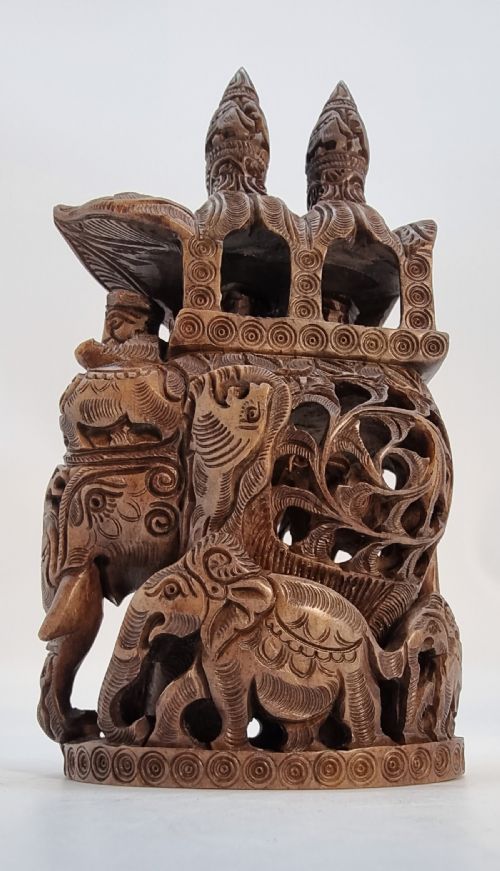
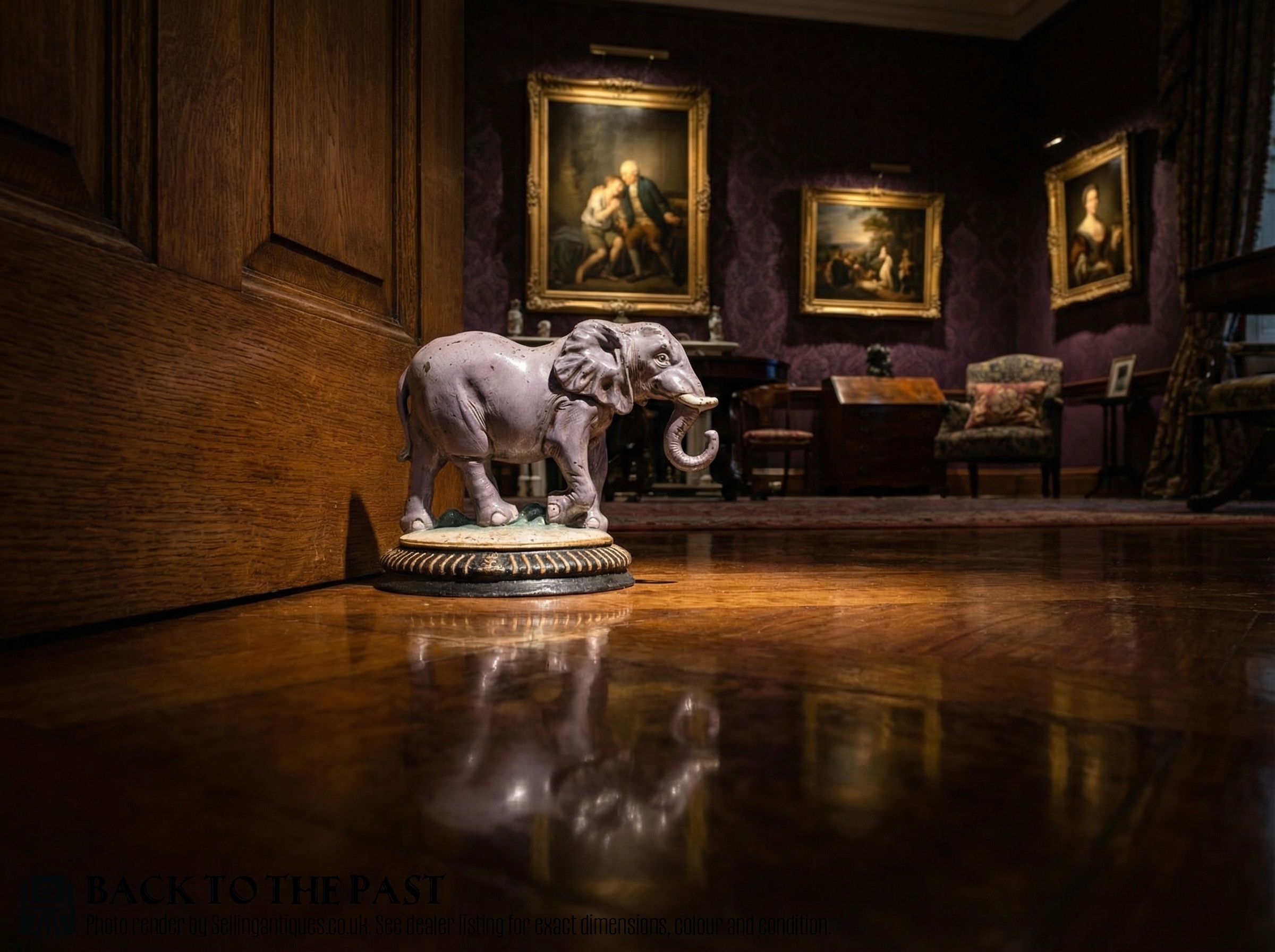
An antique elephant figure encompasses a diverse array of sculptural forms, decorative objects, and functional pieces such as bookends and doorstops. Buyers encounter works originating from varied traditions, including Japanese Meiji period bronzes, Indian Raj period carvings, and European porcelain models.
How they were made
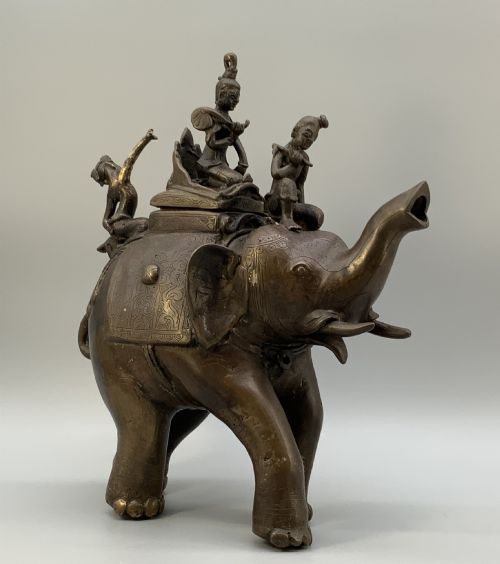
Sculptors utilised traditional casting methods for bronze and brass pieces, frequently incorporating fine details such as ivory tusks, diamond eyes, and intricate engraving. Woodworkers shaped dense materials like hardwood, teak, ebony, and bone using hand tools to create textured surfaces and ceremonial trappings.
Potters and ceramicists shaped porcelain and earthenware bodies, applying glazes, enamel, and gilt highlights to produce figures like Satsuma okimono and Dresden models. Artisans also constructed tactile leather animal models over supportive internal structures during the Arts and Crafts movement.
Some nineteenth-century bronze elephants hide secret diamond eyes that catch the light unexpectedly from across the room.
What varies in quality
The quality of an antique elephant figure rests primarily upon the fidelity of the anatomy and the crispness of the carving or casting. Master metalworkers and carvers achieved convincing muscle tension, realistic skin folds, and expressive postures that elevate a study above mass production.
Material selection and decorative enrichment also define the upper tier, seen in the use of dense ebony, finely painted cloisonne enamel, or signed Satsuma and bronze works. The balance of the composition, particularly in paired items like bookends and candelabras, determines visual harmony.
Tsunemitsu·Kizan·Rene Lalique·Carl Thieme Dresden
The Antique Elephant Figure Glossary
- Okimono
- A Japanese ornamental statue designed for display on a tokonoma or shelf. These carvings and bronzes often depict animals with remarkable realism and character.
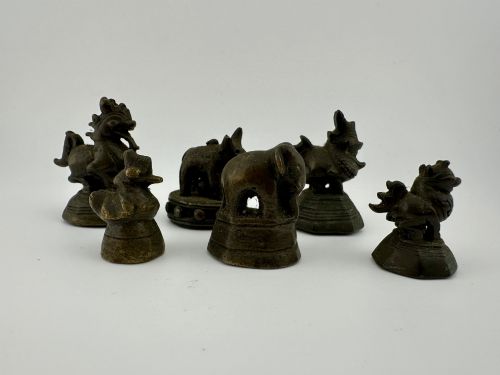
- Opium weight
- A small trade weight cast in the form of an animal, commonly used in Burma and Thailand. These geometric or zoomorphic bronzes served practical mercantile functions.
- Cloisonne
- An enamelling technique where metal strips are soldered to a base to form compartments filled with paste and fired. This method creates colourful patterns on decorative animal figures.
- Raj period
- The era of British rule in the Indian subcontinent spanning the nineteenth and early twentieth centuries. Pieces from this time frequently depict ceremonial elephants and local wildlife in hardwood and bronze.
- Satsuma
- A type of Japanese earthenware decorated with delicate enamels and gilt over a crackle-glaze body. These ceramic figures often bear artist signatures on the base.
Antique Elephant Figure: Frequently Asked Questions
What materials are common?
Makers employed a wide range of media depending on their regional tradition. Bronze, hardwood, ebony, and porcelain appear frequently across the periods.
Secondary materials such as bone, ivory, leather, and cloisonne enamel add distinct texture and colour to specific sculptural styles.
How were bookends used?
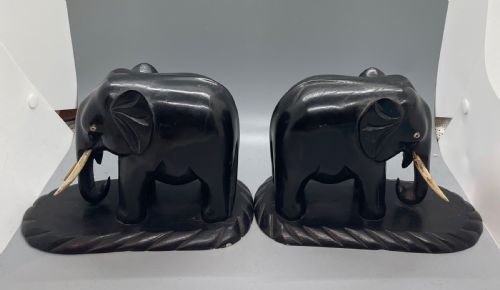
Bookends supported volumes in home libraries and studies while serving as decorative shelf ornaments. Pairs were cast or carved to mirror each other, balancing heavy texts.
Materials like heavy bronze, coromandel, and teak provided the necessary weight to keep books upright on the shelf.
How do I date an item?
Dating relies on stylistic markers, manufacturing techniques, and occasional artist signatures or registry marks. Victorian and Raj period pieces often reflect specific colonial or exhibition contexts.
Meiji bronzes and Art Deco porcelain reveal distinct aesthetic shifts characteristic of the late nineteenth and early twentieth centuries.
Where were they made?
Production spanned diverse global workshops, from Japanese bronze foundries to Indian hardwood carving centres and European porcelain factories. Meiji period pieces originated in Japan, while Anglo-Indian works reflect colonial craftsmanship.
English and continental European potteries also produced significant ceramic and metal models during the Victorian and Deco eras.