




Decorative Iron Doorstop
These decorative iron doorstop pieces keep heavy doors open with distinct Victorian and Edwardian character, cast in robust metal for domestic service.
Decorative Iron Doorstop
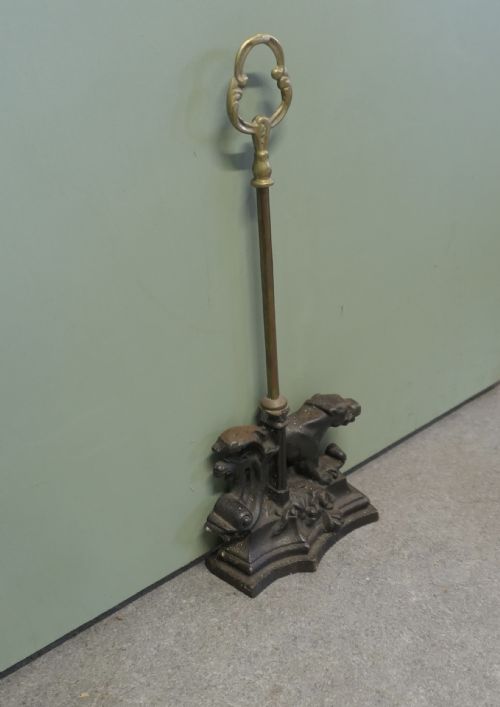
Every decorative iron doorstop on this page serves as a heavy, functional weight designed to hold interior doors open. You encounter figurative subjects ranging from animals and literary characters to heraldic symbols.
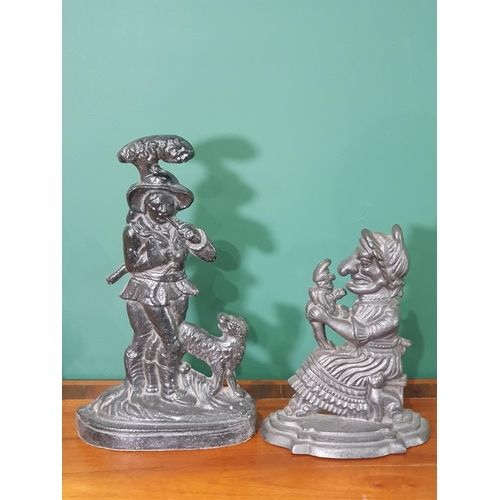
The pieces span the Victorian and Edwardian eras, encompassing specific forms like the door porter and the boot scraper alongside standard stops. Common motifs include dogs, lions, dolphins, and figures such as Lord Nelson and Mr Punch.
Makers produced these items for English homes using robust casting techniques suited to daily household use. You find examples originating from the nineteenth century, including specific dates around eighteen eighty.
Materials and construction
Foundries utilised cast iron poured into moulds to create the rigid structures of each doorstop. This heavy metal provided the necessary weight to hold doors stationary against draughts.
Mr Punch watches over the hallway floor with permanent theatrical defiance.
Assessing quality and execution
The retention of original paint surfaces elevates an example above those stripped or heavily repainted over time. Heavier weight and balanced proportions also distinguish superior foundry output from simpler utility pieces.
The Decorative Iron Doorstop Glossary
- Door porter
- A tall, weighted doorstop fitted with an upright handle at the top for carrying. This form allowed staff to move the heavy iron weight easily between rooms.
- Boot scraper
- A stationary metal implement placed near entrances for cleaning mud from footwear. Examples often share the robust cast iron construction seen in doorstops.
- Cast iron
- An iron-carbon alloy poured into moulds while molten to form solid objects. It provides the density and strength required for domestic door hardware.
- Door keeper
- An alternative historical term for a weighted stop used to hold doors open. The description appears frequently in nineteenth-century trade records.
Decorative Iron Doorstop: Frequently Asked Questions
How heavy are these doorstops?
These pieces possess substantial weight derived from solid cast iron to hold heavy interior doors securely in place. Their mass prevents movement even in draughty hallways.
Individual weights vary according to the size and figurative form of the casting, though all were designed for practical domestic utility.
Are the painted finishes original?
Many examples retain traces of early or original paint schemes applied to enhance the cast details of animals and figures. Over decades of domestic use, surfaces often acquired natural wear and patination.
Closer inspection under good light reveals whether pigment survives from the nineteenth century or dates from later maintenance.
What subjects are most common?
Figurative designs dominate the selection, featuring popular cultural figures like Mr Punch and historical commanders such as Lord Nelson. Animals including dogs, sheep, lions, and dolphins also appear frequently.
Heraldic motifs like the lion rampant represent another established category produced by period foundries for English homes.
How do I date an iron doorstop?
Dating relies upon stylistic markers associated with the Victorian and Edwardian periods, alongside construction traits visible in the metalwork. The crispness of the casting and the style of the subject offer reliable clues.
Comparative examples from archive records help confirm whether a piece belongs to the mid-nineteenth century or later eras.