

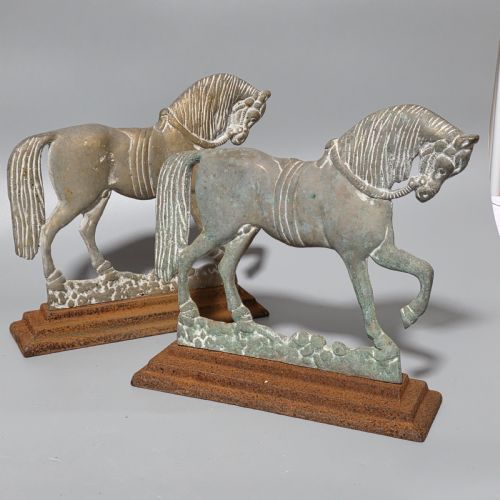


Heavy Cast Iron Doorstop
A heavy cast iron doorstop holds open a solid timber panel with sheer mass, bringing nineteenth-century utility and character straight to the floor.
What these heavy cast iron doorstops are
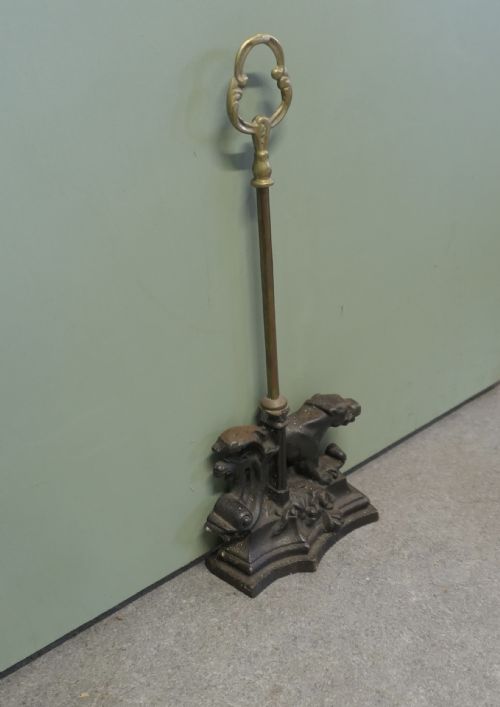
A heavy cast iron doorstop acts as a robust floor weight designed to prop open interior doors against drafts and heavy traffic. When searching for a heavy cast iron doorstop, a buyer encounters practical utilitarian objects cast in durable metal during the nineteenth century.
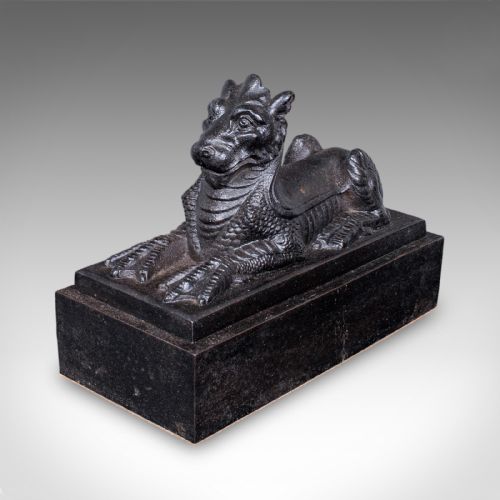
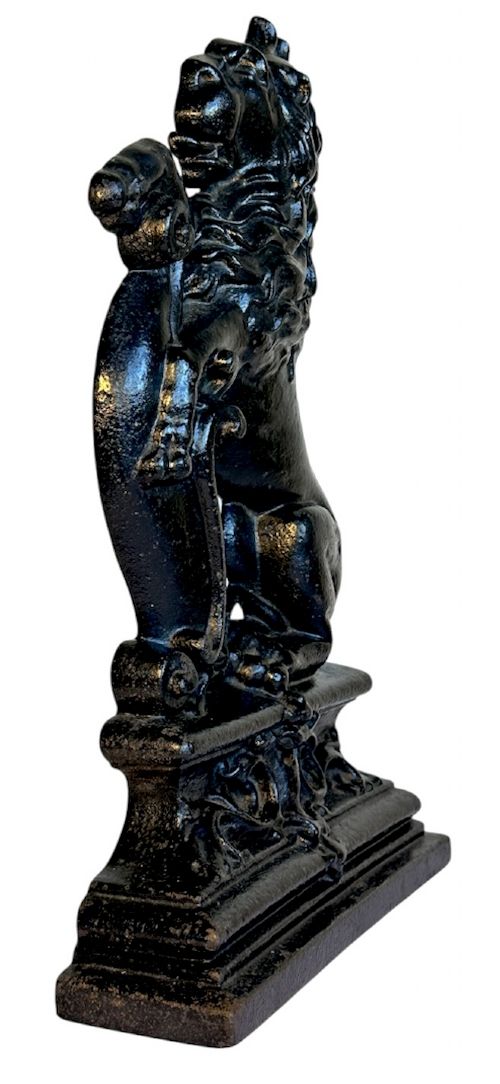
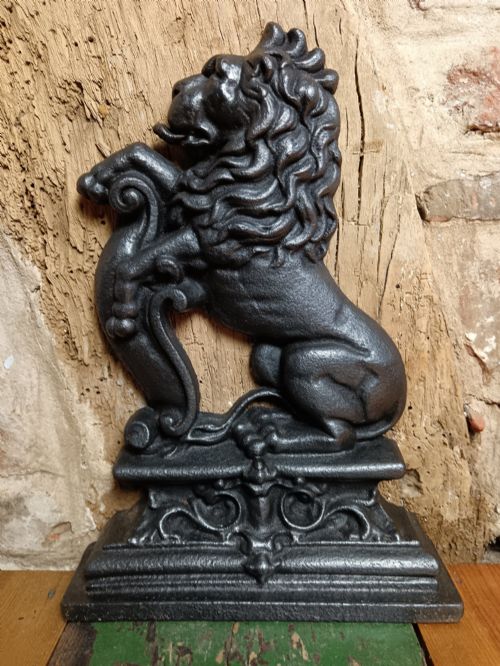
The selections span distinct historical eras, including Georgian and Victorian periods, alongside later nineteenth-century interpretations. Common figural forms include rampaging lions, mythical dolphins, and traditional comic characters like Mr Punch.
Most examples hail from the Victorian era and late Victorian periods, often displaying traces of original surface paint beneath layers of age. These pieces double as heavy cast iron doorstops and sculptural folk art ornaments for the home.
How they were made
Foundries produced these items by pouring molten metal into sand moulds to create a solid heavy cast iron doorstop. This technique produced thick, durable walls capable of withstanding constant daily impacts against wooden skirting boards.
Many items received an initial layer of oil-based paint to decorate the surface details of figures like lions and dolphins. Over decades, this paint finish wore down naturally through handling and environmental exposure.
Retail Price Guide 2026
Typical UK retail prices for heavy cast iron doorstop, calculated from the Sellingantiques database of over a million retail prices indexed since 2003. This retail price guide relies exclusively on Sellingantiques data; no external sources or auction records are used, so the figures do not describe the wider market.
Current listings feature items from the Georgian and Victorian periods, utilising cast iron, paint, and wood.
What varies in quality
The survival of original surface paint distinguishes a standard casting from a more desirable collector piece. Patination earned through genuine use adds depth to the surface, showing authentic wear rather than modern repainting.
The Heavy Cast Iron Doorstop Glossary
- Cast iron
- An iron-carbon alloy poured into moulds while molten to form rigid, heavy objects. It provides the essential mass needed for an effective doorstop.
- Door porter
- A traditional alternative term for a heavy cast iron doorstop, frequently used in nineteenth-century households. It denotes a portable weight intended for propping doors.
- Folk art
- Utilitarian items made by anonymous makers or regional foundries with a strong decorative appeal. These pieces reflect popular culture through figures such as Mr Punch.
- Patina
- The natural surface change, wear, and paint degradation accumulated over centuries of use. It serves as an indicator of genuine age on ironwork.
Frequently Asked Questions
How do I use a heavy cast iron doorstop?
Place the piece firmly against the bottom corner of an interior door to prevent it from swinging shut in a draft.
The substantial weight of the iron holds the door securely in place without requiring fixings into the floor.
Are these doorstops from the Victorian period?
Many examples date directly from the Victorian era and the broader nineteenth century, reflecting the manufacturing styles of that time.
Some pieces stretch back to the Georgian era, while others date around eighteen-eighty to nineteen-twenty.
Why do some doorstops feature Mr Punch?
Mr Punch was a hugely popular figure in British nineteenth-century puppet theatre and popular culture. Foundries frequently cast his recognisable hooked nose and hat into iron doorstops to amuse households.
Should I repaint my iron doorstop?
Original painted surfaces show the history and authentic character of the object through natural wear and flaking. Preserving the existing surface maintains the integrity of the piece better than applying fresh paint.