




Antique Cast Iron Weight
These antique cast iron weight pieces span utilitarian scale weights and decorative doorstops that bring heavy metal utility to modern interiors.
Antique Cast Iron Weight
An antique cast iron weight encompasses robust domestic items ranging from utilitarian scale weights and stacking sets to sculptural doorstops and desktop paperweights. These objects originate largely from the Victorian and Edwardian eras, utilising durable metal casting techniques for everyday household and commercial purposes.
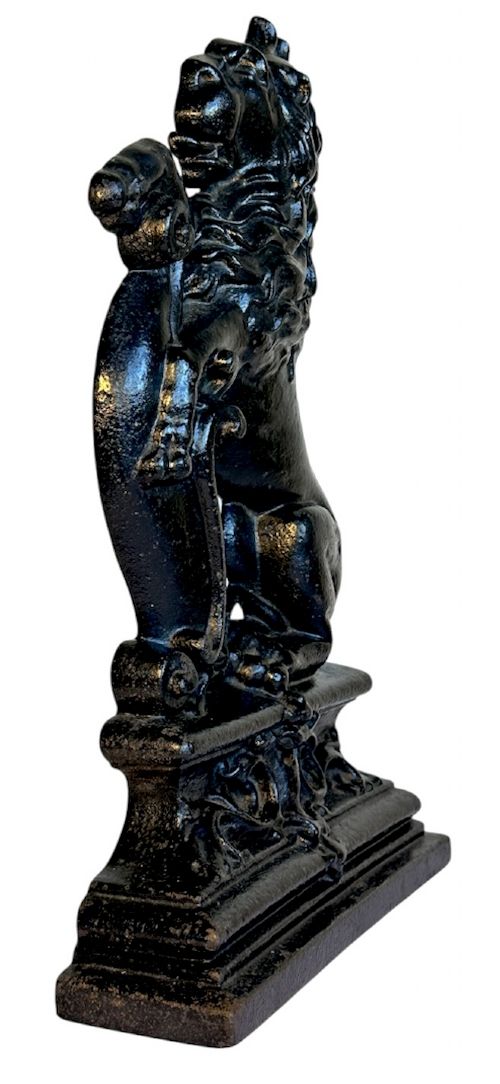
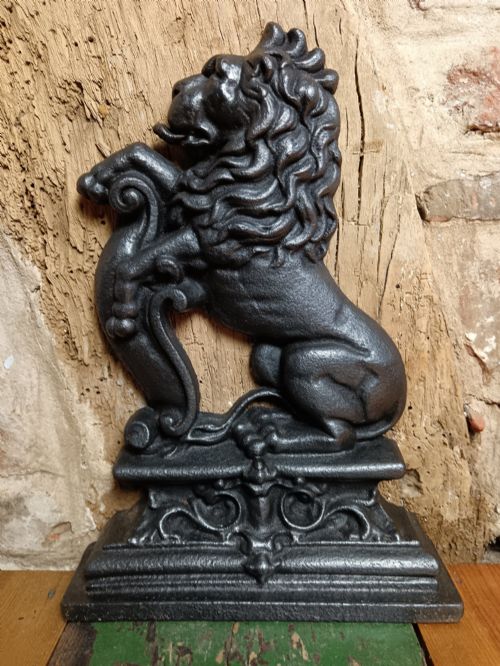
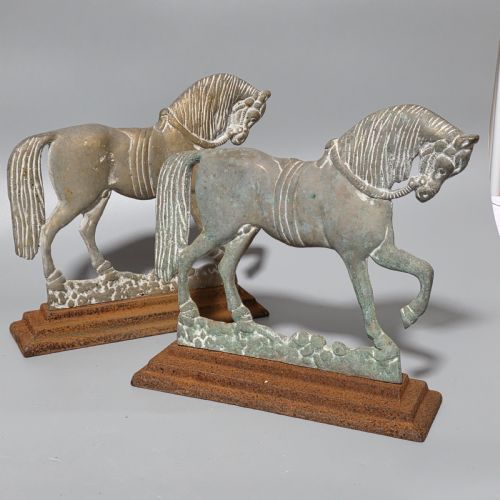
On this page, the most frequent forms you encounter are figurative doorstops and door porters, often shaped as lions, Mr Punch, or dogs. Scale weights and paperweights also appear, alongside balance scales incorporating brass and copper elements.
The periods represented stretch from the Georgian era through the 19th century and into the 1930s, showing diverse stylistic influences like Egyptian Revival and Gothic Revival. English country house and folk art aesthetics frequently emerge among these cast metal pieces.
What varies in quality
The preservation of original paint surfaces dictates the desirability of these metal pieces, with untouched historic pigments holding more character than later refurbishments. Additionally, the integration of secondary materials like brass fittings on scales or door porters contributes to the overall substance of the object.
Antique Cast Iron Weight Retail Price Guide 2026
Typical asking prices for cast iron weight among the pieces listed under this phrase on Sellingantiques today, from the lower quarter to the upper quarter. They describe what is for sale here now, not the wider market.
Several Victorian pieces immortalise Mr Punch in heavy iron, ensuring domestic door duties are performed with permanent theatrical disapproval.
Wm Hodgson Salford·Palethorpes
The Antique Cast Iron Weight Glossary
- Doorstop
- A heavy movable object placed against a door to keep it open. These often take sculptural figurative forms in cast iron.
- Door Porter
- An alternative term for a heavy doorstop featuring an upright handle or grip at the top for easy movement. They frequently depict lions or human figures.
- Scale Weight
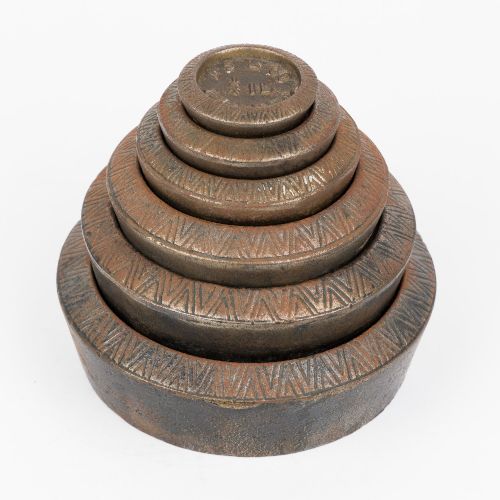
- A calibrated piece of metal used on balance scales to determine the mass of goods. Sets often stack together for imperial measurements.
- Egyptian Revival
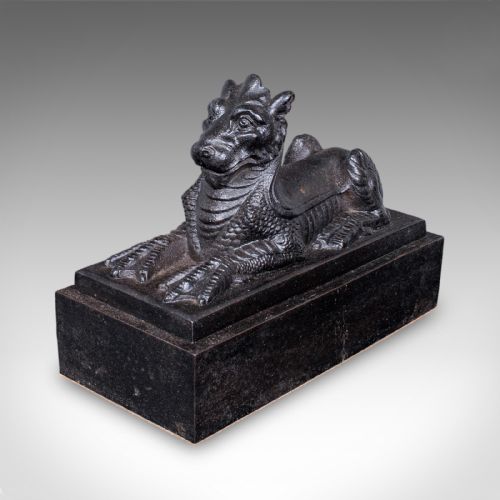
- A 19th-century stylistic movement drawing on ancient Egyptian motifs and forms. This style appears on sphinx doorstops from the Regency period.
- Imperial Stacking Weights
- A coordinated set of measuring blocks designed to fit inside one another. These iron pieces served commercial trade in British shops.
Antique Cast Iron Weight: Frequently Asked Questions
What is an antique cast iron weight used for?
These pieces served practical roles in weighing goods on balance scales or holding heavy interior doors ajar in large houses. Stacking sets measured imperial quantities in shops, while figurative items managed heavy draughts.
Today, buyers repurpose the doorstops and paperweights as sculptural decor items while retaining their original functional heft.
How do I date a cast iron doorstop?
Dating relies on stylistic clues, such as Regency Egyptian Revival motifs or Victorian Gothic elements, combined with the manufacturing texture. Mould seams and surface wear provide further indicators of 19th-century production.
Comparing the subject matter, such as historical figures like Lord Nelson or Mr Punch, helps narrow the decade of manufacture.
Are these items made entirely of iron?
While cast iron forms the primary heavy body, many pieces incorporate other materials like brass, copper, and wood. Scales and door porters frequently feature brass fixtures and handles alongside the iron base.
Original paint layers and occasional glass elements also appear across the surviving inventory.
How should I clean a painted cast iron weight?
Maintenance requires gentle dusting with a dry cloth to protect fragile historical paint layers from moisture damage. Avoid harsh chemical cleaners that might strip the original surface coatings.
Keeping the metal in a stable indoor environment prevents rust formation on exposed iron areas.