


19th Century Door Stop
These heavy 19th century door stops hold heavy doors open with distinct metal forms.
19th Century Door Stop
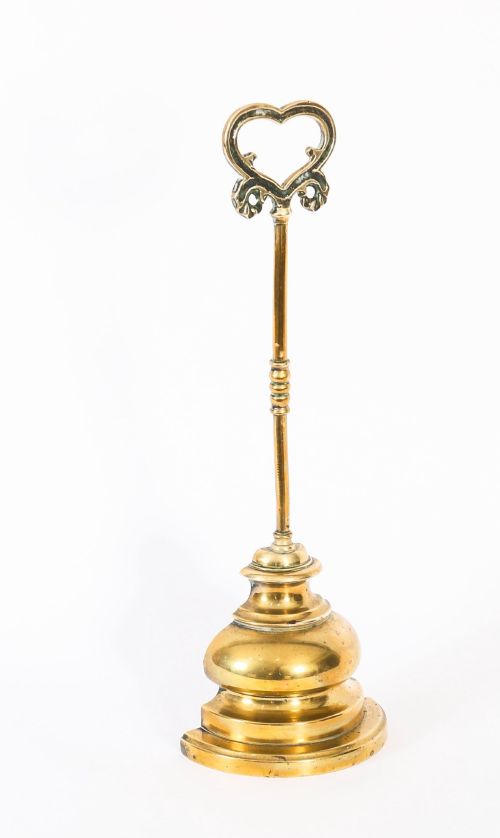
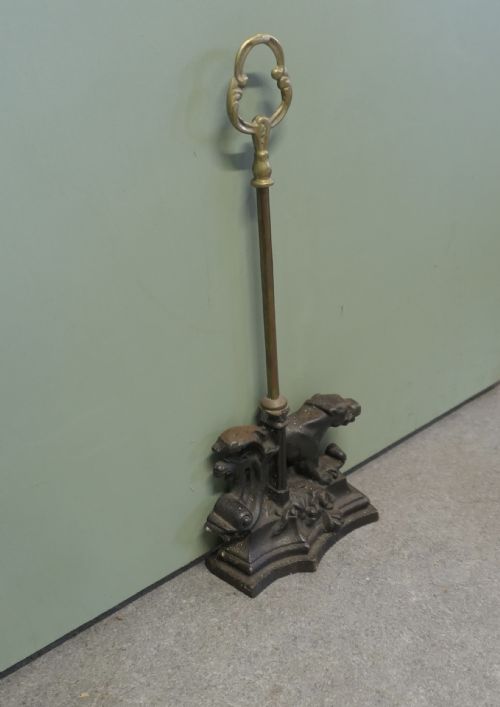
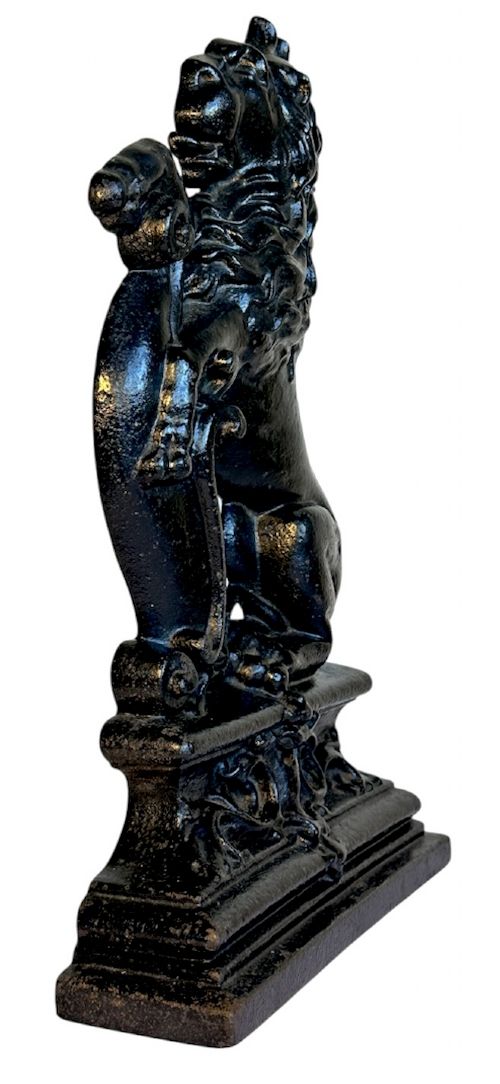
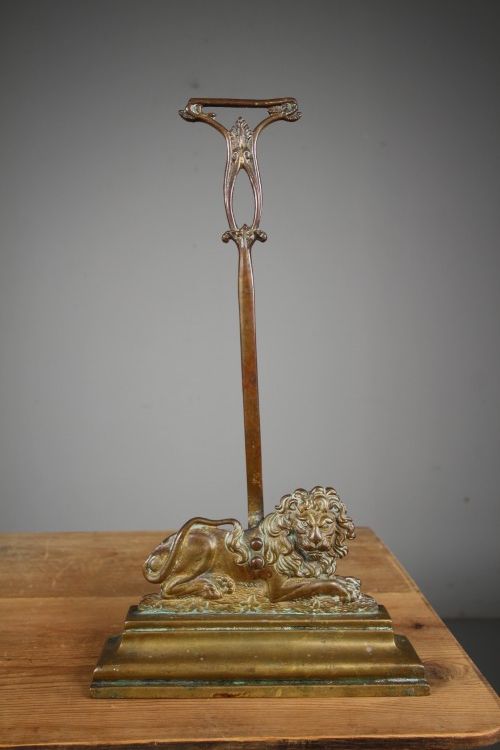
A 19th century door stop, also known as a door porter, holds doors open within the home. The most frequent examples you encounter on this page take the form of cast iron or brass lions, animals, and figures.
Originating across the Victorian period and earlier decades, these functional heavy objects double as decorative ornaments. They range from utilitarian iron weights to detailed brass figures designed to stand on the floor.
How they were made
Makers integrated handles into the upper portions of the metal bodies to allow easy lifting. Some heavier examples incorporated weighted bases or internal lead weights to increase stability.
Periods represented in the evidence span the Regency era through to the late Victorian period.
What varies in quality
The clarity of the casting separates standard items from superior examples, with finer pieces retaining sharp details in the facial expressions and fur. Well-defined moulds capture intricate textures that softer castings lose.
The survival of original painted surfaces significantly alters the character of the piece. Intact polychrome decoration demonstrates greater preservation than stripped or heavily repainted metal surfaces.
Kenrick & Sons·William Tonks
The 19th Century Door Stop Glossary
- Door porter
- An alternative term for a heavy door stop fitted with a vertical handle for carrying. This traditional name appears frequently on historical listings.
- Cast iron
- A strong alloy poured into moulds to create heavy, rigid objects. It forms the foundation for the majority of figurative and animal stops.
- Egyptian Revival
- A design style inspired by ancient Egyptian motifs such as sphinxes and pharaohs. This aesthetic influences certain Regency and Victorian pieces.
- Polychrome
- Decoration employing multiple colours applied to the surface of the metal. Original paint layers demand careful handling during cleaning.
19th Century Door Stop: Frequently Asked Questions
What is a door porter?
A door porter is an alternative name for a heavy door stop that includes an integrated handle at the top. This handle allows people to lift and move the heavy metal weight from room to room.
Historically, these objects served to keep interior doors open against draughts in large houses. Their portable nature distinguished them from fixed door wedges.
How do I clean cast iron?
Clean cast iron door stops gently using a dry or slightly damp cloth to remove accumulated dust. Avoid harsh chemical cleaners that strip the remaining original surface finishes.
Applying a light coat of neutral wax helps protect exposed iron surfaces from moisture. Excessive scrubbing risks damaging painted details on figures and animals.
Are brass and iron stops different?
Brass and iron door stops differ primarily in their material composition and visual appearance. Brass offers a bright golden metallic finish that polish can maintain.
Cast iron provides a heavier, darker utility weight with a different textural quality. Iron pieces often feature painted decoration rather than polished metal surfaces.
Why use figurative designs?
Figurative designs turned a mundane household utility into an engaging decorative sculpture within the Victorian interior. Animals, literary characters, and heraldic symbols added personality to hallways.
Popular figures like Mr Punch or rampant lions served as conversation pieces for visitors. The weight required to hold a door open provided a solid base for sculptural forms.